This article explores the best roofing options for warehouses and industrial buildings in Kenya, focusing on durability, cost efficiency, and climate suitability. It compares materials such as mabati, stone-coated steel, aluminium, and modern polycarbonate roofing, highlighting their strengths in different industrial environments
Warehouses and Industrial Roofing in Kenya require roofing systems that go beyond basic protection. Unlike residential homes, these structures face heavy operational demands—constant heat exposure, dust accumulation, large-span coverage requirements, and sometimes exposure to corrosive environments depending on location.
In industrial zones such as Nairobi’s Industrial Area, Athi River, Mombasa port region, and Nakuru’s manufacturing hubs, roofing systems must deliver durability, cost efficiency, and minimal maintenance over long periods.
Choosing the wrong roofing material can lead to leaks, heat buildup, frequent repairs, and even structural inefficiency. That is why understanding the best roofing options for warehouses in Kenya is essential for developers, contractors, and business owners.
Shop Polycarbonate Sheets
View all Polycarbonate Sheets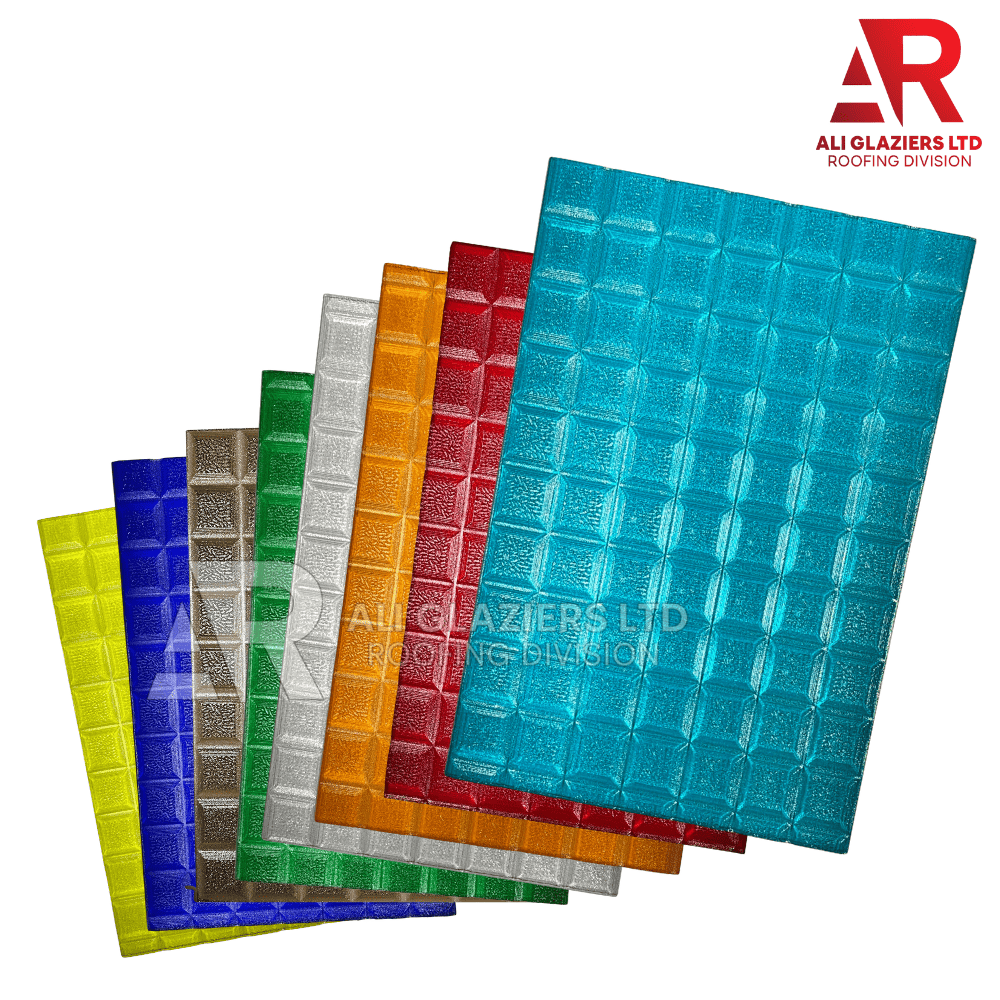
GRIDFLEX SOLID EMBOSSED POLYCARBONATE SHEETS
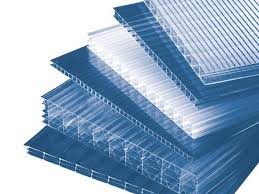
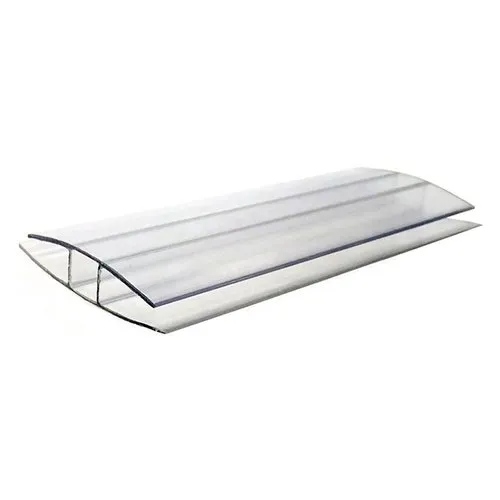
H-CONNECTOR FOR POLYCARBONATE SHEETS
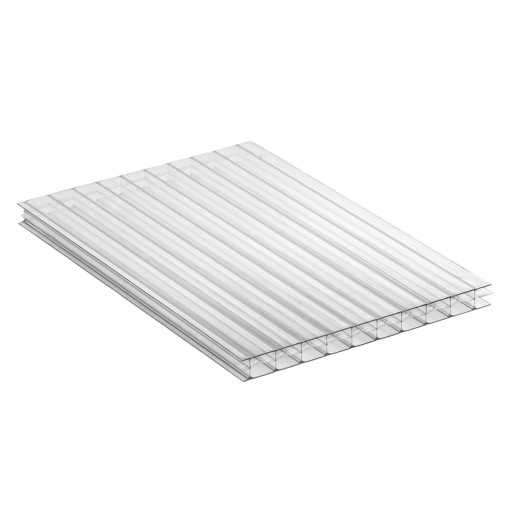
This guide explores the most suitable commercial roofing materials, their strengths and weaknesses, cost considerations, and why modern solutions like polycarbonate and coated steel systems are transforming industrial construction in Kenya.
Best Industrial roof systems Kenya for Warehouses and Industrial Buildings
Commercial roofing is not just about covering a structure—it is about performance under pressure.
Key requirements include:
- Long-span structural coverage
- Heat reduction and insulation
- Resistance to corrosion and chemical exposure
- High load durability (wind, dust, occasional debris)
- Low maintenance requirements
- Cost efficiency over large surface areas
Warehouses in Kenya often cover thousands of square meters, making material selection a major cost and engineering decision.
Best Roofing Materials for Warehouses in Kenya
1. High-Gauge Corrugated Iron Sheets (Mabati)
This is the most common industrial roof systems solution in Kenya due to affordability and availability.
Advantages:
- Cost-effective for large projects
- Easy installation
- Widely available across Kenya
Disadvantages:
- Prone to rust without proper coating
- Poor thermal insulation
- Can become noisy during rainfall
- Shorter lifespan in coastal regions
For industrial use, only high-gauge, zinc-aluminum coated sheets are recommended.
2. Stone-Coated Metal Roofing
This is a premium option increasingly used in commercial warehouses and corporate facilities.
Advantages:
- Excellent durability
- Aesthetic appeal
- Good weather resistance
Disadvantages:
- Higher cost
- Heavier structure requiring stronger support
- Longer installation time
3. Polycarbonate Commercial roofing (Modern Solution)
Polycarbonate roofing is becoming a game-changer in modern industrial architecture, especially for warehouses requiring natural lighting.
Advantages:
- High impact resistance (up to 200x stronger than glass)
- UV-stabilized to prevent yellowing
- Lightweight and easy to install
- Allows natural lighting, reducing electricity costs
- Ideal for skylights and partial warehouse roofing
Best use cases:
- Logistics warehouses
- Manufacturing plants
- Agro-processing facilities
- Industrial skylights and ventilation zones
4. Aluminium Roofing Systems
Aluminium is highly resistant to corrosion, making it ideal for coastal industrial zones like Mombasa.
Advantages:
- Rust-proof
- Lightweight
- Long lifespan
Disadvantages:
- Higher upfront cost
- Limited insulation properties unless treated
Comparison Table: Industrial roof systems Options in Kenya
| FeatureMabatiStone-Coated TilesAluminium RoofingPolycarbonate Roofing | ||||
| Cost | Low | High | High | Medium |
| Durability | Medium | High | Very High | Very High |
| Heat Control | Low | Medium | Medium | High (with design integration) |
| Light Transmission | None | None | None | High |
| Maintenance | Medium | Low | Very Low | Very Low |
| Best Use | Budget warehouses | Corporate buildings | Coastal industries | Modern industrial facilities |
How Climate Affects Commercial roofing in Kenya
Nairobi & Industrial Areas
- Moderate climate but high UV exposure
- Ideal for polycarbonate skylights and coated steel roofing
Mombasa & Coastal Zones
- High humidity and salt corrosion
- Aluminium and coated steel are preferred
Nakuru & Rift Valley
- Temperature fluctuations
- Requires thermally stable roofing systems
Kisumu & Western Kenya
- Heavy rainfall
- Waterproofing is critical
Athi River & Machakos Industrial Belt
- Dust-heavy environment
- Durable and easy-to-clean roofing systems required
Cost Factors for Industrial roof systems in Kenya
Commercial roofing costs depend on:
- Material type and gauge
- Total roof surface area
- Structural reinforcement requirements
- Installation complexity
- Insulation and coating technologies
While mabati is cheapest upfront, modern solutions like polycarbonate and coated aluminium often provide better long-term value due to reduced maintenance and energy savings.
Why Polycarbonate is Transforming Industrial roof systems
Modern warehouses in Kenya are increasingly integrating polycarbonate roofing systems for daylight harvesting.
Benefits include:
- Reduced electricity usage during daytime
- Improved interior working conditions
- Better visibility in storage and production areas
- Enhanced modern architectural appeal
This makes it ideal for logistics centers, factories, and agro-industrial facilities.
Common Mistakes in Commercial roofing Projects
- Choosing the cheapest material without lifecycle analysis
- Ignoring ventilation and heat buildup
- Using non-coated metal in coastal regions
- Underestimating structural load requirements
- Poor installation quality
Avoiding these mistakes significantly increases roof lifespan and efficiency.
Recommended Supplier for Industrial roof systems in Kenya
Ali Glaziers Roofing Division provides high-performance roofing systems tailored for industrial applications across Kenya.
Shop industrial solutions:
Frequently Asked Questions About Commercial roofing in Kenya
1. What is the best roofing material for warehouses in Kenya?
Polycarbonate and high-gauge coated steel are the most efficient options depending on use case.
2. Is mabati good for industrial buildings?
Yes, but only high-quality coated mabati is suitable for long-term industrial use.
3. Can polycarbonate be used for entire warehouses?
It is best used for skylights or partial roofing sections rather than full coverage.
4. What roofing is best for coastal warehouses?
Aluminium and anti-corrosion coated steel are ideal for Mombasa and coastal regions.
5. How long does industrial roof systems last?
High-quality systems can last 15–30+ years depending on material and maintenance.
Conclusion
Commercial roofing in Kenya requires a strategic balance between durability, cost, climate resistance, and functionality. From traditional mabati sheets to advanced polycarbonate systems, each material serves a specific purpose in warehouse and factory construction.
For modern industrial developers, combining coated steel roofing with polycarbonate daylight systems offers the best performance, energy efficiency, and structural longevity.
Ali Glaziers Roofing Division continues to support Kenya’s industrial growth by supplying high-quality, UV-stabilized, and durable roofing solutions designed for demanding environments.
Upgrade to Industrial-Grade Roofing with Ali Glaziers Today!
Whether you are constructing a logistics warehouse, manufacturing plant, or industrial complex, Ali Glaziers Roofing Division delivers reliable, modern roofing systems built for Kenya’s toughest environments.
Heavy-Duty Durability: Engineered for industrial load demands
UV & Corrosion Resistant: Built for Kenyan climate conditions
Energy Efficient: Polycarbonate solutions reduce lighting costs
Fast Delivery: Nationwide coverage including Nairobi, Mombasa, Kisumu, Nakuru, Eldoret, and industrial zones across Kenya
Visit Us: Funzi Road Branch: End of Funzi Road, Industrial Area – Ali Glaziers LTD Building, Nairobi.
Call/WhatsApp: +254 (0) 716 259 682 | +254 (0) 722 522 452
Email: info@aliglaziers.com
Shop Online: https://roofing.aliglaziers.com/shop/