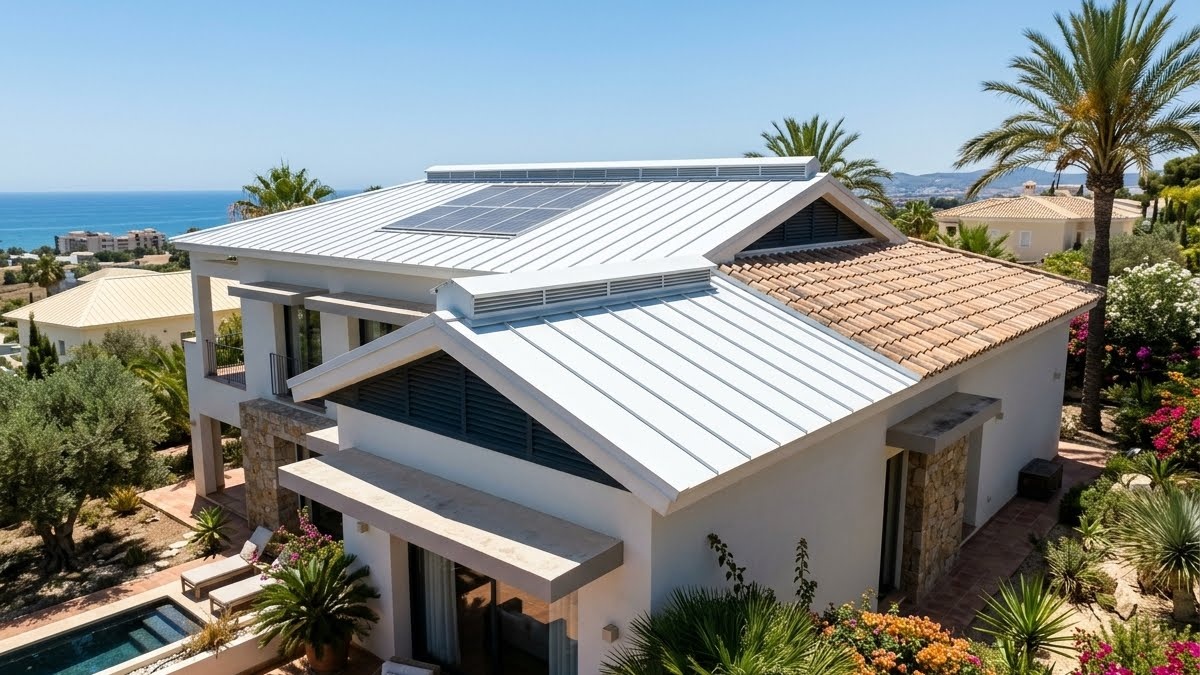
Hot climate roofing is essential in Kenya’s extreme heat and humidity. Discover durable, UV-resistant roofing materials that withstand sun, rain, and coastal weather while improving long-term building performance with Ali Glaziers Roofing solutions.
The Best Roofing Materials for Hot and Humid Climates: A Complete Guide for Kenya
Why Hot and Humid Climates Demand Smarter Roofing Choices
Living and building in a tropical and equatorial environment like Kenya presents unique architectural challenges. Intense solar radiation, prolonged humidity,hot climate roofing, seasonal heavy rains, and coastal salt exposure all combine to put roofing systems under constant stress.
In cities such as Nairobi, high daytime temperatures and UV exposure can quickly degrade low-quality roofing materials, leading to warping, cracking, and discoloration. In coastal regions like Mombasa, humidity and salty air accelerate corrosion in traditional metal roofing systems. Inland regions such as Kisumu, Nakuru, and Eldoret each present their own variations of heat stress, rainfall intensity, and seasonal weather shifts.
For homeowners, architects, contractors, and real estate developers, selecting the right roofing material is not just a design choice—it is a long-term investment in durability, energy efficiency, and structural protection.
Shop Solid Polycarbonate Sheets
View all Solid Polycarbonate Sheets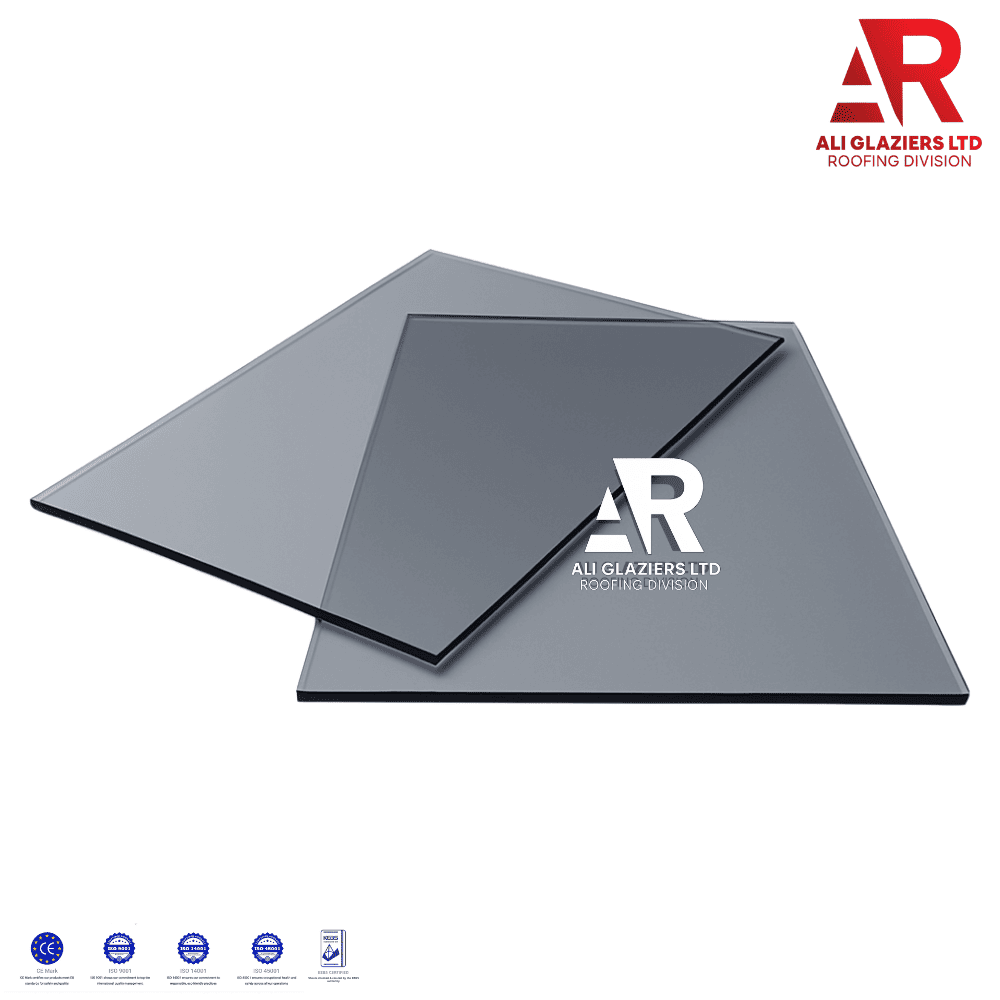
GREY SOLID POLYCARBONATE SHEETS
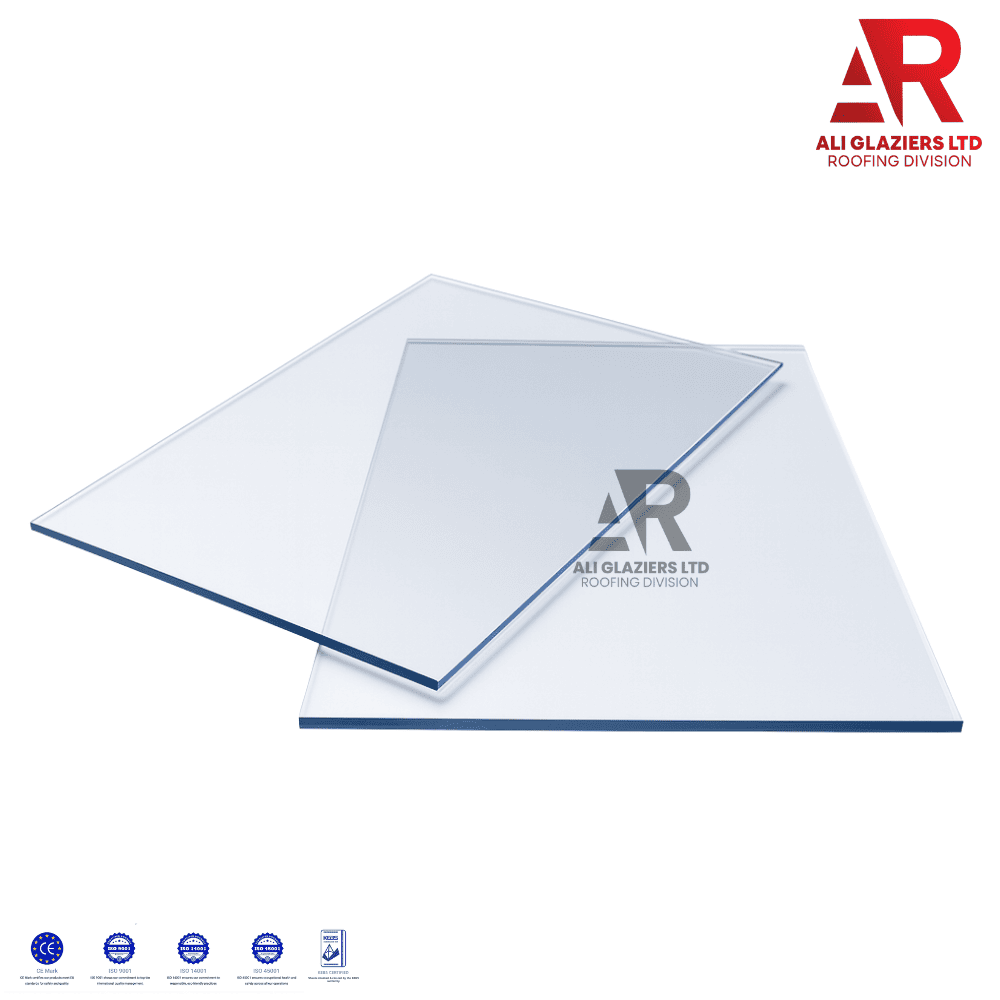
CLEAR SOLID POLYCARBONATE SHEETS
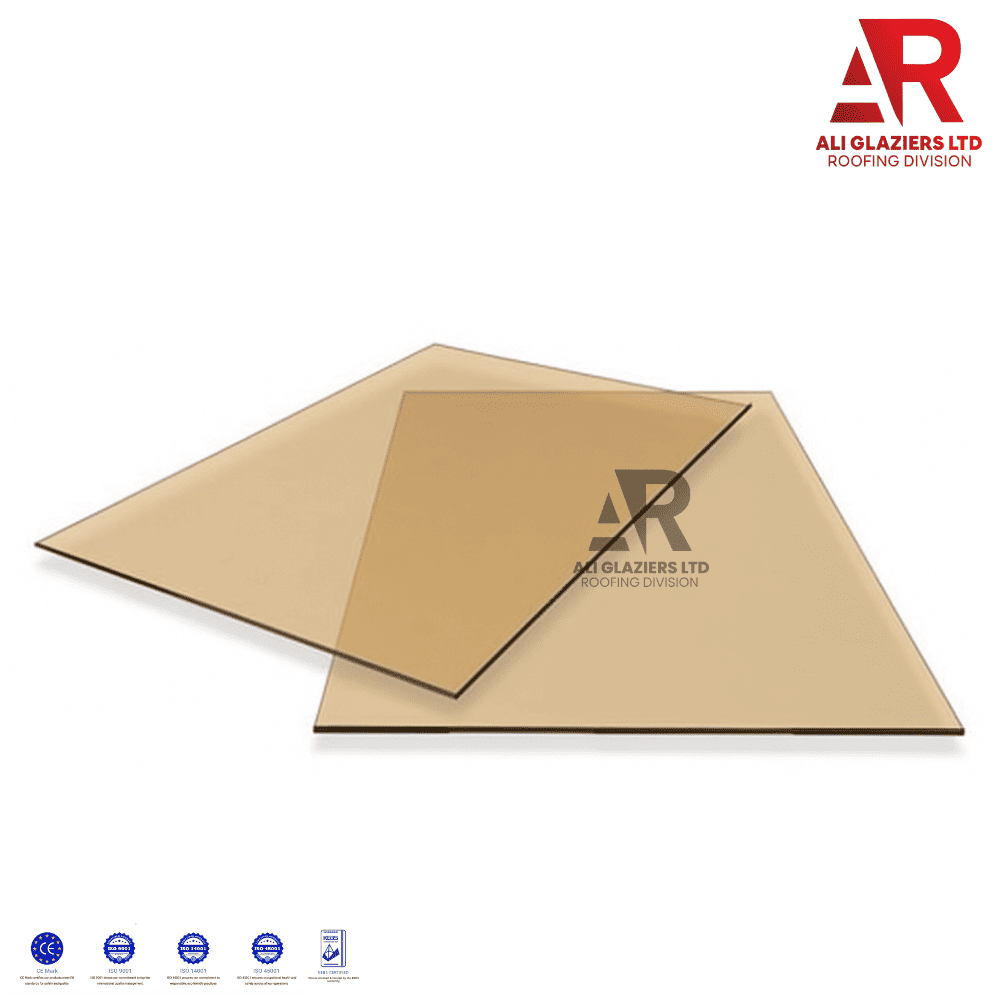
BRONZE SOLID POLYCARBONATE SHEETS
This guide explores the best roofing materials for hot and humid climates, focusing on performance, durability, cost-effectiveness, and suitability for Kenyan conditions. It also highlights why modern solutions like polycarbonate roofing from Ali Glaziers Roofing Division are redefining tropical architecture.
Explore roofing solutions here:
Understanding the Challenges of Hot climate roofing and Humid Roofing Environments
Before selecting a roofing material, it is important to understand the environmental pressures it must withstand in tropical climates.
1. Extreme UV Radiation
In equatorial regions, UV exposure is consistently high throughout the year. This leads to:
- Fading of roofing color
- Brittleness in plastics and low-grade materials
- Heat absorption and indoor overheating
2. High Humidity Levels
Humidity contributes to:
- Mold and mildew growth
- Corrosion in metal roofing
- Reduced lifespan of untreated materials
3. Heavy Rainfall and Storm Events
Tropical climates experience sudden, intense rainfall that can:
- Cause leaks in poorly sealed roofs
- Stress weak structural materials
- Lead to water pooling and long-term damage
4. Temperature Fluctuations
Even in hot climates, night-time cooling and seasonal changes cause expansion and contraction of roofing materials, leading to cracking if materials are not flexible enough.
Key Criteria for Choosing Materials hot climate roofing
When evaluating roofing options, professionals consider:
- Heat resistance (thermal insulation capability)
- UV stability
- Moisture resistance
- Durability under wind and rain
- Maintenance requirements
- Lifespan and cost efficiency
These criteria help determine which materials perform best in tropical environments.
Best Roofing Materials for Hot climate roofing and Humid Climates
1. Polycarbonate Roofing Sheets (Modern High-Performance Solution)
Among all modern roofing options, polycarbonate stands out as one of the most advanced materials for tropical climates.
Ali Glaziers Roofing Division supplies premium Egyptian-grade polycarbonate engineered specifically for African weather conditions.
Key benefits include:
- UV-stabilized protection against sun damage
- Lightweight yet extremely strong structure
- Heat diffusion for cooler interiors
- High impact resistance (up to 200x stronger than glass)
- Long-lasting transparency without yellowing
Explore product range:
Polycarbonate Roofing Sheets Category
Why It Works in Hot Climates
Polycarbonate reduces heat buildup while still allowing natural light transmission, making it ideal for patios, skylights, and commercial canopies.
2. Clay Roofing Tiles
Clay tiles are a traditional roofing material widely used in tropical and Mediterranean climates.
Advantages:
- Excellent thermal insulation
- Natural heat resistance
- Long lifespan when properly installed
Disadvantages:
- Heavy load requiring strong structural support
- Higher installation costs
- Fragility under impact
Clay tiles perform well in hot climates but are less flexible in modern architectural designs compared to lightweight solutions.
3. Concrete Roofing Tiles
Concrete tiles are durable and widely used in residential housing projects.
Advantages:
- Good thermal mass (keeps interiors cooler)
- Durable and fire-resistant
- Available in various styles
Disadvantages:
- Very heavy
- Can absorb moisture over time
- Requires strong roof framing
Concrete tiles are common in suburban developments across Nairobi but may not be ideal for lightweight modern structures.
4. Metal Roofing (Aluminum and Galvanized Steel)
Metal roofing remains popular due to affordability and strength.
Advantages:
- Strong and long-lasting
- Reflective coatings reduce heat absorption
- Lightweight compared to concrete tiles
Disadvantages:
- Can become extremely hot under direct sunlight
- Prone to corrosion in coastal areas like Mombasa if not properly coated
- Noise during heavy rainfall
Metal roofing is often improved with reflective coatings, but still struggles with long-term heat retention issues.
5. Green Roof Systems (Eco-Friendly Option)
Green roofs involve vegetation layers installed over waterproof membranes.
Advantages:
- Natural insulation against heat
- Improves air quality
- Reduces urban heat island effect
Disadvantages:
- High installation and maintenance costs
- Requires specialized structural design
- Water management complexity
While sustainable, green roofs are more common in high-end architectural projects.
Comparison Table: Roofing Materials for Hot climate roofing and Humid Climates
| MaterialHeat ResistanceDurabilityMaintenanceCostSuitability in Kenya | |||||
| Polycarbonate Sheets | Excellent | Very High | Low | Medium | Ideal for modern homes & commercial buildings |
| Clay Tiles | High | High | Medium | High | Traditional residential roofing |
| Concrete Tiles | Moderate | High | Medium | Medium-High | Suburban housing projects |
| Metal Roofing | Moderate | High | Medium | Low-Medium | Industrial & budget housing |
| Green Roofs | Excellent | High | High | Very High | Luxury eco-friendly buildings |
Why Polycarbonate Roofing Is Leading in Kenya’s Modern Architecture
Across Kenya’s rapidly growing urban centers, architects are shifting toward transparent and semi-transparent roofing systems.
In Nairobi’s commercial districts, polycarbonate roofing is widely used in:
- Shopping mall skylights
- Office atriums
- Residential pergolas
In coastal developments in Mombasa, it is valued for its corrosion resistance and ability to handle salty air without degradation.
In inland agricultural and industrial zones like Kisumu and Nakuru, it is used for:
- Greenhouses
- Warehouses
- Farm structures
Explore premium materials:
Cost Considerations for hot climate roofing
Roofing costs vary depending on:
- Material type
- Thickness and quality
- Installation complexity
- Structural reinforcement requirements
While metal roofing may appear cheaper initially, long-term maintenance and replacement costs often make it more expensive over time. Polycarbonate, though mid-range in cost, offers significantly better lifecycle value due to durability and minimal maintenance.
Installation Best Practices for Hot Climate Roofing
1. Thermal Expansion Planning
Materials must be installed with allowance for expansion and contraction due to heat.
2. Proper Ventilation Design
Roofing systems should allow airflow to reduce heat buildup.
3. UV Protection Layering
UV-resistant coatings or built-in stabilization is essential.
4. Waterproof Sealing
Especially important in tropical rain-heavy regions.
5. Professional Installation
Incorrect installation reduces lifespan even for high-quality materials.
Learn more about installation support:
About Ali Glaziers Roofing Division
Maintenance Tips for Long-Term Performance
- Clean roofing surfaces regularly to remove dust and algae
- Inspect sealing points after heavy rains
- Avoid abrasive cleaning tools
- Check for structural movement after extreme heat cycles
Proper maintenance can extend roofing lifespan significantly in humid climates.
Why Contractors and Developers Prefer Ali Glaziers Roofing Division
Ali Glaziers has established itself as a leading supplier of advanced roofing solutions in Kenya by offering:
- High-quality Egyptian polycarbonate materials
- UV-stabilized roofing technology
- Fast delivery across the country
- Technical consultation and installation guidance
- Reliable supply for large-scale projects
Explore more insights:
Frequently Asked Questions About Roofing in hot climate roofing and Humid Climates
1. What is the best roofing material for hot climates?
Polycarbonate roofing is one of the best due to its heat resistance, UV stability, and durability.
2. Does metal roofing work well in humid areas?
Yes, but only if properly coated. Otherwise, it can corrode in coastal regions like Mombasa.
3. Are clay tiles good for tropical weather?
Yes, they provide excellent insulation but are heavy and expensive.
4. How does polycarbonate roofing handle heat?
It diffuses heat while allowing natural light, keeping interiors cooler.
5. Is roofing in Kenya expensive?
Costs vary, but modern materials like polycarbonate offer long-term savings.
6. Can roofing materials handle heavy rains in Kenya?
Yes, if properly installed with waterproof sealing and drainage systems.
7. Which roofing lasts the longest in hot climates?
High-quality polycarbonate and treated metal roofing systems offer the longest lifespan.
Conclusion: Building Smarter for Hot and Humid Climates
Hot and humid climates demand roofing materials that go beyond aesthetics—they must deliver durability, thermal comfort, and long-term resilience.
From traditional clay tiles to modern metal systems, each material has its place. However, advanced solutions like polycarbonate roofing are redefining expectations in modern architecture across Kenya.
Whether in Nairobi’s urban skyline, Mombasa’s coastal developments, or the expanding towns of Kisumu, Nakuru, and Eldoret, the future of roofing is lightweight, UV-resistant, and engineered for performance.
Ali Glaziers Roofing Division continues to lead this transformation with innovative materials designed specifically for African climates.
Upgrade to Unbreakable Roofing with Ali Glaziers Today!
Whether you are an architect designing a modern mall, a contractor securing an industrial warehouse, or a homeowner upgrading your patio pergola, Ali Glaziers Roofing Division has the perfect solution for the Kenyan climate.
Virtually Indestructible: Polycarbonate materials that are 200x stronger than glass.
UV-Stabilized: Advanced technology to prevent yellowing and sun damage.
Fast & Reliable Delivery: Countrywide, same-day, and next-day delivery options across Nairobi, Mombasa, Kisumu, Nakuru, Eldoret, and beyond.
Ready to transform your roof with modern, transparent solutions?
Visit Us: Funzi Road Branch: End of Funzi Road, Industrial Area – Ali Glaziers LTD Building, Nairobi.
Call/WhatsApp: +254 (0) 716 259 682 | +254 (0) 722 522 452
Email: info@aliglaziers.com
Shop Online: https://roofing.aliglaziers.com/shop/