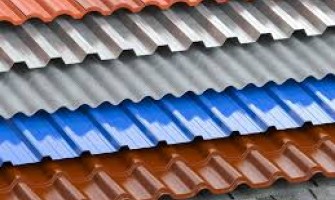
Explores the best roofing solutions for schools and institutions in Kenya, focusing on safety, durability, and comfort for learning environments. It highlights how modern materials like polycarbonate roofing are becoming the preferred choice due to their strength, UV protection, and ability to allow natural lighting in classrooms.
Why School Roofing Matters in Kenya
Choosing the best roofing for schools in Kenya is not just a construction decision—it is a safety, comfort, and long-term investment decision. Schools and institutions across Nairobi, Mombasa, Kisumu, Nakuru, and Eldoret require roofing systems that can withstand heavy rains, intense equatorial sun, wind pressure, and long-term structural use.
Poor roofing in educational buildings often leads to heat discomfort in classrooms, frequent maintenance disruptions, and even safety risks during storms. As a result, architects, contractors, and school boards are increasingly shifting toward modern roofing solutions that offer durability, natural lighting, and low maintenance.
This guide explores the most reliable best roofing for schools solutions, including modern materials like polycarbonate roofing, and compares them with traditional options to help institutions make informed decisions.
Shop Solid Polycarbonate Sheets
View all Solid Polycarbonate Sheets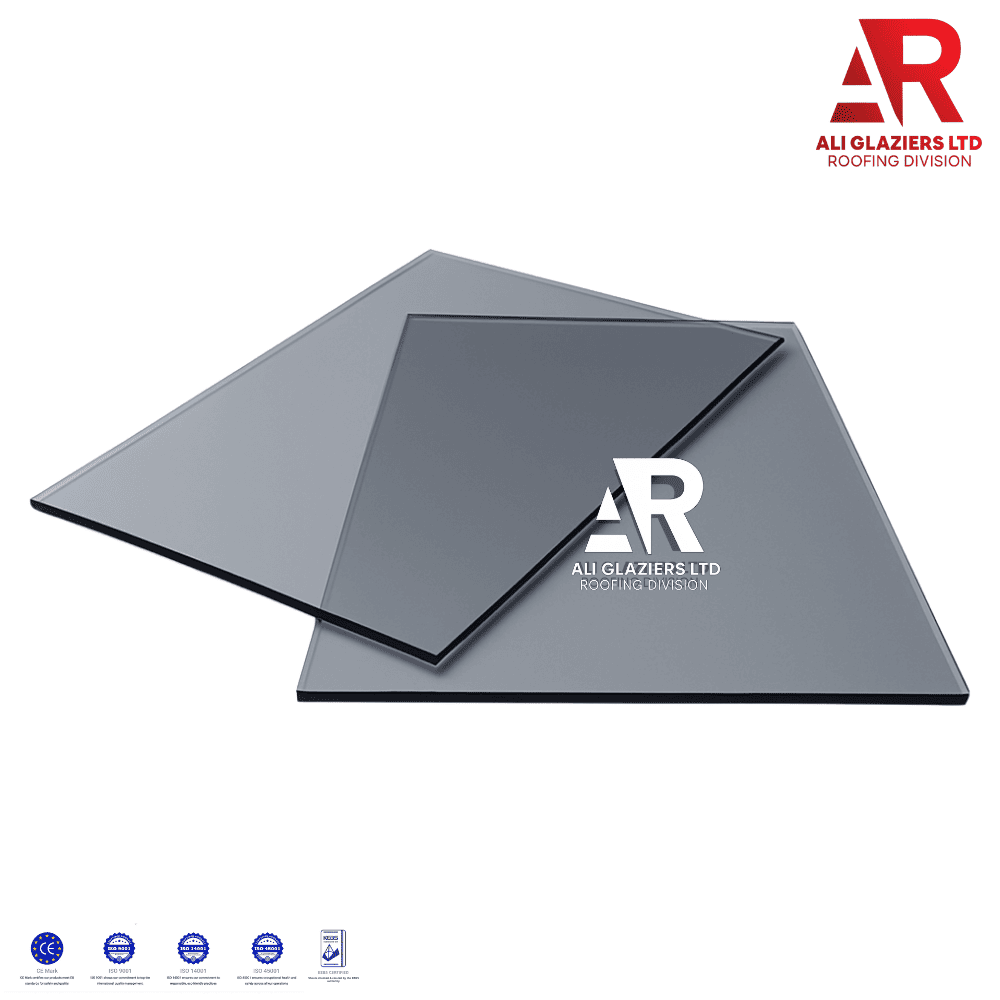
GREY SOLID POLYCARBONATE SHEETS
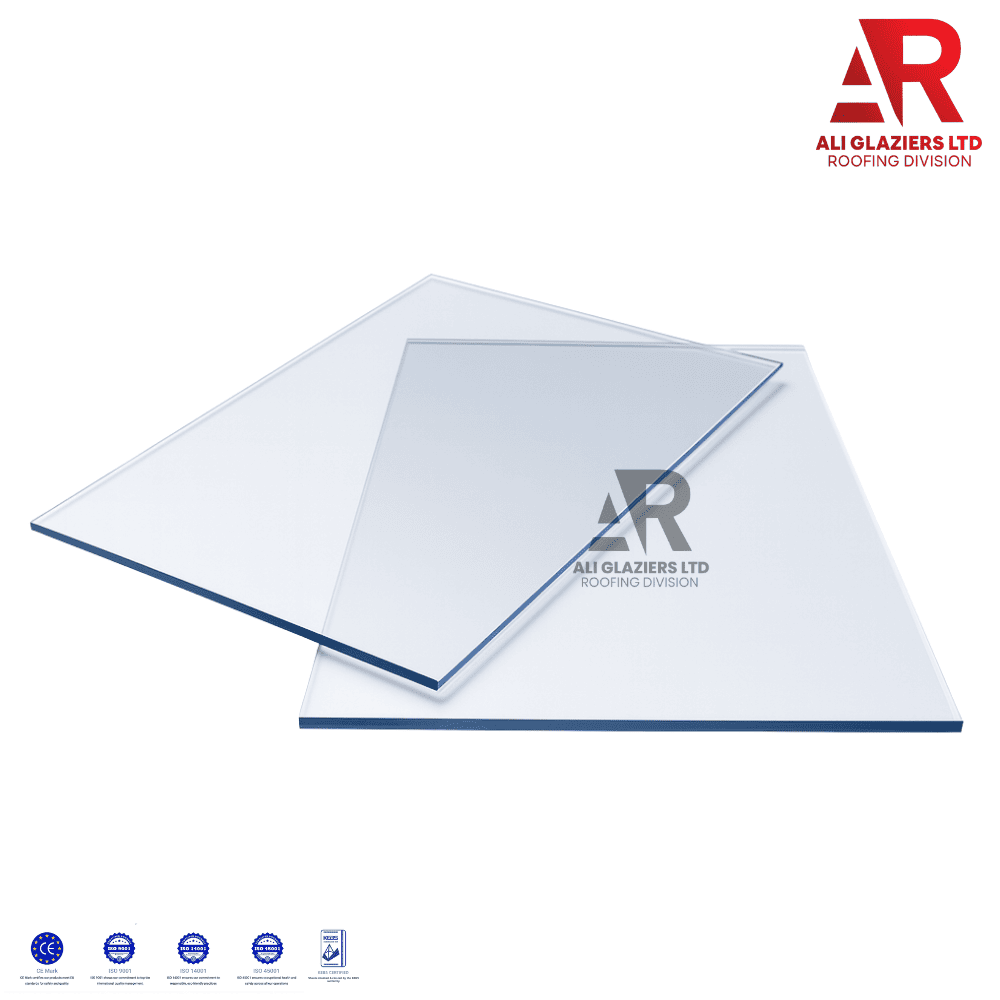
CLEAR SOLID POLYCARBONATE SHEETS
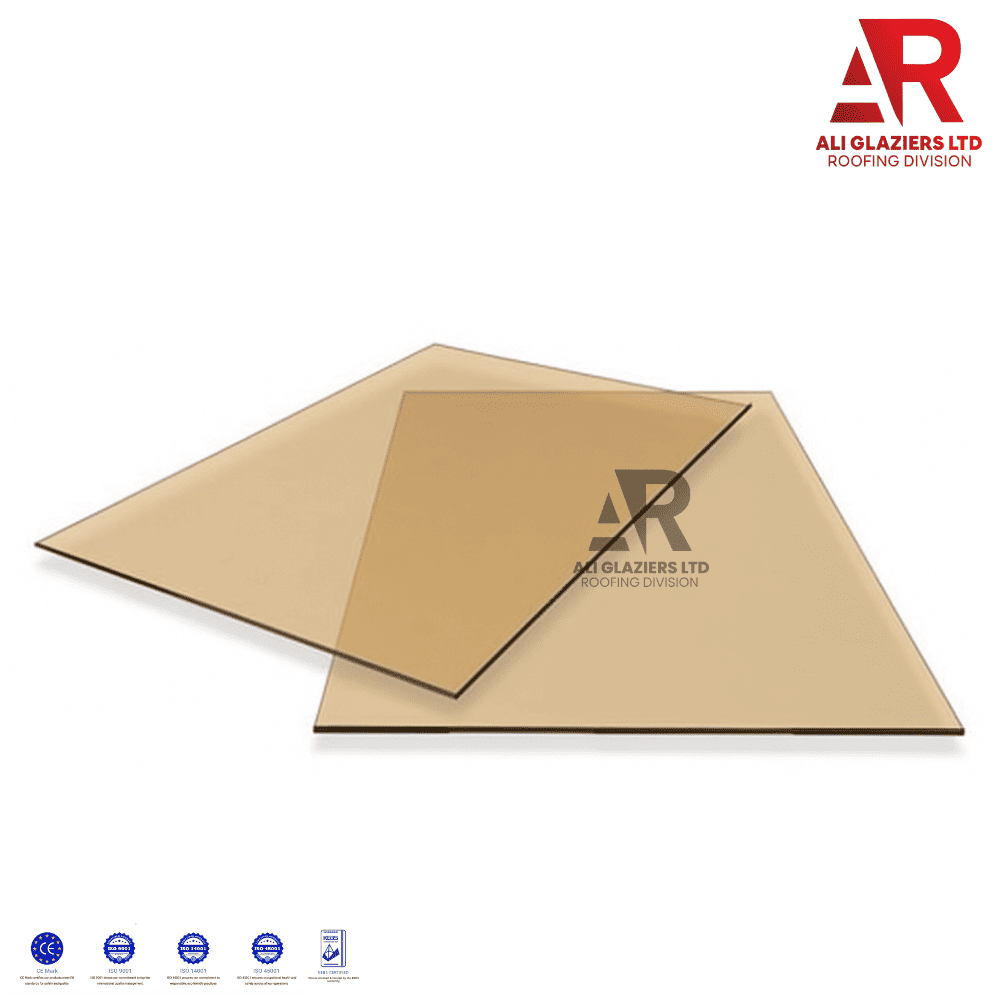
BRONZE SOLID POLYCARBONATE SHEETS
Key Requirements for School Roofing in Kenya
When designing or upgrading institutional roofing, several factors must be considered:
1. Safety and Structural Strength
School roofs must withstand:
- Heavy rainfall
- Strong winds
- Falling debris risks
- Long-term structural load
2. Heat Reduction and Comfort
Classrooms should remain cool even during peak afternoon heat in regions like Nairobi and Machakos.
3. Natural Lighting
Good roofing should allow daylight penetration to reduce electricity costs.
4. Low Maintenance Costs
Schools operate on limited budgets, so roofing should require minimal repairs.
5. Longevity
Institutional buildings require roofing that lasts 15–25+ years without frequent replacement.
Best Roofing Materials for Schools in Kenya
1. Polycarbonate Roofing (Top Recommended Solution)
Polycarbonate is increasingly becoming the leading choice for best roofing for schools and across Kenya due to its strength, safety, and transparency.
Key Advantages:
- 200x stronger than glass
- UV-stabilized for student safety
- High impact resistance
- Excellent natural lighting
- Lightweight for large structures
Featured institutional-grade options:
- Egyptian Solid Polycarbonate
- Egyptian Clear Solid Polycarbonate
- Bronze Extra Clear Polycarbonate Sheets
- Solid Color Polycarbonate Sheets
2. Corrugated Iron Sheets (Mabati)
Still widely used in schools due to affordability.
Advantages:
- Low initial cost
- Easy installation
Limitations:
- Poor heat insulation
- Rust over time
- High maintenance costs
3. Concrete Roofing (Flat Roof Systems)
Used in some institutions and universities.
Advantages:
- Very strong structure
- Long lifespan
Limitations:
- Expensive
- Poor thermal performance without insulation
- Complex repairs
Comparison Table: Best School Roofing in Kenya
| FeaturePolycarbonateMabatiConcrete Roof | |||
| Safety | Very High | Medium | High |
| Heat Control | Excellent | Poor | Moderate |
| Natural Lighting | High | None | None |
| Maintenance | Low | Medium | High |
| Durability | 15–25+ years | 10–15 years | 20–30 years |
| Cost Efficiency | High (long-term) | Medium | Low |
Why Polycarbonate is Ideal for Schools and Institutions
Modern schools require roofing that supports both learning and infrastructure efficiency.
1. Improved Learning Environment
Natural lighting improves concentration and reduces eye strain.
2. Reduced Electricity Costs
Less dependency on artificial lighting during the day.
3. Student Safety
UV-stabilized sheets prevent harmful radiation exposure.
4. Weather Resistance
Ideal for all Kenyan climates—from coastal humidity in Mombasa to dry heat in Garissa.
Applications in Educational Facilities
Primary and Secondary Schools
- Classroom roofing
- Assembly hall skylights
- Walkway covers
Universities and Colleges
- Lecture hall roofing
- Library skylights
- Auditorium roofing systems
Vocational Institutions
- Workshop roofing
- Training sheds
- Outdoor learning areas
Installation Considerations for School Roofing Projects
Step 1: Structural Assessment
Ensure the building frame can support chosen roofing material.
Step 2: Material Selection
Polycarbonate is recommended for modern educational environments.
Step 3: Safety Compliance
Ensure roofing meets structural safety standards.
Step 4: Professional Installation
Use certified installers to avoid leakage or misalignment.
Cost Considerations for School Roofing in Kenya
Costs vary based on:
- Material type
- Building size
- Design complexity
- Location (urban vs rural institutions)
Although polycarbonate may have a higher upfront cost, it reduces long-term maintenance and energy expenses significantly.
Maintenance Tips for Institutional Roofing
To extend roof lifespan:
- Clean skylights regularly
- Inspect after storms
- Replace damaged fasteners
- Avoid chemical damage during cleaning
Why Schools in Kenya Are Shifting to Modern Roofing
Across Nairobi, Kisumu, and Nakuru, institutions are adopting modern roofing because:
- Better student comfort
- Lower long-term costs
- Improved building aesthetics
- Compliance with modern architectural standards
Where to Get Institutional Roofing in Kenya
Ali Glaziers Roofing Division provides high-quality roofing solutions for schools and institutions across Kenya.
Shop roofing materials:
Frequently Asked Questions (FAQ)
1. What is the best roofing for schools in Kenya?
Polycarbonate roofing is the best due to safety, durability, and natural lighting benefits.
2. Is mabati suitable for schools?
Yes, but it is less efficient in heat control and requires more maintenance.
3. How long does school roofing last?
Modern roofing systems last 15–25 years depending on material.
4. Does polycarbonate roofing provide heat protection?
Yes, it is UV-stabilized and reduces heat buildup.
5. Is polycarbonate safe for students?
Yes, it is impact-resistant and safe for institutional use.
6. Can it be used in large school buildings?
Yes, it is ideal for classrooms, halls, and skylights.
7. Do you deliver across Kenya?
Yes, delivery is available nationwide including Nairobi, Mombasa, Kisumu, Nakuru, and Eldoret.
Conclusion: Building Better Learning Environments Through Better Roofing
The best roofing for schools in Kenya must balance safety, durability, cost-efficiency, and comfort. Modern materials like polycarbonate roofing are transforming educational infrastructure by providing natural lighting, thermal comfort, and long-lasting performance.
For schools, universities, and institutions looking to upgrade, investing in modern roofing is an investment in better learning environments and reduced long-term costs.
Ali Glaziers Roofing Division remains a trusted partner in delivering high-quality institutional roofing solutions across Kenya.
Upgrade to Unbreakable Roofing with Ali Glaziers Today!
Whether you are an architect designing a modern school, a contractor building institutional facilities, or a developer upgrading educational infrastructure, Ali Glaziers Roofing Division has the perfect solution for the Kenyan climate.
✔ Virtually Indestructible: Polycarbonate materials that are 200x stronger than glass. ✔ UV-Stabilized: Advanced technology to prevent yellowing and sun damage. ✔ Fast & Reliable Delivery: Countrywide, same-day, and next-day delivery options across Nairobi, Mombasa, Kisumu, Nakuru, Eldoret, and beyond.
Ready to transform institutional roofing with modern solutions?
Visit Us: Funzi Road Branch: End of Funzi Road, Industrial Area – Ali Glaziers LTD Building, Nairobi.
Call/WhatsApp: +254 (0) 716 259 682 | +254 (0) 722 522 452
Email: info@aliglaziers.com
Shop Online: https://roofing.aliglaziers.com/shop/