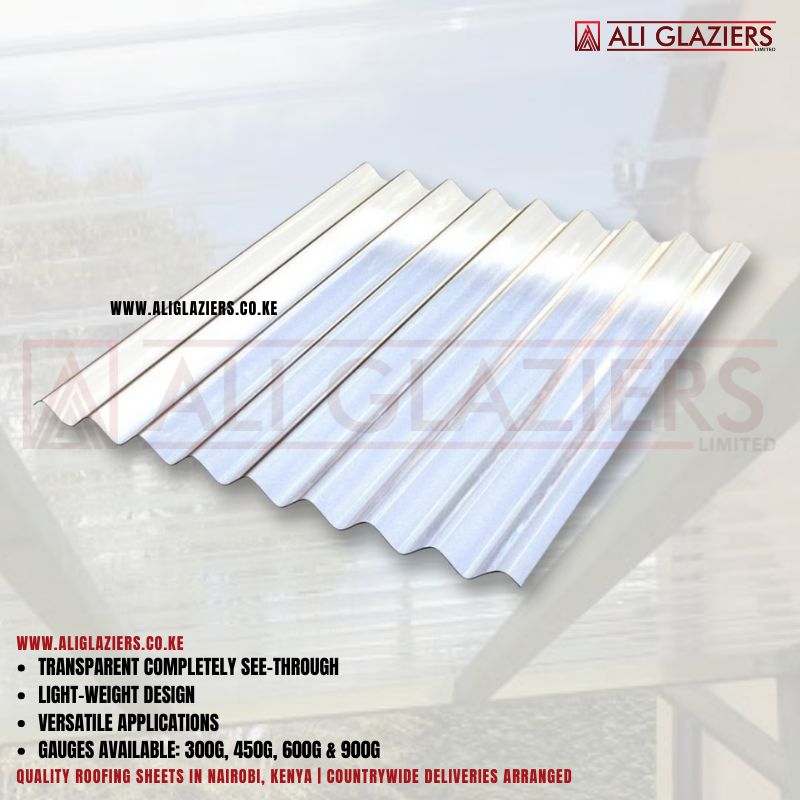
Wondering if you can install a new roof over an old one? Discover the pros and cons of a roof overlay and when to use modern roofing installation products versus full roof replacement in Kenya.
Can You Put a New Roof Over an Old One? Pros and Cons in Kenya
The Big Question in Roofing Renovations
When upgrading or repairing a building in Kenya, one of the most common questions homeowners and contractors ask is: Can you install a new roof over an existing one?
This process, known as a roof overlay, is often seen as a cheaper and faster alternative to full roof replacement. It is especially common in residential estates across Nairobi, Mombasa, Kisumu, Nakuru, and Eldoret where homeowners want to minimize disruption and reduce labor costs.
However, while a roof overlay may seem convenient, it is not always the best long-term solution. Kenya’s climate—characterized by heavy rains, strong UV exposure, and coastal humidity—means roofing decisions must be made carefully to avoid future structural problems.
Shop Solid Polycarbonate Sheets
View all Solid Polycarbonate Sheets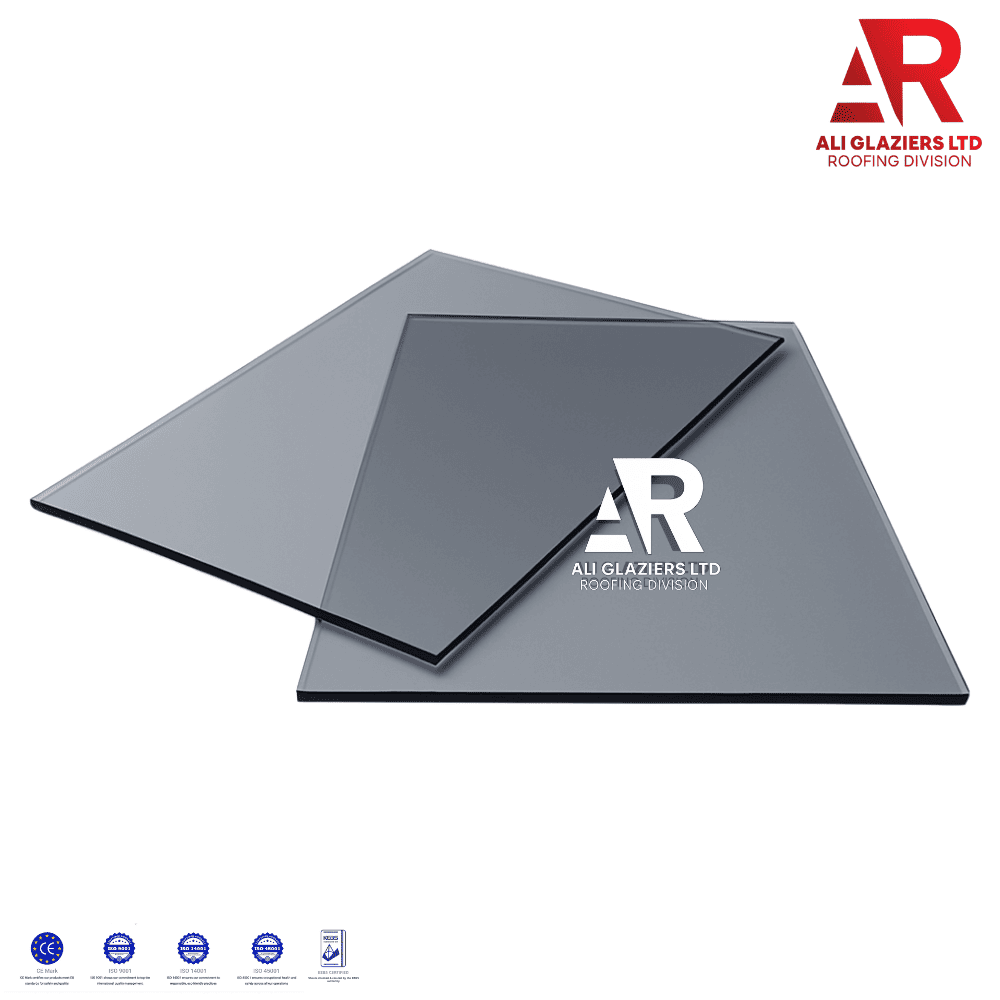
GREY SOLID POLYCARBONATE SHEETS
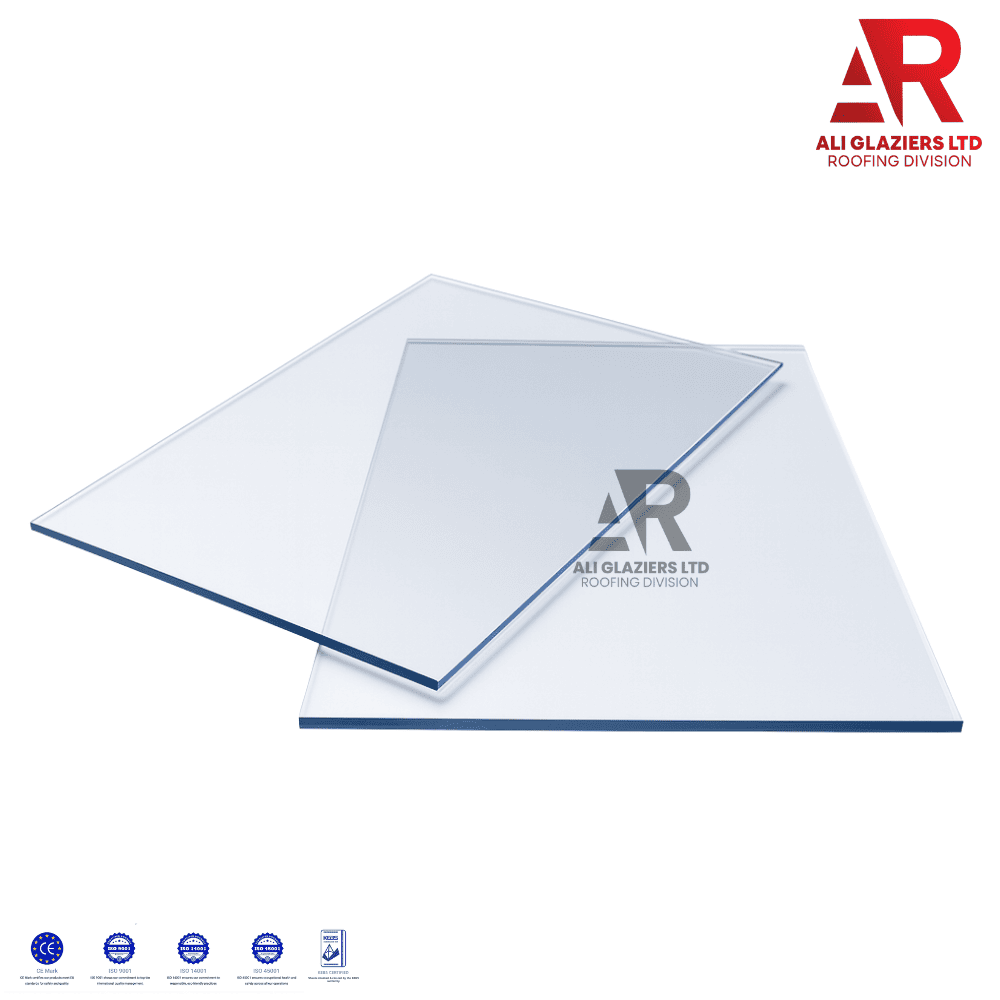
CLEAR SOLID POLYCARBONATE SHEETS
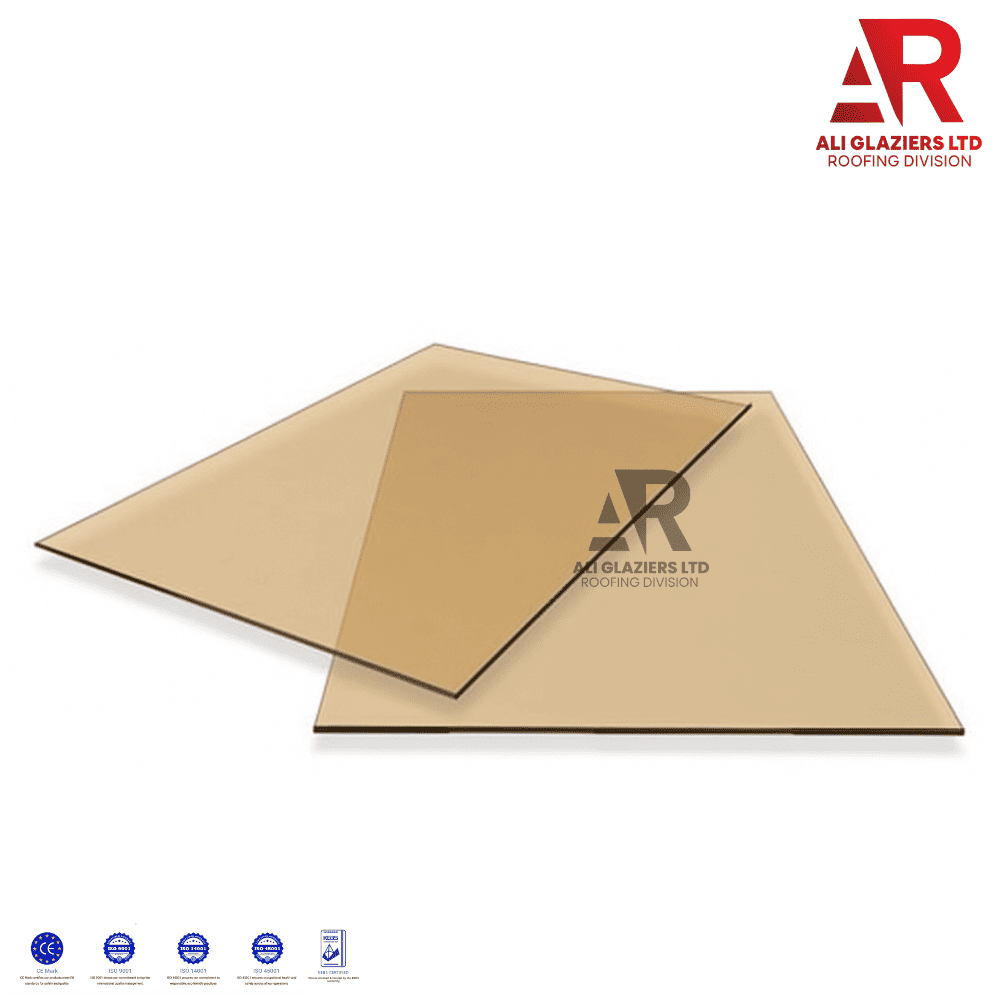
BRONZE SOLID POLYCARBONATE SHEETS
This guide explores the advantages, disadvantages, and professional recommendations for installing new roofing products over old roofing systems.
What Is a Roof Overlay?
A roof overlay refers to installing a new layer of roofing material directly over an existing roof without removing the old one.
In Kenya, this is commonly done using:
- Metal roofing sheets (mabati)
- Polycarbonate roofing sheets
- Lightweight aluminum systems
Instead of tearing off the old roof, contractors place new roofing materials on top, reducing labor and disposal costs.
You can explore modern roofing options here:
Polycarbonate roofing sheets in Kenya
When Is a Roof Overlay Possible?
A roof overlay is only suitable in specific conditions:
1. Structural Integrity Is Still Strong
The existing roof framework must be strong enough to support additional weight.
2. No Severe Rot or Corrosion
If the old roof has rust, leaks, or decay, overlaying is not recommended.
3. Building Codes Allow It
Some construction guidelines require full removal before replacement.
4. Lightweight New Roofing Materials Are Used
Modern materials like polycarbonate are often better suited for overlays.
Pros of Installing a New Roof Over an Old One
1. Lower Installation Costs
One of the biggest advantages is reduced cost:
- No tear-off labor required
- Less disposal of old materials
- Faster project completion
This makes it attractive for budget-conscious property owners in Nairobi and other urban areas.
2. Faster Project Completion
Since the old roof remains in place:
- Work time is reduced significantly
- Less disruption to occupants
- Ideal for commercial buildings that cannot shut down
3. Added Insulation Layer
The old roof can act as an extra insulation layer:
- Reduced heat transfer
- Better indoor temperature control
- Improved sound insulation during rain
4. Reduced Construction Waste
Keeping the old roof reduces:
- Environmental waste
- Transportation costs
- Disposal challenges
This aligns with more sustainable construction practices.
Cons of Installing a New Roof Over an Old One
1. Hidden Structural Problems
The biggest risk is that hidden damage remains:
- Rotting timber beams
- Rusted metal sheets
- Water-damaged insulation
Covering these issues can make them worse over time.
2. Added Weight Load
Even lightweight roofing materials add extra weight.
In Kenya, older houses may not have been designed to carry:
- Double roofing layers
- Additional wind load stress
This can lead to long-term structural strain.
3. Reduced Lifespan of New Roof
If the base roof is damaged:
- Moisture can get trapped
- Ventilation is reduced
- New roof deteriorates faster
This reduces the return on investment.
4. Difficult Future Repairs
Once a roof overlay is installed:
- Inspecting the original roof becomes harder
- Repairs require removing both layers
- Leak detection becomes more complicated
5. Not Suitable for All Roofing Materials
Some modern systems require proper ventilation and structural spacing.
For example, high-performance systems like:
often perform better when installed on properly prepared frameworks rather than old roofs.
Comparison Table: Roof Overlay vs Full Roof Replacement
| FeatureRoof OverlayFull Roof Replacement | ||
| Cost | Lower upfront cost | Higher upfront cost |
| Speed | Fast installation | Slower process |
| Durability | Depends on old roof condition | Long-lasting |
| Risk Level | Higher risk of hidden damage | Low risk |
| Maintenance | More complicated | Easier long-term maintenance |
| Structural Safety | May be compromised | Fully assessed and safe |
Best Roofing Materials for Overlays in Kenya
If an overlay is necessary, lightweight and durable materials are best:
1. Polycarbonate Roofing Sheets
Highly recommended for overlays due to:
- Lightweight structure
- High impact resistance
- UV protection
Explore options at:
2. Lightweight Metal Sheets
Modern coated sheets reduce corrosion risk and add durability.
3. Hybrid Transparent Roofing Systems
Used in skylights and patios for natural lighting enhancement.
When You Should NOT Do a Roof Overlay
Avoid roof overlays if:
- The roof is leaking heavily
- There is visible structural sagging
- The building is older than 20+ years
- There is termite or rot damage
- You want a long-term permanent solution
In such cases, full replacement is the safer option.
Expert Recommendation for Kenyan Homes
Given Kenya’s climate conditions—intense sun, heavy rains, and coastal humidity—roof overlays should be used cautiously.
For most homeowners in Nairobi, Kisumu, Mombasa, and Nakuru:
- Full roof replacement is often more cost-effective long-term
- Polycarbonate systems offer better durability and energy efficiency
- Proper installation ensures longer lifespan and fewer repairs
Frequently Asked Questions About Roof Overlay in Kenya
1. Can you put a new roof over an old one in Kenya?
Yes, but only if the old roof is structurally sound and free from major damage.
2. Is roof overlay cheaper than replacement?
Yes, initially it is cheaper, but may cost more long-term if issues are hidden.
3. What is the best material for roof overlay?
Lightweight materials like polycarbonate sheets are ideal.
4. Does roof overlay reduce leaks?
Not always—existing leaks may continue underneath the new roof.
5. How long does a roof overlay last?
It depends on the condition of the old roof and materials used, typically 5–15 years.
Conclusion: Should You Install a New Roof Over an Old One?
A roof overlay can be a practical short-term solution, but it is not always the best long-term investment. While it saves time and money upfront, it may hide structural issues and reduce the lifespan of your new roofing system.
For homeowners and developers in Kenya seeking durability, safety, and modern performance, a properly planned roof replacement using high-quality roofing installation products is often the smarter choice.
Ali Glaziers Roofing Division provides premium roofing solutions designed for Kenya’s demanding climate, ensuring strength, beauty, and long-term value.
Upgrade to Unbreakable Roofing with Ali Glaziers Today!
Whether you are an architect designing a modern mall, a contractor securing an industrial warehouse, or a homeowner upgrading your patio pergola, Ali Glaziers Roofing Division has the perfect solution for the Kenyan climate.
Virtually Indestructible: Polycarbonate materials that are 200x stronger than glass.
UV-Stabilized: Advanced technology to prevent yellowing and sun damage.
Fast & Reliable Delivery: Countrywide, same-day, and next-day delivery options across Nairobi, Mombasa, Kisumu, Nakuru, Eldoret, and beyond.
Ready to transform your roof with modern, transparent solutions?
Visit Us: Funzi Road Branch: End of Funzi Road, Industrial Area – Ali Glaziers LTD Building, Nairobi.
Call/WhatsApp: +254 (0) 716 259 682 | +254 (0) 722 522 452
Email: info@aliglaziers.com
Shop Online: https://roofing.aliglaziers.com/shop/