
Double glazed units Kenya guide: compare thermal insulation, acoustic performance, Low-E glass, solar control and DGU facade options for buildings.
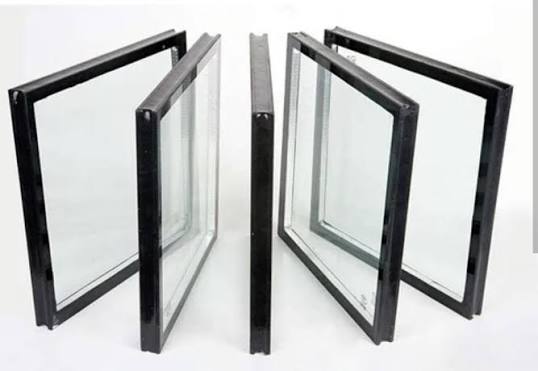
Double-glazed units in Kenya can improve thermal comfort, reduce external noise and increase energy efficiency in buildings with glazed facades, windows and selected roof applications. Also known as insulated glass units (IGUs), DGUs consist of two panes separated by a sealed cavity that improves the insulating performance of the glazing.
What Are Double-Glazed Units?
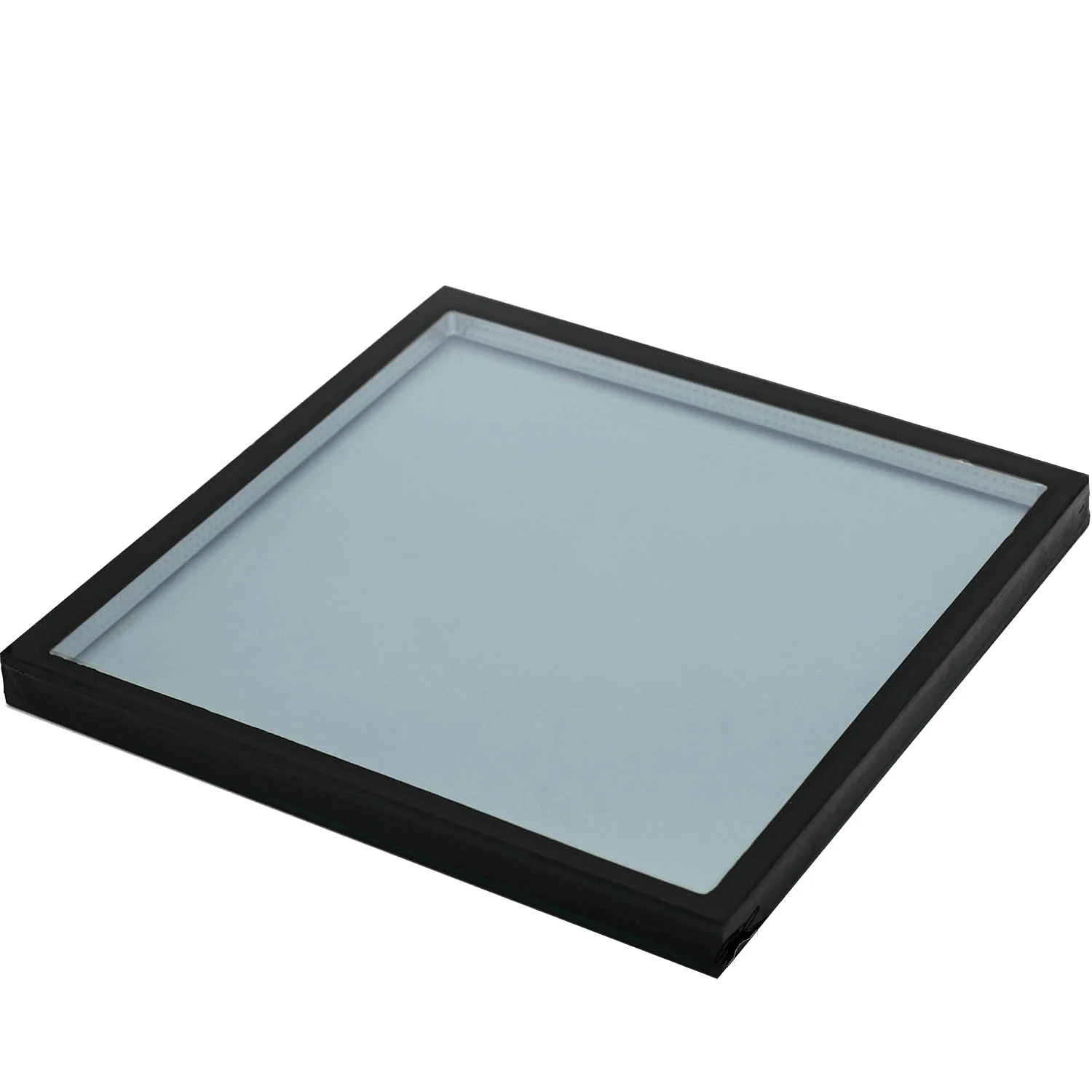
A double-glazed unit consists of two glass panes separated by a spacer and sealed around the perimeter to create an insulating cavity.
The cavity may contain:
Shop Structural Glazing
View all Structural Glazing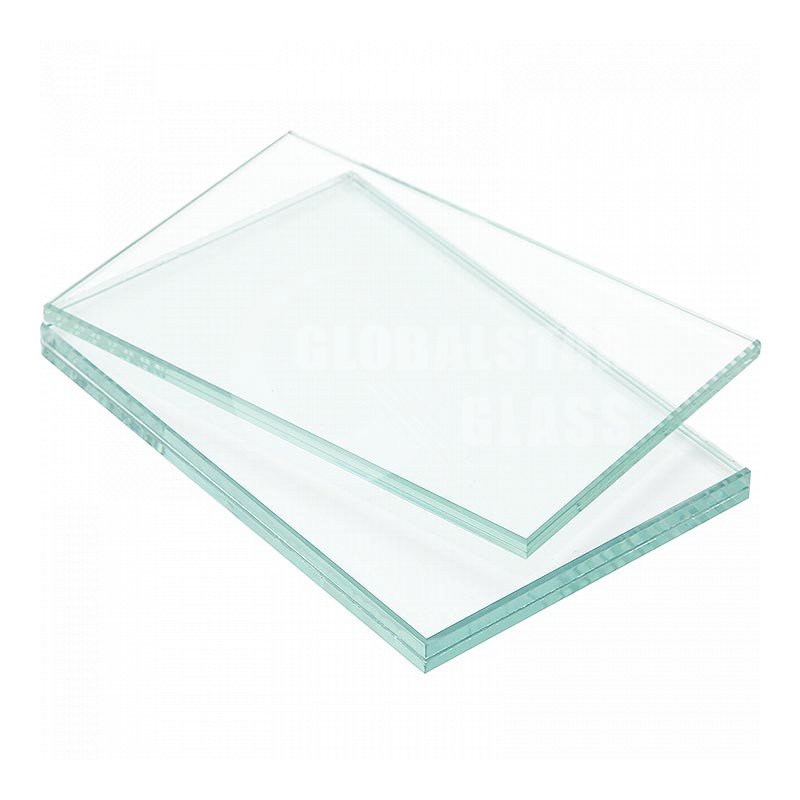
Laminated Safety Glass - 6.38mm

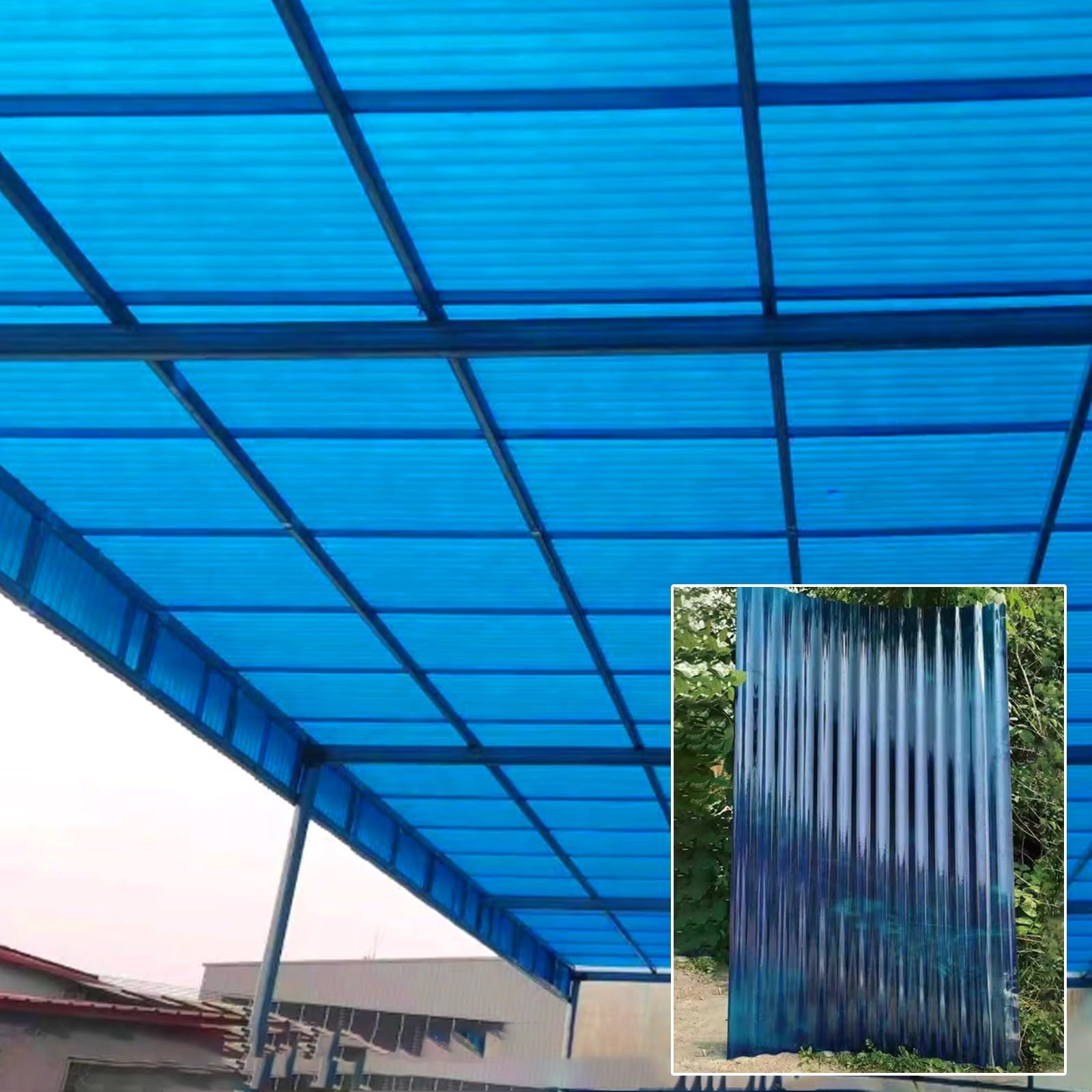
Snap-Fix Glazing Bar System - 3m
- Air
- Argon or another insulating gas
- A spacer system
- A moisture-absorbing desiccant
- Perimeter seals
The complete unit is manufactured as a sealed assembly rather than simply placing two separate panes of glass into a frame.
Why Use Double Glazed Units in Kenya?
Double glazing can be valuable where a building needs better temperature control, reduced external noise or improved comfort around large areas of glazing.
Potential benefits include:
- Reduced heat transfer
- Better indoor comfort
- Lower cooling demand in suitable buildings
- Improved acoustic performance
- Reduced internal surface condensation
- Greater flexibility in facade design
The value depends on the glass specification, frame system, building orientation and local conditions.
Thermal Performance of DGU Facades
A DGU facade can reduce heat transfer through glazing compared with many single-glazed configurations, helping the building maintain a more stable internal temperature.
Performance depends on factors such as:
- Glass type
- Cavity width
- Gas fill
- Low-E coating
- Spacer
- Frame
- Solar orientation
Double glazing should therefore be specified as a complete facade system.
Double Glazing and Solar Heat
Double glazing does not automatically mean a building will remain cool; solar-control glass may be required where direct sunlight creates significant heat gain.
For buildings exposed to strong sunlight, consider:
- Solar-control coatings
- Low-E coatings
- Glass tint
- External shading
- Internal shading
- Building orientation
The objective is to balance useful daylight with unwanted solar heat.
What Is an Insulated Glass Unit?
An insulated glass unit is the technical term for a sealed glazing assembly containing two or more panes separated by an insulating cavity.
A typical two-pane IGU has:
Glass + spacer + cavity + spacer + glass
The sealed cavity provides much of the thermal insulation.
Triple glazing adds another pane and cavity where higher performance is required.
DGU Facade Design
DGU facade systems require coordination between the glass unit, framing system, seals, drainage and structural support.
The facade designer should consider:
- Glass dimensions
- Unit weight
- Frame capacity
- Wind loading
- Thermal movement
- Drainage
- Seal compatibility
- Installation tolerances
Large glazed facades require particularly careful structural planning.
Acoustic Benefits of Double Glazing
Double glazing can reduce external noise, but acoustic performance depends heavily on the thickness, spacing and construction of the glass rather than simply the number of panes.
Potential applications include buildings near:
- Busy roads
- Airports
- Industrial areas
- Commercial centres
- Schools
- Urban streets
For demanding acoustic applications, laminated or asymmetrical glass combinations may provide better results than two identical panes.
Does Double Glazing Stop Noise?
Double glazing can reduce noise transmission but should not be treated as a universal soundproofing solution.
Acoustic performance is affected by:
- Glass thickness
- Pane asymmetry
- Cavity width
- Laminated acoustic glass
- Frame design
- Air leakage
- Wall construction
A high-performance glass unit installed in a poorly sealed frame may deliver disappointing results.
Double Glazing for Kenyan Urban Buildings
Urban buildings can benefit from DGUs where traffic, construction and other external noise affect indoor comfort.
Potential applications include:
- Apartments
- Hotels
- Offices
- Hospitals
- Schools
- High-end homes
- Commercial buildings
The appropriate specification should be based on the actual noise environment.
Double-Glazed Units on Roofs
Roof glazing presents different thermal, structural and solar-control challenges from vertical facade glazing.
Roof-mounted glazing can receive significant direct solar exposure and may require:
- Solar-control glass
- Laminated safety glass
- Appropriate structural support
- Drainage
- Waterproofing
- Careful frame detailing
Roof glazing should be designed specifically for its orientation and exposure.
DGU Roof Safety
Roof glazing must be selected and installed according to the structural and safety requirements of its location, particularly where glass is overhead.
Consider:
- Impact resistance
- Safety glazing
- Wind loading
- Glass weight
- Support conditions
- Breakage behaviour
- Maintenance access
The correct glass composition should be established by the project designer or engineer.
Low-E Glass and Double Glazing
Low-E coatings can improve the thermal performance of a DGU by reducing radiant heat transfer through the glazing.
Low-E glass can be selected for different performance objectives, including:
- Improved insulation
- Solar control
- Daylight transmission
- Reduced heat gain
The coating position within the insulated glass unit is part of the technical specification.
Double Glazing and Condensation
Double glazing can reduce condensation on the inside surface of glass by keeping the interior pane warmer, although it cannot eliminate condensation under every condition.
Condensation can still occur when:
- Indoor humidity is high
- Ventilation is poor
- Indoor temperatures are low
- Frames create thermal bridges
- Glass performance is inadequate
Good ventilation remains important.
Spacer Bars and Thermal Performance
The spacer around the edge of a DGU influences both thermal performance and condensation risk at the perimeter of the glass.
Modern warm-edge spacers can reduce heat transfer through the edge of the unit compared with some conventional metal spacers.
When comparing products, consider the complete unit rather than focusing only on the glass panes.
DGU Frames Matter Too
The glass unit cannot deliver its full potential if the surrounding frame has poor thermal or air-tightness performance.
Frame options can include:
- Aluminium
- uPVC
- Timber
- Composite systems
Thermally broken aluminium frames are often considered where improved thermal performance is required.
Aluminium Frames and Double Glazing
Aluminium is widely used in commercial facades because it combines strength, durability and relatively low maintenance, but thermal breaks are important when thermal performance is a design priority.
A properly specified system should consider:
- Thermal break
- Frame depth
- Glass thickness
- Drainage
- Gaskets
- Structural loading
The frame and DGU should be compatible as a tested system where applicable.
Double Glazing and Daylight
DGUs can provide large glazed areas while maintaining better thermal performance than many basic single-glazing configurations.
However, daylight performance depends on:
- Glass clarity
- Coatings
- Tint
- Pane thickness
- Frame size
- Window orientation
Reducing heat gain should not unnecessarily compromise the required daylight level.
Are Double-Glazed Units Worth the Cost?
DGUs are most likely to justify their additional cost where thermal comfort, acoustic performance, large glazed areas or energy performance are important project priorities.
They may be particularly worthwhile for:
- Premium residences
- Hotels
- Offices
- Hospitals
- High-rise buildings
- Buildings in noisy locations
- Large glazed facades
For a small, lightly glazed building, the payback may be less compelling.
What Determines DGU Cost?
The price of a double-glazed unit depends on the glass composition and overall system specification rather than simply the fact that it is double glazed.
Cost can be affected by:
- Glass thickness
- Glass type
- Low-E coating
- Solar-control coating
- Gas fill
- Spacer type
- Laminated glass
- Tempered glass
- Unit dimensions
- Frame system
- Installation complexity
A like-for-like specification is essential when comparing quotations.
Double Glazing for Coastal Kenya
Buildings near the coast require careful consideration of corrosion resistance in the frame, hardware and facade components because of humid and salt-laden conditions.
Consider:
- Aluminium finish
- Fasteners
- Hardware
- Sealants
- Drainage
- Maintenance
The glazing unit itself is only one part of the facade system.
Double Glazing in Hot Areas
In hotter parts of Kenya, solar-control performance can be as important as insulation when specifying DGUs.
A suitable design may combine:
DGU + solar-control glass + shading + ventilation + appropriate orientation
Using highly insulating glass without addressing direct solar exposure may not solve overheating.
Double Glazing in Noisy Areas
For buildings exposed to significant external noise, acoustic glass combinations should be evaluated rather than assuming that every DGU provides the same sound reduction.
Consider:
- Different pane thicknesses
- Laminated acoustic glass
- Larger cavities
- Airtight frames
- Proper installation
An acoustic consultant can establish the required performance for particularly sensitive projects.
Common DGU Specification Mistakes
Choosing a DGU based only on thickness or price can result in a system that does not deliver the required thermal or acoustic performance.
Common mistakes include:
Assuming All DGUs Perform the Same
Glass composition and coatings make a major difference.
Ignoring the Frame
Poor frame performance can undermine the glazing specification.
Selecting Glass Without Considering Orientation
Solar exposure varies significantly by facade and roof position.
Focusing Only on Thermal Performance
Noise may be the primary concern in some locations.
Poor Installation
Incorrect seals, drainage and alignment can compromise performance.
Ignoring Maintenance
Frames, seals, drainage channels and hardware still require inspection.
DGU Buying Checklist
Before ordering double-glazed units, confirm the complete technical specification rather than requesting "double glazing" alone.
- Glass thickness specified
- Glass type confirmed
- Low-E requirement assessed
- Solar-control requirement assessed
- Acoustic target established
- Cavity specification confirmed
- Gas fill specified where applicable
- Spacer type confirmed
- Frame system selected
- Thermal performance assessed
- Wind loading considered
- Safety glazing requirements checked
- Drainage detailed
- Installation method confirmed
- Warranty and manufacturer documentation reviewed
Final Thoughts
Double-glazed units in Kenya can provide meaningful thermal and acoustic benefits, but their value depends on the complete glazing specification. Glass type, coatings, cavity, spacer, frame, orientation and installation all influence the final performance.
For facades, the goal is to balance:
Thermal performance + acoustic control + daylight + solar control
For roof glazing, add:
Structural safety + waterproofing + drainage + overhead glazing requirements
A properly specified DGU can be a valuable upgrade, particularly where a building has large glazed areas, strong solar exposure or significant external noise.