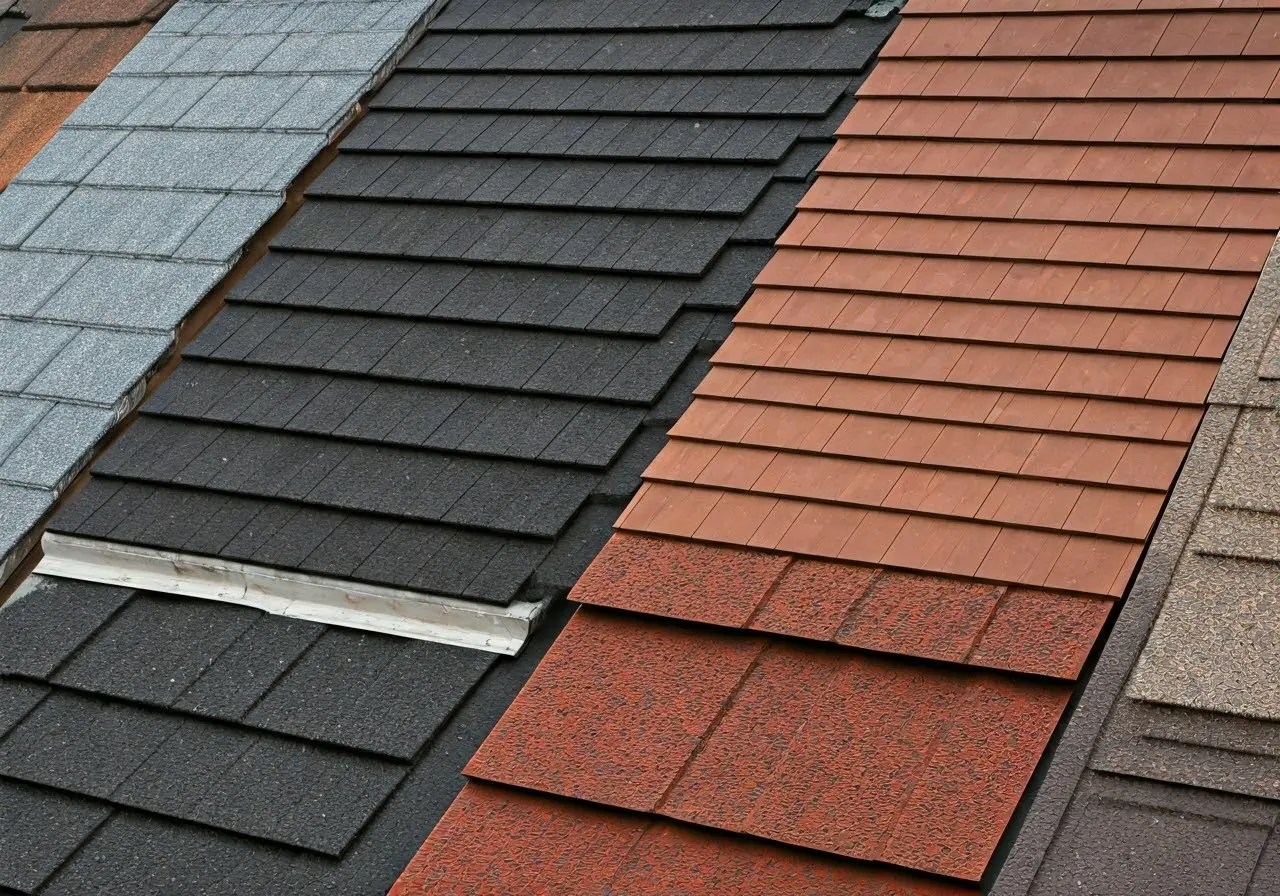
Discover eco-friendly roofing materials in Kenya. Explore sustainable roof materials that are energy-efficient, durable, and visually stunning.
Choosing eco-friendly roofing is becoming a major priority for homeowners, architects, and developers who want to reduce environmental impact while improving energy efficiency and long-term building performance. In today’s construction industry, roofing is no longer just about protection—it is also about sustainability, energy conservation, and responsible material selection.
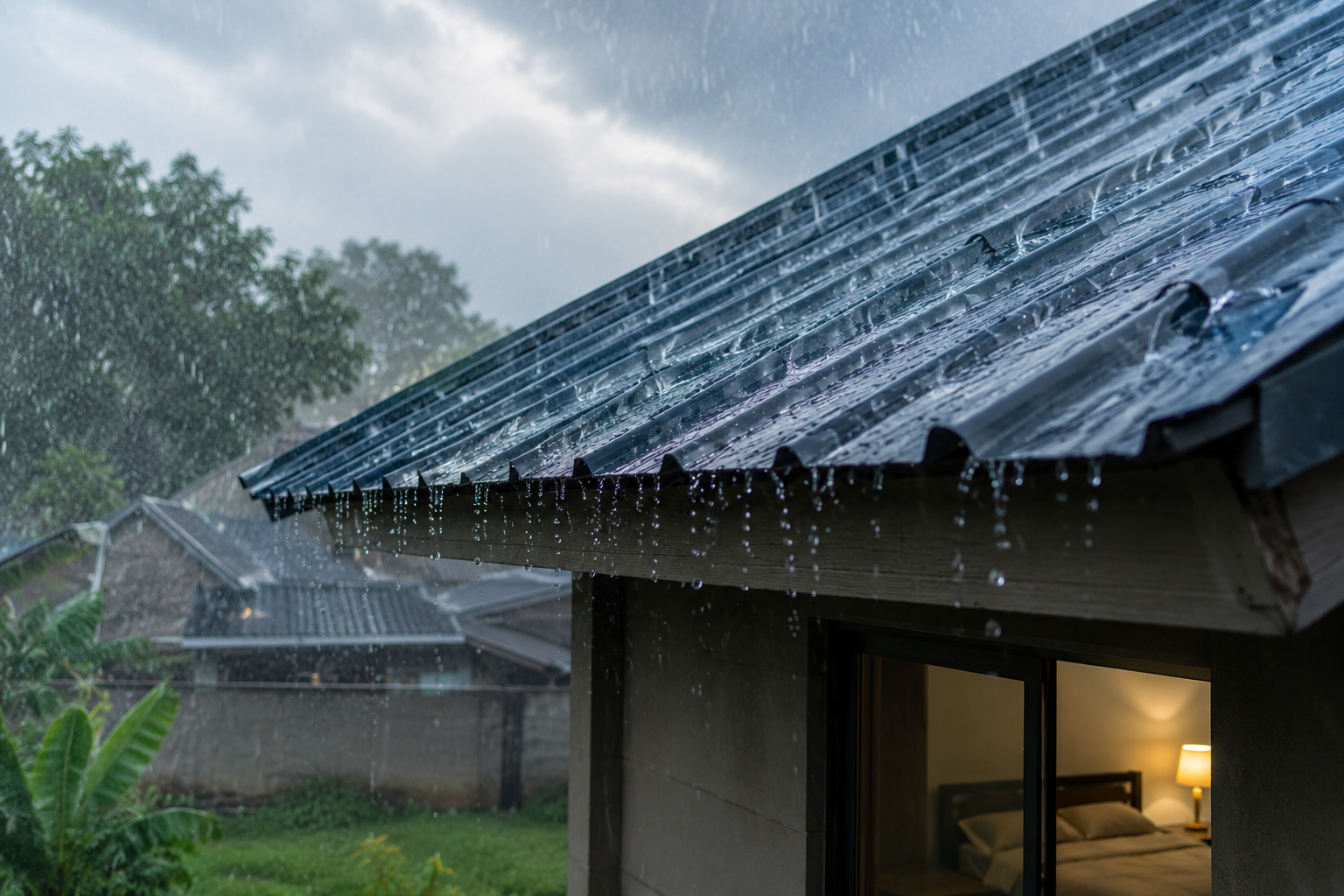
In Kenya, where climate conditions vary from the hot coastal regions of Mombasa to the cooler highlands of Nairobi and Eldoret, selecting sustainable roof materials is especially important. Roofs directly influence indoor temperatures, energy consumption, and overall building comfort.
This guide explores the most effective green roofing products, their benefits, applications, and how they are shaping modern architecture in Kenya and beyond.
Shop Polycarbonate Sheets
View all Polycarbonate Sheets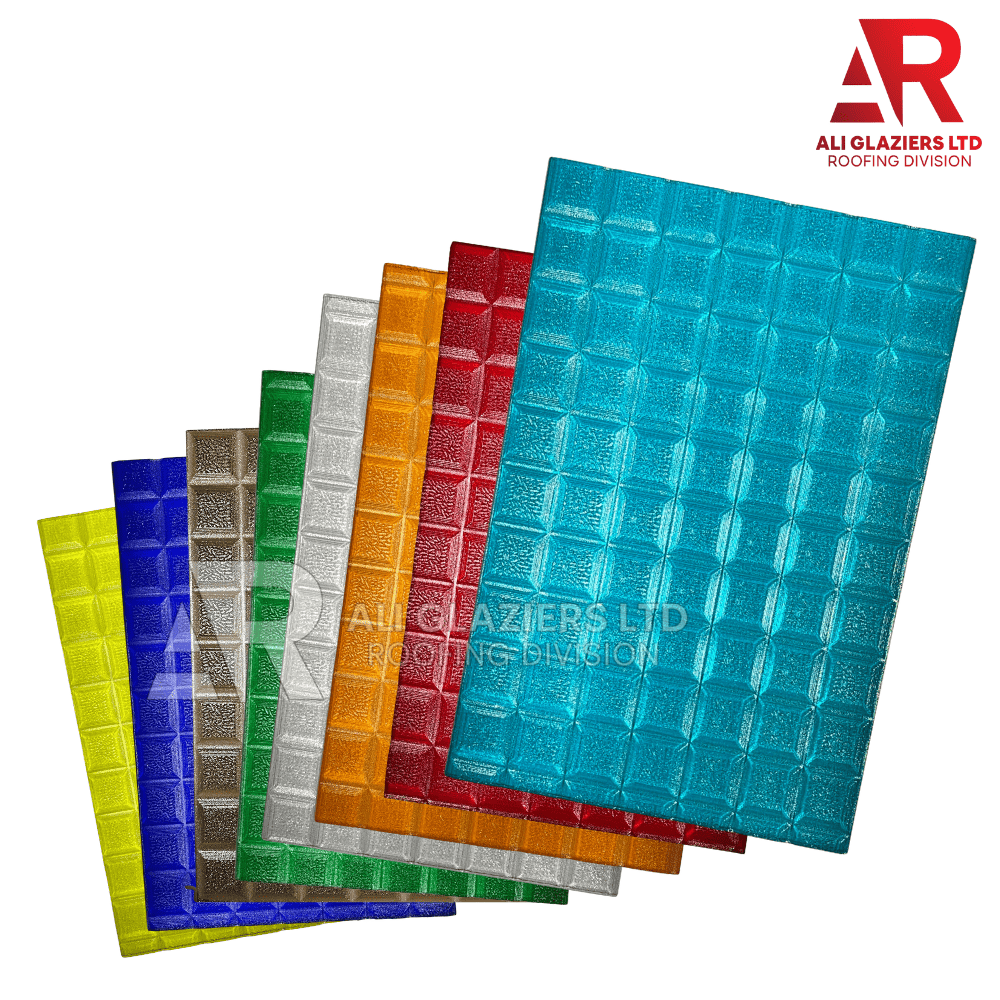
GRIDFLEX SOLID EMBOSSED POLYCARBONATE SHEETS
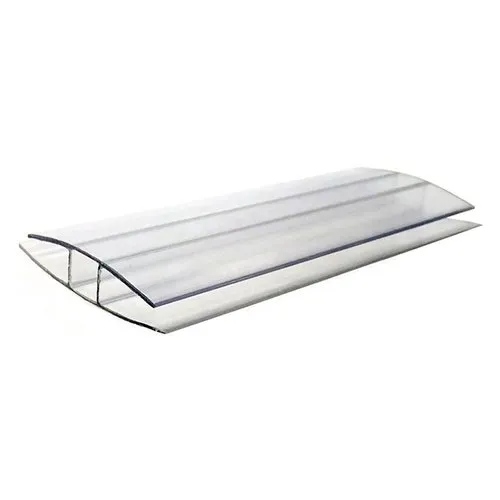
H-CONNECTOR FOR POLYCARBONATE SHEETS
What Are Eco-Friendly Roofing Materials?
Eco-friendly roofing materials are roofing systems designed to minimize environmental impact throughout their lifecycle—from production and installation to long-term use and disposal.
They typically focus on:
- Energy efficiency
- Reduced carbon footprint
- Recyclability
- Durability and long lifespan
- Natural or low-impact manufacturing processes
These materials help reduce reliance on artificial cooling systems and promote sustainable building practices.
Why Eco-Friendly Roofing Matters in Kenya
Kenya’s diverse climate creates strong demand for sustainable roofing solutions:
1. High Solar Exposure
Equatorial sunlight increases indoor heat buildup, leading to high cooling costs.
2. Rapid Urbanization
Cities like Nairobi and Kisumu are expanding, increasing demand for sustainable construction.
3. Environmental Awareness
Developers are increasingly adopting green building standards.
4. Energy Costs
Energy-efficient roofing helps reduce electricity consumption significantly.
Types of Eco-Friendly Roofing Materials
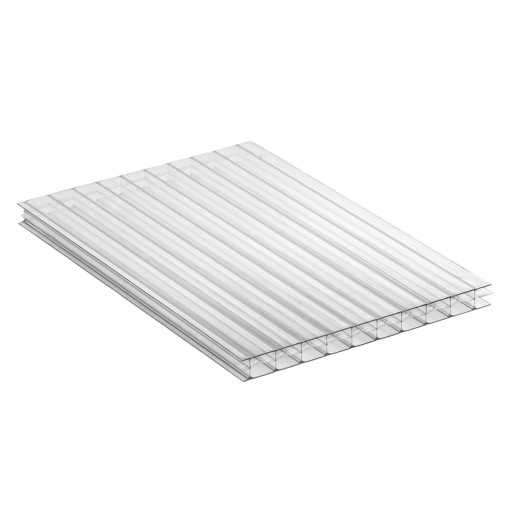
1. Polycarbonate Roofing Sheets (Energy-Efficient Transparency)
Polycarbonate roofing is one of the most modern eco-friendly solutions due to its ability to maximize natural light and reduce electricity usage.
Benefits:
- Reduces need for artificial lighting
- Highly durable and UV-resistant
- Lightweight and recyclable
- Long lifespan compared to plastic alternatives
Ideal for skylights, patios, and modern architectural designs.
2. Metal Roofing (Recyclable and Long-Lasting)
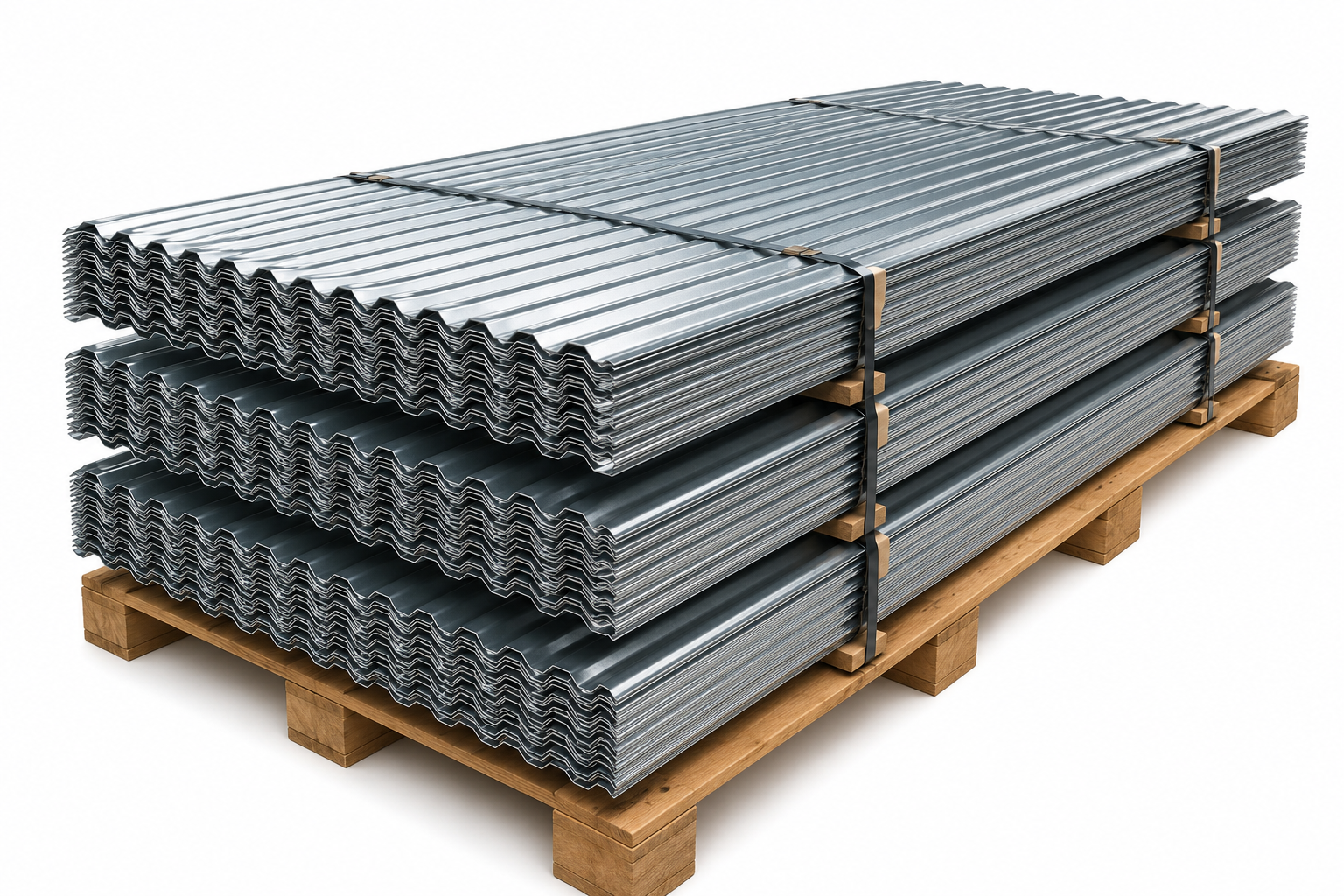
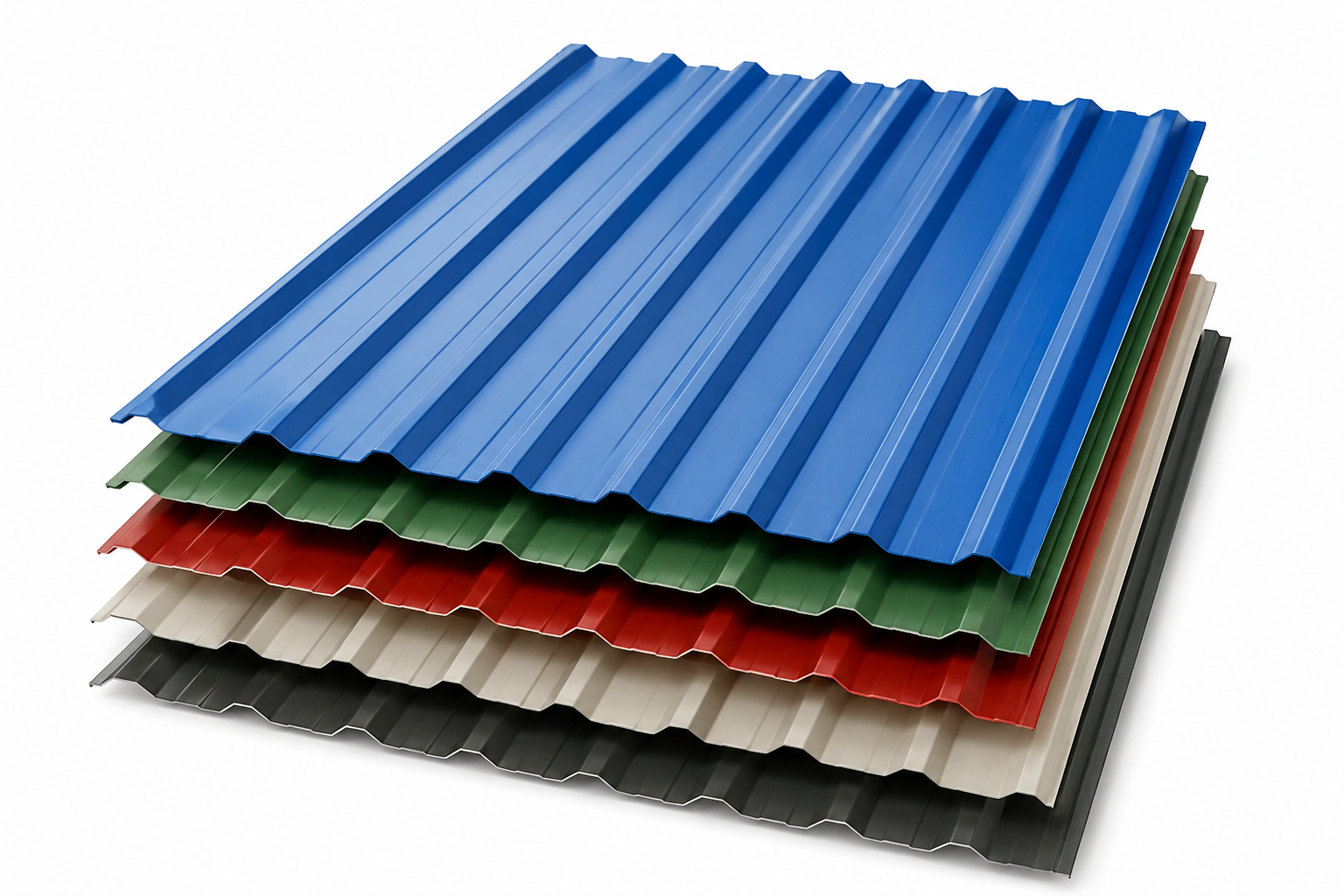
Metal roofing is one of the most sustainable roofing systems globally because it is highly recyclable and extremely durable.
Benefits:
- 100% recyclable material
- Long lifespan (40–70 years)
- Reflects solar heat
- Reduces cooling costs
Modern coated systems are especially effective in Kenyan climates.
3. Clay Roof Tiles (Natural and Eco-Friendly)
Clay tiles are made from natural earth materials and require minimal chemical processing.
Benefits:
- Fully natural material
- Long lifespan (40–100 years)
- Excellent thermal insulation
- Recyclable
They are widely used in premium residential estates.
4. Concrete Tiles (Durable but Resource-Intensive)
Concrete tiles are long-lasting but require more energy during production.
Benefits:
- Strong and durable
- Fire-resistant
- Long service life
However, they are heavier and less eco-efficient compared to metal or clay.
5. Green Roof Systems (Vegetative Roofing)
Green roofs involve planting vegetation on rooftops to improve insulation and environmental performance.
Benefits:
- Absorbs carbon dioxide
- Improves air quality
- Reduces urban heat effect
- Enhances biodiversity
They are commonly used in modern commercial buildings.
Comparison Table: Eco-Friendly Roofing Materials
| MaterialSustainability LevelLifespanEnergy EfficiencyMaintenance | ||||
| Polycarbonate | High | 15–25 yrs | Very High | Low |
| Metal Roofing | Very High | 40–70 yrs | High | Low |
| Clay Tiles | High | 40–100 yrs | High | Medium |
| Concrete Tiles | Medium | 30–50 yrs | Medium | Medium |
| Green Roofs | Very High | 20–40 yrs | Very High | High |
Benefits of Eco-Friendly Roofing in Modern Homes
1. Energy Savings
Reduced reliance on artificial cooling and lighting systems.
2. Environmental Protection
Lower carbon emissions and reduced material waste.
3. Long-Term Cost Efficiency
Durable materials reduce repair and replacement costs.
4. Improved Indoor Comfort
Better thermal regulation throughout the year.
5. Increased Property Value
Green-certified homes attract higher market value.
Best Applications in Kenya
Residential Homes
Eco-friendly roofing improves comfort in Nairobi, Nakuru, and Eldoret.
Commercial Buildings
Shopping malls and offices benefit from reduced energy consumption.
Industrial Facilities
Durable metal roofing reduces maintenance costs in warehouses.
Agricultural Projects
Greenhouses and farms use polycarbonate for light control and efficiency.
Challenges of Eco-Friendly Roofing
While highly beneficial, there are some considerations:
- Higher initial installation costs
- Requires professional installation for optimal performance
- Limited awareness among some homeowners
- Structural adjustments may be needed for certain materials
However, long-term savings often outweigh initial investment.
Future of Sustainable Roofing in Kenya
The roofing industry is shifting toward:
- Energy-efficient building designs
- Recyclable construction materials
- Smart roofing technologies
- Transparent and lightweight systems like polycarbonate
Kenya’s construction sector is increasingly adopting green building standards, especially in urban developments.
Frequently Asked Questions (FAQ)
1. What is eco-friendly roofing?
Eco-friendly roofing uses sustainable materials that reduce environmental impact and improve energy efficiency.
2. What is the best sustainable roofing material?
Metal roofing and clay tiles are among the most sustainable due to durability and recyclability.
3. Is polycarbonate roofing eco-friendly?
Yes, it reduces energy use by allowing natural light and is recyclable.
4. Are green roofs practical in Kenya?
Yes, especially in urban commercial buildings with proper structural support.
5. Which roofing saves the most energy?
Polycarbonate and green roofs provide the highest energy savings.
6. Do eco-friendly roofs cost more?
Initial costs may be higher, but long-term savings are significant.
Conclusion
Sustainable roofing is no longer a luxury—it is becoming a necessity for modern construction. From sustainable roof materials like clay and metal to innovative green roofing products like polycarbonate and vegetative systems, homeowners in Kenya now have multiple options to build responsibly and efficiently.
As energy costs rise and environmental awareness grows, choosing sustainable roofing ensures long-term savings, improved comfort, and a reduced environmental footprint.
Upgrade to Unbreakable Roofing with Ali Glaziers Today!
Whether you are an architect designing a modern mall, a contractor securing an industrial warehouse, or a homeowner upgrading your patio pergola, Ali Glaziers Roofing Division has the perfect solution for the Kenyan climate.
✔ Virtually Indestructible: Polycarbonate materials that are 200x stronger than glass. ✔ UV-Stabilized: Advanced technology to prevent yellowing and sun damage. ✔ Fast & Reliable Delivery: Countrywide, same-day, and next-day delivery options across Nairobi, Mombasa, Kisumu, Nakuru, Eldoret, and beyond.
Ready to transform your roof with modern, transparent solutions?
Visit Us: Funzi Road Branch: End of Funzi Road, Industrial Area – Ali Glaziers LTD Building, Nairobi.
Call/WhatsApp: +254 (0) 716 259 682 | +254 (0) 722 522 452
Email: info@aliglaziers.com
Shop Online: https://roofing.aliglaziers.com/shop/