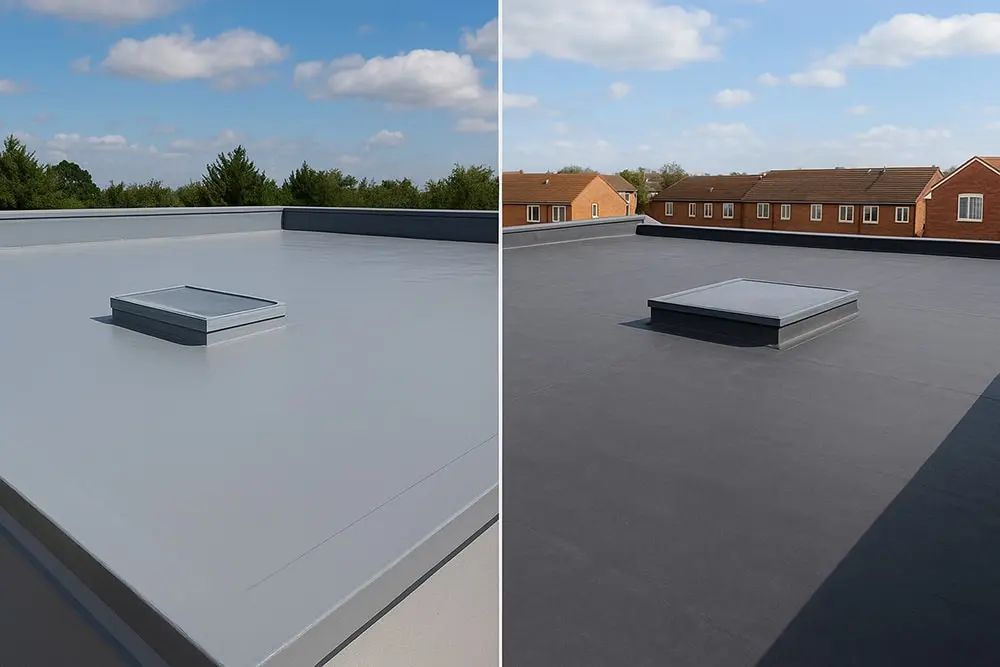
Compare flat roof materials and pitched roof products in Kenya. Learn which roofing solutions work best for flat vs pitched roof designs from Ali Glaziers Roofing.
Choosing the right roofing system starts with understanding the differences between flat roof materials and pitched roof products. Whether you are building a modern home in Nairobi, a commercial development in Mombasa, or an industrial warehouse in Eldoret, selecting the correct roofing materials for your roof type is essential for durability, weather resistance, and long-term performance.
One of the most common questions architects, contractors, developers, and homeowners ask is whether a flat roof or a pitched roof is the better option. While both roofing systems have distinct advantages, they require completely different roofing materials and installation approaches. Using materials designed for a pitched roof on a flat roof—or vice versa—can lead to leaks, structural issues, poor drainage, and costly repairs.
Kenya’s climate further complicates the decision. Buildings must withstand intense equatorial UV exposure, heavy seasonal rainfall, strong winds in some regions, and coastal humidity in towns such as Mombasa and Malindi. Selecting the appropriate roofing products is therefore essential for achieving durability and long-term value.
Shop Solid Polycarbonate Sheets
View all Solid Polycarbonate Sheets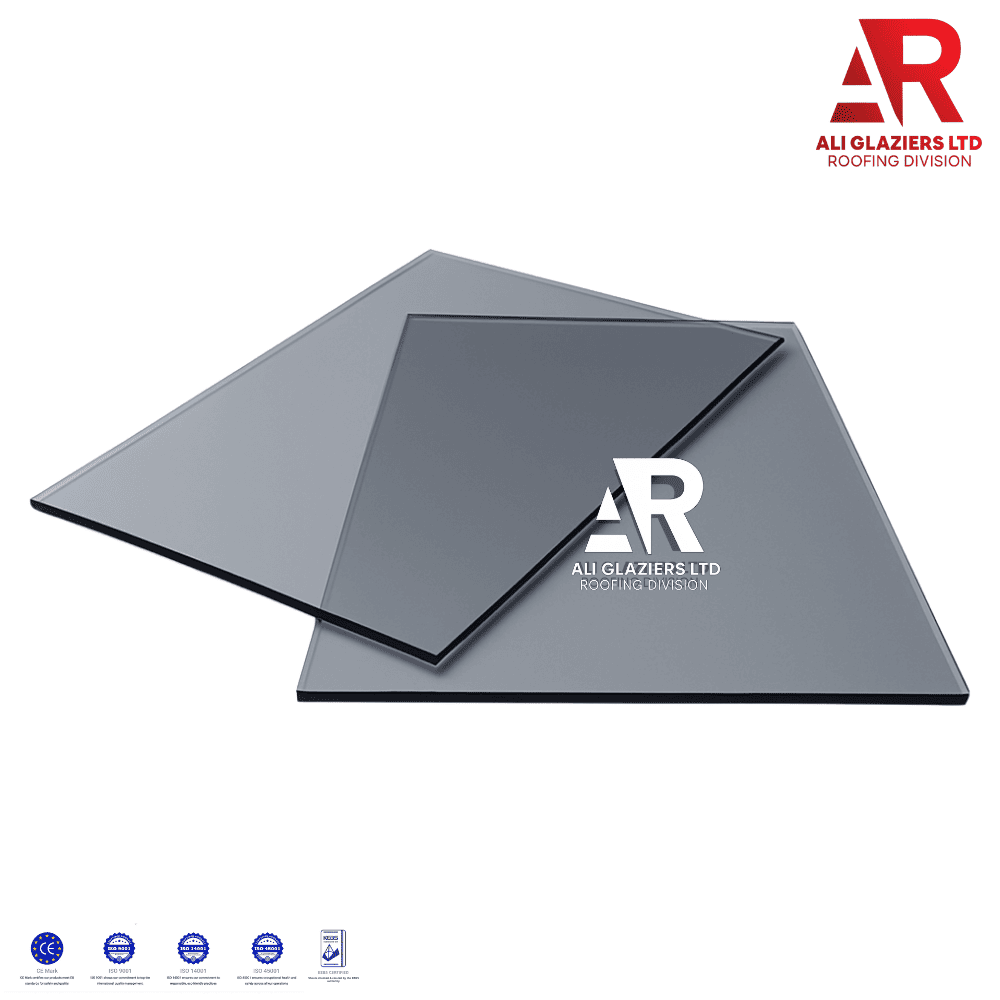
GREY SOLID POLYCARBONATE SHEETS
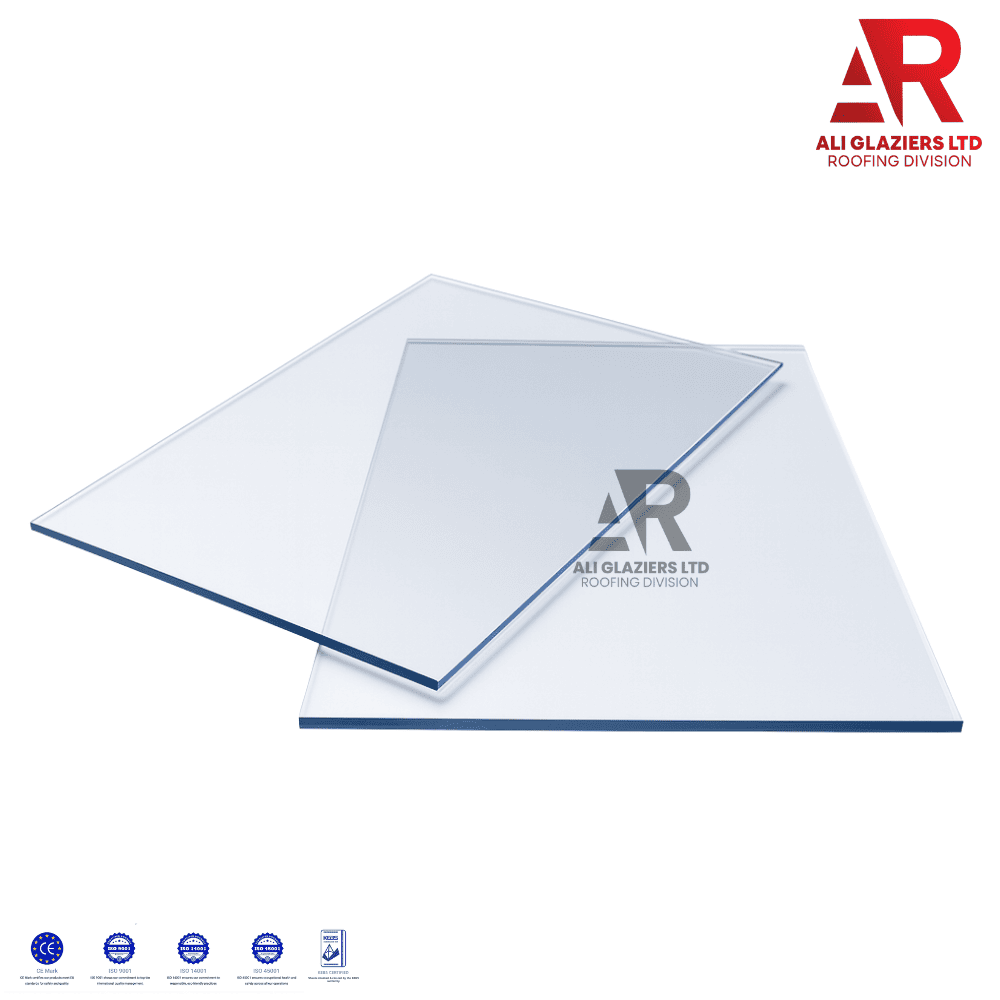
CLEAR SOLID POLYCARBONATE SHEETS
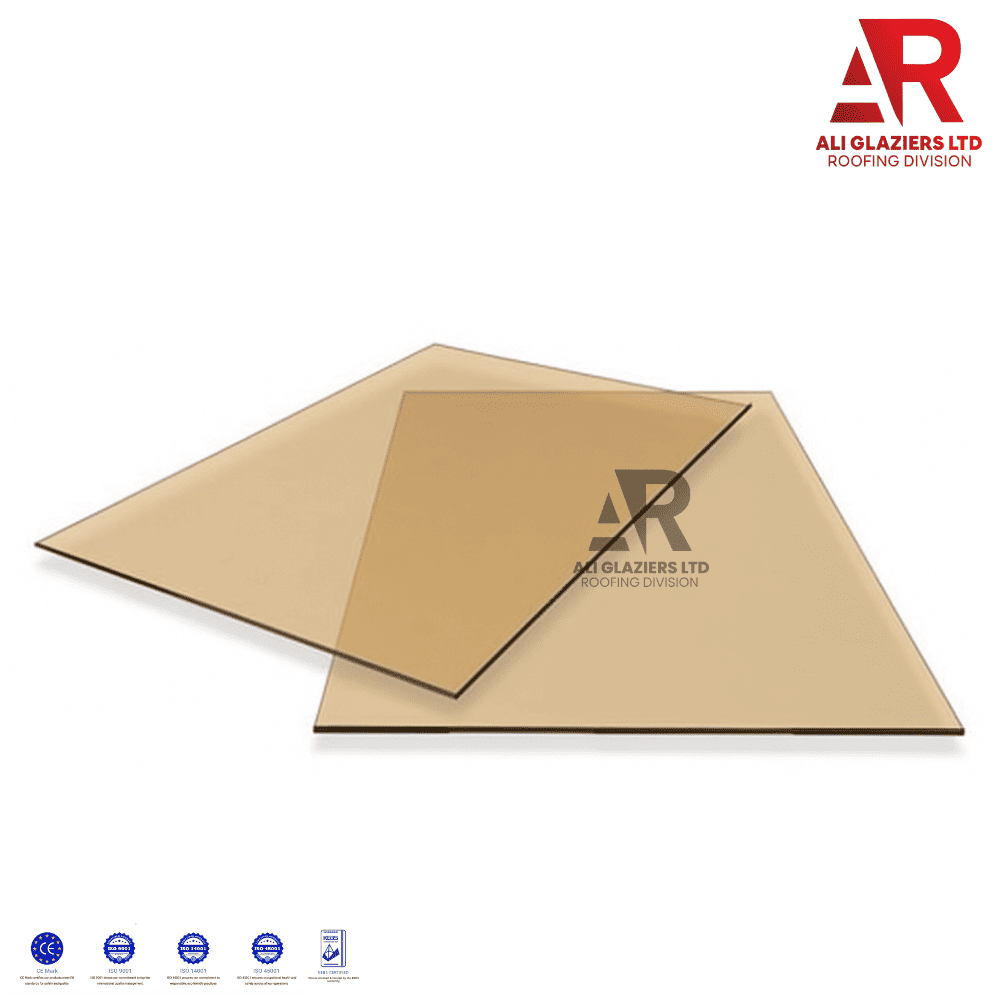
BRONZE SOLID POLYCARBONATE SHEETS
At Ali Glaziers Roofing Division, we supply modern roofing solutions that meet the demands of Kenya's diverse environmental conditions. From UV-stabilized polycarbonate roofing sheets to premium skylight materials and commercial roofing products, we help property owners choose solutions tailored to their specific roof type.
This comprehensive guide explores the differences between flat roofs and pitched roofs, the materials required for each, their advantages and disadvantages, and how to choose the right roofing products for your project.
Understanding the Difference Between Flat Roof Materials and Pitched Roofs
Before selecting roofing materials, it is important to understand how these roofing systems function.
What Is a Flat Roof?
A flat roof is a roofing structure with a very low slope, typically ranging from 1 to 10 degrees. Although it appears completely flat, it includes a slight gradient to allow rainwater to drain toward outlets and gutters.
Flat roofs are commonly found on:
- Commercial buildings
- Shopping malls
- Apartment complexes
- Modern residential homes
- Industrial warehouses
- Educational institutions
Modern architecture in Nairobi, Nakuru, and other urban centers increasingly favors flat roofs because of their clean aesthetic and efficient use of space.
What Is a Pitched Roof?
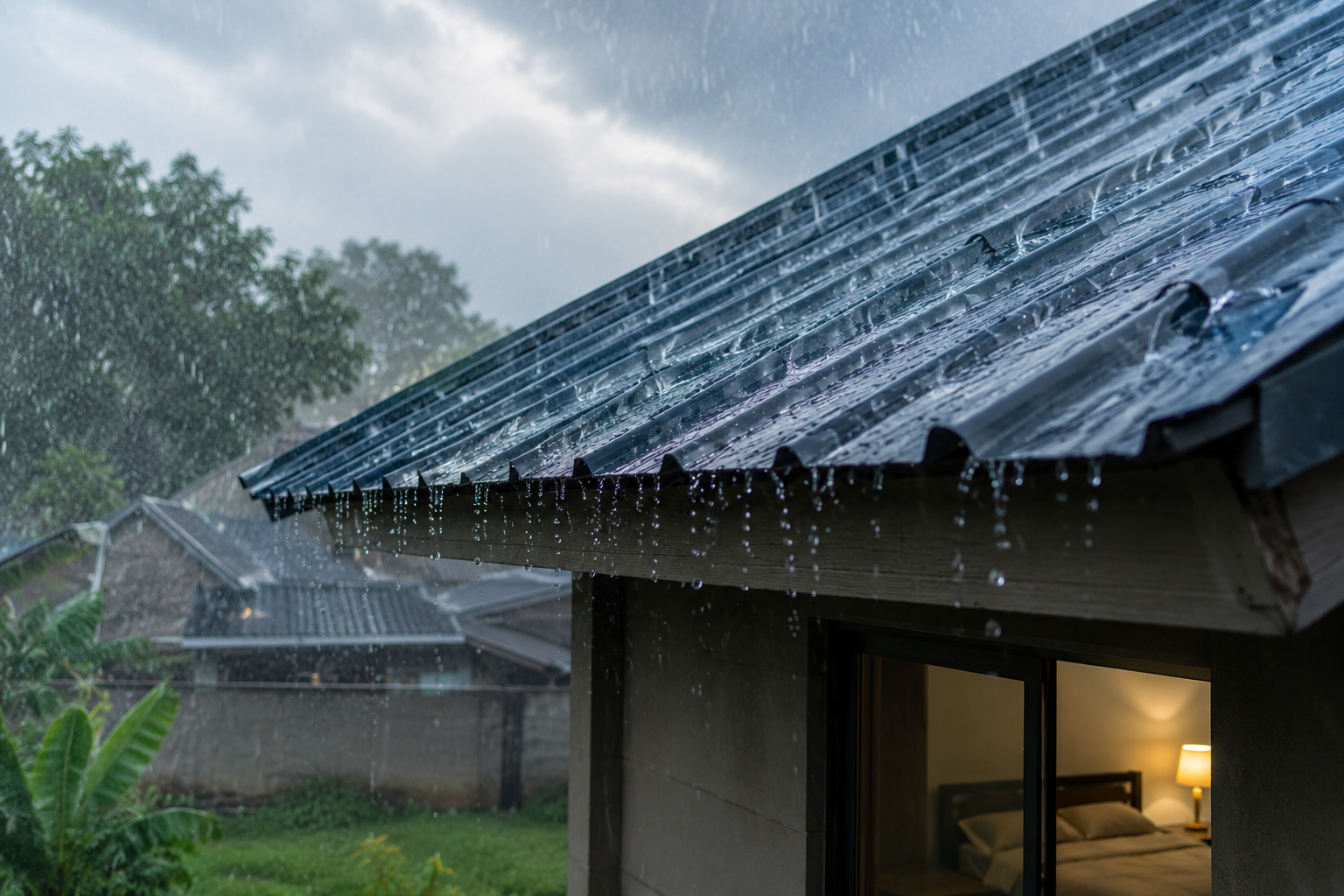
A pitched roof features a noticeable slope that allows water to run off naturally. The angle can vary depending on architectural design, climate considerations, and roofing materials.
Pitched roofs are common on:
- Residential homes
- Villas
- Schools
- Religious buildings
- Rural developments
- Hospitality facilities
They remain one of the most popular roofing designs throughout Kenya because they perform exceptionally well during heavy rains.
Why Roofing Materials Matter
A roof is more than just a protective covering. It acts as the building’s first line of defense against environmental conditions.
Selecting the correct roofing materials ensures:
- Proper drainage
- Improved thermal performance
- UV resistance
- Structural integrity
- Reduced maintenance costs
- Enhanced building aesthetics
The materials required for a flat roof are significantly different from those used on a pitched roof because the two systems handle water, heat, and structural loads differently.
Best Flat Roof Materials for Buildings in Kenya
Flat roofs require specialized materials designed to resist standing water and prevent leaks.
Waterproof Roofing Membranes
Waterproof membranes are among the most important flat roof materials.
Their primary functions include:
- Preventing water penetration
- Protecting structural components
- Enhancing roof longevity
- Improving weather resistance
Without effective waterproofing, flat roofs can quickly develop leaks, especially during Kenya’s rainy seasons.
Polycarbonate Skylight Systems
Many flat roofs incorporate skylights to maximize natural daylight.
Premium polycarbonate roofing products are ideal because they provide:
- Excellent light transmission
- Impact resistance
- UV protection
- Lightweight installation
Ali Glaziers offers a complete range of premium solutions through its polycarbonate roofing collection:
Unlike glass, polycarbonate is virtually unbreakable and approximately 200 times stronger, making it ideal for commercial and residential skylights.
Roof Insulation Materials
Flat roofs are exposed to direct sunlight throughout the day.
Proper insulation helps:
- Reduce indoor temperatures
- Improve energy efficiency
- Lower cooling costs
- Enhance occupant comfort
This is particularly important in Nairobi, Mombasa, and other regions with high solar exposure.
Roof Drainage Systems
Flat roofs depend heavily on drainage infrastructure.
Essential components include:
- Internal drains
- Scuppers
- Gutters
- Downpipes
These products help prevent water accumulation and structural damage.
Reflective Roof Coatings
Reflective coatings improve:
- UV protection
- Waterproofing performance
- Heat reduction
- Roof lifespan
These coatings are commonly used on commercial flat roofs throughout Kenya.
Best Pitched Roof Products for Kenyan Construction
Pitched roofs use a different category of roofing products because water naturally drains from the roof surface.
Roofing Sheets
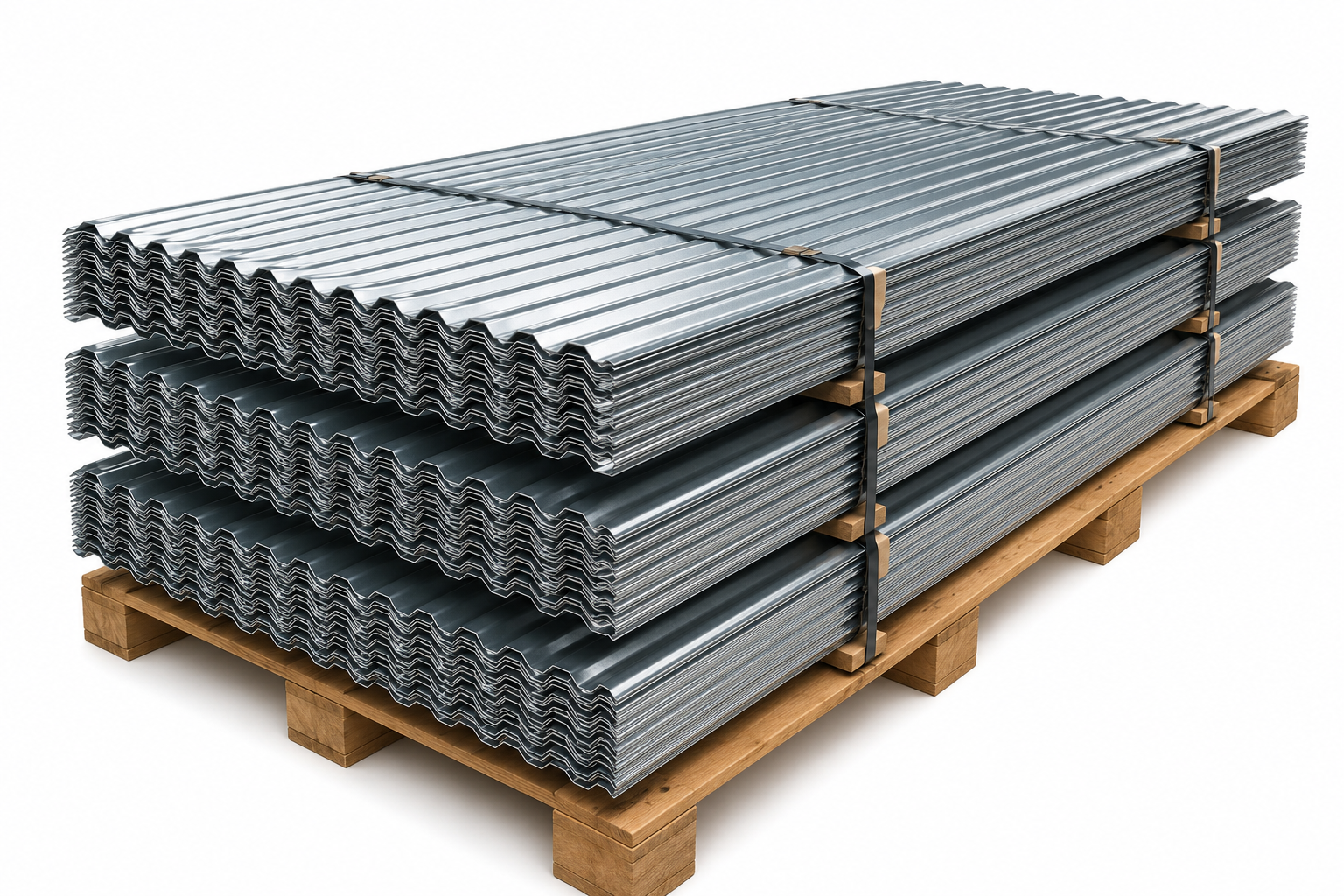
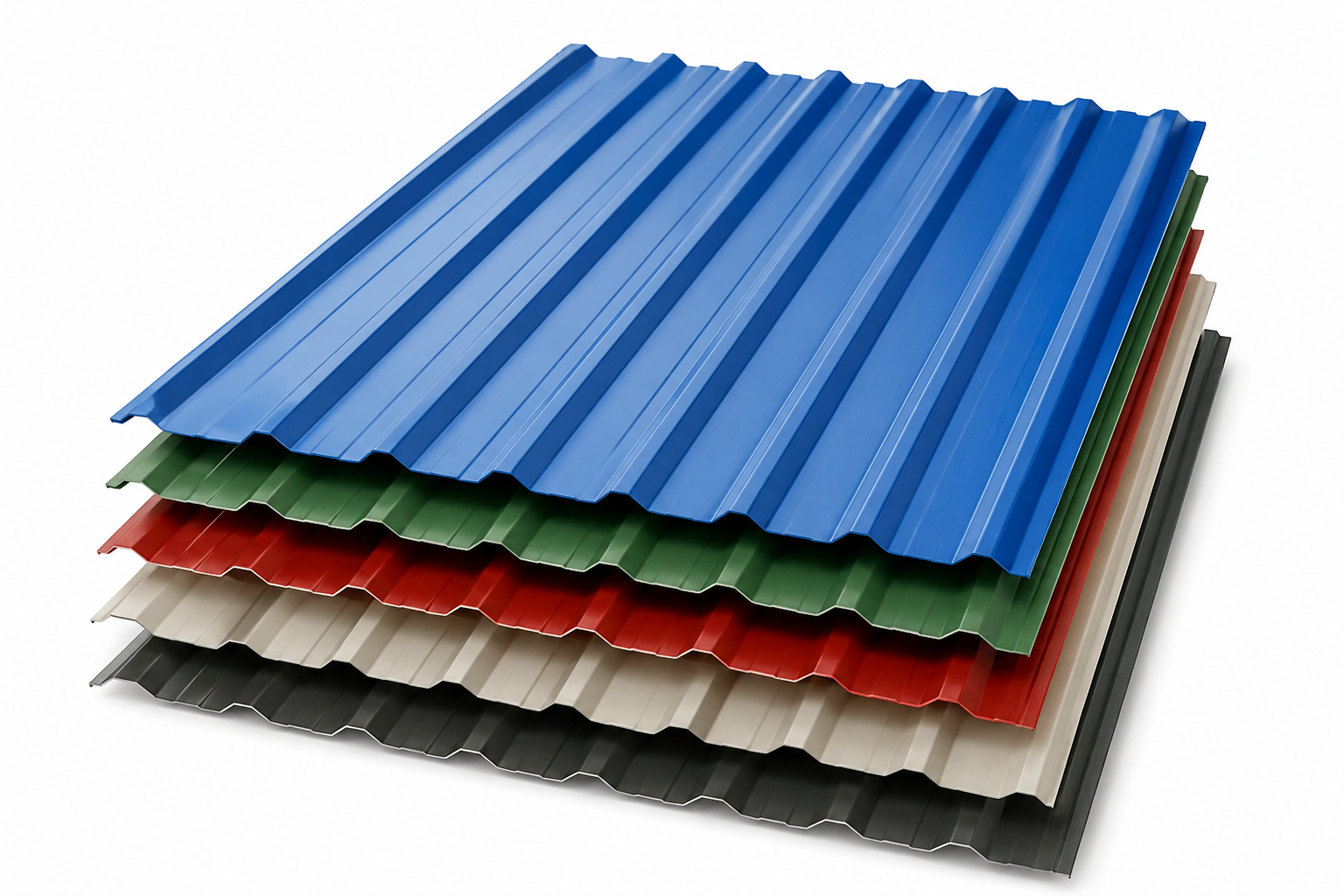
Roofing sheets remain one of the most popular pitched roof materials.
Common options include:
- Metal roofing sheets
- Stone-coated roofing tiles
- Polycarbonate roofing sheets
- Composite roofing panels
For projects requiring natural light, many architects integrate transparent roofing sections using premium products such as:
These sheets create attractive daylighting features while maintaining structural durability.
Ridge Caps and Flashings
Pitched roofs require accessories that protect vulnerable joints.
Important components include:
- Ridge caps
- Valley flashings
- Sidewall flashings
- Roof edge trims
These products help prevent water infiltration.
Roofing Underlayment
Roofing underlayment serves as a secondary moisture barrier beneath roofing sheets.
Benefits include:
- Additional waterproofing
- Wind-driven rain protection
- Improved durability
It provides an extra layer of security during extreme weather conditions.
Ventilation Components
Ventilation is critical for pitched roof systems.
Proper ventilation:
- Reduces heat buildup
- Prevents moisture accumulation
- Extends roof lifespan
- Improves indoor comfort
This is particularly beneficial in warmer regions such as Mombasa and Kisumu.
Fastening Systems
Quality fastening products help secure roofing sheets against:
- Wind uplift
- Thermal expansion
- Heavy rainfall
Professional installation is essential for achieving maximum performance.
Comparison Table: Flat Roof Materials vs. Pitched Roof Materials
| FeatureFlat RoofPitched Roof | ||
| Main Requirement | Waterproofing | Water Shedding |
| Drainage Method | Internal drains and outlets | Natural gravity drainage |
| Roofing Sheets | Optional | Primary material |
| Waterproof Membranes | Essential | Secondary protection |
| Maintenance Level | Moderate | Lower |
| Skylight Integration | Excellent | Excellent |
| Structural Weight | Generally lighter | Depends on materials |
| Modern Appearance | Contemporary | Traditional and modern |
| Installation Complexity | Moderate to high | Moderate |
| Weather Performance | Excellent when waterproofed | Naturally effective |
Polycarbonate Roofing: A Versatile Solution for Both Roof Types
One of the few roofing materials suitable for both flat and pitched roofs is polycarbonate.
Egyptian Solid Polycarbonate Sheets
These sheets are ideal for:
- Skylights
- Security glazing
- Industrial roofing
- Commercial canopies
Their exceptional strength makes them a preferred choice for modern construction.
Egyptian Clear Solid Polycarbonate Sheets
Benefits include:
- Maximum transparency
- High impact resistance
- UV protection
- Lightweight construction
These products are widely used in residential and commercial projects.
Solid Color Polycarbonate Sheets
Popular applications include:
- Architectural roofing
- Decorative roofing features
- Commercial developments
- Outdoor structures
Bronze Extra Clear Polycarbonate Sheets
These sheets provide:
- Reduced glare
- Elegant appearance
- UV resistance
- Enhanced comfort
Which Roof Type Is Better for Commercial Buildings?
Commercial developments often favor flat roofs because they offer:
Greater Usable Space
Flat roofs allow installation of:
- Solar panels
- HVAC equipment
- Rooftop amenities
Modern Architectural Design
Many shopping malls, office buildings, and mixed-use developments in Nairobi use flat roofing systems for a contemporary appearance.
Easier Expansion
Flat roofs simplify future extensions and modifications.
However, proper waterproofing materials are essential for long-term performance.
Which Roof Type Is Better for Residential Homes?
Pitched roofs remain highly popular for residential construction because they:
Handle Heavy Rain Efficiently
Natural water runoff reduces drainage concerns.
Require Less Maintenance
Because water does not remain on the roof surface, maintenance requirements are often lower.
Complement Traditional Architecture
Many homeowners prefer the visual appeal of pitched roof designs.
Nevertheless, modern luxury homes increasingly combine flat roof sections with pitched roof elements to achieve contemporary aesthetics.
Climate Considerations Across Kenya
Nairobi
UV-resistant roofing materials are essential due to year-round sun exposure.
Mombasa
Coastal humidity requires corrosion-resistant roofing products.
Kisumu
Heavy rainfall makes drainage performance particularly important.
Nakuru
Temperature fluctuations require materials capable of handling thermal expansion.
Eldoret
Strong winds demand secure fastening systems and durable roofing products.
Selecting roofing materials that match local environmental conditions helps maximize lifespan and performance.
Common Flat Roof Materials Selection Mistakes
Using Incompatible Materials
Flat roof products and pitched roof products are not interchangeable.
Ignoring Waterproofing Requirements
Waterproofing is especially critical for flat roof systems.
Prioritizing Price Over Quality
Lower-cost materials often result in higher long-term maintenance expenses.
Overlooking UV Protection
Kenya’s intense sunlight can quickly degrade inferior products.
Hiring Inexperienced Installers
Even premium materials can fail when installed incorrectly.
Why Choose Ali Glaziers Roofing Division?
Ali Glaziers Roofing Division has become a trusted roofing solutions provider throughout Kenya by offering:
- Premium roofing materials
- UV-stabilized polycarbonate sheets
- Expert technical guidance
- Countrywide delivery
- Professional installation support
You can also explore our full product range through our roofing shop:
For additional insights and roofing resources, visit:
Our team supports projects in Nairobi, Mombasa, Kisumu, Nakuru, Eldoret, Thika, Machakos, Kitale, Meru, Nyeri, and across Kenya.
Frequently Asked Questions About flat roof materials vs. Pitched Roof in Kenya
Which roof type lasts longer?
Both roof types can last for decades when built using quality materials and maintained properly.
Are flat roofs more likely to leak?
Flat roofs require specialized waterproofing systems, but when installed correctly, they perform exceptionally well.
Can polycarbonate roofing be used on both flat and pitched roofs?
Yes. Polycarbonate roofing products are highly versatile and suitable for both roof designs.
Which roof type is better for heavy rainfall?
Pitched roofs naturally shed water more efficiently, but properly designed flat roofs also provide excellent performance.
What is the strongest transparent roofing material?
Polycarbonate is considered one of the strongest transparent roofing materials available and is approximately 200 times stronger than glass.
Which roof style is more modern?
Flat roofs are commonly associated with contemporary architecture, while pitched roofs can support both traditional and modern designs.
Where can I buy flat roof materials in Kenya?
You can purchase premium roofing solutions through Ali Glaziers Roofing Division and receive delivery across Kenya.
Conclusion
Choosing between a flat roof materials and a pitched roof is not simply an architectural decision—it determines the roofing materials, waterproofing systems, maintenance requirements, and long-term performance of your building.
Flat roofs require advanced waterproofing membranes, drainage systems, insulation, and protective coatings, while pitched roofs rely on roofing sheets, flashings, underlayment, and ventilation products to achieve optimal results. Understanding these differences helps architects, developers, contractors, and homeowners make informed decisions that maximize durability and value.
For projects across Nairobi, Mombasa, Kisumu, Nakuru, Eldoret, and beyond, Ali Glaziers Roofing Division provides premium roofing products engineered to withstand Kenya’s demanding climate conditions. Whether you need transparent roofing solutions, UV-resistant polycarbonate sheets, skylight materials, or professional roofing advice, our team is ready to assist.
Contact us today to discuss your project requirements and discover the ideal roofing solution for your building.
Upgrade to Unbreakable Roofing with Ali Glaziers Today!
Whether you are an architect designing a modern mall, a contractor securing an industrial warehouse, or a homeowner upgrading your patio pergola, Ali Glaziers Roofing Division has the perfect solution for the Kenyan climate.
✔ Virtually Indestructible: Polycarbonate materials that are 200x stronger than glass. ✔ UV-Stabilized: Advanced technology to prevent yellowing and sun damage. ✔ Fast & Reliable Delivery: Countrywide, same-day, and next-day delivery options across Nairobi, Mombasa, Kisumu, Nakuru, Eldoret, and beyond.
Ready to transform your roof with modern, transparent solutions?
Visit Us: Funzi Road Branch: End of Funzi Road, Industrial Area – Ali Glaziers LTD Building, Nairobi.
Call/WhatsApp: +254 (0) 716 259 682 | +254 (0) 722 522 452
Email: info@aliglaziers.com
Shop Online: https://roofing.aliglaziers.com/shop/