
Greenhouse roofing Kenya guide: compare light transmission, ventilation, heat control and durable coverings for greenhouses and poultry houses.
Greenhouse roofing in Kenya must balance light transmission, heat control, ventilation and durability, while poultry house roof sheets need to protect birds from rain, excessive heat and poor air movement. The correct roofing material depends on the agricultural structure, its climate, ventilation system and production requirements.
Greenhouses and poultry houses should not be roofed in exactly the same way. A greenhouse is designed to manage light and growing conditions, while a poultry house needs controlled temperatures, ventilation and protection for birds.
Why Agricultural Roofing Needs Special Planning
Farm building roofing has to perform in an environment where temperature, humidity, ventilation and moisture directly affect production.
Shop Ventilation
View all Ventilation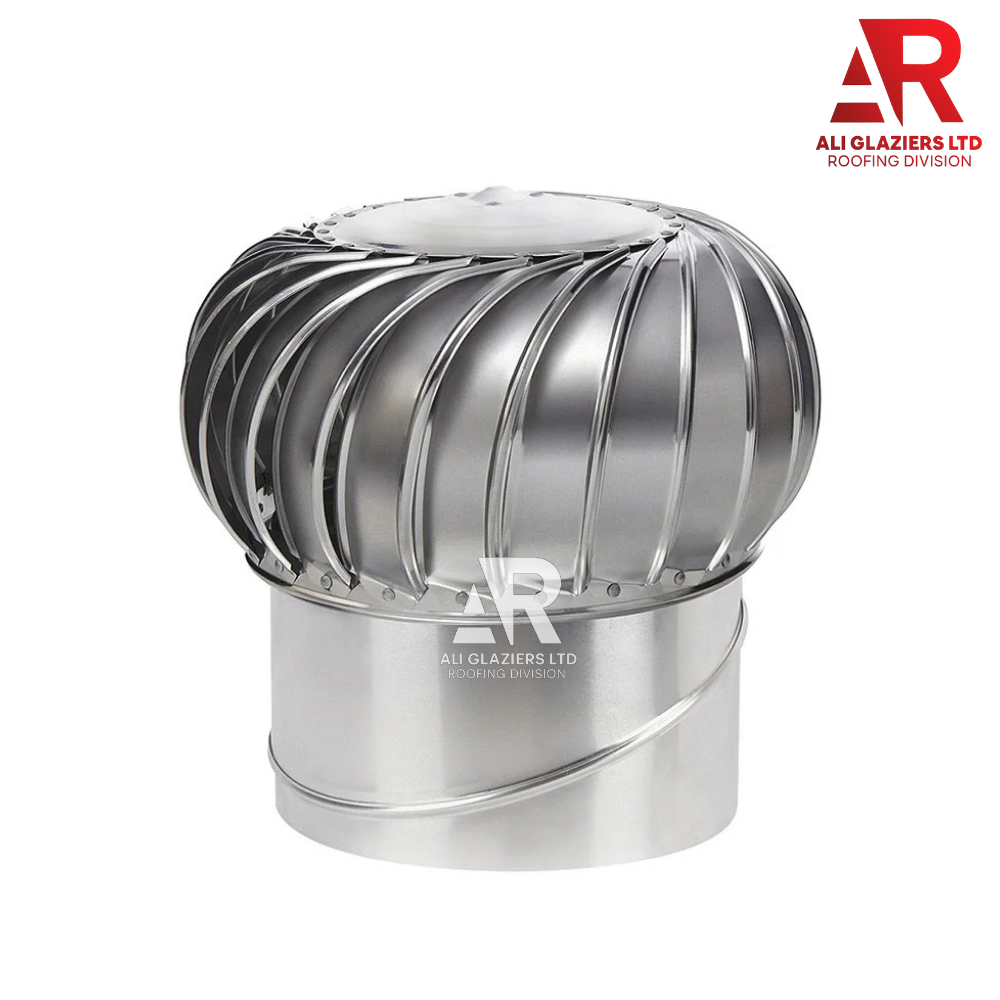
STAINLESS STEEL CYCLONES
The roof may influence:
- Indoor temperature
- Natural light
- Air movement
- Condensation
- Rain protection
- Humidity
- Structural durability
- Animal welfare
- Crop performance
Selecting roofing materials only according to price can therefore create problems later.
Greenhouse Roofing in Kenya
Greenhouse roofing in Kenya is primarily concerned with transmitting the right amount of light while managing heat, moisture and ventilation inside the growing environment.
Unlike conventional roofs, greenhouse coverings may need to allow significant light through.
Common covering materials can include:
- Greenhouse film
- Polycarbonate panels
- Glass
- Other purpose-designed horticultural coverings
The appropriate covering depends on the crop, greenhouse design and environmental conditions.
Why Light Matters in a Greenhouse
Light transmission directly affects photosynthesis and therefore can influence crop growth and production.
The roof covering should provide suitable light while considering:
- Light intensity
- Diffusion
- UV transmission
- Heat gain
- Crop requirements
- Local climate
More light is not always better if excessive solar radiation creates damaging temperatures inside the greenhouse.
Greenhouse Roof Ventilation
Ventilation helps remove excess heat and moisture from a greenhouse and should be considered alongside the roofing material.
Ventilation can be provided through:
- Roof vents
- Side vents
- Roll-up sides
- Ridge openings
- Mechanical ventilation
The system should provide sufficient air exchange without creating uncontrolled environmental conditions.
Ridge Ventilation in Greenhouses
A ridge vent can allow hot air to escape naturally because warm air rises within the greenhouse.
Effective ridge ventilation depends on:
- Greenhouse geometry
- Vent size
- Wind conditions
- Side openings
- Crop requirements
The roof covering should work with the ventilation system rather than obstructing it.
Greenhouse Roofing and Condensation
Condensation can develop when humid greenhouse air meets a cooler roof or covering surface.
Persistent condensation can contribute to:
- Crop disease
- Moisture accumulation
- Reduced visibility
- Structural corrosion
- Poor growing conditions
Ventilation and humidity management are therefore essential.
Greenhouse Roofing and Rain
Greenhouse roofing should shed rain effectively while preventing uncontrolled water entry into the growing area.
Roof design should consider:
- Roof slope
- Gutters
- Downpipes
- Covering overlaps
- Flashings
- Structural drainage
Rainwater harvesting can also be incorporated where appropriate.
Greenhouse Roof Durability
A greenhouse covering must withstand sunlight, wind, rain and repeated environmental exposure throughout its intended service life.
When comparing materials, consider:
- UV resistance
- Tear resistance
- Impact resistance
- Expected service life
- Replacement requirements
- Cleaning requirements
A cheaper covering may require more frequent replacement.
Poultry House Roofing
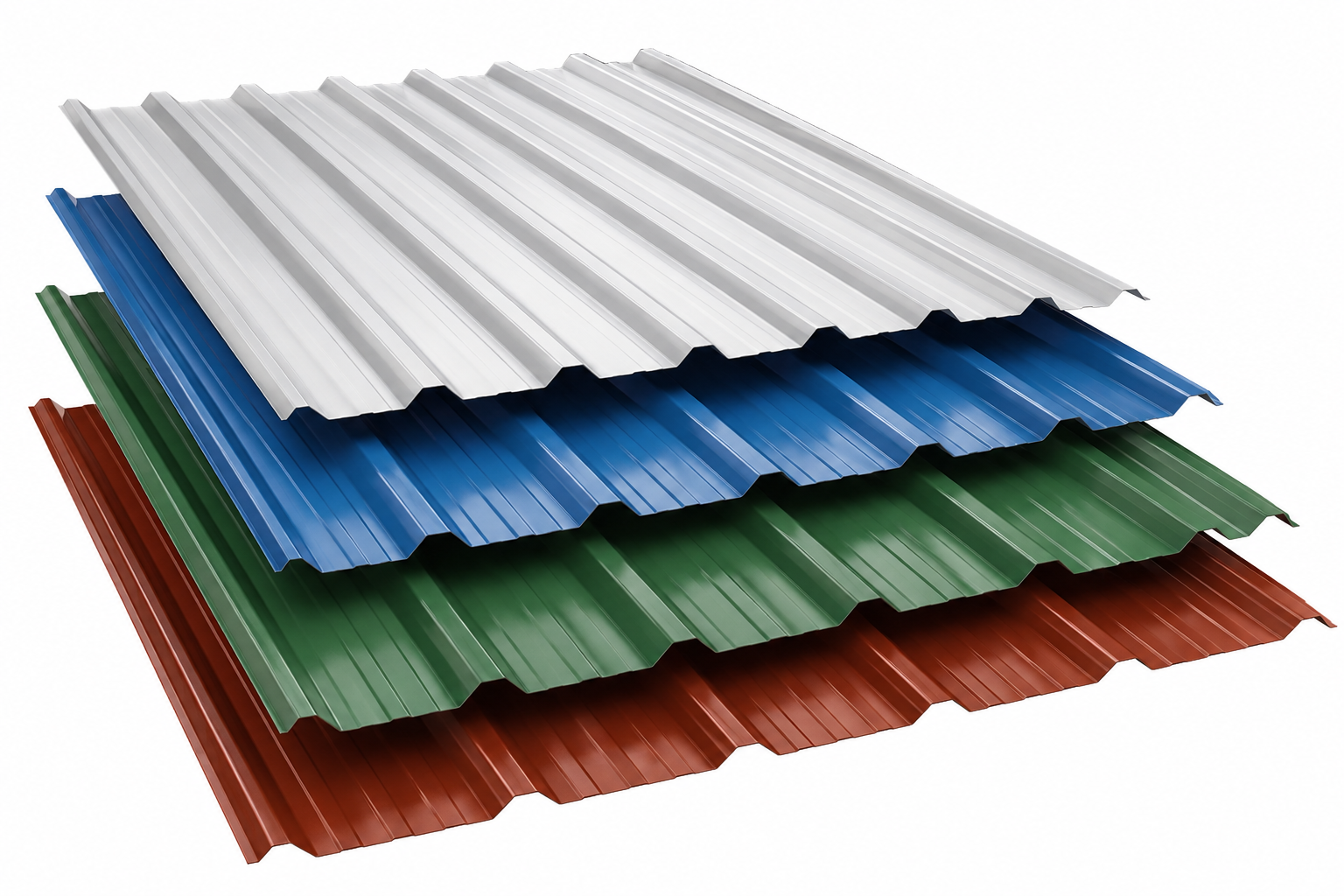
Poultry house roof sheets must protect birds from rain and excessive solar heat while allowing the building to maintain suitable ventilation.
Poultry housing has different requirements from greenhouses because the objective is to provide a stable environment for birds.
The roof can affect:
- Internal temperature
- Humidity
- Air movement
- Rain noise
- Condensation
- Bird comfort
Choosing Poultry House Roof Sheets
Poultry house roof sheets should be selected for durability, thermal performance, corrosion resistance and compatibility with the building's ventilation system.
Consider:
- Sheet profile
- Thickness
- Coating
- Roof pitch
- Insulation
- Ventilation
- Local climate
The roof should also be designed to support cleaning and maintenance requirements.
Metal Roofing for Poultry Houses
Metal roofing can provide durable weather protection for poultry buildings, but uninsulated metal sheets can contribute to significant heat gain under strong sunlight.
This makes thermal management particularly important.
Possible measures include:
- Roof insulation
- Reflective finishes
- Ventilated roof spaces
- Appropriate ceiling systems
- Ridge ventilation
- Adequate side ventilation
The right combination depends on the poultry-house design.
Poultry House Roof Insulation
Insulation can reduce heat transfer through the roof and help create a more stable internal environment for poultry.
Insulation may also reduce:
- Rain noise
- Heat fluctuations
- Condensation risk
However, insulation should not block ventilation paths.
Poultry House Ventilation
Ventilation is one of the most important considerations in poultry-house roofing because birds require adequate fresh air and controlled moisture levels.
Ventilation helps remove:
- Heat
- Moisture
- Dust
- Carbon dioxide
- Other airborne contaminants
The ventilation strategy should be designed around the stocking density and housing system.
Natural vs Mechanical Ventilation
Natural ventilation uses openings and pressure differences to move air, while mechanical ventilation uses fans to control airflow more precisely.
Natural systems can include:
- Open sides
- Ridge vents
- Curtains
- Louvres
Mechanical systems may include:
- Extractor fans
- Tunnel ventilation
- Controlled inlet systems
Large poultry operations may require engineered mechanical ventilation.
Poultry House Ridge Design
A properly designed ridge can help remove hot and humid air from a poultry house while protecting the interior from rain.
The ridge detail should be coordinated with:
- Roof pitch
- Sheet profile
- Ventilation requirements
- Bird-house design
- Rain exposure
Poor ridge detailing can create both leakage and ventilation problems.
Roof Pitch for Farm Buildings
Roof pitch affects drainage, internal volume, ventilation and roofing-sheet suitability in agricultural buildings.
A suitable pitch should be determined according to:
- Roofing profile
- Building dimensions
- Rainfall
- Sheet length
- Drainage
- Structural design
Avoid choosing roof pitch solely for appearance.
Light and Poultry Welfare
Natural light can influence poultry behaviour and management, but uncontrolled sunlight can also increase heat inside the building.
Roof and wall openings should therefore be designed to balance:
Light + ventilation + heat control + bird comfort
The appropriate approach depends on the poultry production system.
Translucent Panels for Poultry Houses
Translucent roofing panels can provide natural daylight, but they should be used carefully because they can increase solar heat entering the building.
Before adding translucent panels, consider:
- Panel area
- Orientation
- Solar exposure
- Internal temperature
- Ventilation
- Cleaning
Too much direct solar gain can create hot spots.
Roofing Colour and Heat
Roof colour and surface properties can influence solar heat absorption, making finish selection relevant for agricultural buildings in hot climates.
Where heat management is important, consider the roofing manufacturer's information regarding:
- Colour
- Coating
- Solar reflectance
- Surface finish
Roof colour should be considered alongside insulation and ventilation rather than treated as the only heat-control measure.
Farm Building Roofing in Kenya
Farm building roofing in Kenya should be adapted to local weather conditions, building use and agricultural production requirements.
Consider whether the site experiences:
- High temperatures
- Heavy rainfall
- Strong winds
- High humidity
- Coastal salt exposure
- Dust
- Hail
The roofing specification should reflect the actual environment.
Coastal Agricultural Buildings
Agricultural buildings in coastal areas may require additional attention to corrosion resistance because humid, salt-laden air can accelerate deterioration of exposed metal components.
Consider suitable:
- Roofing coatings
- Fasteners
- Flashings
- Structural steel protection
The entire roofing system should be considered, not just the sheet.
Roofing in Hot, Dry Areas
In hotter and drier parts of Kenya, agricultural roofing should focus strongly on solar heat management, ventilation and dust control.
Possible measures include:
- Roof insulation
- Reflective finishes
- High-level ventilation
- Suitable building orientation
- Controlled openings
The roof should be designed alongside the complete farm building.
Rainwater Harvesting from Farm Roofs
Large agricultural roofs can provide useful rainwater collection surfaces for farm operations when gutters and storage systems are properly designed.
Collected water may support suitable non-potable applications depending on the farm's water-management system.
The roof drainage system should account for:
- Catchment area
- Rainfall
- Gutter capacity
- Downpipe capacity
- Storage capacity
Roofing and Farm Maintenance
Agricultural roofs should be inspected regularly because dust, moisture, animal waste and environmental exposure can accelerate deterioration.
Check for:
- Loose fasteners
- Damaged sheets
- Corrosion
- Blocked gutters
- Torn greenhouse coverings
- Damaged translucent panels
- Ridge deterioration
Early maintenance can reduce replacement costs.
Common Greenhouse Roofing Mistakes
Greenhouse performance can suffer when the roof covering is selected without considering ventilation, crop requirements and solar conditions.
Common mistakes include:
Choosing Covering Only by Price
Cheap coverings may have shorter service lives.
Blocking Ventilation
Roof coverings should not interfere with designed airflow.
Ignoring UV Resistance
Continuous solar exposure can degrade unsuitable materials.
Providing Excessive Direct Sunlight
More sunlight can also mean more heat.
Common Poultry Roofing Mistakes
Poor poultry-house roofing can contribute to heat stress, condensation and inadequate ventilation.
Common mistakes include:
Installing Bare Metal Without Heat Management
Metal sheets can transmit significant solar heat.
Blocking Ridge Ventilation
Insulation should not obstruct ventilation paths.
Ignoring Corrosion
Moisture and poultry-house conditions can affect metal components.
Poor Drainage
Water accumulation can damage roofing and surrounding structures.
Insufficient Maintenance Access
Roof components eventually require inspection and repair.
Greenhouse and Poultry Roofing Checklist
Use a project checklist before selecting roofing or covering materials for agricultural structures.
- Building purpose established
- Local climate assessed
- Light requirements established
- Ventilation strategy planned
- Roof pitch confirmed
- Covering or sheet selected
- Thickness/specification confirmed
- UV resistance checked where applicable
- Insulation considered
- Condensation considered
- Drainage planned
- Corrosion exposure assessed
- Maintenance access provided
- Future replacement considered
Final Thoughts
Greenhouse roofing in Kenya and poultry house roofing require different approaches because crops and livestock have different environmental requirements.
A greenhouse roof should balance:
Light + ventilation + humidity + heat control
A poultry-house roof should balance:
Weather protection + ventilation + insulation + heat management + bird comfort
For both applications, the roofing material should be selected as part of the complete building design.
Before ordering materials, confirm the profile, covering, thickness, ventilation, insulation, drainage and environmental exposure.
A well-planned agricultural roof can improve building performance while reducing avoidable maintenance and replacement costs.
Contact Us
If you are planning roofing for a greenhouse, poultry house or other agricultural structure, our team can help you compare suitable roofing sheets and accessories for your project.
Visit Us:
Funzi Road Branch, End of Funzi Road, Industrial Area
Ali Glaziers LTD Building
Nairobi, Kenya
Call / WhatsApp:
+254 (0) 716 259 682
+254 (0) 722 522 452
Email:
Shop Online:
Learn More:
Request a Quote: