Roofing Installation Kenya: Step-by-Step Process Guide
Understanding Roofing Installation Kenya
Roofing installation Kenya is one of the most critical stages in any construction project, whether in Nairobi, Mombasa, Kisumu, Nakuru, or Eldoret. A properly installed roof determines not only the durability of a building but also its safety, energy efficiency, and long-term maintenance costs.
Kenya’s climate presents unique challenges—intense equatorial sun, heavy seasonal rains, coastal humidity, and temperature variations across regions. Because of this, roofing installation Kenya requires careful planning, correct material selection, and professional execution.
This guide walks you through the complete roofing installation process in Kenya step by step, from design and material selection to structural preparation, installation, waterproofing, and final inspection. Whether you are a homeowner, contractor, or developer, this detailed breakdown will help you understand how professional roofing systems are built in Kenya today.
Step 1: Planning in Roofing Installation Kenya
Every successful roofing installation Kenya project starts with proper planning. This stage determines the strength, appearance, and lifespan of the roof.
Key planning considerations:
- Building purpose (residential, commercial, industrial)
- Roof design (flat, pitched, curved)
- Local climate conditions (heat, rainfall, wind)
- Structural load requirements
- Budget and material selection
In cities like Nairobi, architects often prioritize modern lightweight roofing systems, while coastal regions like Mombasa require corrosion-resistant materials due to salty air.
Proper planning ensures the roofing installation Kenya process is smooth and cost-efficient.
Step 2: Selecting Roofing Materials in Kenya
Material selection is a major part of roofing installation Kenya because different materials perform differently under Kenyan weather conditions.
Common roofing materials:
- Corrugated iron sheets (Mabati)
- Concrete tiles
- Clay tiles
- Polycarbonate roofing sheets
- Steel roofing systems
Modern construction increasingly prefers transparent and durable materials such as polycarbonate roofing for skylights, pergolas, and commercial structures.
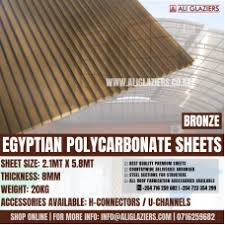
Polycarbonate Roofing Sheets
For premium durability:
Egyptian Solid Polycarbonate
Step 3: Structural Framework Preparation
In roofing installation Kenya, the structural frame is the backbone of the entire system. If the structure is weak or misaligned, the roof will fail over time.
Materials used:
- Steel trusses (most common in urban Kenya)
- Timber structures (common in residential homes)
- Aluminum frames (modern lightweight designs)
Key steps:
- Measuring and aligning trusses
- Ensuring correct slope for water drainage
- Reinforcing load-bearing joints
- Checking structural drawings accuracy
In Nairobi and industrial zones like Athi River, steel frames dominate due to strength and durability.
Step 4: Installing Roof Support Systems
Once the framework is complete, installers proceed with battens or purlins depending on the roofing type.
Functions:
- Provide attachment points for roofing sheets
- Distribute weight evenly across structure
- Improve stability against wind pressure
This step is critical in roofing installation Kenya because poor alignment can lead to leaks and structural failure.
Step 5: Roofing Sheet Installation Process in Kenya
This is the most visible stage of roofing installation Kenya.
A. Metal Roofing Installation
- Sheets installed from bottom upward
- Overlapping ensures water resistance
- Screws fitted with rubber washers
B. Polycarbonate Roofing Installation
Polycarbonate roofing is widely used in modern Kenya due to strength and transparency.
Installation guidelines:
- UV-protected side must face outward
- Expansion gaps must be left for heat movement
- Specialized fasteners prevent cracking
Bronze Extra Clear Polycarbonate Sheets
bronze-extra-clear-polycarbonate-sheets
C. Tile Roofing Installation
- Installed in overlapping layers
- Ridge caps added for finishing
- Proper alignment ensures water drainage
Step 6: Waterproofing in Roofing Installation Kenya
Waterproofing is essential due to Kenya’s heavy rainfall seasons, especially in Nairobi, Western Kenya, and coastal regions.
Methods used:
- Silicone sealing on joints
- Waterproof membranes under sheets
- Proper overlapping techniques
- Flashing around roof edges
Without proper waterproofing, roofing installation Kenya projects quickly develop leaks and structural damage.
Step 7: Heat and Insulation Control
Kenya’s equatorial sun makes heat control a major factor in roofing installation Kenya.
Solutions include:
- Reflective roofing materials
- Polycarbonate UV-stabilized sheets
- Thermal insulation layers
- Proper roof ventilation
Polycarbonate roofing is especially effective in reducing heat while allowing natural light inside buildings.
Step 8: Roof Finishing and Detailing
Finishing improves both appearance and functionality.
Activities include:
- Installing gutters and drainage systems
- Sealing final joints
- Cleaning roof surfaces
- Painting exposed metal parts
Modern buildings in Nairobi and Mombasa often combine aesthetics with functionality in roofing design.
Solid Color Polycarbonate Sheets
solid-color-polycarbonate-sheets
Step 9: Quality Inspection in Roofing Installation Kenya
Before project completion, inspection ensures safety and durability.
Inspection checklist:
- Leak testing during simulated rain
- Structural alignment checks
- Fastener strength inspection
- Safety compliance review
This ensures roofing installation Kenya meets professional construction standards.
Roofing Installation Costs in Kenya
The cost of roofing installation Kenya depends on:
- Material type
- Roof size and complexity
- Labor charges
- Location (Nairobi vs rural areas)
Nairobi tends to have higher labor costs, while upcountry regions may be more affordable.
Roofing Installation Kenya in Different Regions
Nairobi
High demand for modern skylights and commercial roofing systems.
Mombasa
Requires corrosion-resistant and UV-protected roofing.
Kisumu
Focus on heat control and moisture resistance.
Nakuru & Eldoret
Balanced roofing systems for cooler climates.
Common Mistakes in Roofing Installation Kenya
- Poor truss alignment
- Inadequate waterproofing
- Using low-quality materials
- Incorrect sheet overlapping
- Ignoring ventilation design
Avoiding these ensures long-lasting roofing performance.
Why Modern Roofing Installation Kenya is Evolving
Kenya is shifting toward modern, lightweight, and energy-efficient roofing systems. Polycarbonate and advanced steel systems are replacing traditional heavy roofing materials.
Ali Glaziers Roofing Division provides high-quality roofing solutions designed for Kenyan weather conditions and modern architecture.
Explore more:
Maintenance After Roofing Installation Kenya
Proper maintenance extends roof lifespan.
- Clean gutters regularly
- Inspect after heavy rains
- Seal minor leaks early
- Remove debris buildup
Polycarbonate roofs require minimal maintenance compared to traditional materials.
Frequently Asked Questions About Roofing Installation Kenya
1. What is roofing installation Kenya?
It is the complete process of designing, preparing, and installing roofs in Kenyan buildings.
2. How long does roof installation take in Kenya?
Most residential roofing projects take 3–10 days depending on size.
3. Which roofing material is best in Kenya?
Polycarbonate and metal roofing are widely used for durability and performance.
4. Is roofing installation Kenya expensive?
Costs vary depending on material, design, and location.
5. Can I install roofing myself?
Small projects are possible, but professional installation is recommended.
Conclusion
Roofing installation Kenya is a detailed process that requires proper planning, quality materials, and expert execution. From structural preparation to waterproofing and finishing, each step determines the strength and durability of the final roof.
With Kenya’s changing climate and modern architectural trends, advanced materials like polycarbonate roofing are becoming the preferred choice for many developers and homeowners.
Ali Glaziers Roofing Division continues to provide reliable, durable, and modern roofing solutions across Kenya.
Upgrade to Unbreakable Roofing with Ali Glaziers Today!
Whether you are an architect designing a modern mall, a contractor securing an industrial warehouse, or a homeowner upgrading your patio pergola, Ali Glaziers Roofing Division has the perfect solution for the Kenyan climate.
Virtually Indestructible: Polycarbonate materials that are 200x stronger than glass.
UV-Stabilized: Advanced technology to prevent yellowing and sun damage.
Fast & Reliable Delivery: Countrywide, same-day, and next-day delivery options across Nairobi, Mombasa, Kisumu, Nakuru, Eldoret, and beyond.
Ready to transform your roof with modern, transparent solutions?
Visit Us: Funzi Road Branch: End of Funzi Road, Industrial Area – Ali Glaziers LTD Building, Nairobi.
Call/WhatsApp: +254 (0) 716 259 682 | +254 (0) 722 522 452
Email: info@aliglaziers.com
Shop Online: https://roofing.aliglaziers.com/shop/