Compare solar roofing tiles and traditional solar panels in Kenya. Discover differences in cost, efficiency, durability, and aesthetics for modern green energy roofing solutions.
Solar Roofing Tiles vs Traditional Solar Panels in Kenya: The Future of Green Energy Roofing
The Shift Toward Smart Energy Roofing in Kenya
Kenya is rapidly transitioning toward renewable energy adoption, driven by rising electricity costs, climate change concerns, and increasing demand for sustainable construction. From residential estates in Nairobi and Kiambu to commercial buildings in Mombasa, Kisumu, Nakuru, and Eldoret, property owners are actively seeking smarter ways to generate and conserve energy.
Among the most talked-about innovations today are these tiles and traditional solar panels. While both technologies harness solar energy, they differ significantly in design, efficiency, cost, aesthetics, and long-term performance.
In modern architecture, especially for high-end homes and commercial developments, roofing is no longer just about shelter—it is about energy generation, aesthetics, and sustainability.
This comprehensive guide explores both systems in depth, comparing their strengths, weaknesses, installation methods, and suitability for Kenyan climates. We also highlight how Ali Glaziers Roofing Division supports modern energy-efficient roofing solutions in Kenya.
Understanding These tiles
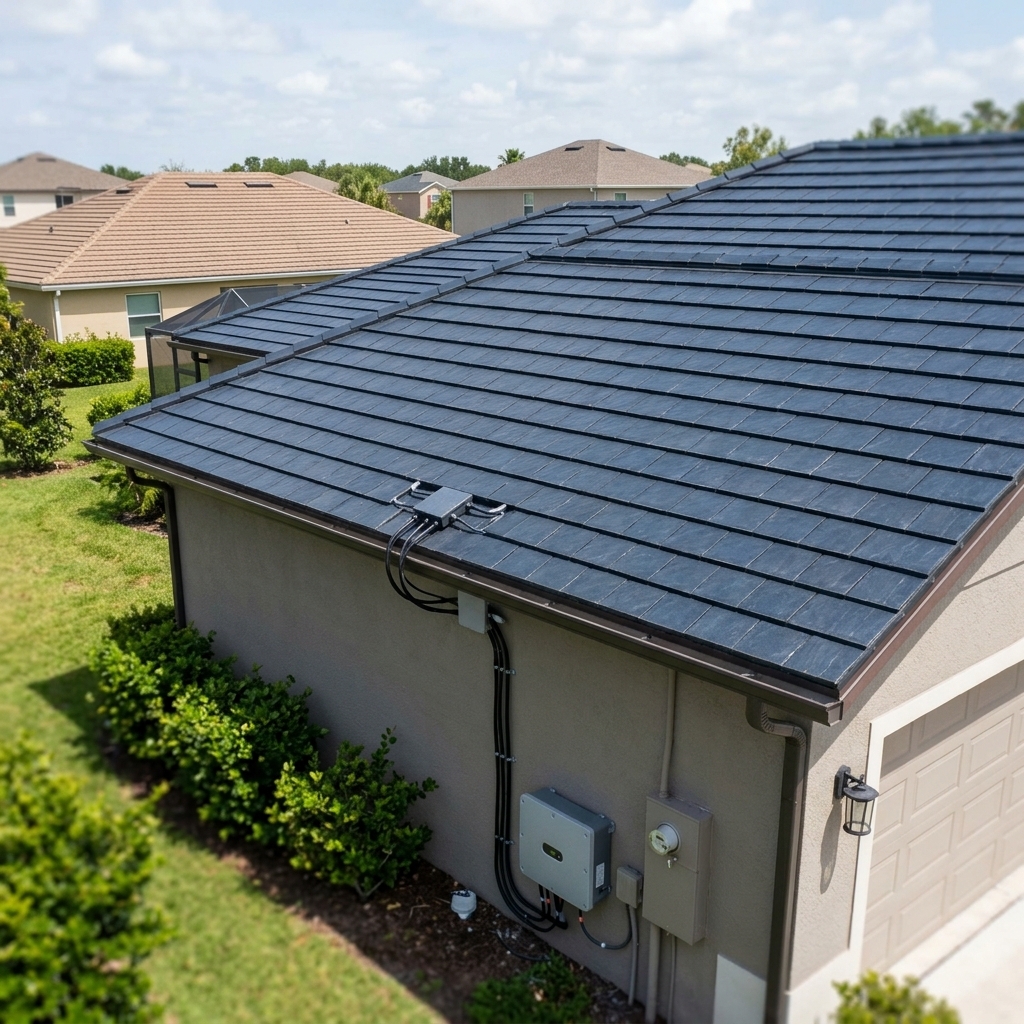
These tiles, also known as solar shingles or integrated photovoltaic (BIPV) roofing, are modern roofing materials designed to replace traditional roof surfaces while simultaneously generating electricity.
Unlike conventional panels mounted on top of roofs, solar tiles are embedded into the roof structure itself, creating a seamless and aesthetically appealing finish.
Key Characteristics of These tiles
- Fully integrated into roofing structure
- Sleek, modern architectural appearance
- Dual function: roofing + electricity generation
- Weather-resistant and durable
- Designed for modern architectural aesthetics
In high-end residential areas such as Karen, Runda, and Kilimani in Nairobi, these tiles are becoming a symbol of luxury sustainable living.
Understanding Traditional Solar Panels
Traditional solar panels are externally mounted photovoltaic modules installed on top of existing roofs using metal frames.
They are widely used across Kenya due to their:
- Affordability
- High energy efficiency
- Easy installation
- Scalability
From industrial facilities in Athi River to rural electrification projects in Kisumu and Western Kenya, traditional panels remain the most common solar energy solution.
They are typically installed on:
- Mabati roofs
- Flat concrete roofs
- Tilted residential roofs
These tiles vs Traditional Solar Panels: Key Differences
Below is a detailed comparison to help homeowners, architects, and developers make informed decisions.
Energy Efficiency
Solar panels currently outperform solar tiles in efficiency due to larger surface exposure and mature technology.
Aesthetic Appeal
Solar tiles win in design. They blend seamlessly into the roof, offering a modern architectural finish ideal for luxury homes in Nairobi and coastal villas in Mombasa.
Installation Method
- Solar Tiles: Integrated during roofing construction
- Solar Panels: Mounted on existing roofs
Cost Comparison
Solar tiles are significantly more expensive due to dual functionality (roof + energy system).
Maintenance
Solar panels are easier to repair and replace compared to integrated tiles.
Comparison Table: These tiles vs Traditional Solar Panels
| FeatureThese tilesTraditional Solar Panels | ||
| Appearance | Seamless, architectural | Visible mounted panels |
| Energy Efficiency | Moderate to High | High |
| Cost | High initial investment | Affordable |
| Installation | Complex (new roofing) | Simple retrofit |
| Maintenance | Moderate | Easy |
| Durability | High (roof-integrated) | High but exposed |
| Best For | Luxury homes, modern buildings | Residential & commercial bulk use |
Solar Energy and Roofing in Kenyan Climate
Kenya’s equatorial climate offers ideal solar energy conditions due to:
- High solar irradiance year-round
- Long daylight hours
- Minimal seasonal variation
However, different regions present unique challenges:
Nairobi & Kiambu
Moderate temperatures make both systems viable. Aesthetic preference often drives choice.
Mombasa & Coastal Region
High humidity and salt exposure favor durable, corrosion-resistant installations.
Kisumu & Western Kenya
High heat and humidity require efficient heat-resistant roofing systems.
Nakuru & Eldoret
Cooler climates with occasional hailstorms demand impact-resistant roofing materials.
Advantages of These tiles in Kenya
1. Premium Architectural Appeal
Solar tiles offer a sleek and modern finish, eliminating bulky installations. They are ideal for luxury developments in Nairobi suburbs like Karen, Runda, and Lavington.
2. Space Optimization
Since they replace roofing materials entirely, they maximize roof utility without requiring extra mounting structures.
3. Weather Integration
They are designed to function as both roof and energy system, making them highly weather-resistant when properly installed.
Advantages of Traditional Solar Panels in Kenya
1. High Energy Output
Traditional panels generally provide better watt-per-square-meter efficiency.
2. Lower Initial Cost
They are significantly cheaper to install, making them ideal for middle-income households and commercial buildings.
3. Flexibility
They can be installed on almost any roof type, including mabati and concrete structures.
4. Easy Maintenance
Damaged panels can be replaced individually without disturbing the roof structure.
Disadvantages of These tiles
Despite their innovation, solar tiles have limitations:
- High installation cost
- Requires full roof replacement
- Limited availability in Kenya
- Complex repair process
Disadvantages of Traditional Solar Panels
- Visible mounting structures
- Can affect roof aesthetics
- Vulnerable to theft in some areas
- Requires roof drilling during installation
Cost Analysis: Which is More Affordable in Kenya?
In Kenya’s construction market, cost plays a major role in decision-making.
- These tiles: High upfront cost, long-term aesthetic value
- Solar panels: Lower upfront cost, faster return on investment
Developers in Nairobi’s fast-growing real estate sector often choose panels for rental apartments, while solar tiles are preferred in high-end private residences.
Installation Process Overview
These tiles Installation
- Roof design integration during construction
- Structural reinforcement
- Tile placement with embedded photovoltaic cells
- Electrical system integration
- Final inspection and testing
Traditional Solar Panels Installation
- Roof assessment
- Mounting frame installation
- Panel placement
- Wiring and inverter connection
- System commissioning
Which Is Better for Kenyan Homeowners?
The answer depends on priorities:
- Choose these tiles if you prioritize aesthetics, modern architecture, and luxury design.
- Choose traditional solar panels if you prioritize affordability, energy efficiency, and quick installation.
For most Kenyan households, traditional solar panels remain the practical choice, while solar tiles are emerging as the premium future solution.
Integration with Modern Roofing Systems in Kenya
Modern roofing is evolving beyond simple shelter. Companies like Ali Glaziers Roofing Division are driving innovation in:
- Energy-efficient roofing materials
- Transparent roofing systems
- UV-stabilized polycarbonate roofing
- Hybrid roofing + energy solutions
Explore modern roofing solutions here:
And learn more about advanced materials:
Polycarbonate Roofing Sheets Kenya
Future of Solar Roofing in Kenya
The future is moving toward integrated smart buildings where roofing is no longer passive.
We are likely to see:
- Hybrid solar + roofing systems
- Transparent solar glass technology
- Smart energy monitoring roofs
- Lightweight energy-generating materials
Cities like Nairobi and Mombasa are already early adopters of sustainable building innovations, especially in commercial real estate and luxury housing.
Frequently Asked Questions About These tiles in Kenya
1. Are these tiles available in Kenya?
They are emerging but still less common compared to traditional solar panels.
2. Do solar panels work better than solar tiles?
Yes, traditional panels currently offer higher energy efficiency.
3. Which is cheaper in Kenya?
Traditional solar panels are significantly more affordable.
4. Can solar tiles replace an entire roof?
Yes, they are designed as full roofing systems.
5. Are solar systems suitable for Mombasa’s coastal climate?
Yes, both systems work well, but corrosion resistance is important.
6. How long do solar roofing systems last?
Typically 20–30 years depending on maintenance.
7. Which option is best for rental apartments in Nairobi?
Traditional solar panels due to lower cost and easy installation.
Conclusion: Choosing the Right Solar Roofing Solution in Kenya
Both these tiles and traditional solar panels represent important innovations in Kenya’s transition to sustainable energy.
If you want affordability, efficiency, and proven performance, traditional solar panels remain the best choice. If you want modern aesthetics, architectural integration, and long-term luxury appeal, these tiles are the future.
As Kenya continues to embrace green construction practices, roofing will increasingly become an energy-generating asset rather than just a protective layer.
Ali Glaziers Roofing Division continues to support modern roofing innovation by providing advanced, durable, and climate-ready roofing solutions tailored for Kenya’s diverse environments.
Upgrade to Unbreakable Roofing with Ali Glaziers Today!
Whether you are an architect designing a modern mall, a contractor securing an industrial warehouse, or a homeowner upgrading your patio pergola, Ali Glaziers Roofing Division has the perfect solution for the Kenyan climate.
Virtually Indestructible: Polycarbonate materials that are 200x stronger than glass.
UV-Stabilized: Advanced technology to prevent yellowing and sun damage.
Fast & Reliable Delivery: Countrywide, same-day, and next-day delivery options across Nairobi, Mombasa, Kisumu, Nakuru, Eldoret, and beyond.
Ready to transform your roof with modern, transparent solutions?
Visit Us: Funzi Road Branch: End of Funzi Road, Industrial Area – Ali Glaziers LTD Building, Nairobi.
Call/WhatsApp: +254 (0) 716 259 682 | +254 (0) 722 522 452
Email: info@aliglaziers.com
Shop Online: https://roofing.aliglaziers.com/shop/