
Learn the correct method for storing iron sheets on site, including stacking, lifting and protection against white rust, dents, scratches and coating damage.
Storing iron sheets on site correctly helps prevent white rust, dents, scratches and premature coating damage before the roofing is installed. Roofing sheets can be damaged before they ever reach the roof when they are dragged, stacked incorrectly, exposed to trapped moisture or left where vehicles and other construction activities can hit them.
Why Proper Roofing Sheet Storage Matters
Roofing sheets should be treated as finished building products from the moment they arrive on site. Poor handling can damage the protective coating, deform sheet profiles or create conditions that encourage corrosion.
Common causes of site damage include:
Shop Clear Mabati Sheets
View all Clear Mabati Sheets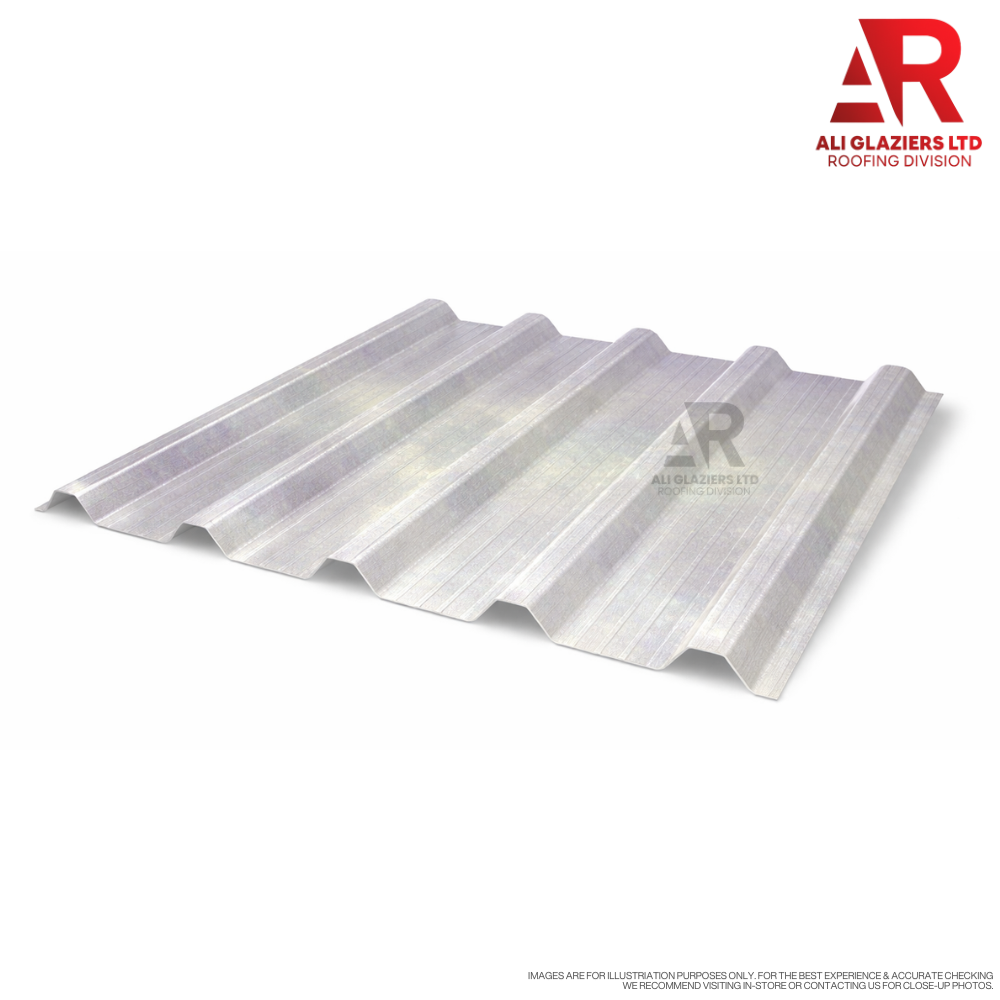
- Dragging sheets across one another
- Throwing sheets during unloading
- Stacking directly on the ground
- Allowing water to remain between sheets
- Walking on unsupported sheets
- Storing sheets in muddy areas
- Scratching coated surfaces
- Placing heavy materials on top of the sheets
Good storage protects both the appearance and expected service life of the roofing material.
Storing Iron Sheets on Site
The safest method is to place roofing sheets on raised, level supports in a dry, well-ventilated location with adequate protection from construction activity.
The storage area should:
- Be level
- Be away from standing water
- Have good drainage
- Provide sufficient space for handling
- Protect sheets from unnecessary traffic
- Allow air circulation around stacked materials
Avoid simply placing a bundle of sheets directly on bare soil.
How to Stack Roofing Sheets
Roofing sheets should be stacked neatly on suitable supports rather than left unevenly or pressed directly against the ground.
Use supports that keep the sheets clear of:
- Soil
- Mud
- Puddles
- Concrete slurry
- Construction chemicals
The supports should provide stable bearing without creating excessive bending or distortion.
For long sheets, provide sufficient support along their length to prevent unnecessary sagging.
Keep Roofing Sheets Off the Ground
Keeping roofing sheets elevated helps prevent contact with moisture and contaminants that can damage the protective coating.
Suitable supports can include:
- Timber bearers
- Purpose-designed pallets
- Stable raised platforms
The supporting surface should be clean and strong enough to carry the bundle without collapsing.
Do not use unstable bricks, loose stones or other improvised supports that could cause the stack to shift.
Protecting Roofing Sheets From Water
Water trapped between tightly packed sheets is one of the conditions that can contribute to white rust, particularly on galvanized or zinc-coated products.
This is why storage should allow:
- Drainage
- Air circulation
- Separation from wet surfaces
- Protection from prolonged moisture
Simply covering a wet bundle tightly with an impermeable material can sometimes trap moisture rather than solve the problem.
What Is White Rust on Mabati?
White rust on mabati is a whitish corrosion product that can develop on zinc-coated surfaces when moisture becomes trapped against the coating, particularly where ventilation is poor.
It may appear as:
- White powder
- Greyish-white staining
- Chalky deposits
- Localised surface corrosion
It is different in appearance from the familiar reddish-brown rust associated with exposed steel.
How to Prevent White Rust on Mabati
Preventing white rust on mabati starts with keeping bundles dry and ventilated rather than allowing condensation or rainwater to remain trapped between sheets.
Good practices include:
- Store sheets above ground.
- Keep the storage area well drained.
- Avoid tightly wrapping damp sheets.
- Provide airflow around bundles.
- Inspect deliveries after rain.
- Separate visibly wet materials where appropriate.
- Follow the manufacturer's storage instructions.
The earlier moisture problems are identified, the easier they are to manage.
Should Roofing Sheets Be Covered?
Roofing sheets should be protected from direct exposure to weather, but the method of covering must still allow moisture to escape.
A suitable cover can protect against:
- Rain
- Dirt
- Construction debris
- Direct exposure
However, avoid creating a sealed, damp enclosure around the sheets.
Where the manufacturer's instructions specify a particular storage method, those instructions should take priority.
Handling Roofing Sheets During Unloading
Careful unloading prevents dents, scratches and permanent deformation before installation begins.
Workers should:
- Plan where the sheets will be placed
- Use enough people for manual handling
- Support long sheets adequately
- Avoid dropping bundles
- Keep sheets from dragging against rough surfaces
Mechanical lifting equipment may be appropriate for large or heavy bundles.
Never Drag Roofing Sheets
Dragging one roofing sheet across another can scratch the coating and create visible damage along the surface.
Instead:
- Lift the sheet
- Support it adequately
- Carry it clear of other materials
- Place it gently
Scratches may expose the underlying metal or weaken the protective finish.
Handling Long Roofing Sheets
Long roofing sheets can bend or buckle if they are lifted from the wrong points or allowed to flex excessively.
For long sheets:
- Use enough handlers
- Support the sheet along its length
- Avoid lifting only from one end
- Keep the sheet level where practical
- Prevent contact with sharp edges
Follow the supplier's handling recommendations for unusually long or heavy sheets.
Avoid Bending Profiled Sheets
Profiled roofing sheets can be permanently distorted if they are bent, twisted or improperly supported during handling.
Damage can affect:
- Sheet appearance
- Side laps
- End laps
- Fixing alignment
- Weather tightness
Once a profile is badly deformed, it may not sit correctly on the roof.
Storing Different Roofing Profiles
Different roofing profiles should be kept organised so that sheets are not mixed, crushed or repeatedly moved during construction.
Separate materials by:
- Profile
- Length
- Thickness/gauge
- Colour
- Project area
Good organisation reduces unnecessary handling.
Storing Coloured and Coated Sheets
Pre-painted and coated roofing sheets require additional care because scratches and surface damage can affect the appearance and protective finish.
Avoid contact with:
- Sharp tools
- Nails
- Metal offcuts
- Welding sparks
- Cement
- Chemicals
- Abrasive surfaces
Construction work involving grinding or welding should be kept away from stored coated sheets.
Protect Roofing Sheets From Cement
Wet cement and construction chemicals should not be allowed to remain on roofing sheets because they can stain or damage the surface.
If contamination occurs, follow the manufacturer's cleaning recommendations rather than using aggressive chemicals.
Never assume that a strong solvent or abrasive cleaner is safe for a coated roofing surface.
Keep Welding and Grinding Away
Hot metal particles from welding, cutting and grinding can burn or damage coated roofing sheets.
Where possible:
- Perform hot works away from stored roofing materials
- Shield nearby sheets
- Remove combustible or vulnerable materials
- Clean the area after hot work
This is particularly important on finished painted or coated products.
Protecting Roofing Sheets From Dents
Dents commonly occur when workers step on bundles, place heavy materials on sheets or drop tools onto the stack.
Avoid using roofing bundles as:
- Work platforms
- Benches
- Storage surfaces
- Access routes
Keep other construction materials away from the sheet stack.
Do Not Store Heavy Materials on Roofing Sheets
Roofing sheets should not be used as a temporary platform for bricks, timber, pipes, tools or other construction materials.
Extra weight can cause:
- Dents
- Profile deformation
- Scratches
- Stack instability
Keep the roofing materials reserved for their intended purpose.
Moving Sheets to the Roof
Moving roofing sheets from the ground to the roof requires planning to prevent bending, dropping and coating damage.
Depending on the project, sheets may be moved using:
- Manual carrying
- Ropes
- Mechanical lifting equipment
- Purpose-designed lifting systems
Never improvise a lifting method that puts workers or the sheets at unnecessary risk.
Carry Sheets Vertically When Appropriate
Long sheets can sometimes be easier to control when carried in an orientation that reduces bending, but the exact handling method should follow the manufacturer's guidance and site safety requirements.
The priority is to:
- Prevent excessive flexing
- Maintain worker control
- Avoid contact with structures
- Protect sheet edges
- Keep workers clear of unstable loads
Manual handling should be assessed according to sheet length and weight.
Inspect Roofing Sheets on Delivery
Inspect roofing sheets when they arrive so that transport or manufacturing damage can be identified before the materials are distributed around the site.
Check for:
- Dents
- Scratches
- Bent edges
- Damaged profiles
- Wet bundles
- Coating defects
- Incorrect quantities
- Incorrect lengths
- Wrong colours or profiles
Photograph significant damage and notify the supplier promptly.
What If Roofing Sheets Arrive Wet?
Wet roofing sheets should not simply be left tightly bundled to dry on their own because trapped moisture can contribute to coating corrosion.
The appropriate response depends on the product and manufacturer's instructions.
Generally, the site team should:
- Identify the affected bundles
- Prevent additional water exposure
- Improve ventilation
- Follow supplier guidance
- Document the condition
Do not conceal the issue under an airtight cover.
Storing Roofing Sheets During the Rainy Season
Rainy conditions require additional attention to drainage, ventilation and protection because repeated wetting increases the risk of moisture remaining trapped around stored sheets.
Before heavy rain:
- Check the storage supports
- Confirm drainage
- Secure protective covers
- Keep bundles elevated
- Remove standing water
- Inspect covers after rainfall
The storage location should not become a collection point for runoff.
Site Storage Checklist
A simple storage checklist can prevent many avoidable roofing material failures before installation.
- Storage area is level
- Sheets are raised above ground
- Supports are stable
- Drainage is adequate
- Bundles are protected from rain
- Air circulation is maintained
- Sheets are not dragged
- Long sheets are properly supported
- Heavy materials are kept away
- Welding/grinding is controlled
- Cement and chemicals are kept away
- Bundles are identified by profile and length
- Delivery damage is documented
- Manufacturer storage instructions are available
Common Storage Mistakes
Avoiding a few common site practices can significantly reduce roofing sheet damage and unnecessary replacement costs.
Storing Directly on Soil
This exposes the material to moisture and contamination.
Covering Wet Sheets Airtight
This can trap moisture and encourage white rust.
Dragging Sheets
This can scratch coatings and deform edges.
Using Bundles as Platforms
Workers can dent or distort the sheets.
Poor Drainage
Standing water increases moisture exposure.
Mixing Different Profiles
This creates unnecessary handling and confusion during installation.
Leaving Sheets Near Hot Works
Sparks and hot particles can damage coatings.
Final Thoughts
Properly storing and handling roofing sheets on site protects the investment made in the roofing system and reduces avoidable damage before installation. The basic principles are straightforward: keep sheets elevated, dry and ventilated; handle them without dragging or bending; protect coated surfaces; and inspect materials as soon as they arrive.
For Kenyan construction sites, particular attention should be paid to white rust mabati, especially where bundles are exposed to rain or trapped moisture.
The goal is simple:
Receive correctly → store correctly → handle carefully → inspect before installation.
That process helps ensure the roofing sheets reach the roof in the same condition in which they were supplied.