Properly storing iron sheets on site is essential to prevent white rust, warping, and coating damage. Learn the best stacking, dunnage, covering, and ventilation practices to keep your roofing sheets in excellent condition before installation.
Storing Iron Sheets on Site in Kenya: Avoid White Rust and Warping
Ordering quality iron sheets is only the first step towards building a durable roof. How those sheets are handled and stored before installation has a significant impact on their condition and lifespan. Proper storing iron sheets practices protect the roofing materials from moisture, physical damage, corrosion, and distortion while ensuring they remain in excellent condition until installation begins.
Construction projects do not always proceed according to schedule. Roofing sheets may remain on site for several days or even weeks before installation. During this time, exposure to rain, ground moisture, poor ventilation, or improper stacking can lead to white rust, warped sheets, scratched coatings, and costly material losses. Fortunately, these problems can be prevented with correct storage techniques.
At Ali Glaziers Roofing Solutions, we supply premium roofing sheets and provide professional roofing installation services for residential, commercial, industrial, agricultural, and institutional projects throughout Kenya. Learn more about our expertise by visiting our Roofing About Us page.
Shop Ventilation
View all Ventilation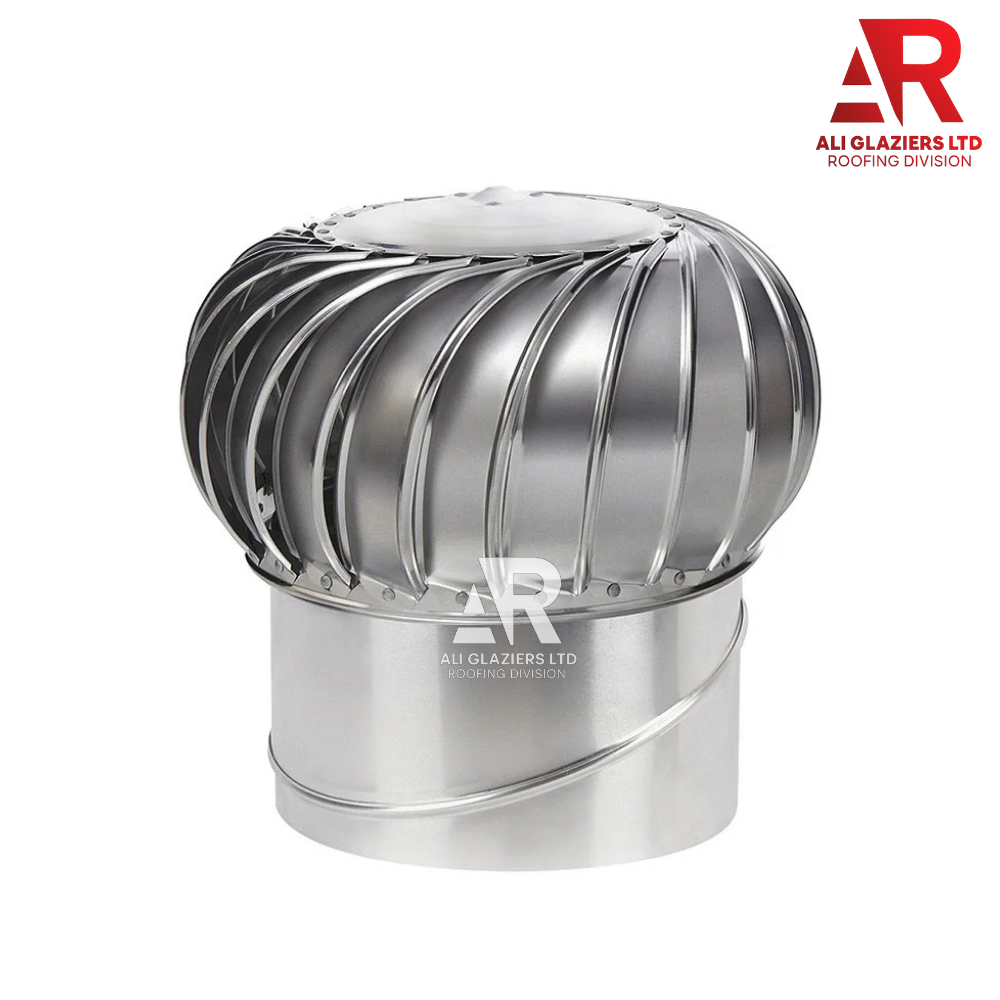
STAINLESS STEEL CYCLONES
Why Properly Storing Iron Sheets Is Important
Properly storing iron sheets protects them from moisture, corrosion, physical damage, and distortion before installation. Correct storage also preserves the manufacturer's protective coating and extends the lifespan of the roofing system.
Although roofing sheets are manufactured to withstand harsh outdoor conditions after installation, they are more vulnerable while stacked together on a construction site.
Poor storage can result in:
- White rust
- Warped sheets
- Bent edges
- Surface scratches
- Damaged paint coatings
- Water staining
- Difficult installation
Following recommended storage procedures helps avoid unnecessary replacement costs and installation delays.
Understanding White Rust
White rust is one of the most common problems caused by improperly storing iron sheets. It develops when moisture becomes trapped between stacked galvanised roofing sheets with limited airflow.
Unlike ordinary red rust, white rust forms on zinc-coated roofing materials.
Common causes include:
- Rainwater trapped between sheets
- Condensation
- Poor ventilation
- Wet packaging
- Long-term outdoor storage
If left untreated, white rust can weaken the protective zinc coating and reduce the lifespan of the roofing sheets.
Choose a Dry Storage Location
The best place for storing iron sheets is a dry, well-ventilated area that protects the materials from rain, standing water, and excessive humidity.
Suitable storage locations include:
- Covered warehouses
- Dry storage sheds
- Well-ventilated garages
- Temporary site shelters
Avoid storing roofing sheets:
- Directly on bare ground
- Under leaking roofs
- In areas prone to flooding
- Against damp walls
Keeping roofing materials dry is the most effective way to prevent corrosion.
Use Dunnage to Keep Sheets Off the Ground
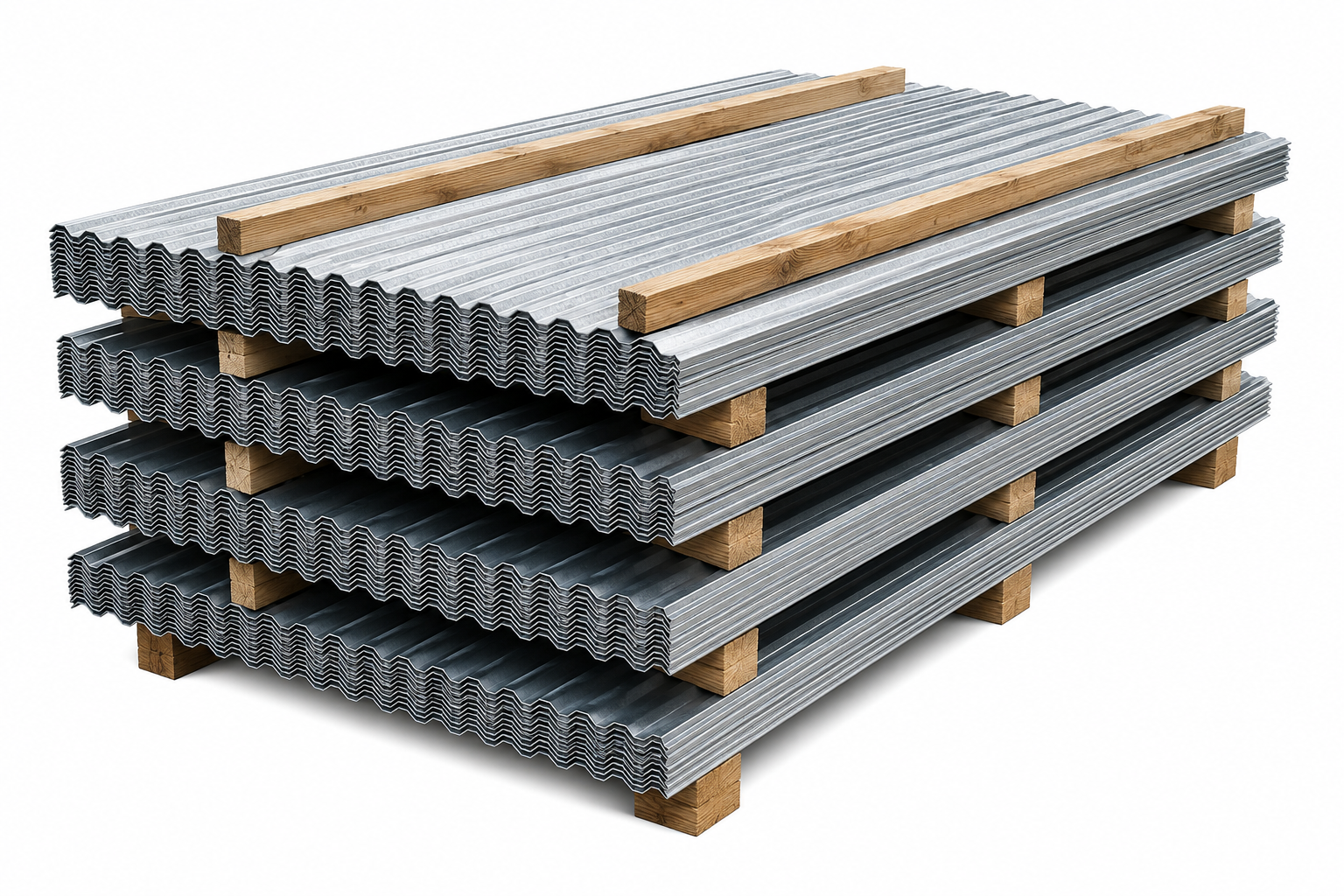
Dunnage creates a raised platform that prevents ground moisture from reaching roofing sheets while improving airflow beneath the stack.
Dunnage may consist of:
- Timber blocks
- Treated wooden beams
- Steel supports
- Concrete sleepers
The supports should:
- Be level
- Be evenly spaced
- Provide continuous support
- Keep sheets clear of standing water
Proper support also helps prevent bending during storage.
Stack Roofing Sheets Correctly
Correct stacking prevents warping, edge damage, and unnecessary pressure on roofing sheets during storage.
Roofing sheets should be stacked:
- On a flat surface
- In neat bundles
- With full-length support
- Without excessive weight on top
Avoid:
- Uneven stacks
- Unsupported overhangs
- Leaning bundles against walls
- Excessively high stacks
Proper stacking maintains the original profile of every sheet.
Protect Roofing Sheets with Suitable Covers
Roofing sheets should be covered to protect them from rain and direct sunlight, but covers must also allow adequate airflow to prevent condensation.
Suitable covers include:
- Breathable tarpaulins
- Waterproof sheeting with ventilation gaps
- Purpose-made storage covers
Avoid wrapping roofing sheets tightly in plastic because trapped moisture encourages white rust.
Instead, leave space for air circulation beneath the cover.
Allow Good Air Circulation
Air circulation is essential when storing iron sheets because it helps moisture evaporate before white rust develops.
Ventilation reduces:
- Condensation
- Moisture accumulation
- Surface staining
- Corrosion risks
Never store roofing sheets inside completely sealed plastic wrapping for extended periods.
Prevent Warping During Storage
Warping occurs when roofing sheets are improperly supported or exposed to uneven pressure during storage.
To prevent distortion:
- Support the full sheet length
- Use evenly spaced dunnage
- Avoid excessive loads
- Store bundles horizontally
- Protect sheets from accidental impacts
Warped roofing sheets may become difficult to install and can affect the finished appearance of the roof.
Handle Roofing Sheets Carefully
Careful handling prevents scratches, bent edges, and coating damage while moving roofing sheets around the construction site.
When lifting roofing sheets:
- Carry rather than drag them
- Support long sheets evenly
- Use sufficient personnel
- Avoid dropping bundles
- Protect painted surfaces
Dragging sheets across one another can damage protective coatings and expose the metal beneath.
Inspect Roofing Sheets Before Installation
Inspecting roofing sheets before installation helps identify any storage-related damage that should be addressed before the roofing work begins.
Check for:
- White rust
- Surface scratches
- Bent corners
- Warped sheets
- Moisture stains
- Damaged coatings
Identifying problems early prevents installation complications later.
How Long Can Iron Sheets Be Stored?
Roofing sheets can be stored safely for extended periods when protected from moisture, supported correctly, and inspected regularly.
For long-term storage:
- Keep bundles dry
- Maintain ventilation
- Inspect regularly
- Replace damaged covers promptly
- Remove standing water immediately
Regular inspections ensure the roofing materials remain ready for installation whenever construction progresses.
Why Choose Ali Glaziers Roofing Solutions?
Ali Glaziers Roofing Solutions supplies premium roofing sheets, roofing accessories, structural steel, and complete roofing systems for projects throughout Kenya.
Our services include:
- Roofing sheet supply
- Roof installation
- Roof repairs
- Structural steel fabrication
- Commercial roofing
- Residential roofing
- Agricultural roofing
- Roofing accessories
Browse our complete roofing range through our Roofing Shop.
To learn more about our roofing expertise and nationwide installation services, visit our Roofing About Us.
Need advice on selecting, transporting, or storing roofing sheets? Request professional assistance through our Contact Us page.
Contact Us Today
Whether you're purchasing roofing sheets for a home, warehouse, church, school, factory, or agricultural project, Ali Glaziers Roofing Solutions is ready to help you protect your investment from delivery to installation.
Visit Us
Funzi Road Branch, End of Funzi Road, Industrial Area
Ali Glaziers LTD Building
Nairobi, Kenya
Call / WhatsApp
+254 (0) 716 259 682
+254 (0) 722 522 452
info@aliglaziers.com
Shop Online
https://roofing.aliglaziers.com/shop/
Learn More
https://roofing.aliglaziers.com/roofing-about-us/
Request a Quote
https://roofing.aliglaziers.com/contact-us/
Our experienced team can help you select the right roofing materials, arrange safe delivery, and provide expert installation services that ensure your roofing system performs reliably for many years