The Impact of Climate Change on Roof Durability in Kenya
Why Climate Change Is Now a Roofing Problem
Climate change roofing is no longer a distant environmental discussion—it is a daily construction reality in Kenya. From unpredictable rainfall patterns in Nairobi to intensified coastal storms in Mombasa and rising heat levels in Kisumu and Eldoret, buildings are under more stress than ever before.
Roofs, in particular, are on the frontline of this climate shift. They are exposed to stronger UV radiation, heavier rainstorms, increased humidity, and sudden temperature fluctuations. Traditional roofing materials that once lasted decades are now deteriorating faster than expected.
This article explores how climate change is affecting roof durability in Kenya and how builders, architects, and homeowners can adapt using extreme-weather roofing products, modern engineering materials, and long-term design strategies.
Shop Solid Polycarbonate Sheets
View all Solid Polycarbonate Sheets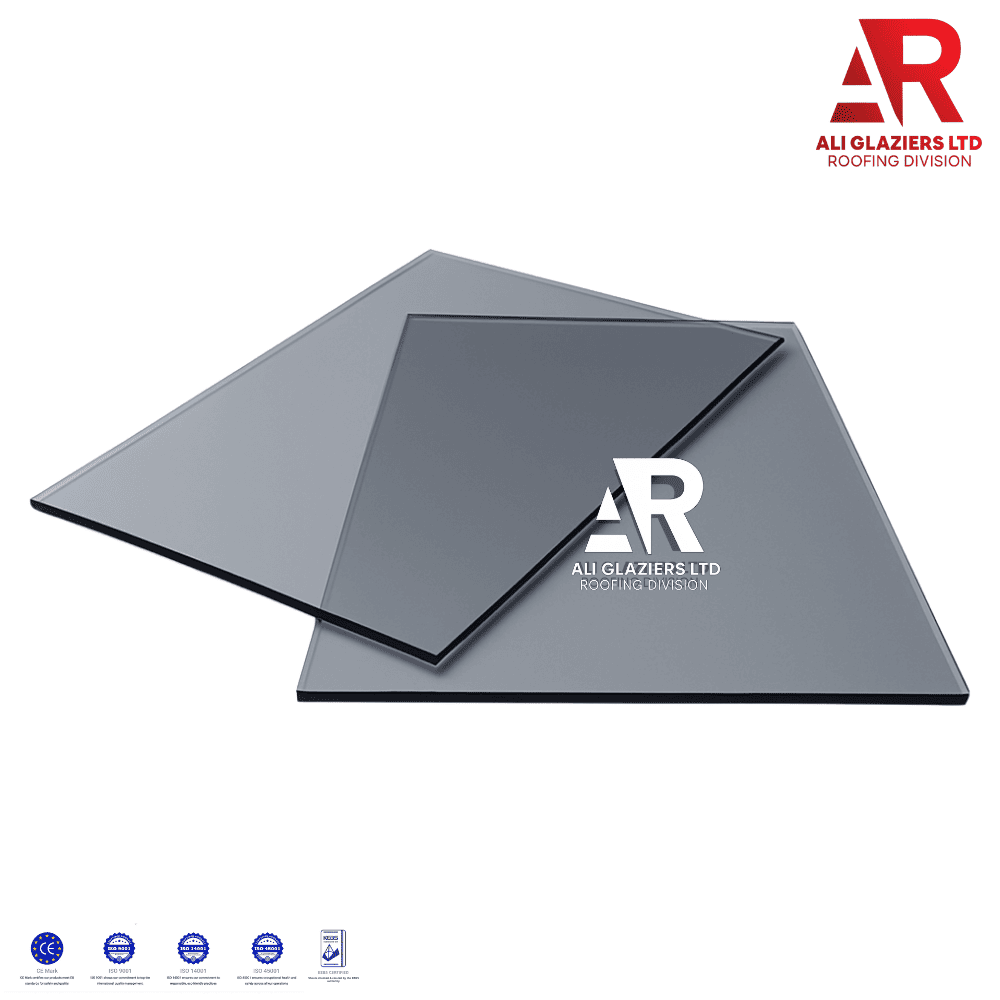
GREY SOLID POLYCARBONATE SHEETS
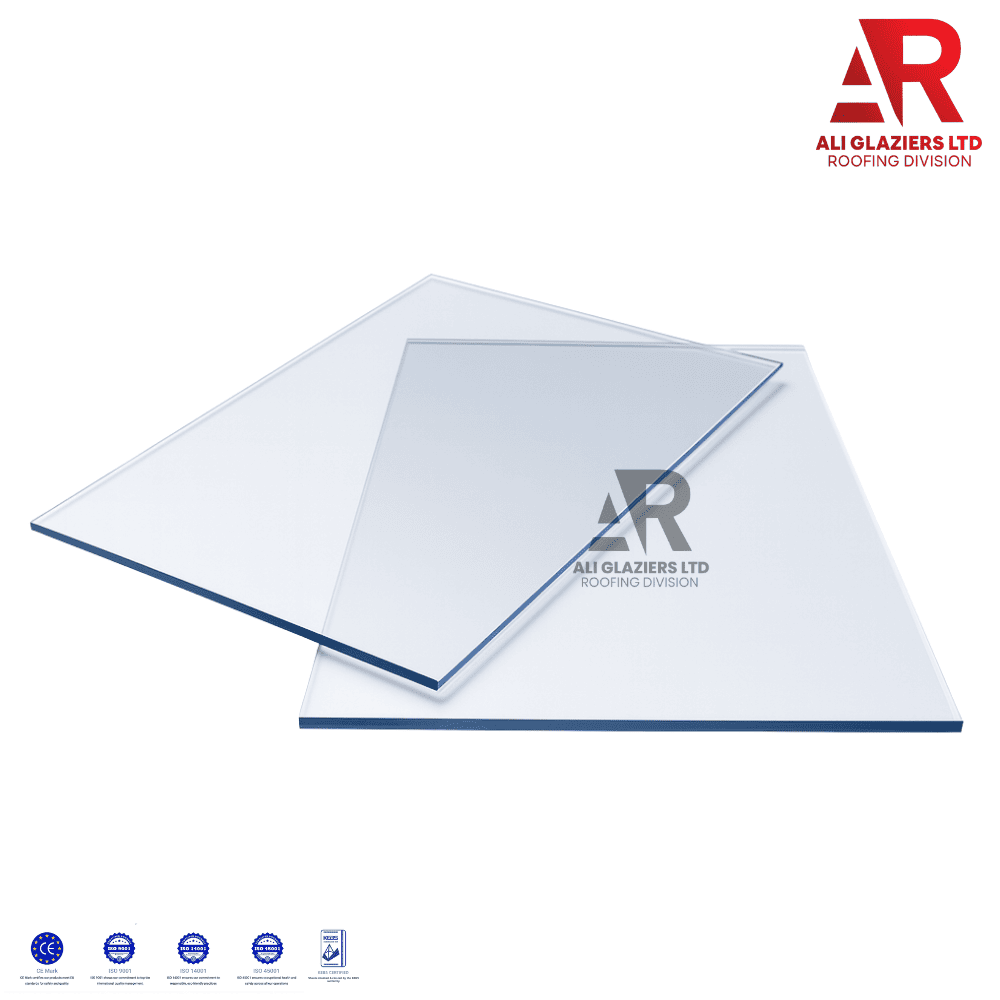
CLEAR SOLID POLYCARBONATE SHEETS
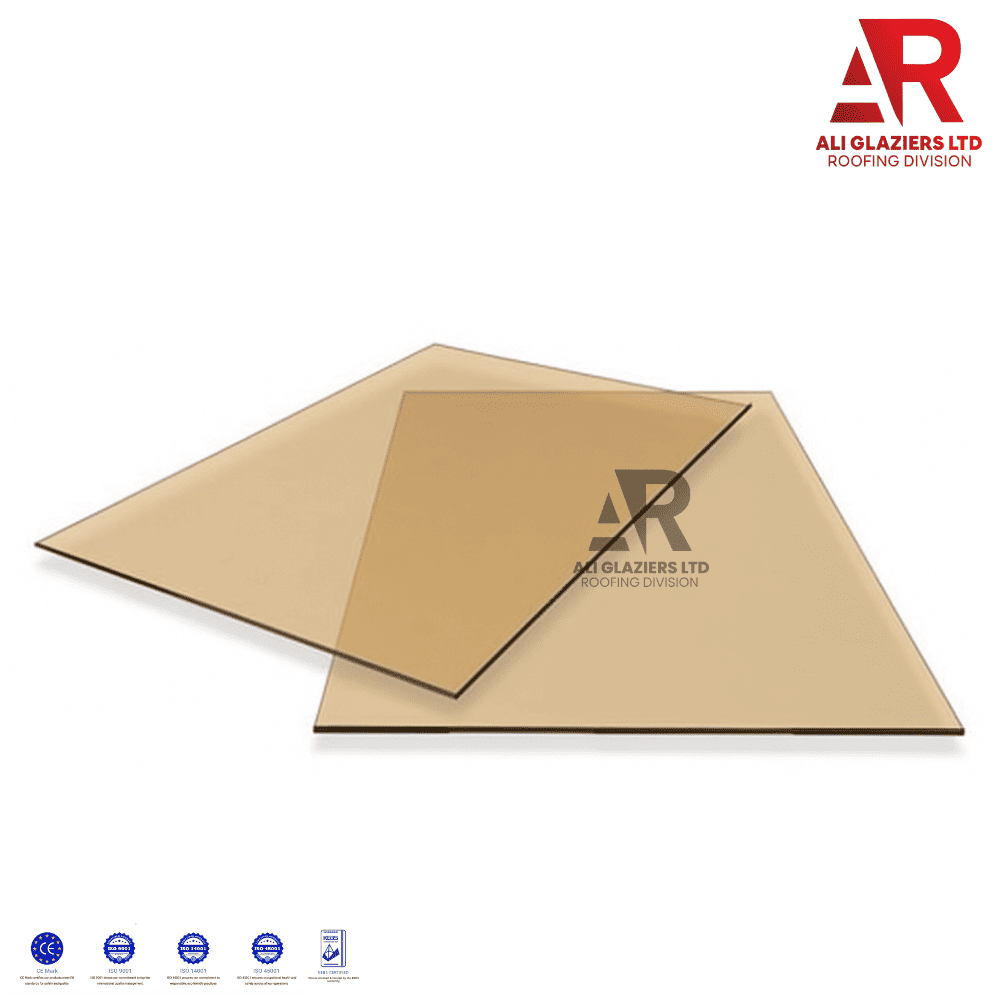
BRONZE SOLID POLYCARBONATE SHEETS
We will also explore how Ali Glaziers Roofing Division is supporting Kenya’s construction industry with durable, UV-stabilized, and climate-resilient roofing systems designed for modern environmental challenges.
Understanding climate change roofing Stress in Kenya
Kenya’s climate zones vary widely, but all regions are experiencing increasing environmental pressure.
1. Rising Temperatures and UV Exposure
In cities like Nairobi and Nakuru, rooftop surfaces are exposed to stronger UV radiation. This causes:
- Faster material fading
- Weakening of polymer bonds
- Increased internal heat buildup
2. Unpredictable Rainfall Patterns
Flooding rains now occur more intensely in short bursts. This leads to:
- Roof leakage in poorly sealed structures
- Structural stress from water accumulation
- Faster corrosion in metal roofs
3. Coastal Humidity and Salt Corrosion
In Mombasa and coastal towns, salt-laden air accelerates:
- Rusting of metal roofs
- Sealant degradation
- Structural weakening of joints
4. Stronger Wind and Storm Events
Sudden storms in regions like Kisumu and Western Kenya result in:
- Roof panel uplift
- Broken or displaced sheets
- Long-term structural fatigue
These combined effects make durable roof materials more important than ever.
How Climate Change Is Redefining Roof Durability Standards
Modern roofing is no longer just about covering a structure—it is about climate adaptation.
Traditional Roofing Weaknesses
Older materials such as mabati (iron sheets) and standard glass roofing systems struggle with:
- Heat absorption leading to indoor discomfort
- Corrosion over time
- Noise during rainfall
- Limited lifespan under extreme weather
Modern Roofing Requirements
Today’s roofs must:
- Resist UV degradation
- Handle thermal expansion and contraction
- Withstand heavy rainfall impact
- Maintain structural integrity under wind stress
This shift is pushing developers toward advanced materials like polycarbonate roofing systems, engineered specifically for extreme weather environments.
Climate Change Roofing Solutions in Kenya
Modern architecture in Kenya is increasingly turning to engineered roofing systems that balance durability, aesthetics, and climate resilience.
Ali Glaziers Roofing Division provides advanced roofing technologies including:
- Polycarbonate Roofing Sheets Category
- Egyptian Solid Polycarbonate Sheets
- Egyptian Clear Solid Polycarbonate
These materials are engineered to withstand the evolving Kenyan climate.
Why Polycarbonate Is an Extreme Weather Roofing Product
Polycarbonate is rapidly becoming the preferred solution for climate-resilient construction due to its unique properties.
Key Advantages
- Impact resistance up to 200x stronger than glass
- UV-stabilized protection against sun damage
- Lightweight yet structurally strong
- High flexibility under thermal expansion
- Excellent light transmission without overheating
Performance in Kenyan Conditions
- Nairobi: Reduces heat stress in urban buildings
- Mombasa: Resists salt air corrosion
- Kisumu: Handles humidity and rainfall efficiently
- Eldoret: Adapts to temperature fluctuations
Comparison Table: Climate Resilience of Roofing Materials
| FeaturePolycarbonate RoofingMabati (Iron Sheets)Glass Roofing | |||
| UV Resistance | High (UV-stabilized) | Medium (fades over time) | Low (heat buildup) |
| Storm Resistance | Very High | Medium | Low |
| Corrosion Resistance | Excellent | Poor in coastal areas | Excellent but fragile |
| Heat Management | Excellent diffusion | Poor (heat retention) | Poor (greenhouse effect) |
| Lifespan in Extreme Weather | Long-term (20+ years) | Moderate | Moderate |
| Safety | High impact resistance | Moderate | Low (breakable) |
This comparison shows why durable roof materials like polycarbonate outperform traditional systems under climate stress.
Costs of Climate-Resilient Roofing in Kenya
While advanced roofing systems may have a higher initial cost, they offer long-term savings.
Cost Factors
- Material quality and thickness
- Installation complexity
- Structural support requirements
- Project scale
Long-Term Value Benefits
- Reduced replacement frequency
- Lower maintenance costs
- Energy savings due to natural lighting
- Reduced cooling costs in hot climates
Over time, climate-resilient roofing systems often become more cost-effective than traditional materials.
Applications of Extreme Weather Roof Products
Residential Buildings
- Patios in Nairobi estates
- Skylights in modern homes
- Balcony enclosures in apartments
Commercial Buildings
- Shopping mall roofing systems
- Restaurant outdoor seating covers
- Office skylight installations
Industrial Structures
- Warehouse daylight roofing
- Factory ventilation roofing systems
- Logistics loading bays
Climate Adaptation Through Smart Roofing Design
1. Heat Reduction Strategies
Using transparent roofing materials that diffuse sunlight helps reduce indoor heat accumulation.
2. Rainwater Management
Proper roof slope and drainage systems prevent water pooling and structural damage.
3. UV Protection Integration
UV-coated roofing materials extend lifespan and protect interior furnishings.
4. Structural Reinforcement
Engineered frames ensure roofs withstand stronger wind loads and storm pressure.
Installation Considerations for Extreme Weather Roofing
Proper installation is critical to roof performance under climate stress.
Key Steps
- Use expansion-friendly mounting systems
- Ensure proper sealing against water ingress
- Reinforce structural framing
- Align sheets according to UV coating orientation
- Conduct post-installation inspections
Professional support is available through Ali Glaziers Roofing Division:
Maintenance of climate change roofing Durable Roof Materials
Even advanced roofing systems require basic maintenance:
- Regular cleaning to remove dust and debris
- Inspection after heavy storms
- Checking sealants annually
- Avoiding harsh chemical cleaners
- Ensuring drainage systems remain clear
Proper maintenance significantly extends roof lifespan even under extreme weather conditions.
Future of climate change roofing
The future of construction in Kenya will be defined by climate adaptability. Roofing systems will need to:
- Respond to unpredictable weather
- Improve energy efficiency
- Reduce environmental impact
- Increase structural resilience
Ali Glaziers continues to support this transition by providing advanced roofing solutions through its online platform:
Frequently Asked Questions About Climate Change Roofing in Kenya
1. How does climate change affect roofs in Kenya?
It increases UV exposure, rainfall intensity, and temperature fluctuations, all of which reduce roof lifespan.
2. What is the best roofing material for extreme weather?
Polycarbonate roofing is one of the best due to its strength, UV resistance, and flexibility.
3. Does heavy rain damage modern roofing systems?
Not if properly installed. Modern roofing is designed to handle heavy rainfall efficiently.
4. Are metal roofs still suitable for coastal Kenya?
They require protective coatings, but still face corrosion risks compared to polycarbonate.
5. Can roofing materials help reduce heat indoors?
Yes. UV-stabilized transparent materials help regulate indoor temperature.
6. How long do climate-resistant roofs last?
Typically 15–25 years depending on material quality and maintenance.
7. Where can I buy durable roofing materials in Kenya?
From trusted suppliers like Ali Glaziers Roofing Division.
Conclusion: Building Climate-Resilient Roofs for Kenya’s Future
Climate change is fundamentally reshaping how buildings are designed and protected. Roofing is no longer a static construction element—it is a dynamic system that must adapt to environmental stress.
By choosing extreme-weather roofing products such as polycarbonate systems, developers and homeowners in Kenya can protect their investments, reduce maintenance costs, and improve building performance.
Ali Glaziers Roofing Division remains at the forefront of this transformation, delivering durable, UV-stabilized, and future-ready roofing solutions across Kenya’s diverse climate zones.
Upgrade to Unbreakable Roofing with Ali Glaziers Today!
Whether you are an architect designing a modern mall, a contractor securing an industrial warehouse, or a homeowner upgrading your patio pergola, Ali Glaziers Roofing Division has the perfect solution for the Kenyan climate.
Virtually Indestructible: Polycarbonate materials that are 200x stronger than glass.
UV-Stabilized: Advanced technology to prevent yellowing and sun damage.
Fast & Reliable Delivery: Countrywide, same-day, and next-day delivery options across Nairobi, Mombasa, Kisumu, Nakuru, Eldoret, and beyond.
Ready to transform your roof with modern, transparent solutions?
Visit Us: Funzi Road Branch: End of Funzi Road, Industrial Area – Ali Glaziers LTD Building, Nairobi.
Call/WhatsApp: +254 (0) 716 259 682 | +254 (0) 722 522 452
Email: info@aliglaziers.com
Shop Online: https://roofing.aliglaziers.com/shop/