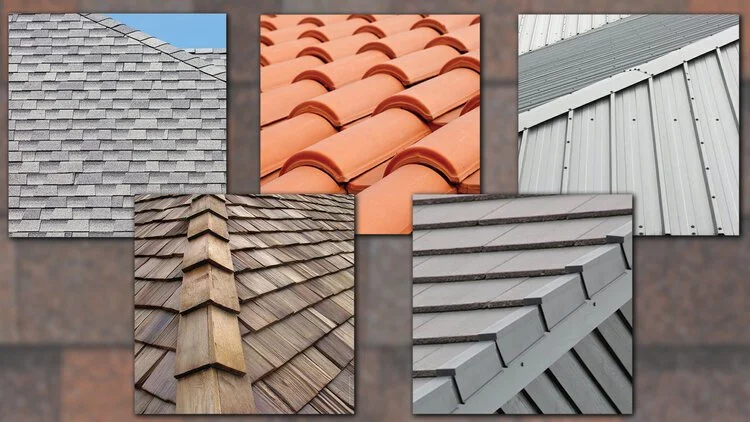
Choosing the best roofing materials is one of the most important decisions for any homeowner or developer in Kenya. A roof not only protects your home from harsh weather conditions but also determines its long-term durability, energy efficiency, and overall aesthetic appeal. In Kenya’s diverse climate—ranging from the hot coastal regions of Mombasa to the cooler highlands of Eldoret—selecting the right roofing solution becomes even more critical.
Many property owners struggle to balance cost, durability, and design when selecting roofing products. With options like mabati, clay tiles, concrete tiles, and modern polycarbonate systems, understanding what truly works best for your environment is essential.
Many homeowners and developers struggle with balancing durability, aesthetics, and cost. Should you choose traditional mabati? Are concrete tiles worth the investment? Or is modern polycarbonate roofing the future of residential and commercial architecture?
Shop Polycarbonate Sheets
View all Polycarbonate Sheets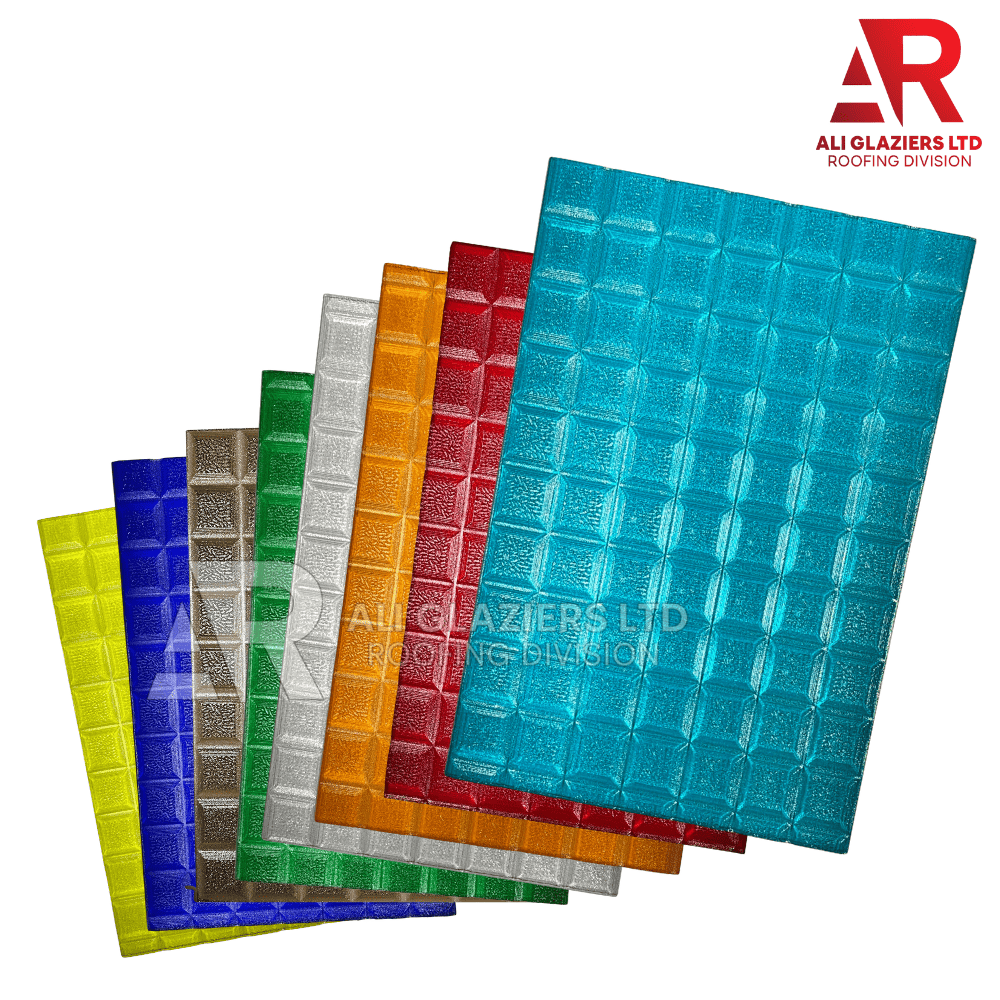
GRIDFLEX SOLID EMBOSSED POLYCARBONATE SHEETS
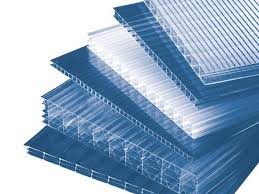
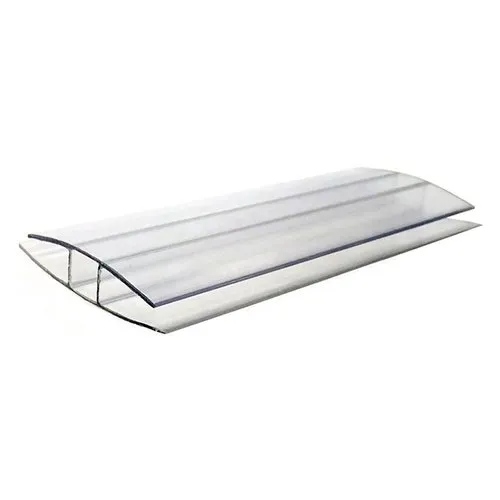
H-CONNECTOR FOR POLYCARBONATE SHEETS
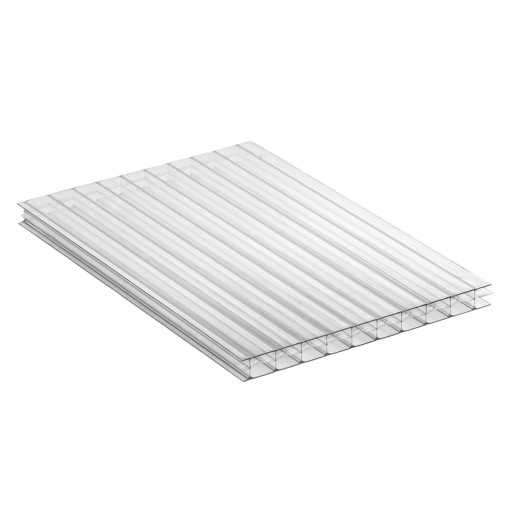
This comprehensive guide breaks down the best roofing materials available today, helping homeowners, architects, and contractors in Kenya make informed decisions. We will explore material performance, climate suitability, pricing considerations, and long-term value—while also highlighting modern innovations offered by Ali Glaziers Roofing Division.
Understanding Roofing Materials in the Kenyan Context
Kenya’s environment presents unique roofing challenges:
- Intense equatorial UV radiation
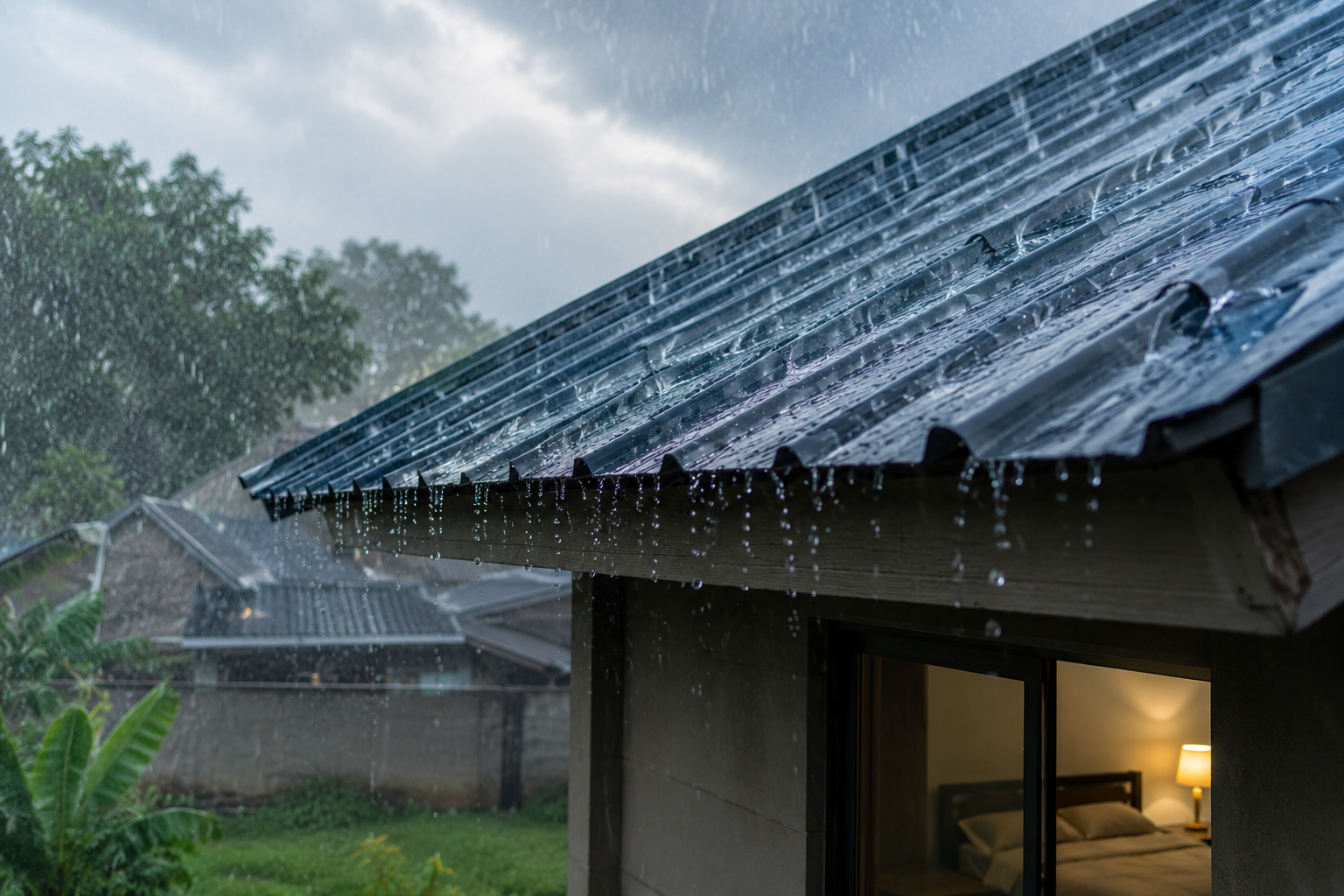
- Seasonal heavy rainfall
- Coastal humidity and salt corrosion
- Temperature variation across regions
- Dust and wind exposure in semi-arid areas
Because of these conditions, roofing materials must be selected not just for appearance but for resilience and longevity.
Before diving into comparisons, it is important to understand the most commonly used roofing materials in Kenya today:
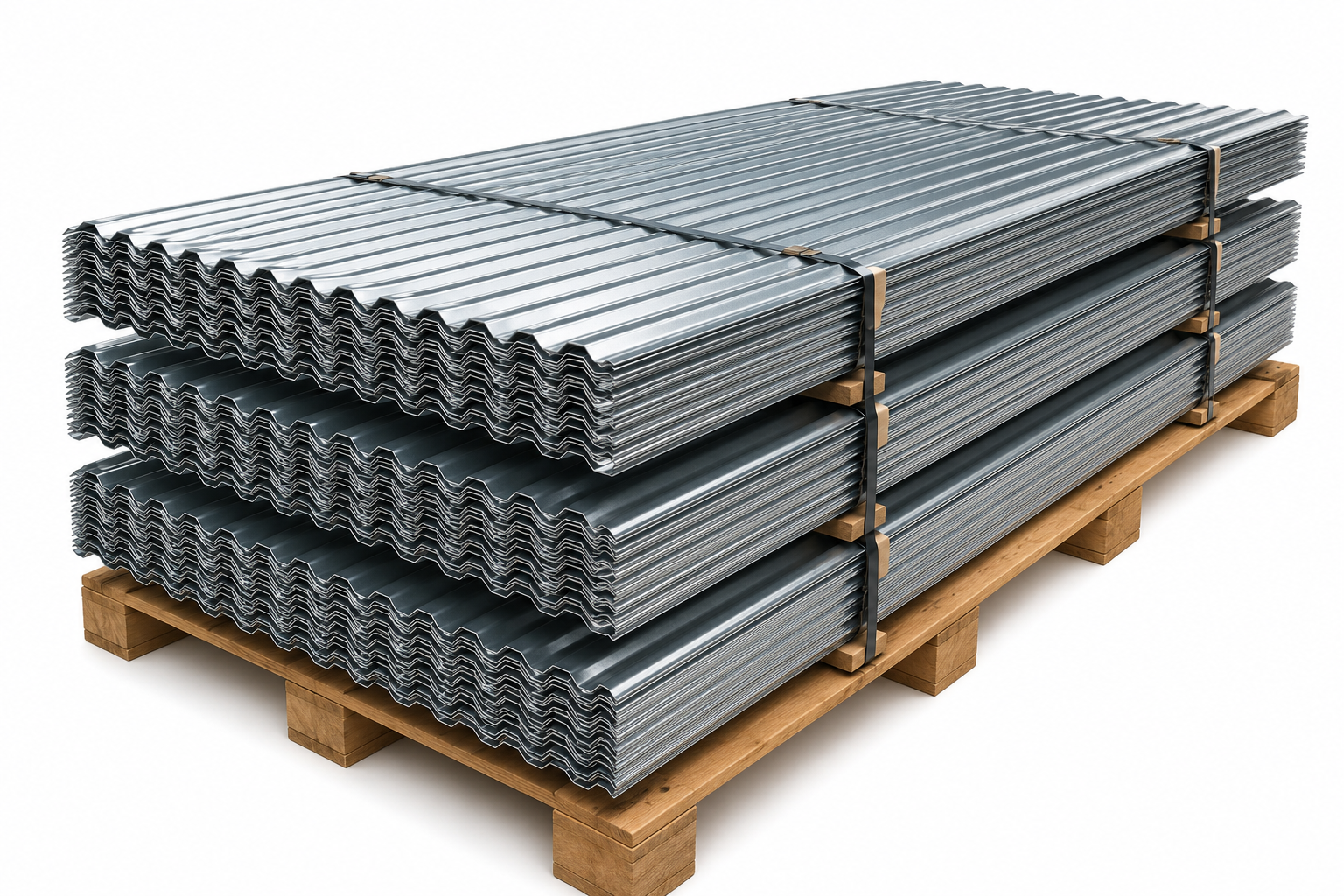
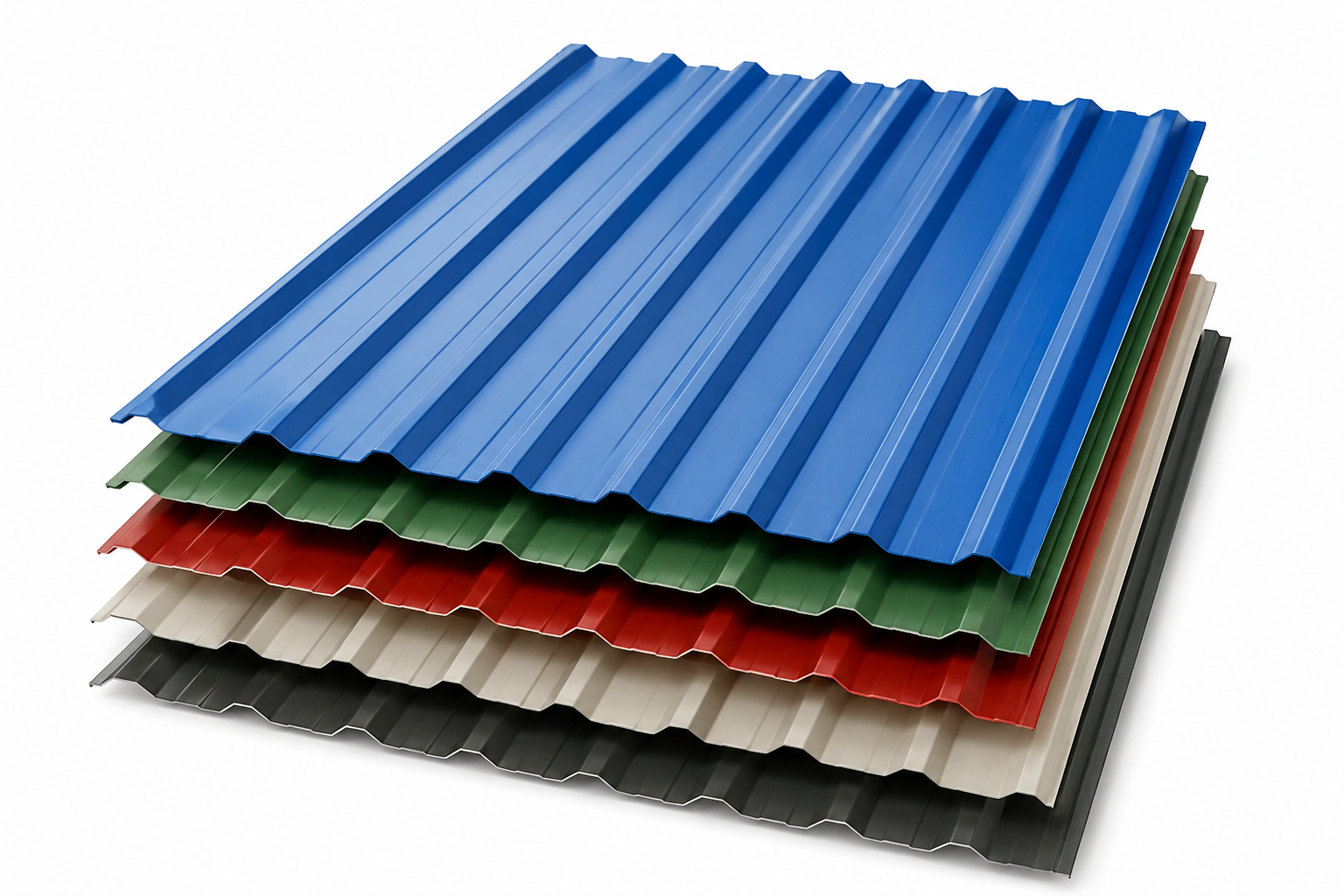
- Corrugated iron sheets (mabati)
- Clay tiles
- Concrete roofing tiles
- Stone-coated steel tiles
- Polycarbonate roofing sheets
- Asphalt shingles (limited use)
Each of these materials performs differently depending on the environment and building type.
For modern roofing solutions, you can explore premium options at the Ali Glaziers Roofing Shop.
Types of Roofing Materials Available in Kenya
1. Corrugated Iron Sheets (Mabati)
Mabati is the most widely used roofing material in Kenya due to its affordability and availability.
Advantages:
- Low initial cost
- Easy installation
- Widely available across all towns
Disadvantages:
- Prone to rust over time
- Noisy during rainfall
- Poor insulation against heat
- Shorter lifespan compared to modern alternatives
Mabati remains popular in rural and low-cost housing but is gradually being replaced in modern developments.
2. Clay Roofing Tiles
Clay tiles offer a traditional aesthetic often seen in upscale residential estates.
Advantages:
- Excellent thermal insulation
- Long lifespan
- Attractive architectural finish
Disadvantages:
- Heavy, requiring strong structural support
- Fragile under impact
- Higher installation costs
Clay tiles are common in Nairobi suburbs like Karen and Runda, where aesthetic appeal is prioritized.
3. Concrete Roofing Tiles
Concrete tiles are a more durable alternative to clay tiles.
Advantages:
- Strong and long-lasting
- Fire-resistant
- Better affordability compared to clay tiles
Disadvantages:
- Very heavy
- Requires reinforced roofing structure
- Can absorb moisture over time
4. Stone-Coated Steel Tiles
These combine metal strength with a decorative stone finish.
Advantages:
- Highly durable
- Attractive appearance
- Resistant to harsh weather
Disadvantages:
- Expensive upfront
- Requires skilled installation
5. Polycarbonate Roofing Sheets (Modern Solution)
Polycarbonate roofing is rapidly transforming modern construction in Kenya due to its strength, transparency, and UV resistance.
For premium products.
Advantages:
- Up to 200x stronger than glass
- Lightweight and easy to install
- UV-stabilized (no yellowing)
- Ideal for skylights and patios
- Modern architectural appeal
Disadvantages:
- Higher initial cost than mabati
- Requires professional installation for best performance
Comparison Table: Best Roofing Materials in Kenya
| FeatureMabatiClay TilesConcrete TilesStone-Coated SteelPolycarbonate | |||||
| Cost | Low | High | Medium-High | High | Medium |
| Durability | Moderate | High | High | Very High | Very High |
| Weight | Light | Heavy | Very Heavy | Medium | Very Light |
| Heat Resistance | Low | High | High | Medium | High |
| UV Resistance | Low | Medium | Medium | High | Very High |
| Maintenance | High | Medium | Medium | Low | Very Low |
| Aesthetic Value | Low | High | High | High | Very High |
This comparison shows that while traditional materials still serve important roles, modern roofing systems—especially polycarbonate—offer superior long-term performance.
Best Roofing Materials by Kenyan Climate Zones
Nairobi and Central Kenya
Nairobi experiences moderate temperatures but strong UV exposure and seasonal rains. Ideal materials include:
- Polycarbonate roofing for patios and skylights
- Stone-coated steel tiles for residential homes
- Concrete tiles for permanent structures
Coastal Region (Mombasa, Malindi)
High humidity and salt exposure require corrosion-resistant materials:
- Polycarbonate roofing (highly recommended)
- Stone-coated steel tiles
- Treated concrete tiles
Avoid standard mabati due to rust risk.
Western Kenya (Kisumu, Kakamega)
High rainfall and humidity demand waterproof roofing:
- Polycarbonate roofing systems
- Concrete tiles
- Treated mabati (budget option)
Rift Valley (Nakuru, Eldoret)
Cooler temperatures and wind exposure require durable, well-insulated roofs:
- Clay tiles
- Polycarbonate roofing for daylight structures
- Stone-coated steel tiles
Applications of Modern Roofing Materials
Residential Homes
Modern homeowners increasingly prefer roofing that combines aesthetics with performance. Polycarbonate is widely used for:
- Pergolas
- Skylights
- Balcony covers
- Greenhouses
Commercial Buildings
Shopping malls and office buildings benefit from transparent roofing solutions that reduce electricity consumption by maximizing natural light.
Industrial Structures
Factories and warehouses require strong, low-maintenance roofing systems that withstand environmental stress.
Agricultural Use
Greenhouses in Naivasha and Eldoret rely heavily on polycarbonate roofing for controlled light transmission and temperature regulation.
Cost of Roofing in Kenya: What You Should Expect
Roofing costs vary significantly based on material choice:
- Mabati: Lowest cost, short lifespan
- Clay tiles: High cost, premium aesthetics
- Concrete tiles: Mid-to-high cost, durable
- Polycarbonate: Mid-to-high cost, long-term value
While upfront pricing is important, long-term maintenance and replacement costs must also be considered. Polycarbonate often provides the best return on investment due to its durability and minimal upkeep.
For pricing and product options, visit the Ali Glaziers shop.
Expert Advice: Choosing the Right Roofing Material
When selecting roofing materials, consider:
1. Climate Suitability
Your region determines performance requirements.
2. Structural Strength
Heavier materials require stronger frameworks.
3. Budget vs Long-Term Value
Cheap materials may cost more over time.
4. Aesthetic Goals
Modern architecture favors transparent and sleek roofing systems.
5. Maintenance Requirements
Low-maintenance materials reduce long-term costs.
Why Polycarbonate Roofing Is the Future in Kenya
Polycarbonate roofing is rapidly gaining popularity due to its unmatched performance characteristics:
- Superior impact resistance
- UV stabilization for long life
- Lightweight structure
- Modern architectural versatility
- Energy efficiency through natural lighting
Ali Glaziers Roofing Division is at the forefront of supplying advanced roofing systems across Kenya.
Learn more about the company via the About Us roofing division or the general company profile.
For updates and insights, explore the Ali Glaziers blog.
Installation and Maintenance Tips
Installation Tips:
- Always use professional installers
- Ensure proper slope for water drainage
- Use UV-protected materials for outdoor exposure
Maintenance Tips:
- Clean roofs regularly to remove dust and debris
- Inspect fasteners after heavy rains
- Avoid abrasive cleaning materials
Proper installation significantly extends roof lifespan.
Frequently Asked Questions (FAQ)
1. What is the best roofing materials in Kenya?
Polycarbonate and stone-coated steel are among the best for durability and modern aesthetics.
2. Which are best roofing materials lasts the longest?
Stone-coated steel and high-quality polycarbonate offer the longest lifespan.
3. Is mabati still a good option?
Yes, but mainly for budget construction; it has a shorter lifespan.
4. What roofing is best for hot climates?
Polycarbonate and clay tiles perform best in heat.
5. Can polycarbonate replace glass roofing?
Yes, it is 200x stronger and safer than glass.
6. What is the cheapest roofing material?
Corrugated iron sheets (mabati) are the most affordable.
7. Where can I buy quality best roofing materials in Kenya?
You can contact Ali Glaziers via the contact page.
Conclusion
Choosing the best roofing materials in Kenya depends on balancing climate conditions, budget, durability, and architectural goals. While traditional materials like mabati and clay tiles remain relevant, modern solutions such as polycarbonate roofing are redefining construction standards across the country.
From Nairobi’s urban developments to coastal homes in Mombasa and agricultural projects in Naivasha, the demand for stronger, lighter, and more durable roofing continues to grow.
Ali Glaziers Roofing Division remains a trusted leader in delivering innovative roofing solutions tailored for Kenya’s diverse environments.
Upgrade to Unbreakable Roofing with Ali Glaziers Today!
Whether you are an architect designing a modern mall, a contractor securing an industrial warehouse, or a homeowner upgrading your patio pergola, Ali Glaziers Roofing Division has the perfect solution for the Kenyan climate.
✔ Virtually Indestructible: Polycarbonate materials that are 200x stronger than glass. ✔ UV-Stabilized: Advanced technology to prevent yellowing and sun damage. ✔ Fast & Reliable Delivery: Countrywide, same-day, and next-day delivery options across Nairobi, Mombasa, Kisumu, Nakuru, Eldoret, and beyond.
Ready to transform your roof with modern, transparent solutions?
Visit Us: Funzi Road Branch: End of Funzi Road, Industrial Area – Ali Glaziers LTD Building, Nairobi.
Call/WhatsApp: +254 (0) 716 259 682 | +254 (0) 722 522 452
Email: info@aliglaziers.com
Shop Online: https://roofing.aliglaziers.com/shop/