Discover the latest 2026 roofing trends in Kenya, from smart roofing materials to modern architectural designs. Learn how innovative roofing products are transforming durability, energy efficiency, and style for homes and commercial buildings across Nairobi, Mombasa, and beyond.
Top Roofing Trends to Watch Out For in 2026
Roofing Is Becoming Smarter, Stronger, and More Architectural
The 2026 roofing trends for roofing industry is undergoing one of its biggest transformations in decades. Across Kenya—from Nairobi’s fast-growing estates to Mombasa’s coastal developments and Kisumu’s expanding commercial hubs—developers are no longer choosing roofing based on cost alone.
Instead, the focus has shifted toward innovation, durability, energy efficiency, and architectural expression.
Modern roofing is now expected to:
Shop Solid Polycarbonate Sheets
View all Solid Polycarbonate Sheets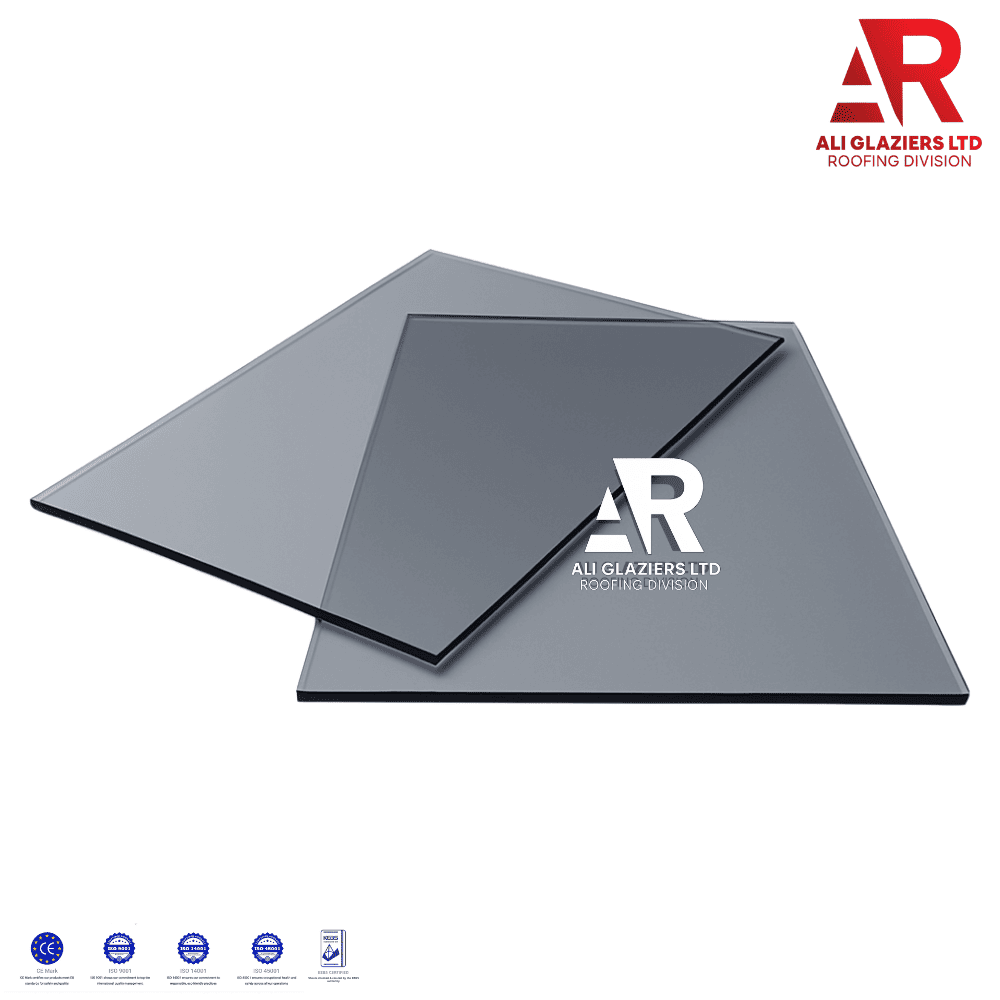
GREY SOLID POLYCARBONATE SHEETS
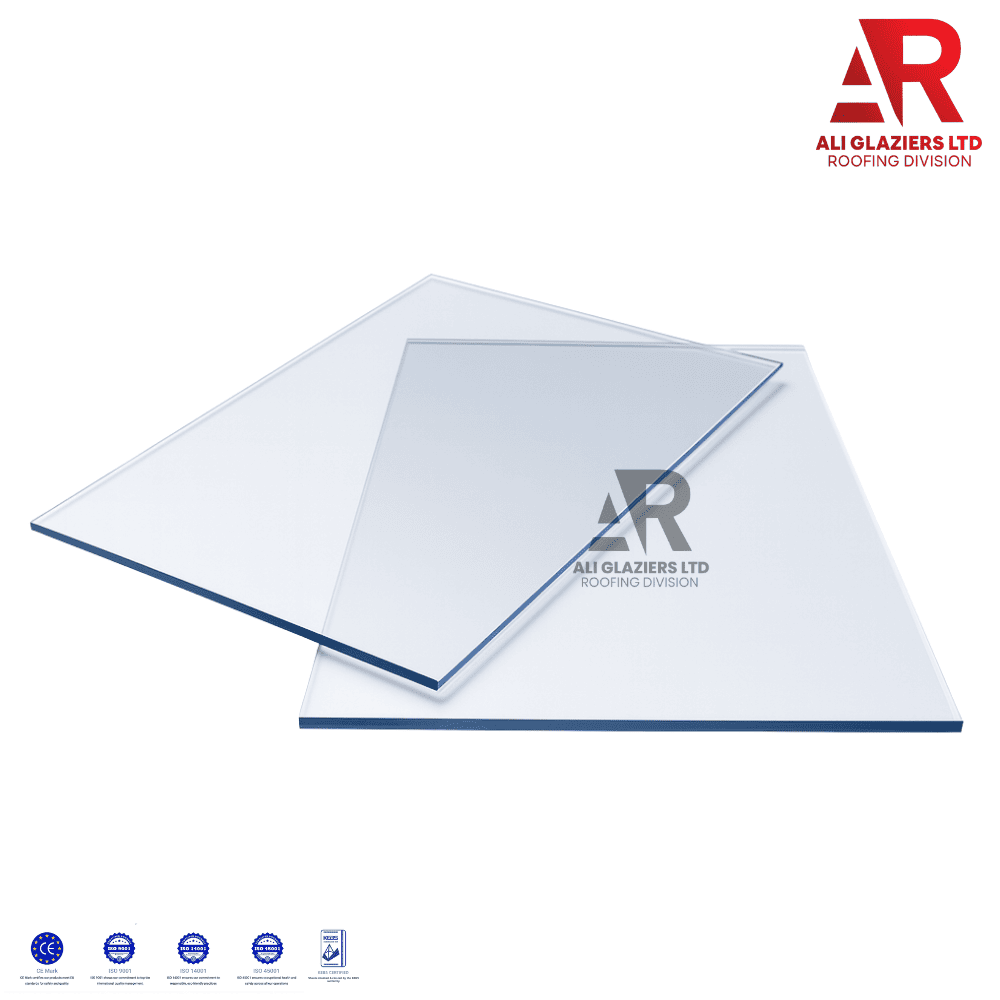
CLEAR SOLID POLYCARBONATE SHEETS
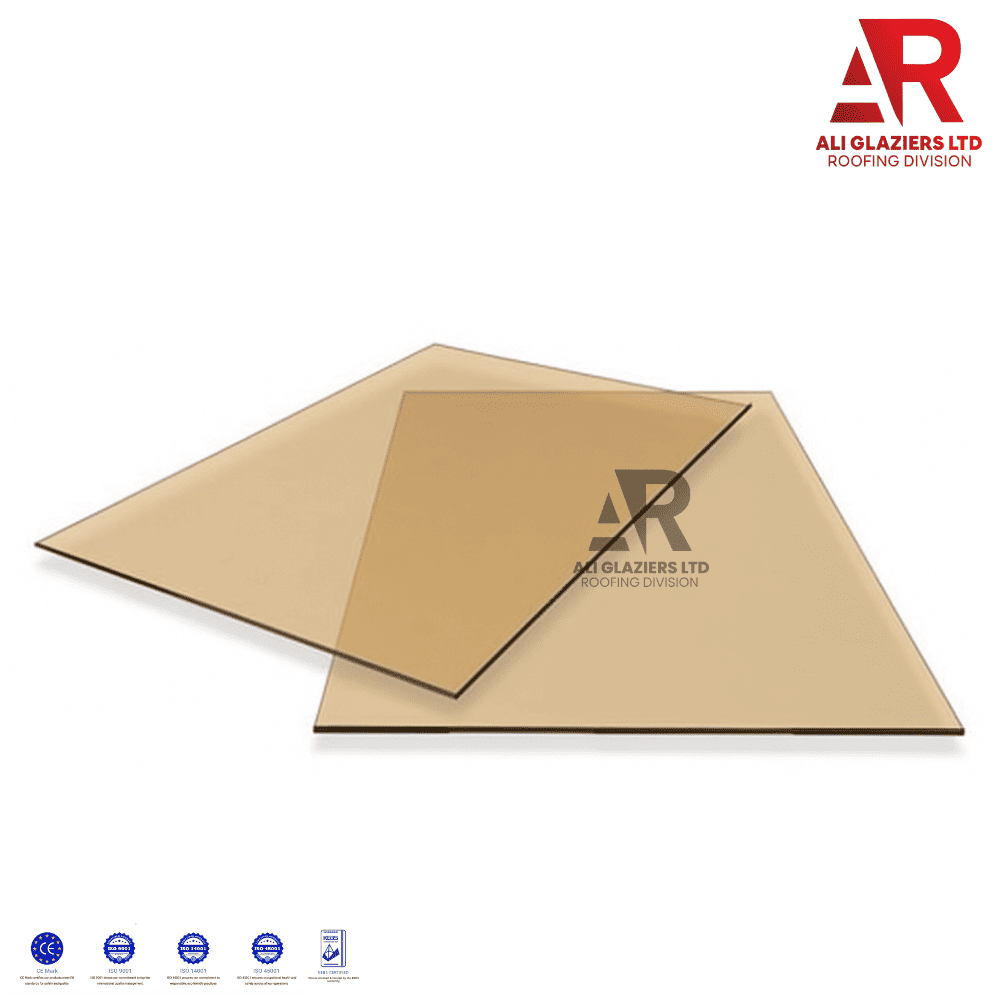
BRONZE SOLID POLYCARBONATE SHEETS
- Survive extreme weather conditions
- Reduce heat gain in buildings
- Support sustainable construction
- Enhance architectural aesthetics
- Last longer with minimal maintenance
This article explores the most important 2026 roofing trends, how they are reshaping construction in Kenya, and how Ali Glaziers Roofing Division is helping drive this evolution with advanced roofing technologies.
1. Smart Roofing Materials and Climate-Responsive Systems
One of the strongest 2026 trends is the rise of smart roofing materials designed to respond to environmental conditions.
These materials adapt to:
- Heat intensity
- UV exposure
- Rainfall patterns
- Temperature fluctuations
Why This Matters in Kenya
Kenya’s diverse climate zones place different demands on roofing:
- Nairobi: High UV exposure and heat buildup
- Mombasa: Humidity and salt corrosion
- Kisumu: Heavy rainfall and moisture stress
- Eldoret: Temperature fluctuations
Smart roofing systems help stabilize indoor conditions while extending roof lifespan.
2. Transparent Roofing and Natural Lighting Design
Transparent roofing is becoming a major architectural feature in 2026.
Common Uses:
- Skylights in residential homes
- Mall atriums and entrances
- Restaurant outdoor covers
- Office natural lighting systems
Why It’s Growing
Architects are prioritizing:
- Reduced electricity consumption
- Natural daylight integration
- Modern open-space aesthetics
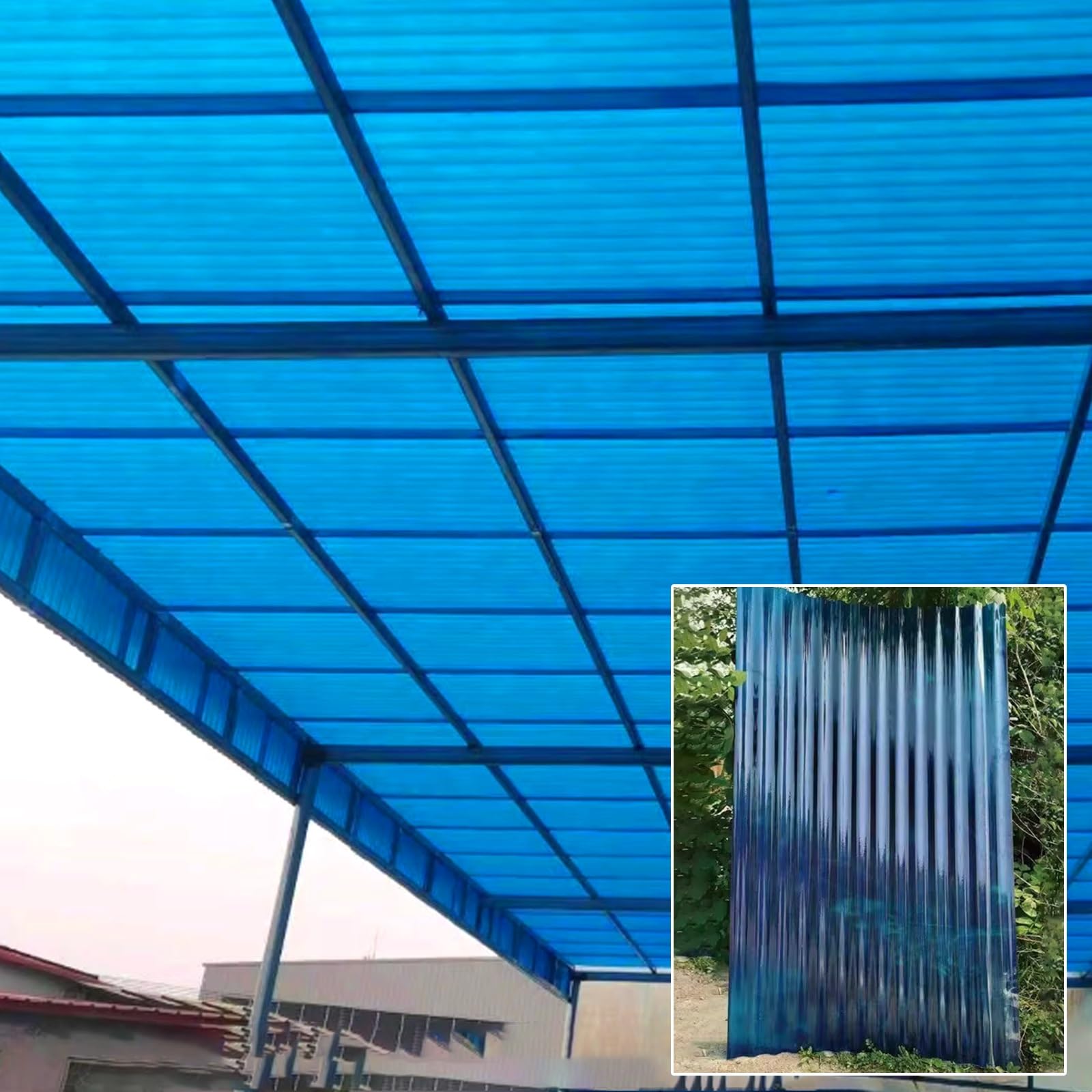
Ali Glaziers offers advanced transparent roofing solutions including premium polycarbonate systems built for Kenyan conditions:
3. Bold Roofing Colors and Architectural Identity
In 2026, roofing is no longer hidden—it is a visible design element.
Trending Roofing Colors:
- Bronze metallic tones
- Smoky translucent finishes
- Earth-inspired neutrals
- Matte industrial textures
These finishes are now used to:
- Match modern building aesthetics
- Reduce heat absorption
- Enhance property branding
For example, tinted polycarbonate roofing is increasingly popular in Nairobi’s upscale residential developments.
Explore options here:
Solid Color Polycarbonate Sheets
4. Energy-Efficient Roofing Systems
Energy efficiency is a core driver of modern construction.
Key Features:
- UV-blocking technology
- Heat diffusion layers
- Light-reflective surfaces
- Insulated roofing systems
Benefits:
- Lower electricity bills
- Reduced air conditioning usage
- Improved indoor comfort
This is especially important in hot urban environments like Nairobi and coastal cities like Mombasa.
5. Lightweight Roofing for Faster Construction
Speed is becoming a major factor in Kenya’s construction sector.
Why Lightweight Roofing Is Popular:
- Faster installation
- Lower structural load requirements
- Reduced transport costs
- Easier maintenance
Polycarbonate roofing is leading this trend due to its strength-to-weight ratio and flexibility.
Shop solutions here:
6. Climate-Resistant Roofing for Extreme Weather
Climate change continues to influence roofing design in Kenya.
Modern roofs must now withstand:
- Intense UV radiation
- Heavy rainfall events
- Strong winds
- High humidity levels
Polycarbonate and engineered roofing systems are increasingly replacing traditional materials in high-risk environments.
7. Roofing as an Architectural Feature
Roofing is now part of architectural storytelling.
Modern Design Trends:
- Floating canopy structures
- Visible skylight installations
- Curved transparent roofing
- Indoor-outdoor transitions
This trend is especially visible in:
- Hotels in Nairobi
- Resorts in Diani
- Commercial spaces in Kisumu
Comparison Table: Traditional vs 2026 Roofing Trends
| FeatureTraditional Roofing2026 Roofing Trends | ||
| Energy Efficiency | Low | High |
| Design Flexibility | Limited | Advanced |
| Weather Resistance | Moderate | High |
| Aesthetic Value | Basic | Architectural feature |
| Installation Speed | Moderate | Fast |
Frequently Asked Questions About 2026 Roofing Trends
1. What is the biggest roofing trend in 2026?
Smart, energy-efficient, and transparent roofing systems.
2. Is modern roofing better than traditional mabati?
Yes. It offers better durability, insulation, and design flexibility.
3. Are transparent roofs practical in Kenya?
Yes, especially for skylights and commercial spaces.
4. Do modern roofing materials reduce heat?
Yes, UV-stabilized systems help regulate indoor temperatures.
5. Which cities are adopting modern roofing fastest?
Nairobi, Mombasa, Kisumu, and Nakuru.
Conclusion: The Future of Roofing Is Already Here
The roofing industry in 2026 is defined by innovation, sustainability, and design integration. In Kenya, where climate conditions vary widely, modern roofing systems are no longer optional—they are essential.
From smart materials to transparent architectural roofing, the future is focused on performance and aesthetics working together.
Ali Glaziers Roofing Division continues to lead this transformation with premium, durable, and climate-ready roofing solutions tailored for Kenya’s construction needs.
CONTACT ALI GLAZIERS ROOFING DIVISION
For orders, quotations, or professional roofing consultation:
Head Office / Funzi Road Branch (Nairobi)
End of Funzi Road, Industrial Area
Ali Glaziers LTD Building, Nairobi
+254 716 259 682
+254 722 671 352
info@aliglaziers.com
Eastleigh Branch (Nairobi)
3rd Street, Eastleigh
+254 722 522 452
+254 723 354 299
Malindi Branch
Inside Imadi Shopping Mall, Malindi
+254 722 671 352
+254 723 354 299