Learn how to winterize roof systems in Kenya using cold weather roofing techniques, insulation improvements, and maintenance tips to prevent moisture damage and extend roof lifespan.
Even though Kenya is not known for extreme winter conditions, certain high-altitude regions such as Limuru, Nyahururu, Eldoret, and Mount Kenya areas experience cold temperatures, heavy rainfall, fog, and moisture-related roofing challenges.
These conditions can lead to condensation buildup, roof weakening, leaks, and in some global contexts, even ice dam formation in colder climates.
Understanding how to properly winterize roof systems is essential for protecting your home from seasonal weather stress, improving insulation performance, and extending roof lifespan.
Shop Solid Polycarbonate Sheets
View all Solid Polycarbonate Sheets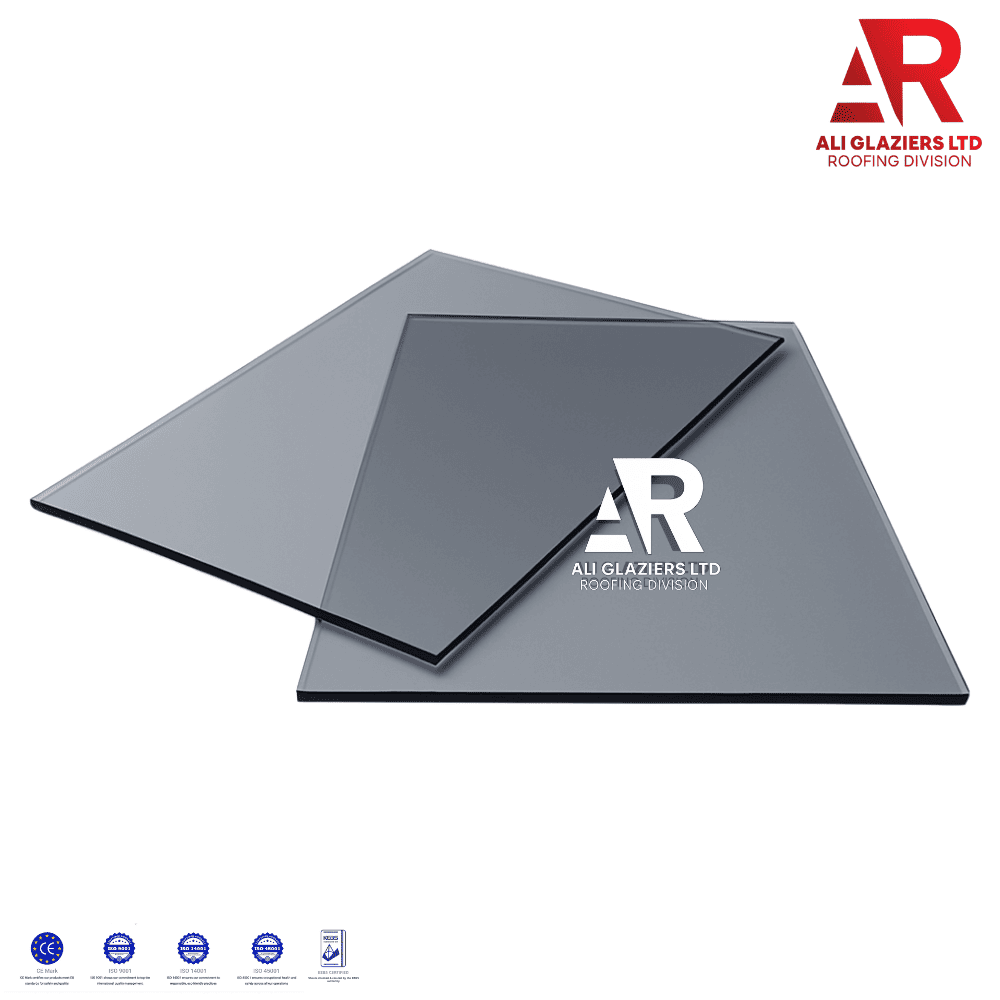
GREY SOLID POLYCARBONATE SHEETS
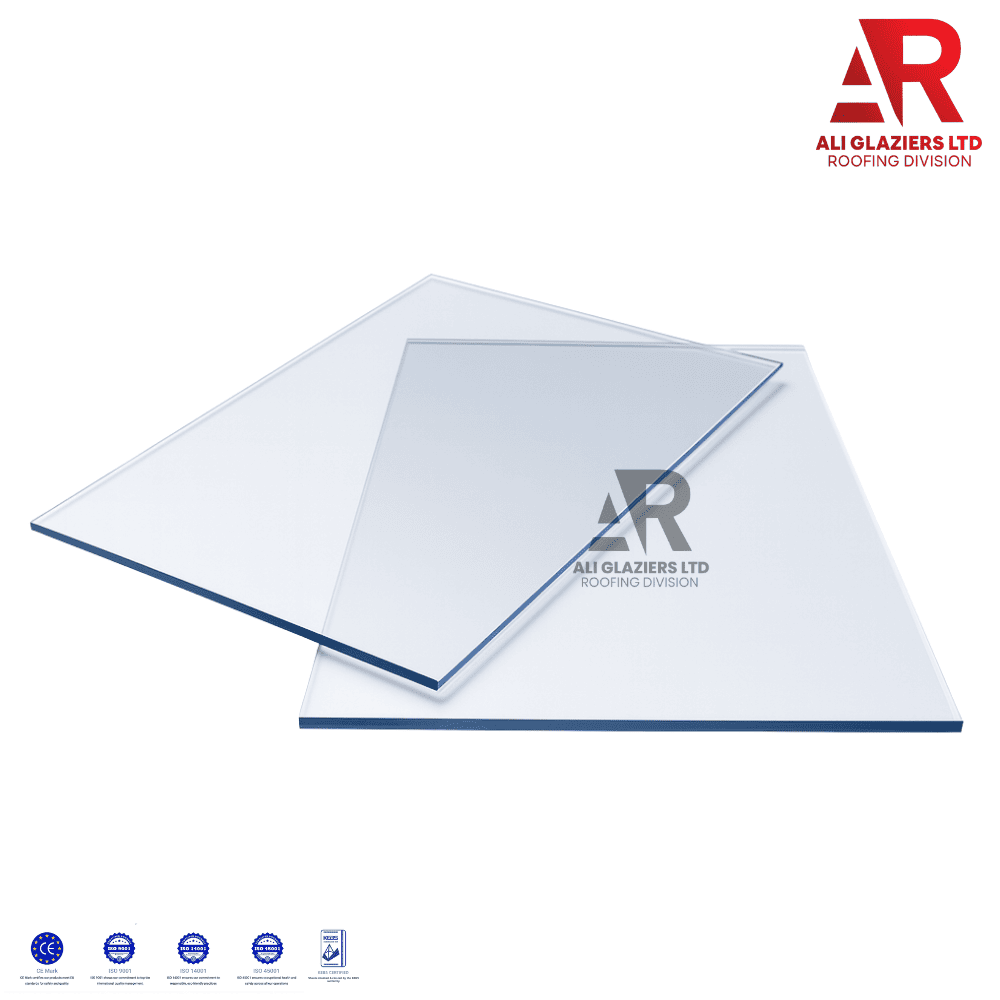
CLEAR SOLID POLYCARBONATE SHEETS
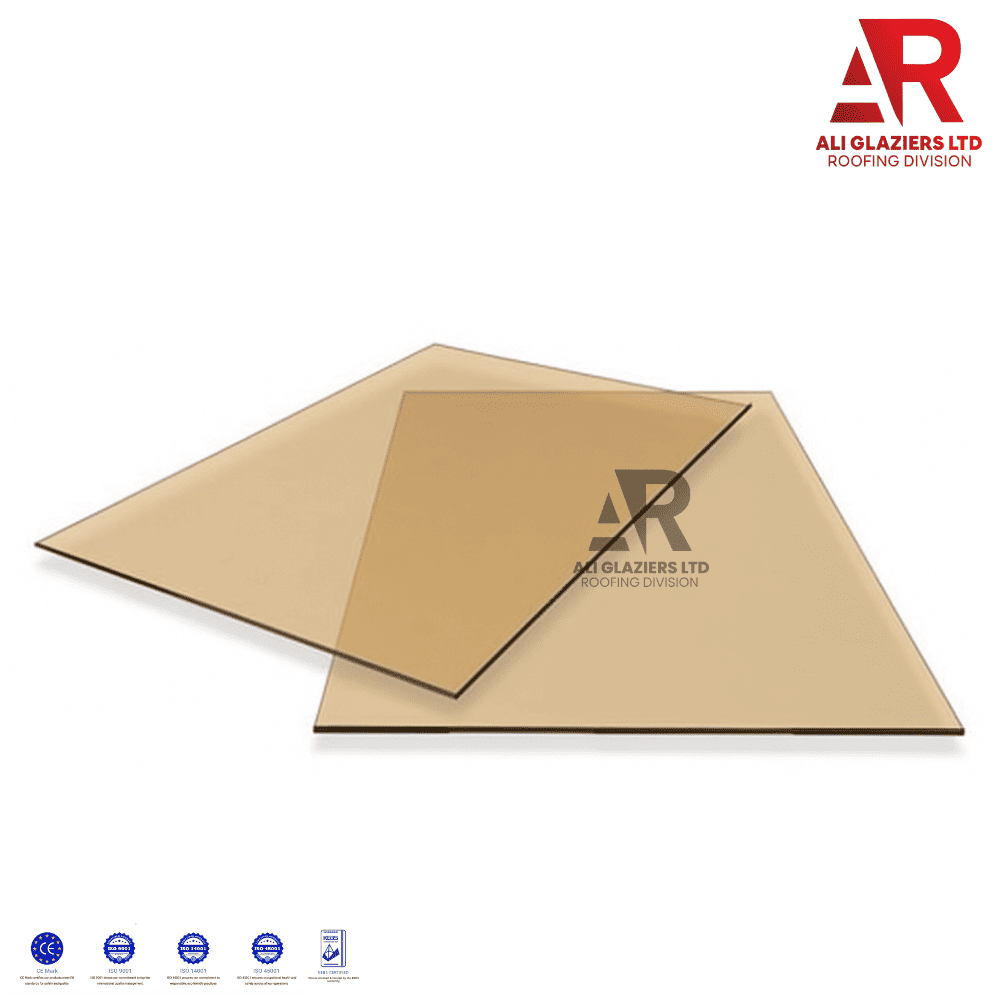
BRONZE SOLID POLYCARBONATE SHEETS
This guide explores essential cold-weather roofing strategies, materials, and maintenance practices used in modern roofing systems.
What Does It Mean to Winterize a Roof?
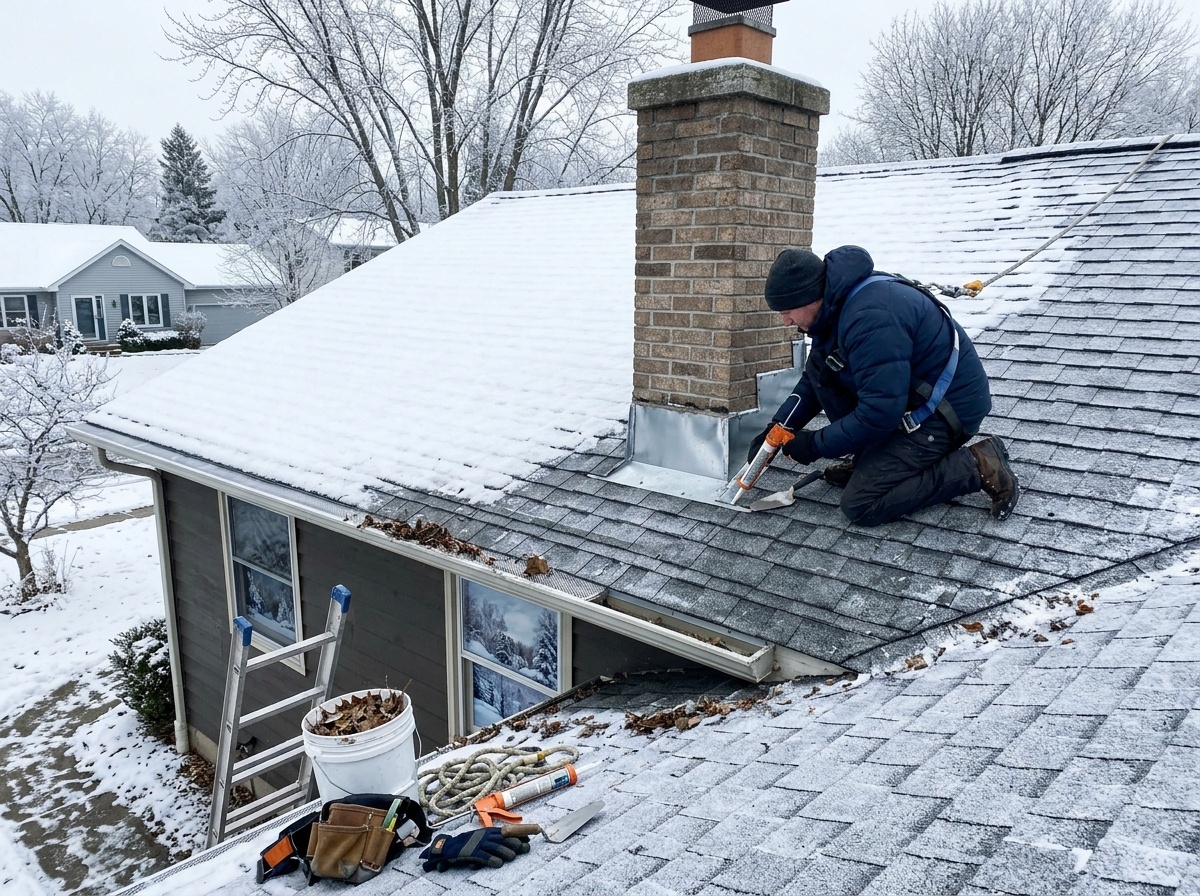
To winterize roof structures means preparing your roofing system to withstand cold temperatures, moisture buildup, and seasonal weather stress.
This process includes:
- Strengthening insulation
- Sealing roof gaps
- Improving drainage
- Preventing moisture retention
- Reinforcing roofing materials
Proper winterization reduces long-term structural damage and energy loss.
Why Winter Roof Preparation Matters
Even in moderate climates, roofing systems face challenges such as:
- Heavy rainfall saturation
- Temperature fluctuations (day vs night)
- Condensation buildup
- Mold and mildew growth
- Weakening of roofing joints
Without proper preparation, roofs may deteriorate faster during cold or wet seasons.
Ice Dam Prevention Explained
While ice dam prevention is most common in snowy countries, the principle is still useful for understanding moisture control.
Ice dams form when:
- Heat escapes from the roof
- Snow melts and refreezes at roof edges
- Water gets trapped under roofing layers
In Kenya’s colder regions, this translates into:
- Water pooling
- Blocked drainage paths
- Moisture seepage under roofing sheets
Proper insulation and ventilation help prevent these issues.
Essential Cold Weather Roofing Practices
1. Roof Insulation Improvement
Good insulation helps stabilize internal temperatures and reduces condensation.
2. Proper Roof Ventilation
Airflow prevents moisture buildup and structural weakening.
3. Waterproof Sealing
All joints and edges must be sealed to prevent leaks during heavy rain.
4. Drainage Optimization
Clear gutters ensure water flows freely without pooling.
Best Materials for Cold Weather Roofing
Modern roofing systems use advanced materials that improve durability in cold and wet conditions:
Polycarbonate Roofing Systems
- High resistance to temperature changes
- UV-stabilized and impact-resistant
- Lightweight and durable
Explore options:
Polycarbonate Roofing Sheets Kenya
Solid Polycarbonate Options
Egyptian Clear Solid Polycarbonate
Colored & Bronze Variants
Solid Color Polycarbonate Sheets
Bronze Extra Clear Polycarbonate Sheets
Maintenance Tips for Winter Roof Protection
- Inspect roofs before rainy seasons
- Clean gutters regularly
- Check for leaks and cracks
- Replace worn sealing materials
- Ensure proper roof slope for drainage
These steps help maintain a stable winterized roof system.
Common Roofing Problems in Cold Seasons
- Condensation under roofing sheets
- Slow water drainage
- Damp ceilings and walls
- Mold growth in attic spaces
- Weakening of roof fasteners
Frequently Asked Questions (FAQ)
1. What does it mean to winterize a roof?
It means preparing your roof to withstand cold, wet, and harsh weather conditions.
2. Is ice dam prevention needed in Kenya?
Not directly, but moisture control and insulation serve the same purpose.
3. How do I winterize my roof?
Improve insulation, seal gaps, and ensure proper drainage.
4. What is the best roofing for cold weather?
Insulated and UV-stabilized materials like polycarbonate roofing work best.
5. Why is roof maintenance important in cold seasons?
It prevents leaks, moisture damage, and structural weakening.
Conclusion
Preparing to winterize roof systems is essential even in Kenya’s cooler regions. With proper insulation, ventilation, and moisture control, homeowners can prevent seasonal damage and extend roof lifespan.
For durable roofing solutions designed for all weather conditions, Ali Glaziers Roofing Division provides high-quality materials and expert guidance across Kenya.
Head Office – Nairobi (Industrial Area)
End of Funzi Road
Ali Glaziers LTD Building
P.O. Box 55940 – 00200, Nairobi, Kenya
+254 716 259 682
+254 722 522 452
info@aliglaziers.com
Eastleigh Branch – Nairobi
3rd Street, Eastleigh
Nairobi, Kenya
+254 722 522 452
+254 723 354 299
info@aliglaziers.com
Malindi Branch – Coast Region
Inside Imadi Shopping Mall
Malindi, Kenya
+254 722 671 352
+254 723 354 299
info@aliglaziers.com