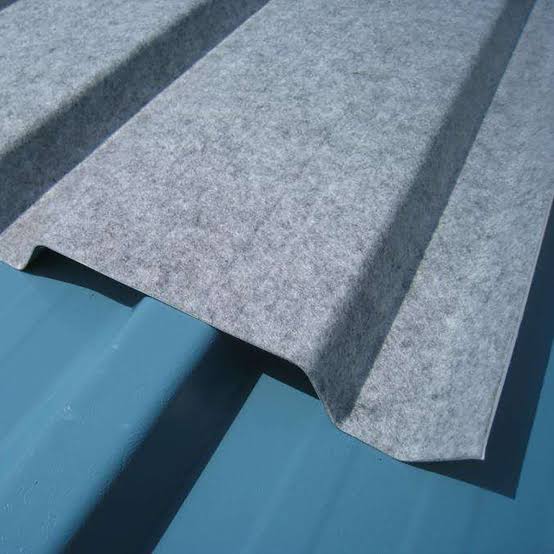
Anti-condensation roofing in Kenya prevents mabati drips caused by moisture buildup. Compare membranes, coatings and solutions for your roof.
Why Anti-Condensation Roofing in Kenya Matters for Metal Roofs
Installing anti-condensation sheets in Kenya is an effective way to prevent the annoying water droplets that often appear underneath mabati roofs during cold mornings, humid weather, or sudden temperature changes. Many homeowners, farmers, warehouse operators, and commercial property owners experience dripping from metal roofs and assume the roof is leaking, when the real problem is often condensation.
Metal roofing sheets are excellent at protecting buildings from rain, but they also react quickly to temperature changes. During the night, the underside of the sheet cools down. When warm, moist air inside the building touches the cold metal surface, water vapour turns into droplets that collect and drip below.
This problem is common in:
Shop Ventilation
View all Ventilation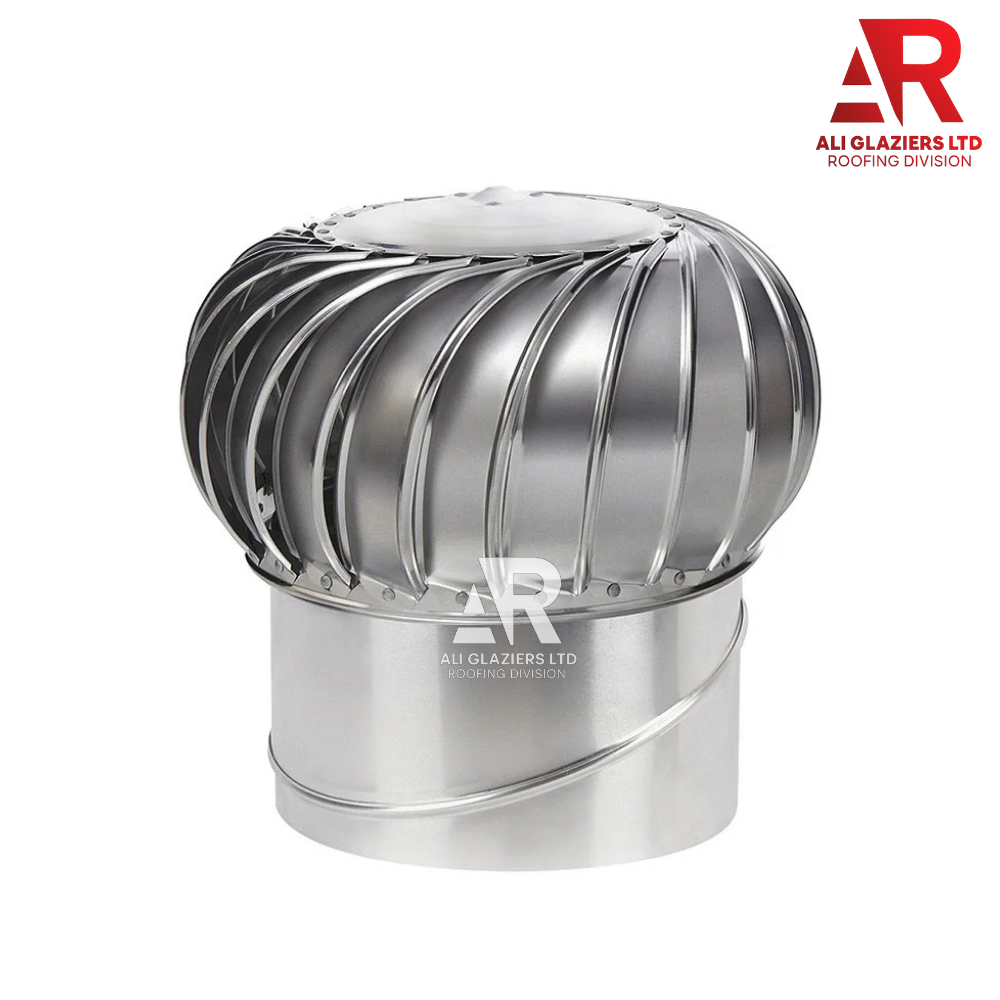
STAINLESS STEEL CYCLONES
- Residential homes
- Warehouses
- Workshops
- Agricultural buildings
- Storage facilities
- Industrial structures
Across Kenya, changing weather conditions make condensation control important. Buildings in Nairobi, Mombasa, Kisumu, Nakuru, and Eldoret can all experience roof moisture problems depending on humidity, ventilation, and building usage.
Anti-condensation solutions help manage this issue through:
- Anti-drip coated roofing sheets
- Roofing membranes
- Reflective insulation systems
- Improved ventilation
- Complete insulated roofing systems
For quality roofing materials and accessories suitable for Kenyan conditions, explore the Ali Glaziers Roofing shop.
What Is Anti-Condensation Roofing?
Anti-condensation roofing refers to roofing systems designed to reduce or control moisture buildup beneath metal roofing sheets by absorbing, managing, or preventing condensation.
Unlike normal mabati sheets that allow moisture droplets to form freely underneath, anti-condensation roofing uses special technologies to control water vapour.
Common solutions include:
- Factory-applied anti-condensation coatings
- Absorbent fleece backing
- Vapour control membranes
- Insulation layers
The goal is not simply to stop water from entering from outside, but to control moisture created inside the building.
Why Do Mabati Roofs Drip in Kenya?
Mabati roofs drip when warm humid air meets the cold underside of metal roofing sheets, causing water vapour to condense into droplets.
This process happens because metal roofing has high thermal conductivity.
The typical cycle is:
- The roof sheet cools overnight.
- Warm air rises inside the building.
- Moisture in the air reaches the cold roof surface.
- Condensation forms.
- Water droplets fall from the underside.
The problem is especially common during:
- Early mornings
- Rainy seasons
- Cold nights
- Humid conditions
Common Causes of Roof Condensation in Kenya
High Indoor Humidity
Buildings generate moisture through:
- Cooking
- Washing
- Human activity
- Industrial processes
- Livestock operations
When this moisture has nowhere to escape, it collects beneath the roof.
Poor Roof Ventilation
A poorly ventilated roof space traps warm, humid air.
Good airflow helps remove excess moisture before it reaches the roofing sheet.
Uninsulated Metal Roofing
Bare metal sheets transfer temperature changes quickly.
Without insulation or anti-condensation treatment, condensation is more likely.
Coastal Humidity
Areas such as Mombasa and coastal Kenya experience higher humidity levels, increasing condensation risks.
How Anti-Condensation Roofing Works
Anti-condensation roofing solutions work in several ways depending on the system used.
Absorbing Moisture
Some roofing sheets have a special underside coating that absorbs condensation temporarily.
The moisture remains trapped until ventilation allows it to dry.
Creating a Thermal Barrier
Insulation reduces the temperature difference between indoor air and the roofing sheet.
This reduces condensation formation.
Controlling Air Movement
Ventilation systems allow humid air to escape instead of accumulating beneath the roof.
Anti-Condensation Roofing Options in Kenya
Anti-Drip Coated Roofing Sheets
Anti-drip roofing sheets have a special coating applied underneath the metal sheet.
The coating absorbs moisture and prevents droplets from falling immediately.
Advantages:
- Integrated solution
- Easy installation
- Suitable for large roofs
- Low maintenance
Common applications include:
- Warehouses
- Agricultural buildings
- Workshops
Roofing Membranes
Roofing membranes provide an additional protective layer beneath roofing sheets.
They help manage:
- Moisture
- Vapour movement
- Water droplets
They are commonly used in modern roofing systems.
Aluminium Foil Insulation
Reflective insulation such as double bubble foil helps reduce temperature changes beneath roofing sheets.
It can improve:
- Heat control
- Moisture management
- Indoor comfort
For buildings requiring heat reduction alongside condensation control, explore our guide on aluminium foil insulation solutions.
PU Insulated Roof Panels
For cold rooms and industrial buildings, PU insulated panels provide a more advanced solution.
They reduce thermal transfer and help maintain controlled environments.
Learn more about PU insulated roofing solutions for high-performance applications.
Anti-Condensation Roofing vs Normal Mabati Comparison
| FeatureAnti-Condensation RoofingNormal Mabati | ||
| Condensation control | Excellent | Low |
| Moisture management | High | Limited |
| Indoor comfort | Better | Reduced |
| Installation | Similar | Standard |
| Best use | Warehouses, homes, farms | General roofing |
| Long-term performance | Higher | Depends on conditions |
Where Anti-Condensation Roofing Is Most Useful
Warehouses
Warehouses often experience condensation because of:
- Large enclosed spaces
- Limited airflow
- Temperature differences
Anti-condensation systems help protect stored goods from moisture damage.
Agricultural Buildings
Farm buildings are highly vulnerable because animals and stored products create humidity.
Applications include:
- Poultry houses
- Dairy structures
- Grain storage
- Equipment sheds
Workshops and Garages
Metal-roofed workshops often experience morning dripping.
Anti-condensation solutions improve working conditions.
Residential Homes
Modern homeowners use anti-condensation systems to improve comfort, especially in metal-roofed homes.
Anti-Condensation Roofing Performance Across Kenya
Nairobi
Cool nights and warm afternoons create conditions where condensation can occur.
Proper roof insulation and ventilation improve performance.
Mombasa
High humidity makes moisture control especially important.
Anti-condensation systems help manage coastal conditions.
Kisumu
Warm temperatures and seasonal rainfall increase the need for effective moisture management.
Nakuru and Eldoret
Cooler night temperatures can increase condensation beneath metal roofing.
How to Prevent Condensation Under Mabati
Improve Roof Ventilation
Allowing air movement helps remove moisture.
Solutions include:
- Ridge ventilation
- Eave ventilation
- Ventilated roofing systems
Install Insulation
Insulation reduces temperature differences between indoor air and roofing sheets.
Options include:
- Aluminium foil
- Fibre blanket
- PU panels
Control Indoor Humidity
Reduce unnecessary moisture sources.
Examples:
- Improve kitchen ventilation
- Use extraction systems
- Avoid trapping humid air
Use Quality Roofing Accessories
A complete roof system should include:
- Ridge caps
- Gutters
- Flashings
- Closures
- Ventilation products
Installation Considerations for Anti-Condensation Roofing
Correct installation determines performance.
Important factors include:
- Correct sheet selection
- Proper overlap
- Adequate ventilation
- Quality fixing screws
- Professional installation
Poor installation can reduce the effectiveness of even high-quality materials.
Common Mistakes When Managing Roof Condensation
Assuming Every Drip Is a Leak
Many owners replace roofing sheets unnecessarily when the actual problem is condensation.
Ignoring Ventilation
Even insulated roofs require proper airflow.
Using Thin Roofing Materials Without Protection
Lightweight sheets may experience greater temperature changes.
Installing Insulation Incorrectly
Poorly fitted insulation creates gaps where condensation can continue.
Choosing the Right Anti-Condensation Solution
The correct solution depends on:
- Building type
- Climate location
- Roof design
- Indoor activities
- Budget
For example:
| Building TypeRecommended Solution | |
| Residential home | Foil insulation or anti-drip sheets |
| Warehouse | Anti-condensation coating + ventilation |
| Cold room | PU insulated panels |
| Farm building | Anti-drip sheets and airflow management |
| Factory | Insulated roofing system |
Why Choose Ali Glaziers Roofing Division?
Ali Glaziers Roofing Division provides roofing materials and technical guidance for residential, commercial, and industrial projects across Kenya.
Our solutions help contractors, developers, and homeowners achieve:
- Better roof performance
- Improved indoor comfort
- Durable construction results
Explore our range of roofing products and accessories or learn more about our roofing expertise through our Roofing About Us page.
Frequently Asked Questions About Anti-Condensation Roofing in Kenya
What causes mabati roofs to drip?
Mabati roofs drip when moisture in warm air condenses on the cold underside of metal roofing sheets.
Does anti-condensation roofing stop all dripping?
It significantly reduces condensation-related dripping when correctly selected and installed.
Is anti-condensation coating better than insulation?
They solve different problems. Coatings manage moisture, while insulation reduces heat transfer.
Can existing mabati roofs be improved?
Yes. Existing roofs can be upgraded using insulation, ventilation improvements, or replacement with treated sheets.
Is condensation common in Kenyan homes?
Yes. It is especially common in metal-roofed buildings with poor ventilation or high indoor humidity.
Are insulated roofing systems suitable for factories?
Yes. Insulated systems are widely used in factories requiring temperature and moisture control.
Conclusion: Protect Your Building With the Right Anti-Condensation Roofing Solution
Choosing the right condensation-control roofing in Kenya helps eliminate unwanted dripping beneath mabati sheets and improves the overall performance of your roof. Whether the issue is caused by humidity, temperature changes, or poor ventilation, the correct solution can protect your building from moisture-related problems.
From residential homes in Nairobi to warehouses in Mombasa, agricultural buildings in Nakuru, and factories in Kisumu or Eldoret, anti-condensation roofing systems provide a practical way to improve comfort and protect valuable interiors.
Ali Glaziers Roofing Division offers professional roofing solutions designed for Kenya’s climate, helping you select the correct materials for your project.
Contact our specialists for advice on the best anti-condensation roofing approach for your building.
Upgrade to Unbreakable Roofing with Ali Glaziers Today!
Whether you are an architect designing a modern mall, a contractor securing an industrial warehouse, or a homeowner upgrading your patio pergola, Ali Glaziers Roofing Division has the perfect solution for the Kenyan climate.
✔ Virtually Indestructible: Polycarbonate materials that are 200x stronger than glass.
✔ UV-Stabilized: Advanced technology to prevent yellowing and sun damage.
✔ Fast & Reliable Delivery: Countrywide, same-day, and next-day delivery options across Nairobi, Mombasa, Kisumu, Nakuru, Eldoret, and beyond.
Ready to transform your roof with modern, transparent solutions?
Visit Us: Funzi Road Branch: End of Funzi Road, Industrial Area – Ali Glaziers LTD Building, Nairobi.
Call/WhatsApp: +254 (0) 716 259 682 | +254 (0) 722 522 452
Email: info@aliglaziers.com
Shop Online: https://roofing.aliglaziers.com/shop/


