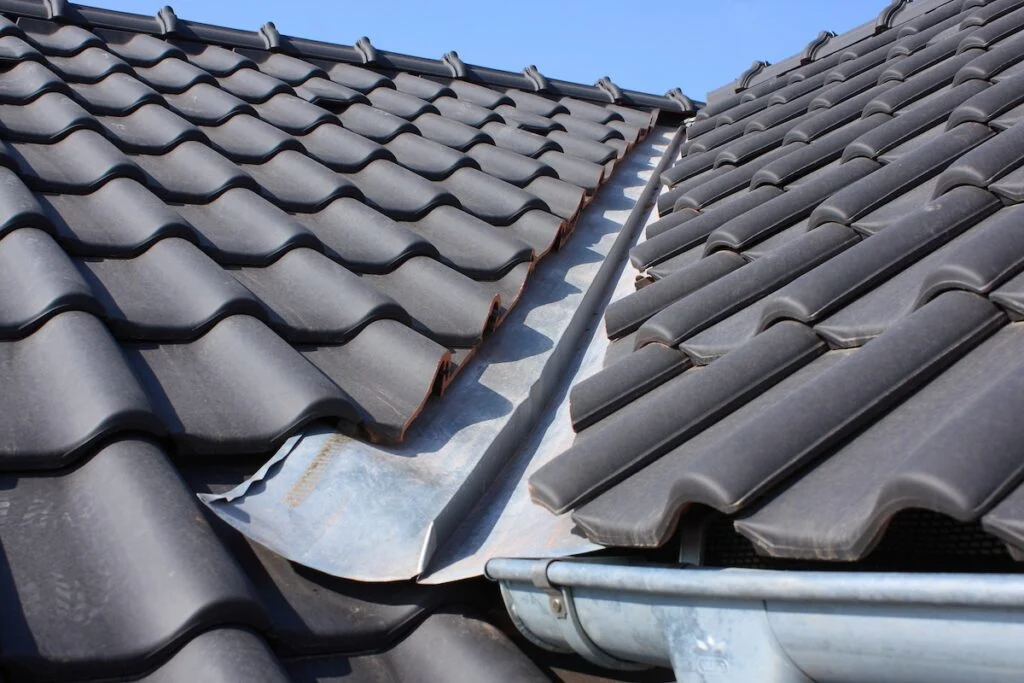

Choose the right roofing brand for Kenya's coast, highlands or arid north by comparing coatings, gauges and profiles for local climate conditions.
The right roofing brand for Kenya depends on the climate where the roof will be installed, because coastal salt air, highland hail and cold, or arid heat and dust place different demands on roofing materials.
A roofing sheet that performs well in Nairobi may not necessarily be the best specification for a property in Mombasa, Nakuru or northern Kenya. Climate affects corrosion, heat gain, wind exposure, impact risk and the long-term condition of protective coatings.
This is why choosing roofing materials should involve more than asking for the best roofing brand in Kenya.
Shop Tent Accessories
View all Tent Accessories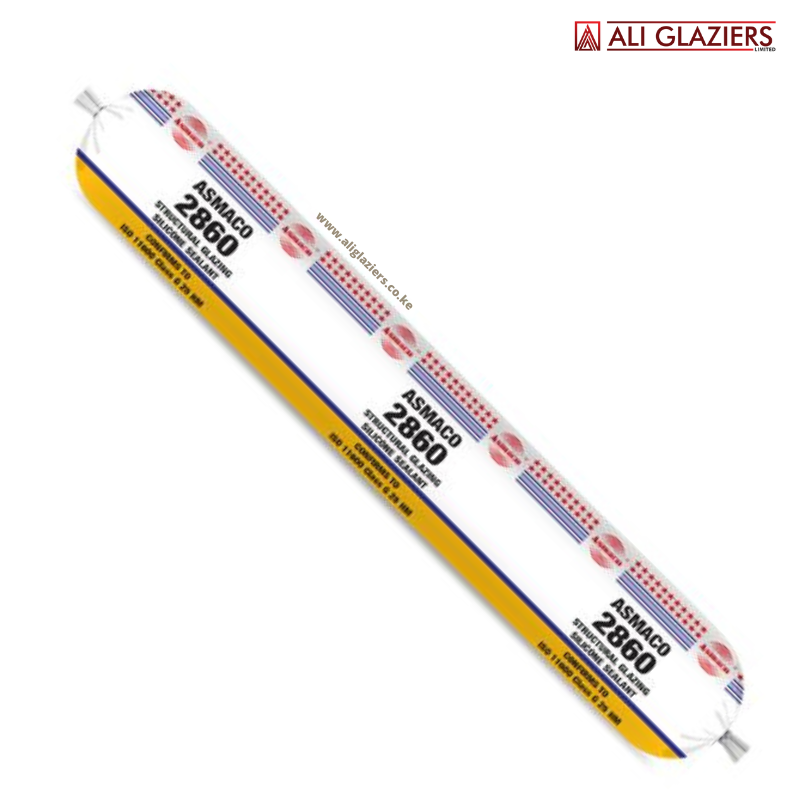
Instead, compare the complete specification:
- Steel thickness
- Steel grade
- Coating type
- Coating mass
- Roofing profile
- Finish
- Fasteners
- Warranty
- Installation requirements
- Environmental suitability
For a coastal building, corrosion resistance may be the priority. In a hail-prone highland location, impact resistance and suitable sheet thickness may matter more. In arid northern regions, heat management, dust, wind and UV exposure become important considerations.
How to Choose Roofing Sheets for Kenya's Coast, Highlands and Arid North
Roofing for coastal Kenya should prioritise corrosion resistance because salt-laden air, high humidity and moisture can accelerate deterioration of exposed steel.
Locations such as Mombasa, Kilifi, Malindi, Lamu and Diani experience marine conditions that can be particularly demanding on roofing materials.
When selecting roofing for coastal areas, compare:
- Metallic coating
- Coating mass
- Paint finish
- Fastener coating
- Warranty conditions
- Environmental limitations
A higher coating specification can provide additional protection, but it should not be viewed in isolation.
The steel substrate, installation quality and maintenance also affect roof performance.
Why Salt Air Is Hard on Mabati
Salt particles carried by coastal air can settle on roofing surfaces and, when combined with moisture, accelerate corrosion of inadequately protected steel.
The risk can be greater for properties:
- Close to the ocean
- Exposed to prevailing coastal winds
- Near industrial areas
- With poor roof maintenance
Regular inspection and cleaning can help remove accumulated deposits.
However, maintenance cannot replace the need for an appropriate roofing specification.
AZ Coatings for Coastal Roofing
Aluminium-zinc coated steel can provide strong corrosion protection, but buyers should check the exact coating specification and environmental suitability of the product.
When comparing coated roofing products, ask suppliers about:
- AZ coating class
- Coating mass
- Steel thickness
- Manufacturer warranty
- Recommended applications
For example, a buyer comparing AZ100 and AZ150 should ask for the complete product specification rather than assuming the coating number alone determines the expected roof lifespan.
Roofing for Highland Kenya
Highland roofing must account for rainfall, temperature changes, strong winds and, in some areas, hail that can impact exposed roofing sheets.
Kenyan highland locations include areas around:
- Nakuru
- Eldoret
- Nyeri
- Kericho
- Limuru
- parts of Laikipia
Conditions vary considerably within these regions, so the building's exact location should be considered.
Roofing selection should consider:
- Sheet thickness
- Profile strength
- Impact exposure
- Roof pitch
- Fastening
- Structural support
Hail Roofing in Nakuru
Hail roofing in Nakuru should be selected with impact resistance and structural performance in mind, particularly for exposed buildings and locations that experience severe storms.
Hail can cause:
- Dents
- Surface damage
- Coating damage
- Deformation
- Cosmetic deterioration
A stronger roofing sheet can provide greater resistance to impact, although no roofing material should be described as completely hail-proof without specific test evidence.
When comparing products, ask for the manufacturer's technical specification rather than relying on verbal claims.
Sheet Thickness Matters in Hail-Prone Areas
A suitable steel thickness can improve resistance to denting and deformation, but thickness should be selected together with the roofing profile and structural design.
Do not assume that the thickest available sheet is automatically the best choice.
The correct specification depends on:
- Roof span
- Purlin spacing
- Profile
- Building type
- Wind exposure
- Impact risk
A roofing professional can help determine the appropriate combination.
Roof Pitch in Highland Areas
A properly designed roof pitch helps rainwater drain efficiently and reduces the risk of water accumulation around overlaps and roof penetrations.
Heavy rainfall makes effective drainage particularly important.
Roof design should consider:
- Roof pitch
- Sheet profile
- Overlaps
- Gutters
- Valleys
- Flashings
Correct installation is essential regardless of the roofing brand selected.
Roofing for Arid Northern Kenya
Arid climate roofing must handle intense heat, dust, strong sunlight and, in some areas, significant wind exposure.
Northern and northeastern Kenya include regions with much drier conditions than the coastal and highland zones.
Examples include:
- Garissa
- Isiolo
- Marsabit
- Wajir
- Lodwar
- Mandera
Roofing systems in these areas should be selected with thermal comfort, durability and environmental exposure in mind.
Managing Heat in Arid Areas
In hot, arid regions, roof colour, insulation, ventilation and building orientation can have a major effect on indoor temperatures.
Metal roofing can become extremely hot when exposed to direct sunlight.
A complete roof design can improve comfort through:
- Roof insulation
- Ventilation
- Appropriate ceiling design
- Reflective or suitable roof finishes
- Shading
- Proper building orientation
Choosing a roofing brand alone will not solve indoor heat problems.
Dust and Roofing Maintenance
Dust accumulation can affect roof appearance and may contribute to maintenance problems when combined with moisture or contaminants.
Regular inspections should check for:
- Dirt accumulation
- Blocked gutters
- Loose fasteners
- Damaged coatings
- Corrosion
- Damaged flashings
Buildings in dusty environments may require more frequent maintenance than those in cleaner locations.
Wind Exposure in Northern Kenya
Open and exposed areas can experience strong winds, making secure fastening and appropriate roof design especially important.
Wind can create uplift forces that affect:
- Sheet edges
- Roof corners
- Ridge caps
- Flashings
- Overhangs
A strong roofing system requires more than a thick sheet.
It needs:
- Correct purlin spacing
- Appropriate fasteners
- Adequate screw density
- Proper edge fixing
- Correct installation
Don't Choose a Roofing Brand by Reputation Alone
A well-known roofing brand can offer reliable products, but the correct choice still depends on whether the specific product matches the building's environmental and structural requirements.
When comparing roofing brands, ask:
- What is the steel thickness?
- What steel grade is used?
- What coating is applied?
- What is the coating mass?
- What profile is available?
- What warranty applies?
- Is the product suitable for my climate?
- Which fasteners are recommended?
- What installation conditions apply?
This approach gives you a more useful comparison than simply asking which manufacturer is number one.
Compare Roofing Specifications, Not Just Prices
A cheaper roofing sheet may not provide equivalent performance if it has a different steel thickness, coating, finish or warranty.
When comparing quotations, make sure you are comparing equivalent specifications.
For example:
| SpecificationProduct AProduct B | ||
| Steel thickness | Check | Check |
| Steel grade | Check | Check |
| Coating type | Check | Check |
| Coating mass | Check | Check |
| Profile | Check | Check |
| Finish | Check | Check |
| Warranty | Check | Check |
| Fasteners | Check | Check |
This simple comparison can expose major differences between apparently similar products.
Coastal vs Highland vs Arid Roofing
Different Kenyan climate zones create different roofing priorities, so the ideal specification should be matched to the environmental conditions rather than applied uniformly across the country.
| ClimateMain ConcernKey Roofing Considerations | ||
| Coastal | Salt air and humidity | Corrosion resistance, coating, fasteners |
| Highlands | Rain, hail and wind | Thickness, profile, fixing, drainage |
| Arid North | Heat, dust and wind | Ventilation, insulation, secure fixing |
| Urban | Pollution, heat and rain | Coating, maintenance, drainage |
| Agricultural | Moisture and chemicals | Coating, ventilation, maintenance |
This does not mean there is one roofing brand for the coast, another for the highlands and another for northern Kenya.
The same manufacturer may offer different products suitable for different applications.
Warranty Conditions Matter by Location
A roofing warranty should be checked carefully because some environmental conditions may have specific limitations or exclusions.
Before purchasing, ask:
- Is the warranty valid in coastal environments?
- Are marine conditions excluded?
- Does the warranty cover fading?
- Does it cover corrosion?
- What installation requirements apply?
- What maintenance is required?
Always request the manufacturer's current warranty documentation for the exact product.
Fasteners Are Part of the Climate Strategy
The roofing sheet is only one part of the system, and fasteners must also be selected according to environmental exposure.
This is particularly important near the coast.
Poor-quality fasteners can corrode even when the roofing sheet itself has good corrosion protection.
Choose compatible:
- Roofing screws
- Washers
- Ridge caps
- Flashings
- Gutters
- Sealants
A complete roofing system should be designed together.
Why Professional Installation Matters
Correct installation protects the roofing material and ensures that the sheet, fasteners and structural supports work together as intended.
Poor installation can lead to:
- Leaks
- Loose sheets
- Corrosion
- Damaged coatings
- Wind uplift
- Premature failure
Professional installers should follow the manufacturer's instructions for:
- Sheet overlaps
- Screw placement
- Purlin spacing
- Flashings
- Ridge caps
- Cutting
- Handling
Why Choose Ali Glaziers Roofing Solutions?
Ali Glaziers Roofing Solutions supplies roofing materials and accessories for projects throughout Kenya.
Our team can help you select roofing solutions according to:
- Climate
- Building type
- Roof design
- Budget
- Sheet specification
- Installation requirements
Whether you need roofing for coastal Kenya, hail-resistant specifications for Nakuru, or roofing suitable for an arid climate, our team can help you compare the relevant options.
Browse our available products through the Roofing Shop.
Learn more about our roofing services through Roofing About Us.
For project-specific advice and quotations, use our Request a Quote page.
Final Thoughts
The best roofing brand for a Kenyan project is the one that offers a product specification suited to the local climate, building design and expected performance.
For the coast, focus strongly on corrosion protection and compatible fasteners.
For the highlands, consider rainfall, wind, temperature changes and potential hail exposure.
For the arid north, pay attention to heat, dust, UV exposure and wind.
Most importantly, compare the complete specification rather than relying on brand name or price.
Check the steel thickness, coating mass, profile, warranty and installation requirements before placing your order.
Contact Us Today
Visit Us:
Funzi Road Branch, End of Funzi Road, Industrial Area
Ali Glaziers LTD Building
Nairobi, Kenya
Call / WhatsApp:
+254 (0) 716 259 682
+254 (0) 722 522 452
Email:
info@aliglaziers.com
Shop Online:
Learn More:
Request a Quote:
Contact Ali Glaziers Roofing Solutions
Need help choosing roofing sheets for your location? Talk to Ali Glaziers Roofing Solutions about the appropriate coating, thickness, profile and accessories for your project.