Understanding the difference between commercial vs residential roofing in Kenya is essential for choosing the right materials. This guide explores durability, cost, and performance across Nairobi, Mombasa, and beyond.
Commercial vs Residential Roofing: Key Differences in Materials in Kenya
Why Roofing Choice Matters More Than Ever
Roofing is one of the most critical decisions in any construction project, whether it is a residential home in Nairobi, a commercial complex in Mombasa, or an industrial warehouse in Eldoret. Yet many builders in Kenya still underestimate the fundamental differences between commercial roofing products and residential roofing materials.
The truth is simple: commercial buildings demand strength, durability, and long-term performance under heavy use, while residential roofs prioritize comfort, aesthetics, and cost efficiency.
In Kenya’s diverse climate—ranging from the hot coastal humidity of Mombasa to the cooler highlands of Nyeri and Nakuru—choosing the wrong roofing system can lead to:
Shop Solid Polycarbonate Sheets
View all Solid Polycarbonate Sheets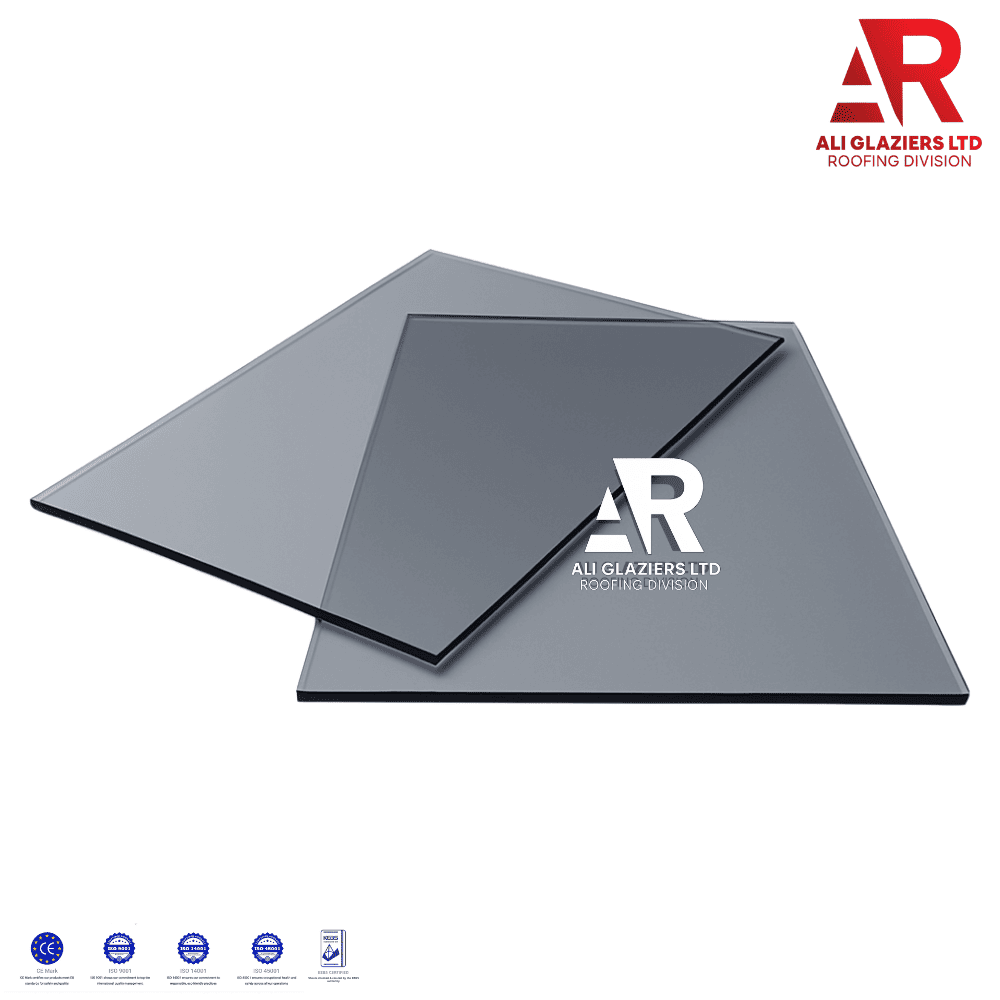
GREY SOLID POLYCARBONATE SHEETS
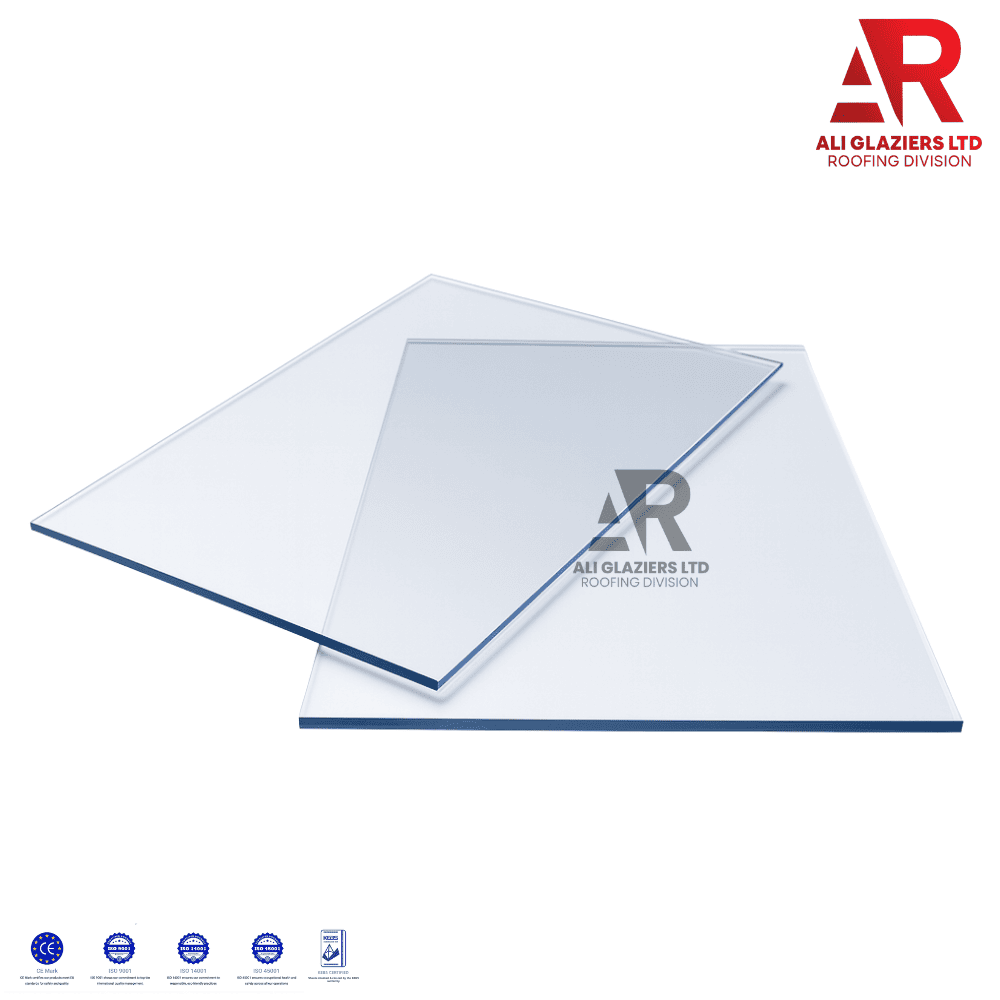
CLEAR SOLID POLYCARBONATE SHEETS
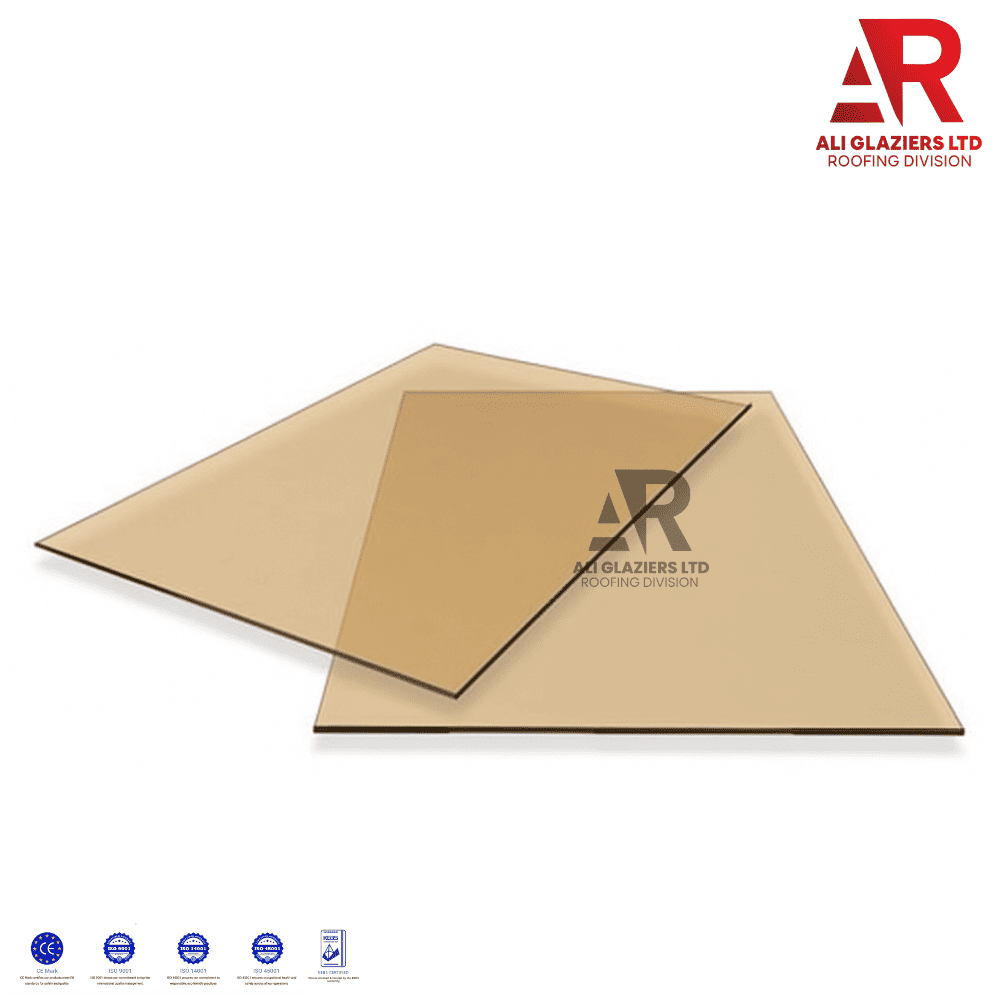
BRONZE SOLID POLYCARBONATE SHEETS
- Excessive heat buildup indoors
- Frequent maintenance and repair costs
- Structural failure during heavy rains
- Poor energy efficiency
- Reduced property value
This guide explores the key differences between commercial and residential roofing systems, the best materials for each, and how modern solutions like polycarbonate roofing are reshaping the industry in Kenya.
Understanding Commercial vs Residential Roofing Systems
What is Residential Roofing?
Residential roofing refers to roofing systems used in houses, apartments, and private dwellings. These roofs are designed with a focus on:
- Aesthetic appeal
- Thermal comfort
- Moderate durability requirements
- Cost efficiency
Common residential roofing materials in Kenya include:
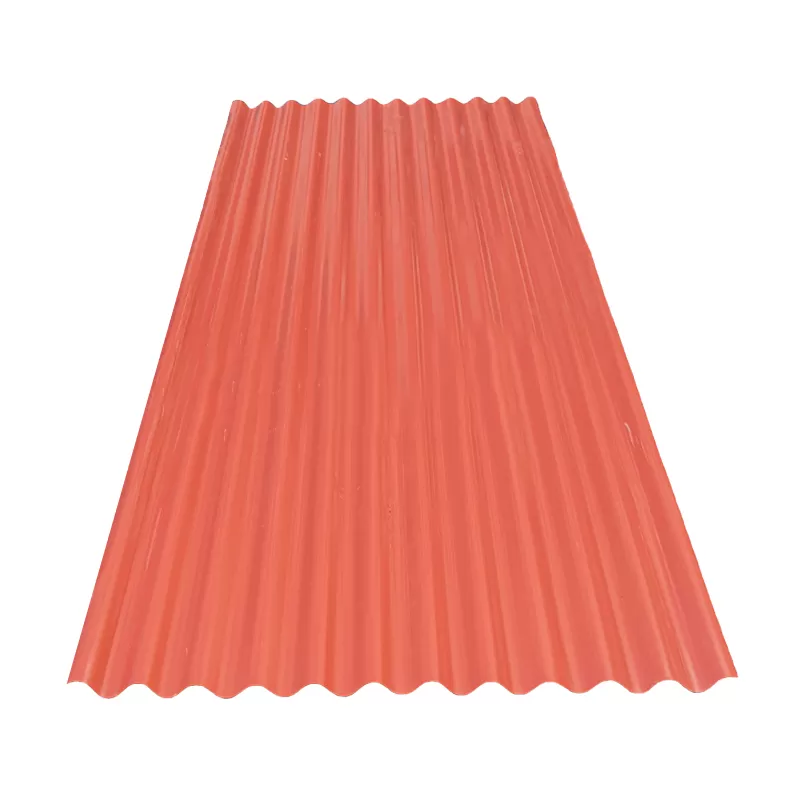
- Mabati (corrugated iron sheets)
- Concrete tiles
- Clay tiles
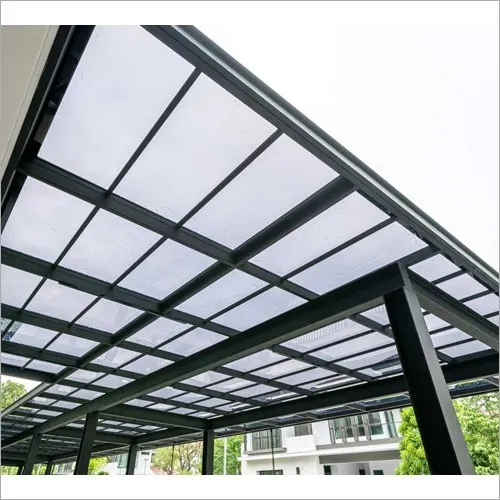
- Polycarbonate roofing for skylights and patios
What is Commercial Roofing?
Commercial roofing is used in structures such as:
- Shopping malls
- Office buildings
- Warehouses
- Schools and universities
- Industrial factories
These roofs prioritize:
- High durability
- Load-bearing capacity
- Weather resistance
- Large-span coverage
- Low long-term maintenance
Common commercial roofing products include:
- Industrial-grade metal roofing sheets
- Reinforced polycarbonate systems
- Flat roofing membranes
- Insulated panel systems
Key Differences Between Commercial and Residential Roofing
1. Design Complexity and Structure
Residential roofs are usually sloped or pitched for water drainage and aesthetic appeal. Commercial roofs, on the other hand, are often flat or low-slope to accommodate large surface areas and equipment installations.
- Residential: Simple truss systems
- Commercial: Reinforced steel frameworks
2. Material Strength Requirements
Commercial buildings face higher stress due to:
- Larger surface areas
- HVAC equipment load
- Heavy foot traffic (maintenance personnel)
Therefore, commercial roofing materials must be significantly stronger and more durable than residential options.
3. Lifespan Expectations
- Residential roofing: 10–25 years depending on material
- Commercial roofing: 20–40 years with proper maintenance
4. Cost Structure
Residential roofs typically have lower upfront costs, while commercial roofing involves higher initial investment but lower lifecycle costs due to durability.
5. Maintenance Requirements
Commercial roofs require scheduled inspections due to:
- Drainage systems
- Equipment installations
- Structural complexity
Residential roofs require simpler, less frequent maintenance.
Material Comparison: Commercial vs Residential Roofing
Common Residential Roofing Materials in Kenya
1. Mabati Roofing Sheets
Widely used due to affordability and availability.
Advantages:
- Low cost
- Easy installation
- Widely accessible in Kenya
Disadvantages:
- Poor insulation
- Rust issues in coastal areas
- Noise during rain
2. Concrete Tiles
Popular in high-end residential estates.
Advantages:
- Attractive appearance
- Good durability
- Fire-resistant
Disadvantages:
- Heavy load on structure
- Expensive installation
3. Polycarbonate Roofing (Residential Use)
Increasingly used for skylights, patios, and verandas.
Polycarbonate Roofing Sheets Kenya
Advantages:
- Allows natural light
- UV protection
- Modern aesthetic appeal
- Lightweight
Common Commercial Roofing Materials in Kenya
1. Industrial Metal Roofing Systems
Used in warehouses and factories.
Advantages:
- High structural strength
- Long lifespan
- Suitable for large spans
Disadvantages:
- Heat retention
- Corrosion risk in coastal areas
2. Reinforced Polycarbonate Roofing Systems
Used in malls, airports, and modern commercial buildings.
Egyptian Solid Polycarbonate Roofing
Advantages:
- Extremely strong (200x stronger than glass)
- UV-stabilized
- Excellent for skylights and daylighting systems
- Lightweight for large installations
3. Flat Roofing Membranes
Used in office blocks and modern commercial designs.
Advantages:
- Space-efficient
- Allows rooftop installations
- Modern architectural style
Disadvantages:
- Requires drainage precision
- Waterproofing maintenance needed
Climate Impact on Roofing in Kenya
Kenya’s climate plays a huge role in determining roofing performance.
Nairobi and Central Kenya
- Moderate climate but high UV exposure
- Best suited for UV-stabilized roofing materials
Mombasa and Coastal Region
- High humidity and salty air
- Metal roofs corrode faster
- Polycarbonate performs better due to corrosion resistance
Kisumu and Western Kenya
- High rainfall
- Requires excellent drainage roofing systems
Northern Kenya (Garissa, Isiolo)
- Extreme heat conditions
- Heat-reflective roofing materials are essential
Why Polycarbonate is Bridging Commercial and Residential Roofing
Modern construction in Kenya is increasingly blending residential comfort with commercial-grade durability. Polycarbonate roofing is at the center of this transformation.
Benefits in Residential Use
- Natural lighting for homes
- Elegant patio roofing
- Energy savings through daylight use
Benefits in Commercial Use
- Large-span skylights
- Mall roofing systems
- Industrial daylighting solutions
Product Example
Bronze Extra Clear Polycarbonate Sheets
Cost Comparison: Commercial vs Residential Roofing in Kenya
Residential Roofing Costs
- Lower initial investment
- Depends on material choice (mabati vs tiles vs polycarbonate)
- Minimal structural reinforcement required
Commercial Roofing Costs
- Higher upfront investment
- Requires engineering design and reinforcement
- Long-term savings due to durability
Commercial roofing is an investment in longevity, while residential roofing is often a balance between cost and comfort.
Installation Differences of commercial vs residential roof
Residential Roofing Installation
- Faster installation timelines
- Less complex engineering
- Smaller teams required
Commercial Roofing Installation
- Requires structural engineers
- Larger labor teams
- Safety compliance measures
- Precision in drainage and load distribution
Maintenance Differences of commercial vs residential roof
Residential Roof Maintenance
- Occasional cleaning
- Simple leak repairs
- Visual inspections
Commercial Roof Maintenance
- Scheduled inspections
- Waterproofing checks
- Structural integrity audits
- HVAC and rooftop system coordination
Frequently Asked Questions About Commercial vs Residential Roofing in Kenya
1. What is the main difference between commercial and residential roofing?
Commercial roofing is designed for durability and large structures, while residential roofing focuses on comfort and aesthetics.
2. Which roofing material lasts longer in Kenya?
Commercial-grade materials like reinforced metal and polycarbonate generally last longer due to higher durability standards.
3. Is polycarbonate roofing suitable for both residential and commercial use?
Yes. It is widely used in patios, skylights, malls, and industrial buildings.
4. Why is commercial roofing more expensive?
It requires stronger materials, engineering design, and higher safety standards.
5. Does climate affect roofing choice in Kenya?
Yes. Coastal, highland, and arid regions require different roofing materials.
6. What is the best roofing for hot climates like Mombasa?
UV-resistant polycarbonate or reflective metal roofing works best.
7. Can residential roofs use commercial materials?
Yes, especially for premium homes that require durability and modern design.
Conclusion: Choosing the Right Roofing System in Kenya
The difference between commercial and residential roofing goes far beyond appearance. It involves structural design, material strength, cost strategy, and long-term performance.
In Kenya’s evolving construction landscape, builders are increasingly adopting hybrid solutions—especially polycarbonate roofing systems—that combine the strength of commercial materials with the elegance of residential design.
Whether you are constructing a home in Nairobi or a commercial facility in Mombasa, the right roofing choice will determine your building’s durability, efficiency, and long-term value.
Ali Glaziers Roofing Division continues to lead this transformation by providing high-performance roofing materials tailored to Kenya’s climate and architectural needs.
Upgrade to Unbreakable Roofing with Ali Glaziers Today!
Whether you are an architect designing a modern mall, a contractor securing an industrial warehouse, or a homeowner upgrading your patio pergola, Ali Glaziers Roofing Division has the perfect solution for the Kenyan climate.
Virtually Indestructible: Polycarbonate materials that are 200x stronger than glass.
UV-Stabilized: Advanced technology to prevent yellowing and sun damage.
Fast & Reliable Delivery: Countrywide, same-day, and next-day delivery options across Nairobi, Mombasa, Kisumu, Nakuru, Eldoret, and beyond.
Visit Us: Funzi Road Branch: End of Funzi Road, Industrial Area – Ali Glaziers LTD Building, Nairobi.
Call/WhatsApp: +254 (0) 716 259 682 | +254 (0) 722 522 452
Email: info@aliglaziers.com
Shop Online: https://roofing.aliglaziers.com/shop/