Before installation begins, use this complete checklist to inspect roofing materials, confirm quality, and ensure all roofing sheets and supplies have been delivered safely and correctly.
The Complete Checklist for Inspecting Delivered Roofing Materials in Kenya
Every successful roofing project begins long before installation—it starts at the point of delivery. Whether you are building a residential home in Nairobi, a commercial warehouse in Mombasa, or an industrial facility in Nakuru or Eldoret,inspect roofing materials is ensuring that your roofing materials arrive in perfect condition is critical to project success.
Many construction delays, leaks, and structural issues in Kenya happen because roofing materials were never properly inspected upon delivery. A simple but structured inspection process can prevent financial losses, material wastage, and project delays.
This guide provides a professional inspect roofing options checklist tailored for Kenyan construction sites, helping contractors, architects, and homeowners ensure quality, accuracy, and safety before installation begins.
Shop Solid Polycarbonate Sheets
View all Solid Polycarbonate Sheets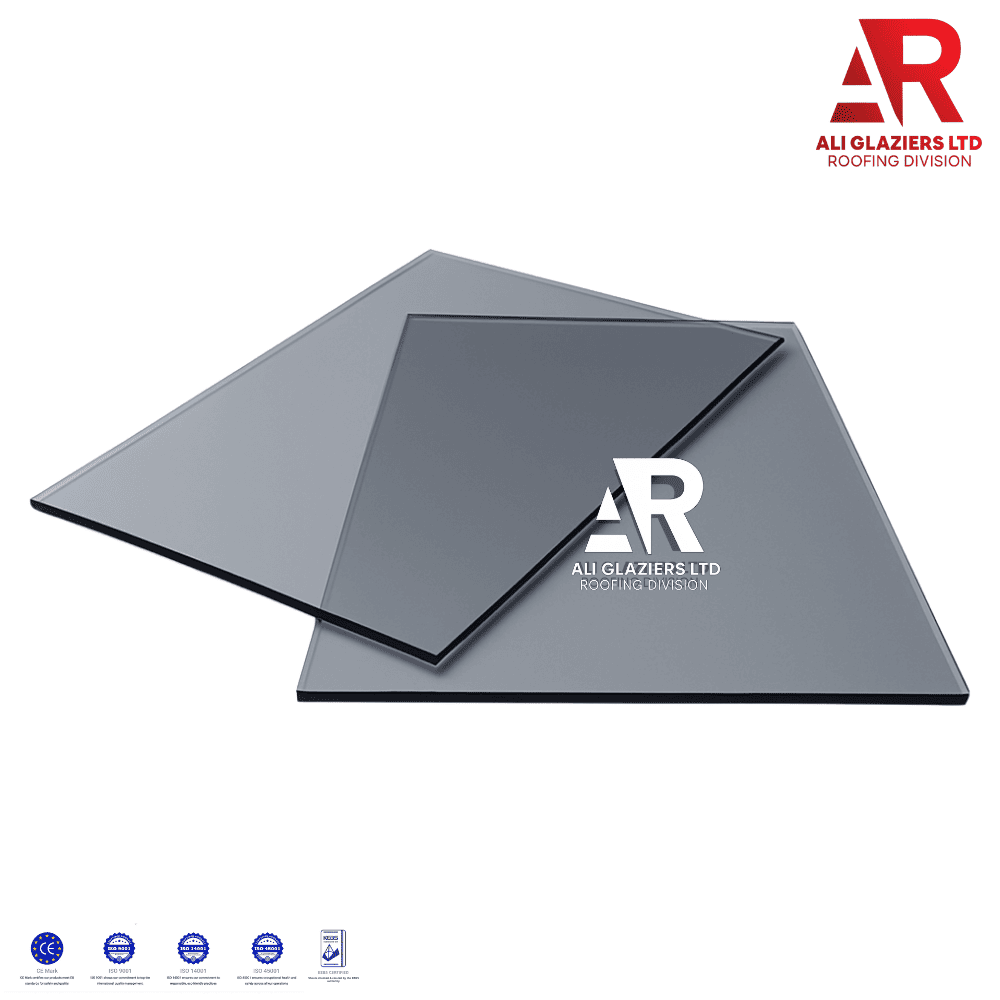
GREY SOLID POLYCARBONATE SHEETS
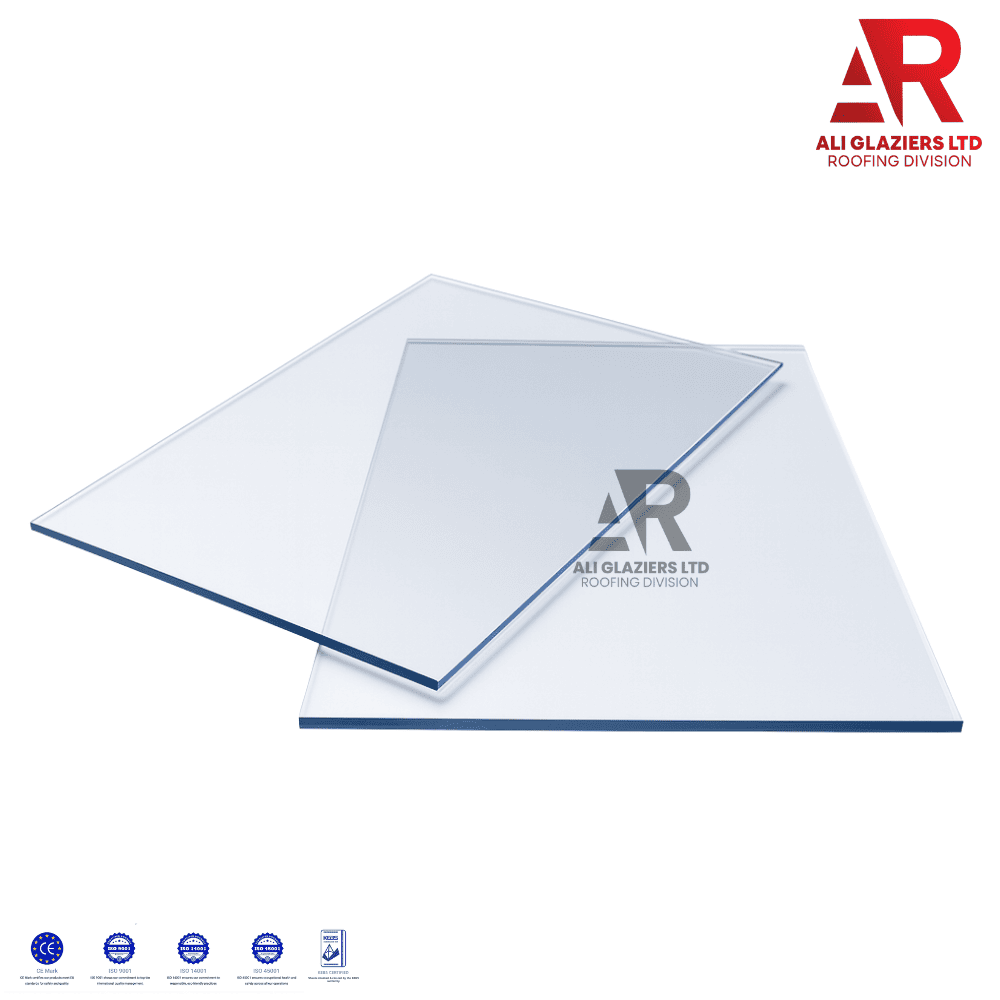
CLEAR SOLID POLYCARBONATE SHEETS
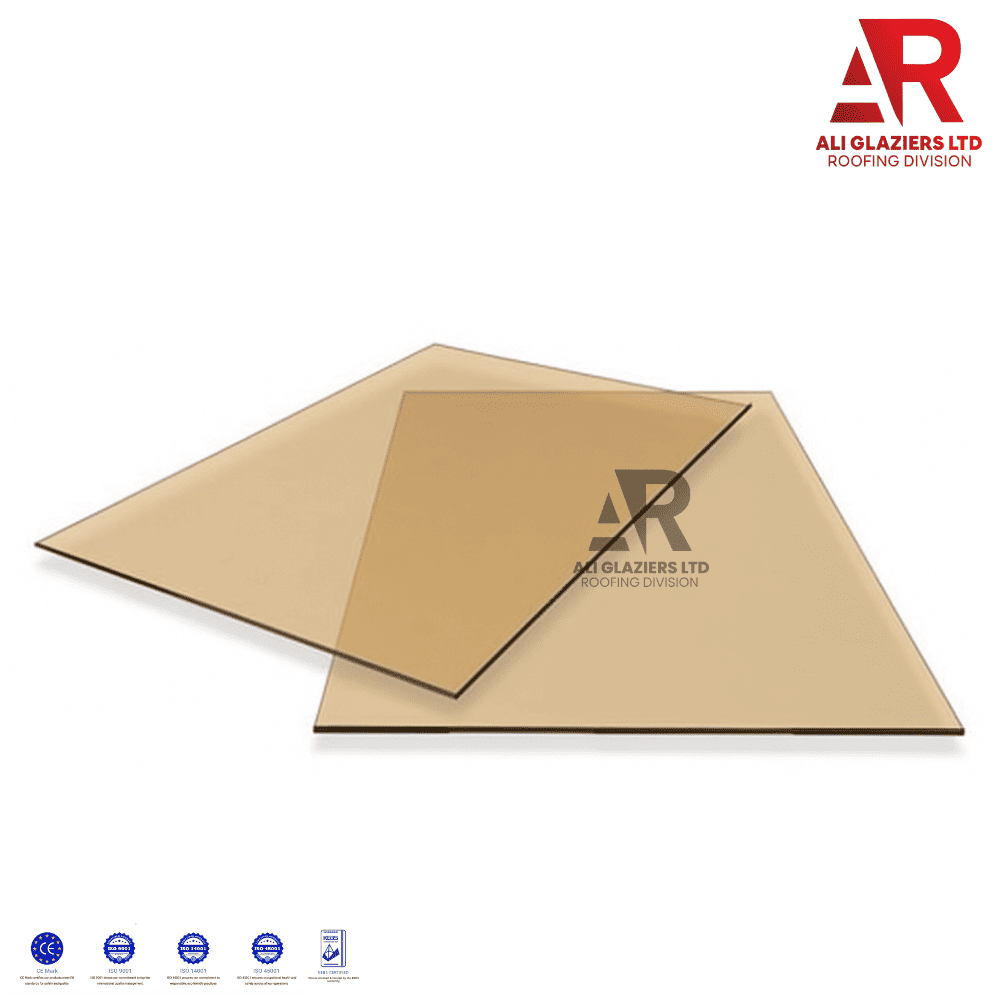
BRONZE SOLID POLYCARBONATE SHEETS
Why You Must Inspect roof materials Immediately After Delivery
Roofing materials are often transported over long distances across Kenya—from warehouses in Nairobi to construction sites in Kisumu, coastal Mombasa, or rural towns. During transportation, materials can be exposed to:
- Vibrations and shocks
- Heat and UV exposure
- Moisture and rain
- Improper stacking pressure
- Handling damage during offloading
Failing to these materials immediately can lead to installing defective sheets or missing components, which is expensive and time-consuming to fix later.
Contractors are strongly advised to inspect roofing options in Kenya immediately upon delivery to ensure all specifications match the purchase order and no damage has occurred during transit.
Step 1: Check Delivery Documents and Order Accuracy
Start by verifying paperwork before unloading materials.
Confirm the following:
- Delivery note matches purchase order
- Roofing product type is correct
- Quantity is accurate
- Specifications match agreed standards
- Supplier stamp or authorization is included
This step ensures accountability and prevents disputes with suppliers or transporters.
Step 2: Inspect Packaging Condition
Packaging is your first indicator of possible damage.
Look for:
- Torn or open wrapping
- Water-damaged cartons
- Broken pallets or supports
- Dust or exposure to moisture
- Signs of rough handling
If packaging is compromised, inspect internal materials more carefully before acceptance.
Step 3: Verify Roofing Material Type and Specifications
Incorrect materials are a common issue in construction projects.
Check:
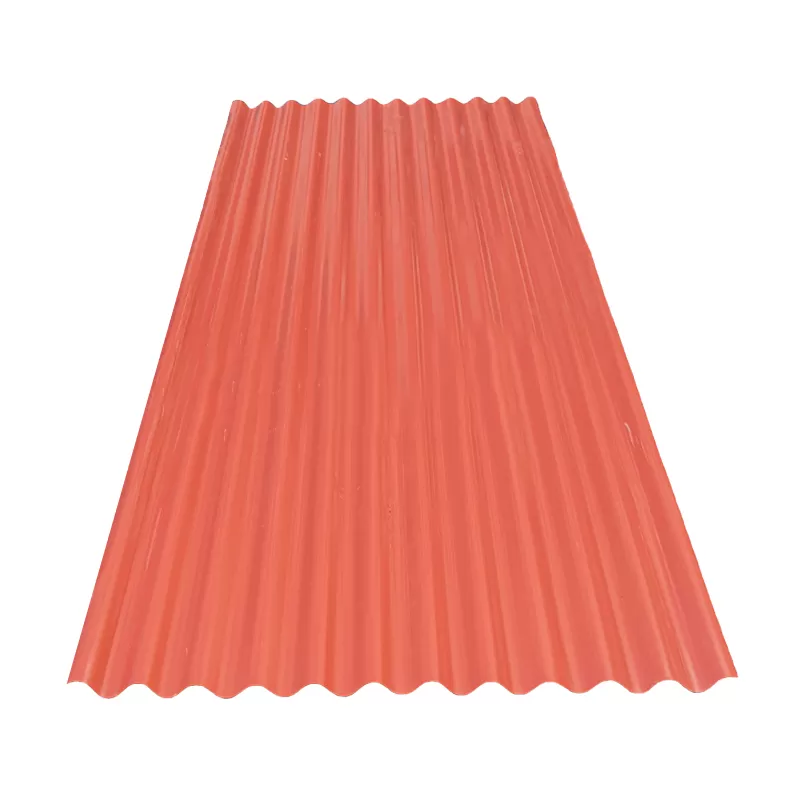
- Material type (polycarbonate, metal, shingles, etc.)
- Sheet thickness
- Color consistency
- Transparency level (for clear roofing sheets)
- UV protection labeling
For example, high-quality products such as Egyptian Solid Polycarbonate Roofing Sheets must match the required specifications for strength and durability.
Step 4: Physically Inspect for Damage
Carefully examine each roofing sheet.
Check for:
- Cracks or fractures
- Scratches on surface coating
- Bent edges or deformation
- Warping from heat exposure
- Impact dents
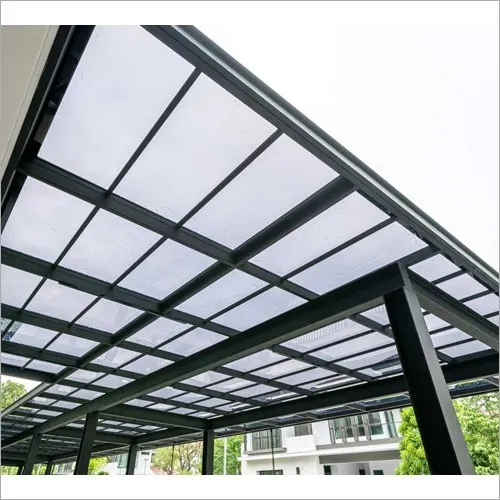
Even minor damage can compromise long-term performance, especially in high-stress roofing applications like skylights and canopies.
Step 5: Confirm Quantity and Accessories
Missing items can delay installation significantly.
Verify:
- Number of roofing sheets delivered
- Ridge caps and flashings
- Screws and fasteners
- Rubber washers
- Sealants or adhesives
Ensure everything matches the supplier invoice exactly.
Step 6: Inspect UV Protection and Surface Quality
Kenya’s strong equatorial sun makes UV protection essential.
Confirm:
- UV-stabilized coating is present
- No yellowing or discoloration
- Smooth and uniform surface finish
- Manufacturer markings or certification
High-quality polycarbonate sheets are designed to resist UV damage and maintain clarity for years.
Step 7: Test Material Flexibility and Strength
Different roofing materials behave differently under pressure.
For polycarbonate sheets:
- Should flex without cracking
- Should return to original shape
- Should feel lightweight but strong
This ensures the material will perform well under wind, rain, and thermal expansion.
Step 8: Confirm Compatibility with Roof Design
Not all roofing materials suit every structure.
Check:
- Roof slope compatibility
- Sheet length and width accuracy
- Structural load capacity
- Ventilation and drainage design
Architectural projects in Nairobi and Mombasa often require precise alignment for skylights and transparent roofing systems.
Step 9: Store Materials Properly Before Installation
Incorrect storage can damage even high-quality roofing products.
Storage rules:
- Keep materials off the ground
- Avoid direct sunlight exposure
- Store in a dry, ventilated area
- Stack evenly to prevent bending
- Cover if stored outdoors
Comparison: Proper Inspection vs No Inspection
| FactorWith InspectionWithout Inspection | ||
| Material Quality | Verified | Risk of defects |
| Project Delays | Minimal | Frequent delays |
| Cost Control | Stable | Unexpected expenses |
| Safety | High | Compromised |
| Waste Reduction | Low waste | High material loss |
Common Roofing Inspection Mistakes in Kenya
Many contractors make costly errors such as:
- Accepting delivery without checking documents
- Skipping physical inspection due to time pressure
- Ignoring small surface defects
- Failing to count accessories
- Improper storage after delivery
Avoiding these mistakes ensures smoother project execution.
Expert Tips for Contractors and Homeowners
- Always inspect materials in daylight
- Use a written checklist for every delivery
- Take photos for records
- Compare with approved samples
- Only accept materials from trusted suppliers
Reliable suppliers like Ali Glaziers Roofing Shop provide consistent quality and support for construction projects across Kenya.
Frequently Asked Questions
Why is it important to inspect roof materials in Kenya?
Because transportation and handling can damage materials, and early inspection prevents installation of faulty products.
What should I check first?
Start with delivery documents and quantity verification.
Can damaged roofing sheets be used?
No, damaged sheets compromise structural integrity and should be replaced.
How do I these materials in Kenya properly?
Check documentation, packaging, physical condition, UV protection, and quantity upon delivery.
What happens if I skip inspection?
You risk project delays, extra costs, and potential roof failure.
Conclusion
A proper roofing inspection checklist is essential for any construction project in Kenya. From Nairobi’s urban developments to coastal and rural construction sites, ensuring that roofing materials are correctly delivered, undamaged, and fully accounted for protects your investment and guarantees long-term performance.
When contractors consistently inspect roofing options in Kenya upon delivery, they reduce risks, improve efficiency, and ensure higher-quality construction outcomes.
Upgrade to Unbreakable Roofing with Ali Glaziers Today!
Whether you are an architect designing a modern mall, a contractor securing an industrial warehouse, or a homeowner upgrading your patio pergola, Ali Glaziers Roofing Division has the perfect solution for the Kenyan climate.
Virtually Indestructible: Polycarbonate materials that are 200x stronger than glass.
UV-Stabilized: Advanced technology to prevent yellowing and sun damage.
Fast & Reliable Delivery: Countrywide, same-day, and next-day delivery options across Nairobi, Mombasa, Kisumu, Nakuru, Eldoret, and beyond.
Visit Us: Funzi Road Branch: End of Funzi Road, Industrial Area – Ali Glaziers LTD Building, Nairobi.
Call/WhatsApp: +254 (0) 716 259 682 | +254 (0) 722 522 452
Email: info@aliglaziers.com
Shop Online: https://roofing.aliglaziers.com/shop/