Roofing is a fundamental part of any building project. In Kenya, it directly affects comfort, durability, energy efficiency, and long-term maintenance costs. Homeowners today have more options than ever before, ranging from traditional iron sheets to modern transparent systems designed for better lighting and heat control.
This guide explains the main options available in the country, how costs vary, what influences installation decisions, and how modern materials are changing construction practices across residential and commercial projects.
Overview of Systems in Kenya
The construction industry in Kenya continues to evolve as new building technologies become more accessible. While older housing developments relied heavily on basic metal sheets, modern architecture now incorporates advanced materials that improve performance and aesthetics.
Shop Solid Polycarbonate Sheets
View all Solid Polycarbonate Sheets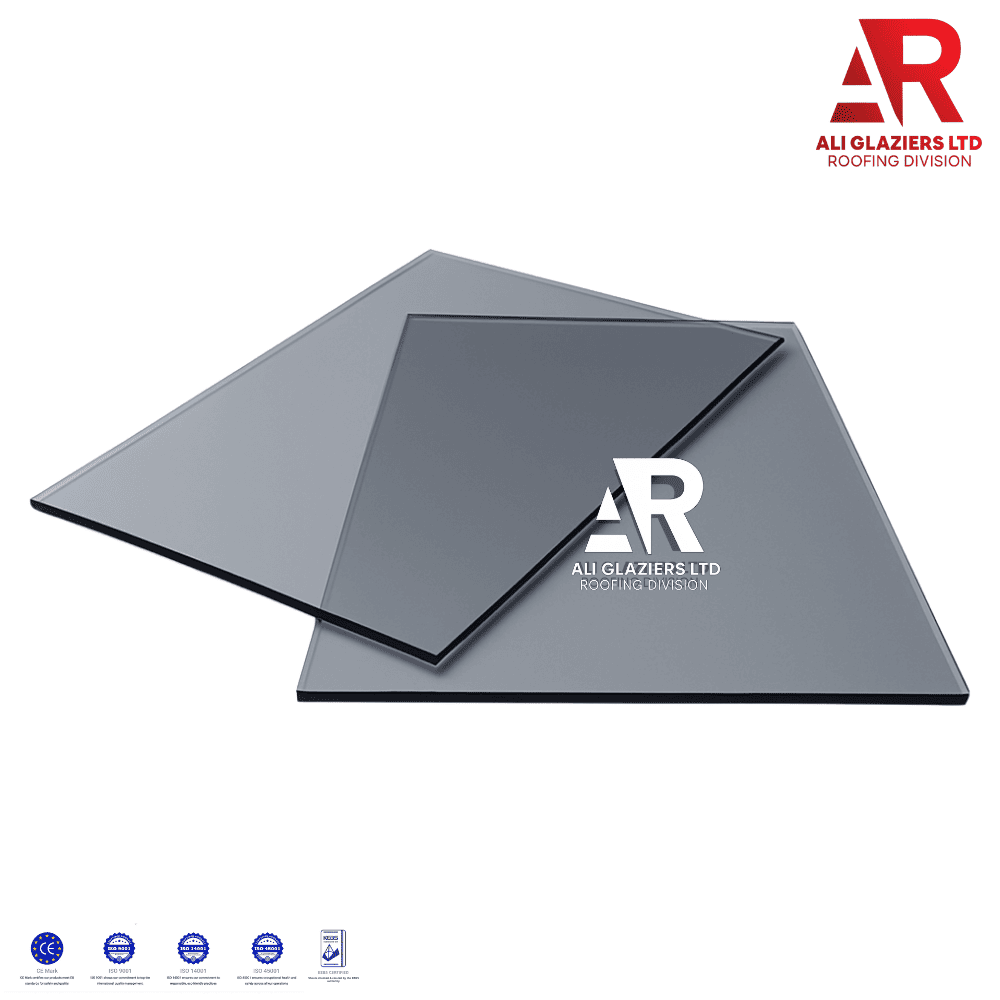
GREY SOLID POLYCARBONATE SHEETS
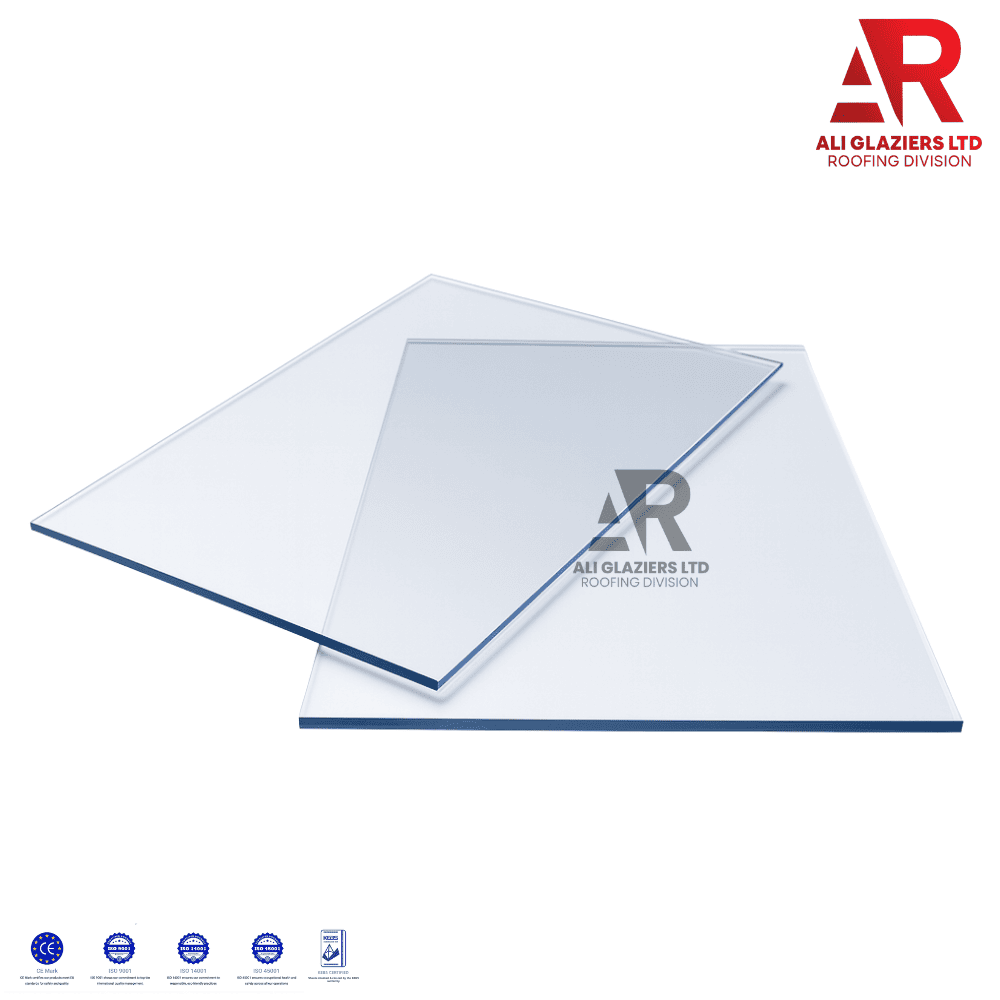
CLEAR SOLID POLYCARBONATE SHEETS
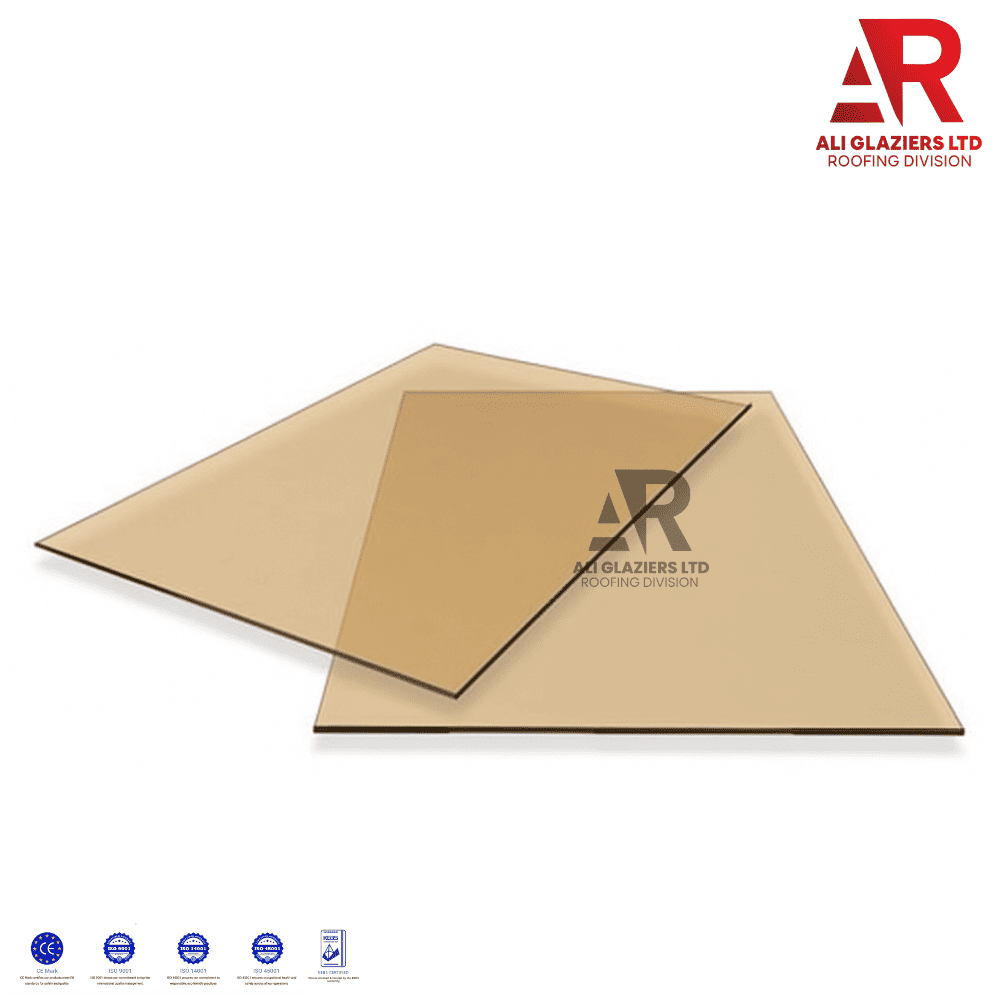
BRONZE SOLID POLYCARBONATE SHEETS
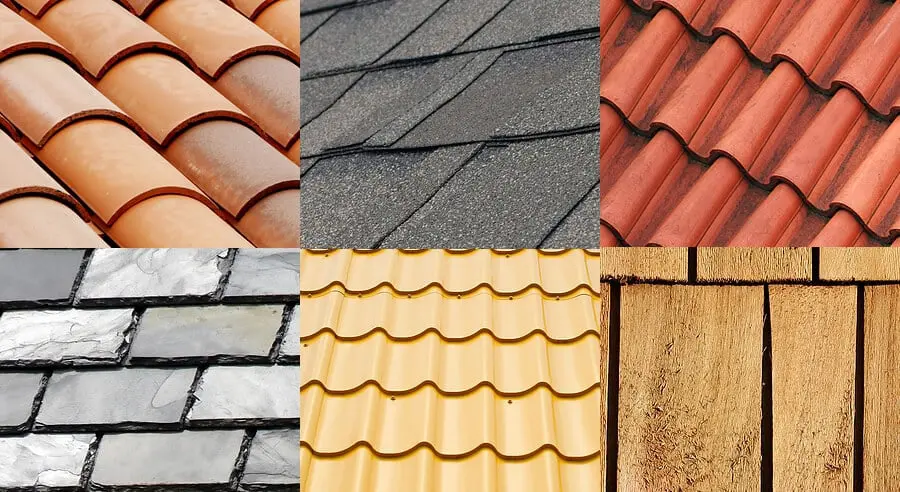
Common roofing systems include:
- Corrugated iron sheets
- Concrete and clay tiles
- Transparent roofing panels
- Polycarbonate-based systems
- Composite roofing solutions
Each option serves different needs depending on design, climate, and budget considerations.
Common Materials for Homes
Selecting the right material is one of the most important decisions in any construction project. Each option offers unique advantages and limitations.
Iron Sheets
Iron sheets remain widely used due to affordability and availability. They are suitable for basic housing but may require regular maintenance due to rust and heat absorption.
Tiles
Tiles provide a premium appearance and improved insulation. However, they require strong structural support because of their weight.
Polycarbonate-Based
Modern housing projects increasingly use polycarbonate materials for skylights, patios, and covered outdoor areas. These systems are valued for strength, clarity, and weather resistance.
Explore options here:
https://roofing.aliglaziers.com/product-category/polycarbonate-roofing-sheets/
Transparent Solutions for Modern Homes
Transparent is becoming more common in urban housing and commercial architecture. It allows natural light into interior spaces while maintaining protection from weather elements.
Clear Polycarbonate Options
https://roofing.aliglaziers.com/product/egyptian-clear-solid-polycarbonate/
Used in skylights and indoor lighting enhancement systems.
Bronze-Tinted Sheets
https://roofing.aliglaziers.com/product/bronze-extra-clear-polycarbonate-sheets/
Suitable for hot regions where glare and heat reduction are important.
Colored Sheet Variants
https://roofing.aliglaziers.com/product/solid-color-polycarbonate-sheets/
Used for decorative and semi-privacy applications.
These materials are increasingly used in homes, offices, and hospitality projects across Nairobi, Mombasa, and Kisumu.
Cost Factors in Home Projects
Costs vary depending on material choice, location, and project size. In urban areas, labor and transport costs may be higher, while rural regions often face logistical challenges.
Key factors influencing cost include:
- Type of roofing material
- Thickness and quality grade
- Structural complexity
- Labor availability
- Transportation distance
While basic metal sheets may appear cheaper, modern materials often provide better long-term value due to reduced maintenance and energy savings.
Egyptian Solid Polycarbonate Applications
One of the strongest modern options available is Egyptian solid polycarbonate. It is designed for high-impact resistance and long-term durability.
/egyptian-solid-polycarbonate/
Common applications include:
- Skylights in residential homes
- Commercial roofing structures
- Protective industrial coverings
- Architectural glazing systems
It is especially suitable for projects requiring both strength and visual clarity.
Climate Influence on Choices in Kenya
Kenya’s climate varies significantly by region, influencing decisions across the country.
Coastal Areas
High temperatures and humidity require materials that reduce heat absorption.
Highland Regions
Cooler climates benefit from insulated systems that retain warmth.
Lake Region
High moisture levels require corrosion-resistant materials for durability.
Understanding local climate conditions helps ensure better roofing performance and longer lifespan.
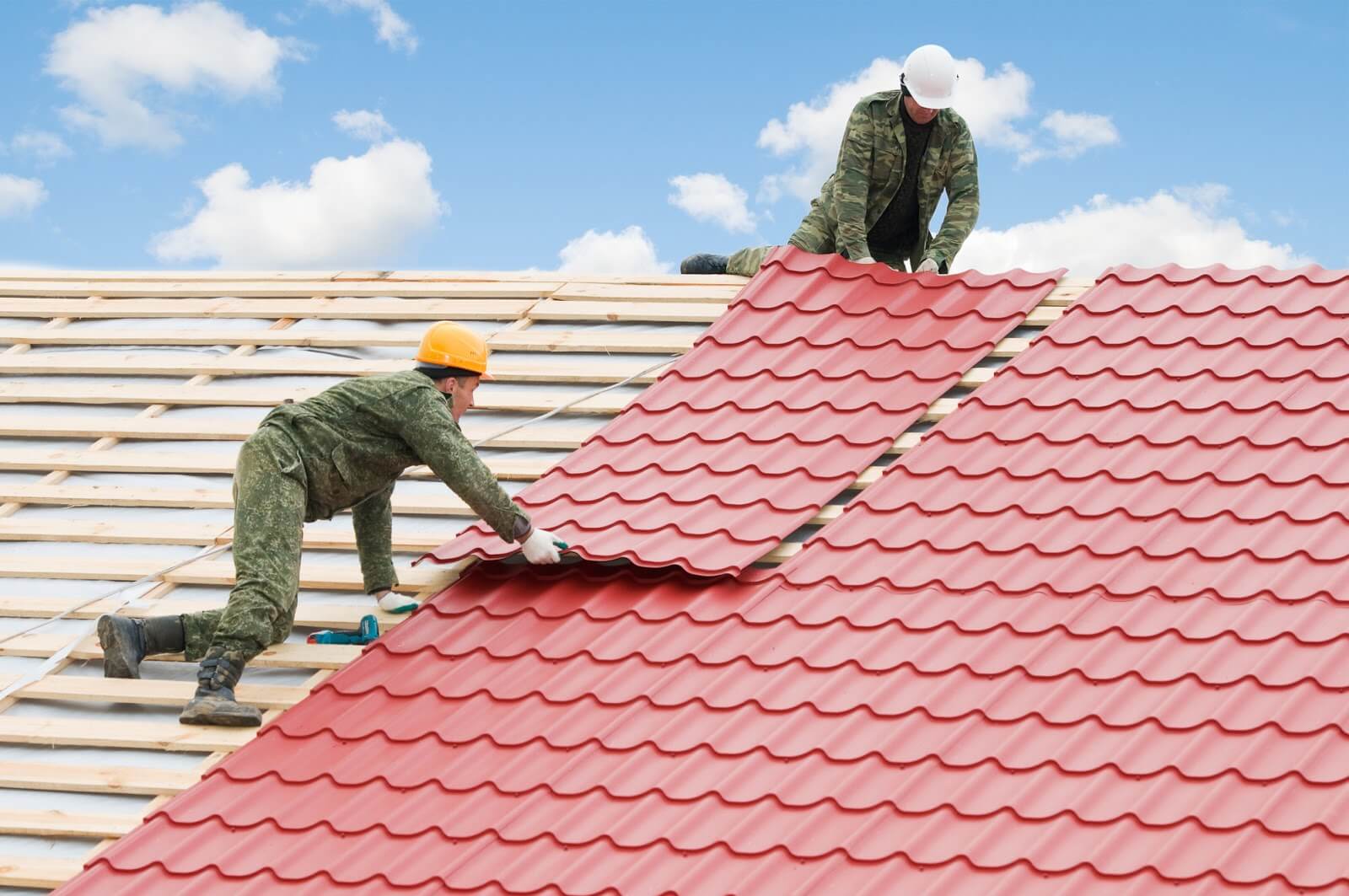
Roof Installation Process Explained
Proper installation is essential for roof performance and durability.
Step 1: Structural Evaluation
Engineers assess the building framework to ensure it can support the selected roofing system.
Step 2: Material Selection
Homeowners choose materials based on budget, aesthetics, and climate conditions.
Step 3: Framework Construction
Support structures are installed using steel or treated timber.
Step 4: Installation
Sheets or tiles are securely fixed using appropriate fastening systems.
Step 5: Inspection and Finishing
Final checks ensure alignment, sealing, and waterproofing quality.
Mistakes Homeowners Should Avoid
Many problems result from avoidable mistakes during planning and installation.
Common issues include:
- Choosing low-quality materials
- Ignoring climate suitability
- Poor installation practices
- Lack of routine maintenance
Avoiding these mistakes improves durability and reduces long-term repair costs.
Modern Roofing Trends in Kenya
The construction sector is gradually shifting toward more efficient and sustainable building materials. Modern roofing systems now prioritize:
- Energy efficiency
- Natural lighting
- Heat reduction
- Aesthetic appeal
- Long-term durability
This shift is especially visible in urban developments and commercial buildings.
Why Ali Glaziers Roofing Division
Ali Glaziers is a trusted supplier of materials across the country, serving homeowners, contractors, and developers with reliable products and support.
Learn more:
https://roofing.aliglaziers.com/contact-us/
Shop here:
https://roofing.aliglaziers.com/shop/
Key advantages include:
- High-quality imported materials
- Expert technical guidance
- Nationwide delivery
- Competitive pricing
- Reliable customer support
Conclusion
Central role in the safety, comfort, and efficiency of buildings in Kenya. With a wide range of materials available, homeowners can now choose solutions that match both functional needs and design preferences.
Modern systems offer improved durability, better lighting, and lower maintenance compared to traditional materials, making them increasingly popular across residential and commercial projects.
Careful selection and proper installation ensure long-lasting performance and better value for investment.