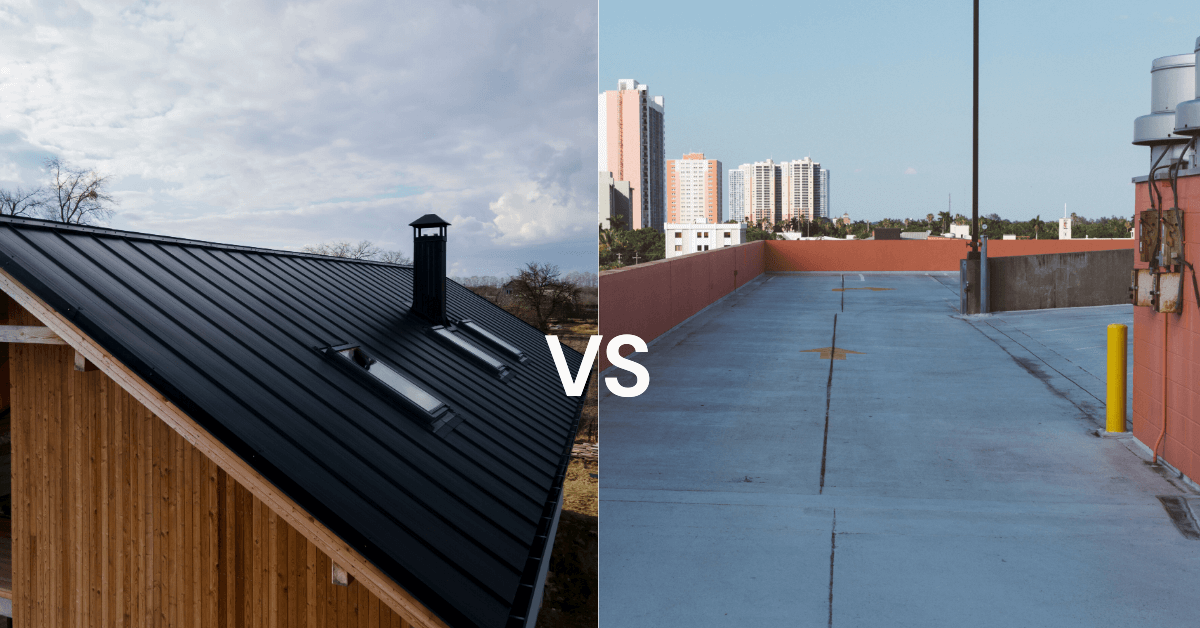
Compare flat and pitched roofs in Kenya to understand durability, cost, climate suitability, and the best roofing design for modern homes and commercial buildings.
flat vs pitched roof in Kenya
flat vs pitched roof a home or commercial property in Kenya, one of the most important architectural decisions is choosing between a flat roof and a pitched roof. Both designs are widely used across cities like Nairobi, Mombasa, Kisumu, Nakuru, and Eldoret, but each comes with unique advantages depending on climate, cost, aesthetics, and long-term durability.
Understanding the difference between these roofing styles is essential for homeowners, architects, and developers looking to build efficient and durable structures. The Kenyan climate—characterized by heavy rains, strong sunlight, and regional variations—makes roof selection even more critical.
This guide provides a detailed comparison to help you determine the best option for your project.
Shop Solid Polycarbonate Sheets
View all Solid Polycarbonate Sheets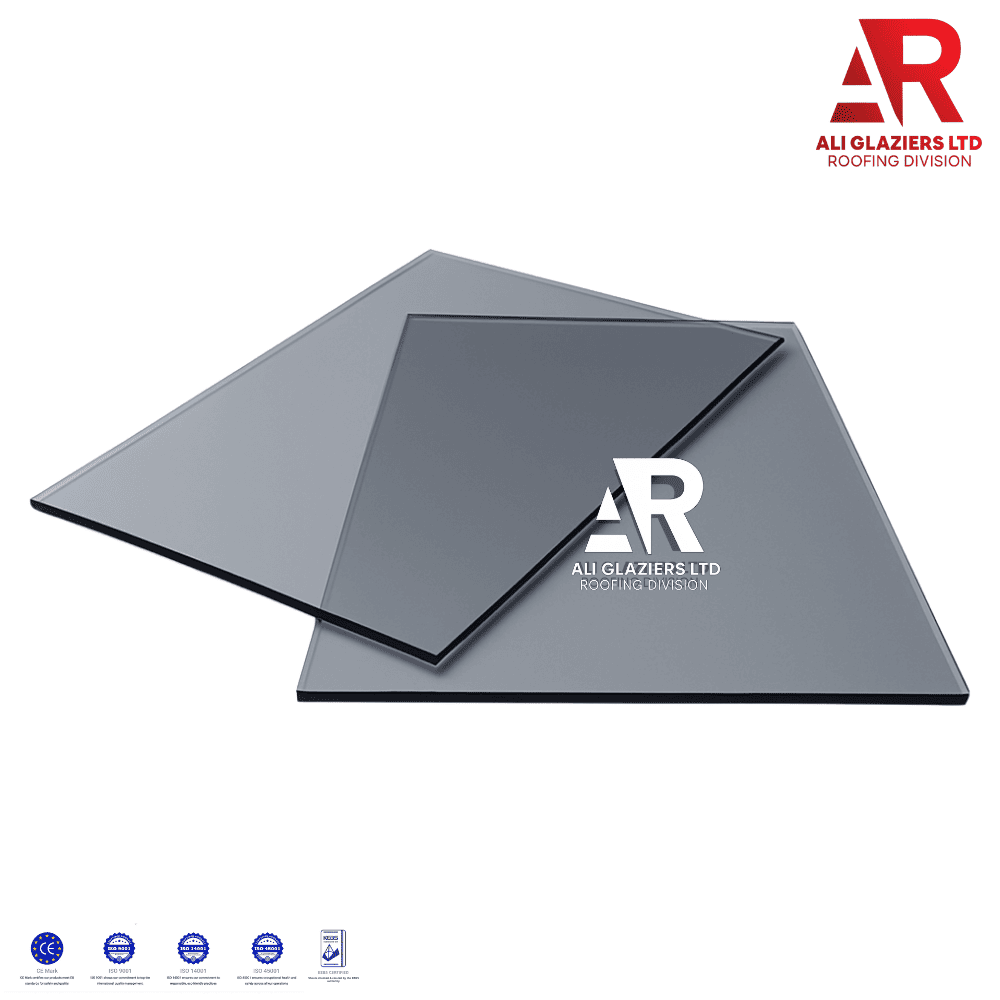
GREY SOLID POLYCARBONATE SHEETS
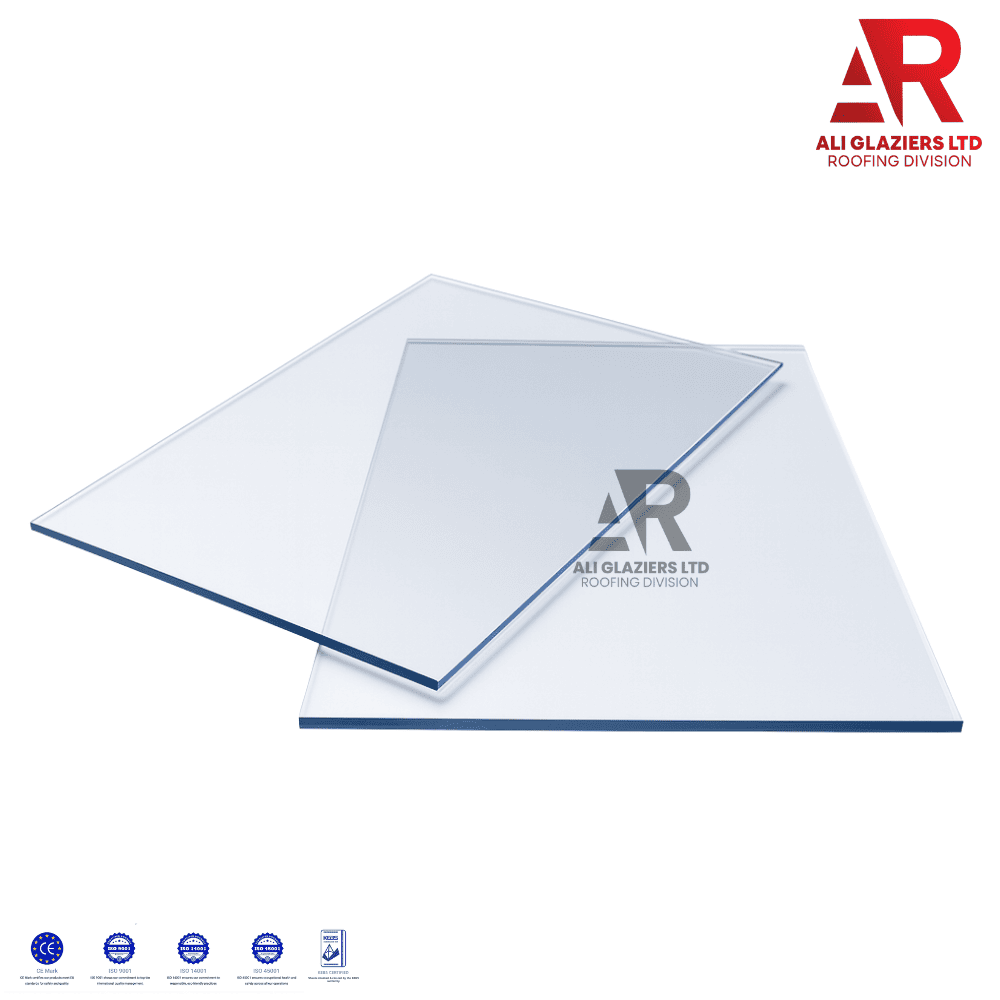
CLEAR SOLID POLYCARBONATE SHEETS
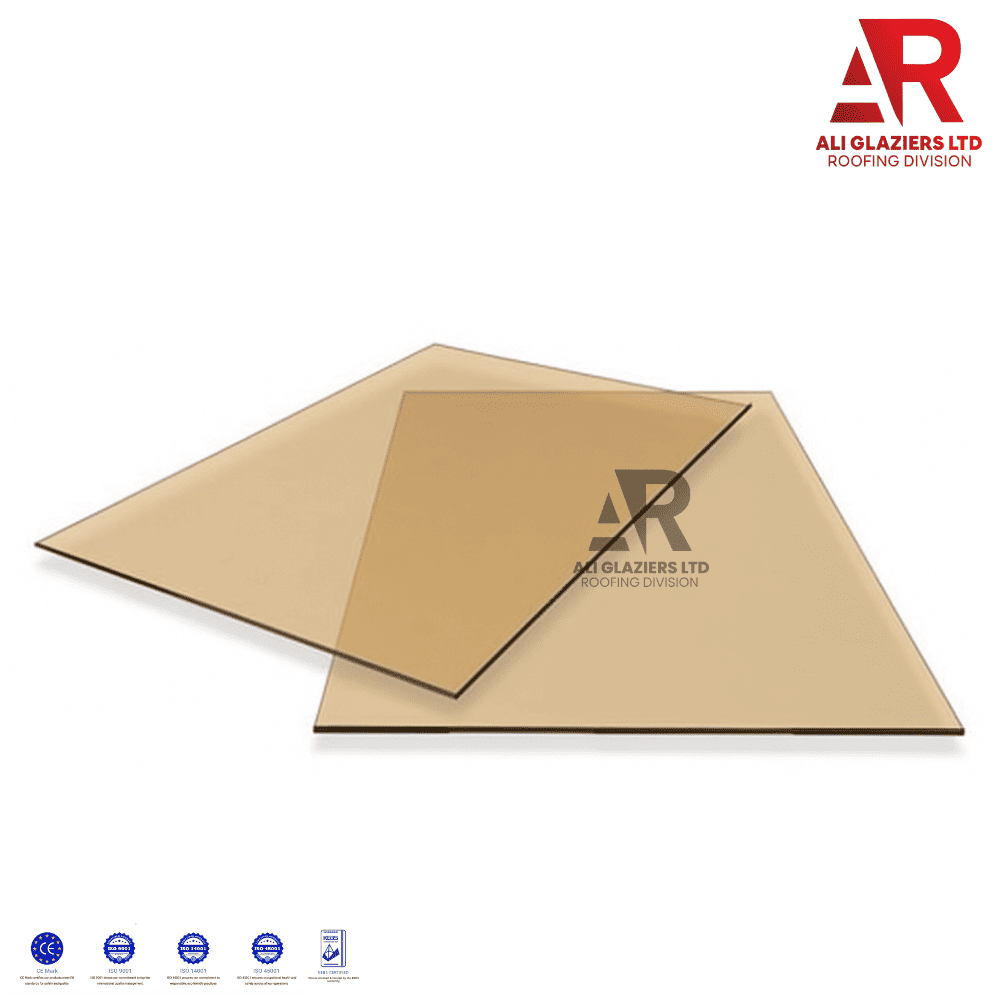
BRONZE SOLID POLYCARBONATE SHEETS
flat vs pitched roof Designs in Kenya: Features and Applications
Flat roofs are increasingly popular in modern architecture, especially in urban areas such as Nairobi, Syokimau, and Kitengela. They offer a sleek, contemporary appearance and are commonly used in residential homes, commercial buildings, and apartments.
Key Features of Flat Roofs:
- Minimal slope for water drainage
- Modern architectural appeal
- Easier access for maintenance
- Usable space for terraces or solar panels
Flat roofs are ideal for:
- Modern homes
- Apartment buildings
- Commercial properties
- Rooftop gardens and solar installations
However, proper waterproofing is essential to prevent leaks, especially during heavy rainfall.
Pitched Roof Designs in Kenya: Traditional Strength and Reliability
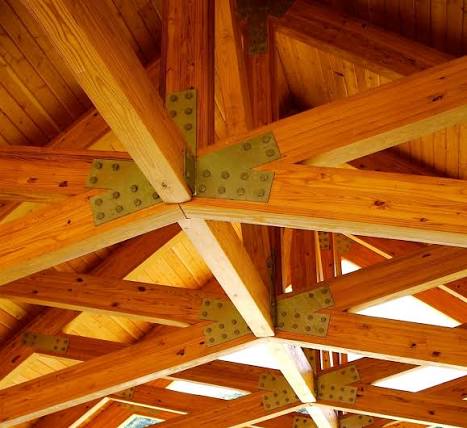
Pitched roofs are the most common roofing style in Kenya, particularly in suburban and rural areas. They are known for their sloped design, which allows rainwater to flow off easily.
Key Features of Pitched Roofs:
- Sloped structure for efficient drainage
- Strong resistance to heavy rainfall
- Traditional aesthetic appeal
- Longer lifespan with proper materials
Pitched roofs are commonly used in:
- Residential homes
- Schools and institutions
- Rural housing projects
- Coastal homes
They are especially effective in regions with high rainfall such as Kisumu and parts of Central Kenya.
Cost Comparison:flat vs pitched roof in Kenya
Cost is a major factor when choosing between flat and pitched roofs.
Flat Roof Costs:
- Lower initial construction cost
- Requires high-quality waterproofing
- Potential long-term maintenance costs
Pitched Roof Costs:
- Higher initial construction cost
- Lower maintenance over time
- Better durability in harsh weather
While flat roofs may seem cheaper initially, pitched roofs often provide better long-term value due to reduced maintenance.
Durability and Weather Resistance in Kenyan Climate
Kenya’s climate varies from hot coastal regions to cooler highlands, and roofing systems must adapt accordingly.
Flat Roof Performance:
- Requires strong waterproofing systems
- Can accumulate water if poorly designed
- Suitable for dry or controlled environments
Pitched Roof Performance:
- Excellent rainwater drainage
- Better resistance to wind and storms
- More suitable for heavy rainfall regions
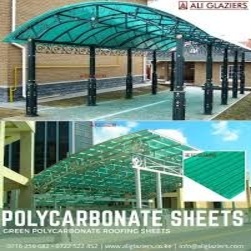
Modern materials such as polycarbonate roofing can enhance durability in both designs.
Explore durable options here:
Polycarbonate Roofing Sheets in Kenya
Roofing Materials for flat vs pitched roof
The choice of material plays a major role in performance.
For Flat Roofs:
- Concrete slabs
- Waterproof membranes
- Polycarbonate skylight panels
For Pitched Roofs:
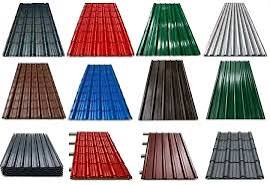
- Metal roofing sheets (mabati)
- Roofing tiles
- Polycarbonate sheets for skylights
A durable solution for both designs is:
Egyptian Solid Polycarbonate Roofing
This material provides strength, UV resistance, and long-term performance.
Transparent Roofing Solutions for Both Designs
Both flat and pitched roofs can incorporate transparent roofing elements for natural lighting.
A top option is:
Egyptian Clear Solid Polycarbonate Roofing
Benefits include:
- Natural daylight penetration
- Reduced electricity usage
- Safer alternative to glass
- Modern architectural appeal
Coastal Considerations: flat vs pitched roof
In coastal regions like Mombasa and Malindi, roofing must withstand humidity, salt air, and heat.
A reliable material is:
Bronze Extra Clear Polycarbonate Sheets
Coastal Recommendations:
- Pitched roofs perform better in heavy rain
- Flat roofs require advanced waterproofing
- Corrosion-resistant materials are essential
Skylight Integration in Roof Designs
Skylights are popular in modern Kenyan homes and commercial buildings.
A strong option is:
Solid Color Polycarbonate Sheets
They offer:
- Improved lighting
- Energy efficiency
- Strong UV resistance
- Leak-resistant installation
Maintenance Requirements for Flat vs Pitched Roofs
Flat Roof Maintenance:
- Frequent inspection for leaks
- Cleaning drainage systems
- Waterproofing maintenance
Pitched Roof Maintenance:
- Occasional inspection
- Minimal cleaning required
- Longer intervals between repairs
Pitched roofs generally require less maintenance compared to flat roofs.
About Ali Glaziers Roofing Division
Ali Glaziers Roofing Division is a leading supplier of modern roofing materials in Kenya, offering durable and high-performance solutions for residential and commercial projects.
Learn more here:
Ali Glaziers Roofing Division About Us
The company provides:
- Polycarbonate roofing systems
- Skylight solutions
- Industrial and residential roofing materials
- Nationwide delivery
Where to Buy Roofing Materials in Kenya
For reliable roofing products, visit:
This ensures access to high-quality materials suitable for both flat and pitched roofs.
Conclusion: Which Roof Design is Best in Kenya?
Choosing between a flat roof and a pitched roof depends on your needs, budget, and location.
Choose Flat Roof if:
- You want a modern design
- You need rooftop space
- You can invest in waterproofing
Choose Pitched Roof if:
- You want durability and reliability
- You live in high rainfall areas
- You prefer lower maintenance
Both designs can perform well when combined with high-quality materials and proper installation.
Visit Ali Glaziers for Roofing Solutions in Kenya
For homeowners, architects, and developers seeking reliable roofing materials, Ali Glaziers offers nationwide supply and expert support.
Customers can explore products and place orders directly through their online shop here: Ali Glaziers Roofing Shop.
Funzi Road Branch: End of Funzi Road, Industrial Area – Ali Glaziers LTD Building
+254 (0) 716 259 682 | +254 (0) 722 522 452