How to Estimate Roofing Materials for Your House in Kenya (Practical Construction Guide)
Knowing how to estimate roofing options for your house in Kenya is one of the most important steps in construction planning. Accurate estimation helps homeowners, contractors, and developers avoid shortages, reduce wastage, and control building costs.
Whether you are building in Nairobi, Mombasa, Kisumu, Nakuru, or Eldoret, proper roofing estimation ensures your project runs smoothly and within budget. It also helps you choose the right combination of materials such as mabati, polycarbonate sheets, roofing tiles, timber, and fasteners.
This guide explains how to estimate roof materials for a house in Kenya in a practical and easy-to-understand way.
Shop Accessories
View all Accessories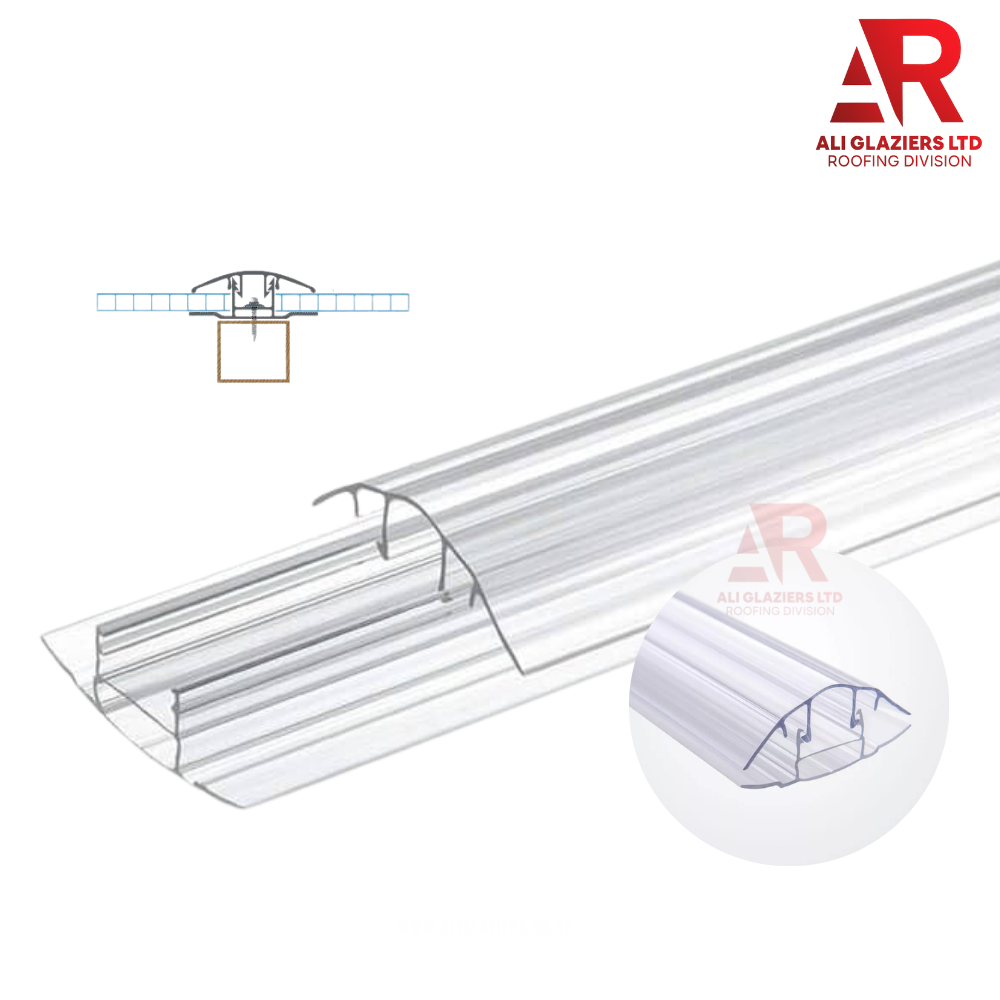


Why Roofing Material Estimation is Important
Proper estimation ensures efficiency in construction.
Key Benefits
- Prevents material shortages during construction
- Reduces unnecessary costs and waste
- Improves project planning accuracy
- Helps in budgeting and contractor negotiations
Accurate estimation is essential for both small and large housing projects.
Step 1: Measure Your Roof Area
The first step in estimating roofing materials is calculating the roof area.
How to Do It
- Measure the length and width of your house
- Multiply to get the base area
- Adjust for roof slope depending on design
Example
A simple rectangular house:
- Length: 10m
- Width: 8m
- Area = 10 × 8 = 80m² (before slope adjustment)
Sloped roofs require additional material allowance.
Step 2: Choose Your Roofing Material Type
Different materials have different coverage rates.
Common Roofing Materials in Kenya
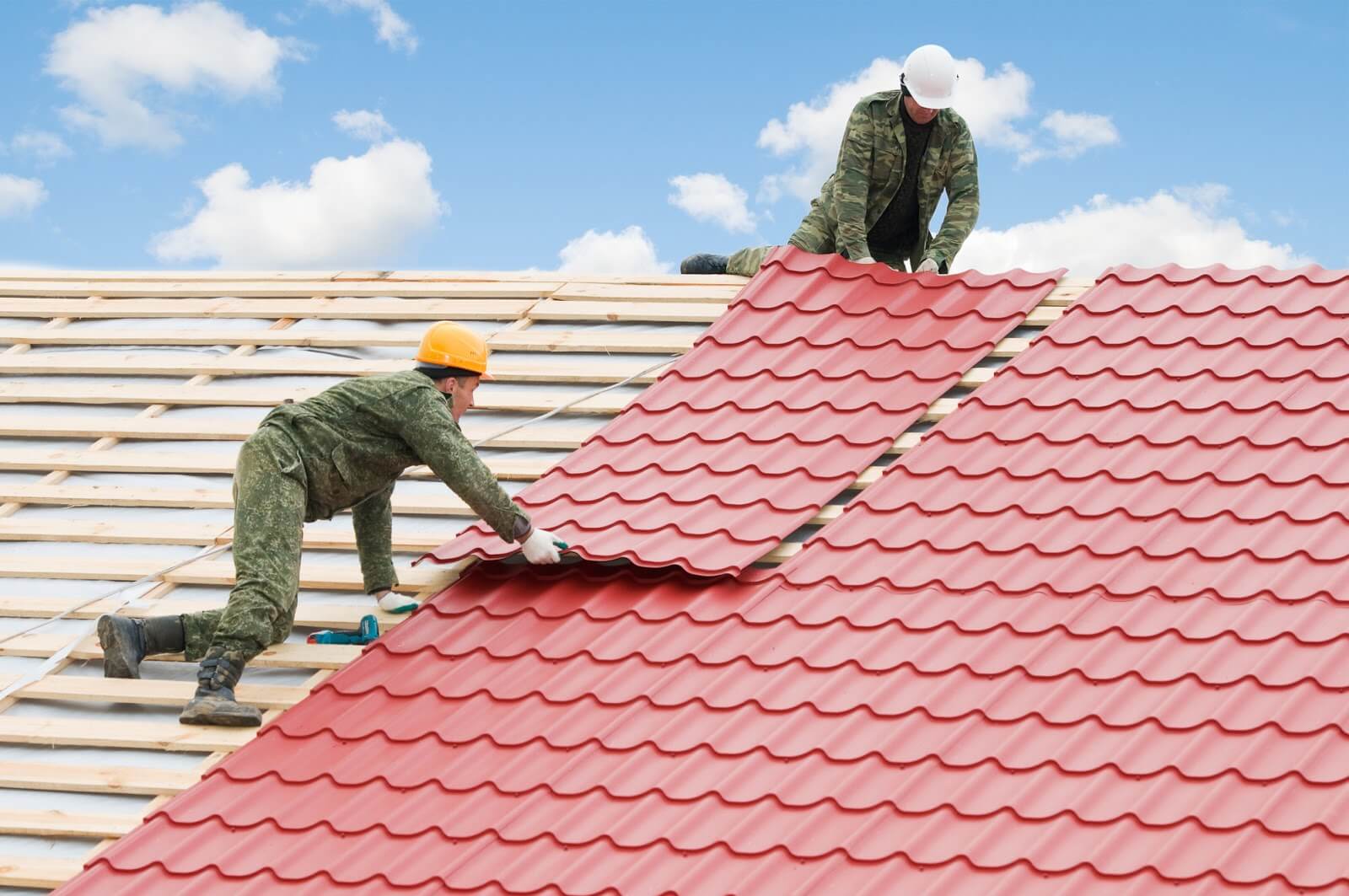
- Mabati roofing sheets
- Polycarbonate roofing sheets
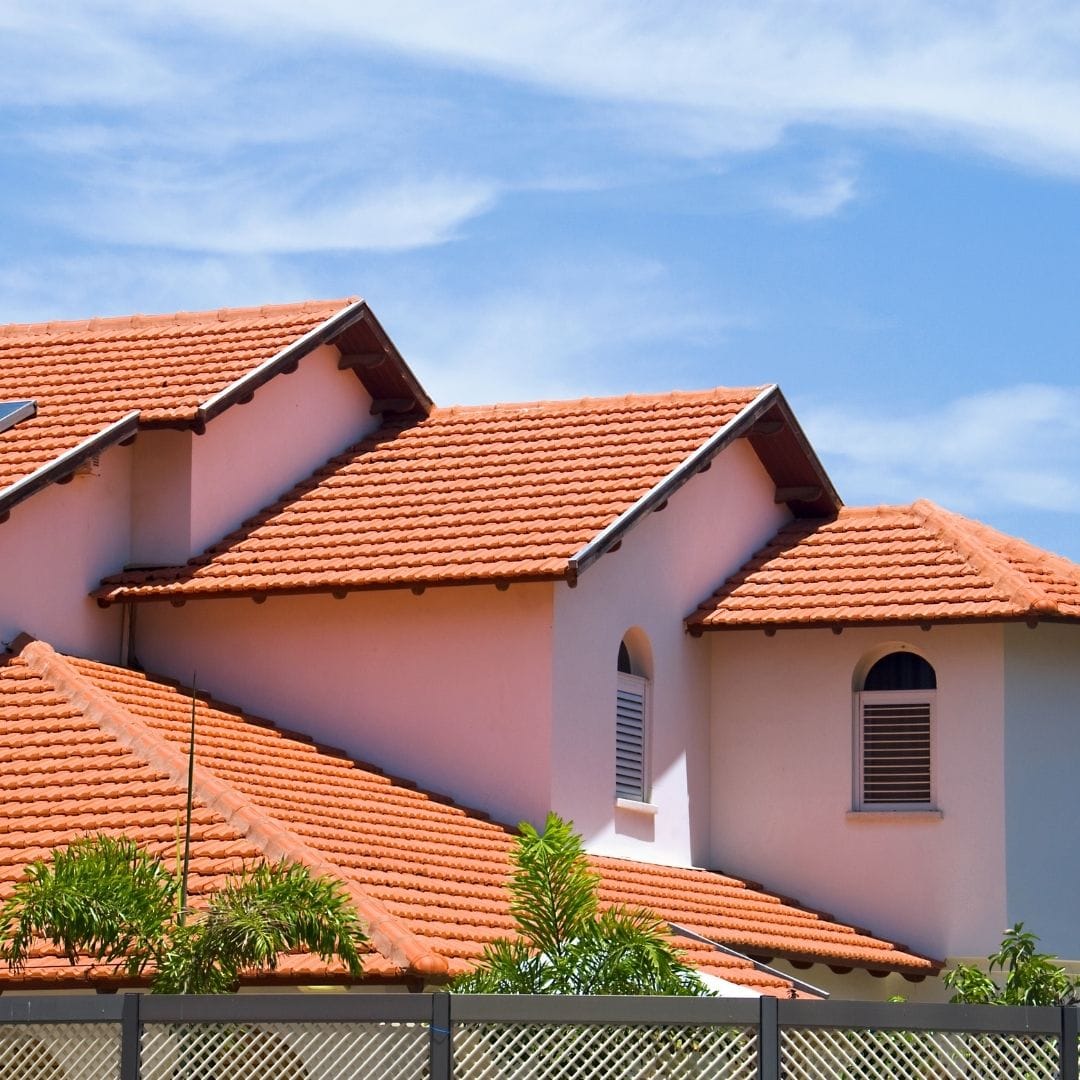
- Roofing tiles
Each material has unique sizing and installation requirements.
Step 3: Calculate Roofing Sheets Required
Once you know the roof area, determine how many sheets are needed.
General Approach
- Divide total roof area by coverage area of one sheet
- Add 10–15% extra for overlap and wastage
Important Consideration
- Sheet length and gauge affect coverage
- Overlap between sheets reduces effective area
Step 4: Estimate Timber Requirements
Timber supports the roofing structure.
Timber Components
- Rafters
- Purlins
- Wall plates
Factors Affecting Quantity
- Roof design complexity
- Span of the building
- Material type used
Stronger roofs require more structural support.
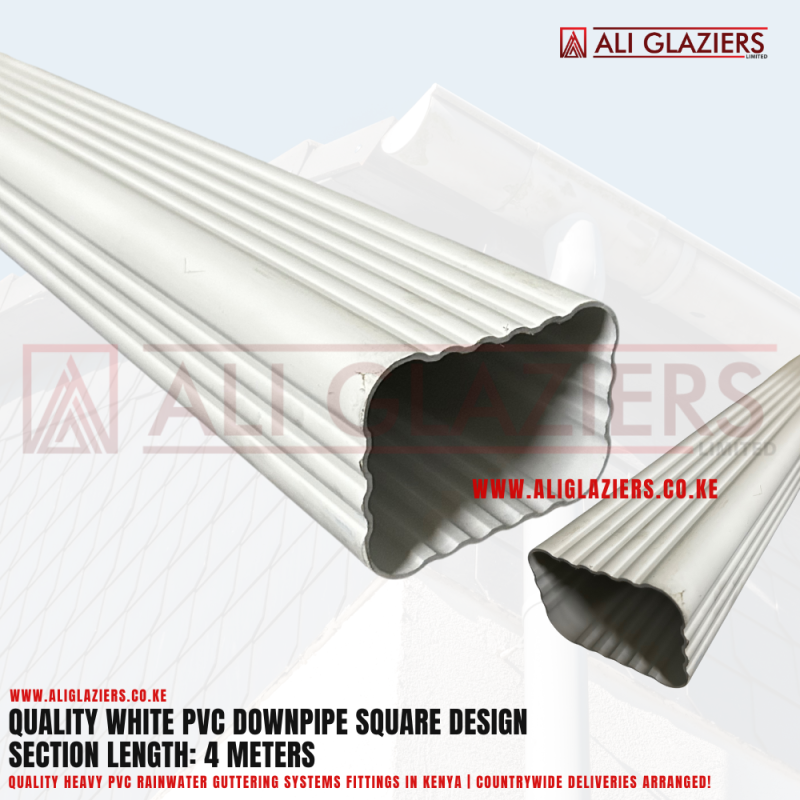
Step 5: Estimate Roofing Accessories
Accessories are often overlooked but essential.
Common Accessories
- Nails and screws
- Ridge caps
- Flashing materials
- Sealants and waterproofing agents
These ensure durability and leak prevention.
Step 6: Consider Roof Design Complexity
Roof design affects material usage significantly.
Simple Roofs
- Require fewer materials
- Easier to estimate
Complex Roofs
- Multiple slopes increase material usage
- Higher wastage factor
- More timber required
Butterfly and hip roofs require careful planning.
Step 7: Add Wastage Allowance
Always include extra material for errors and overlaps.
Recommended Allowance
- 10%–15% for simple roofs
- Up to 20% for complex designs
This prevents shortages during installation.
Step 8: Estimate Labour Requirements
Labour is a major part of roofing cost estimation.
Labour Considerations
- Roof size
- Material type
- Design complexity
- Location of project
Urban areas like Nairobi often have higher labour costs.
Roofing Material Estimation by Type
Mabati Roofing
- Easy to estimate
- Standard sheet sizes
- Lower wastage factor
Polycarbonate Roofing
- Used for skylights and special areas
- Requires precise measurement
- Higher cost per sheet
Roofing Tiles
- Requires detailed layout planning
- Heavy materials increase structural requirements
- Higher installation complexity
Common Mistakes in Roofing Estimation
1. Ignoring Roof Slope
Sloped roofs require more materials than flat measurements suggest.
2. Forgetting Overlaps
Sheets overlap during installation, reducing coverage.
3. Not Including Accessories
Small items like screws and sealants are often missed.
4. Underestimating Wastage
Material cutting and errors increase usage.
Regional Considerations in Kenya
Nairobi & Central Kenya
- High demand for modern roofing
- Accurate estimation required for cost control
Coastal Kenya (Mombasa)
- Corrosion-resistant materials needed
- Slightly higher material allowance
Western Kenya (Kisumu)
- Heavy rainfall requires strong roofing systems
- Good drainage planning is essential
Rift Valley (Eldoret, Nakuru)
- Wind resistance considerations
- Balanced material usage
Why Accurate Roofing Estimation Matters
Proper estimation helps you:
- Stay within budget
- Avoid project delays
- Reduce material wastage
- Improve construction quality
It is a critical step in any successful building project.
Why Choose Ali Glaziers Roofing Division
Ali Glaziers Roofing Division provides high-quality roofing materials and expert guidance to help homeowners and contractors in Kenya plan and execute successful roofing projects.
Contact Information
- Funzi Road Branch: End of Funzi Road, Industrial Area – Ali Glaziers LTD Building
- Call/WhatsApp: +254 (0) 716 259 682 | +254 (0) 722 522 452
- Email: info@aliglaziers.com
Conclusion
Learning these materials for your house in Kenya is essential for effective construction planning. Accurate measurement, proper material selection, and inclusion of wastage factors ensure smooth project execution and cost control.
With proper estimation, homeowners can avoid delays, reduce waste, and achieve better roofing results.