How to Inspect Your Roof for Damage: A Complete Roofing Maintenance Guide
Knowing how to inspect your roof is one of the most important maintenance skills for homeowners, landlords, and property managers. Roof damage often starts small—tiny leaks, loose sheets, or cracked seals—but if ignored, it can lead to costly repairs, structural issues, and interior water damage.
In Kenya, where roofs are exposed to intense UV rays, heavy rains, and fluctuating temperatures in cities like Nairobi, Mombasa, Kisumu, Nakuru, and Eldoret, regular roof inspection is essential to ensure long-term durability.
This guide will walk you through how to safely inspect your roof, what warning signs to look for, and how to prevent expensive damage before it worsens.
Shop Solid Polycarbonate Sheets
View all Solid Polycarbonate Sheets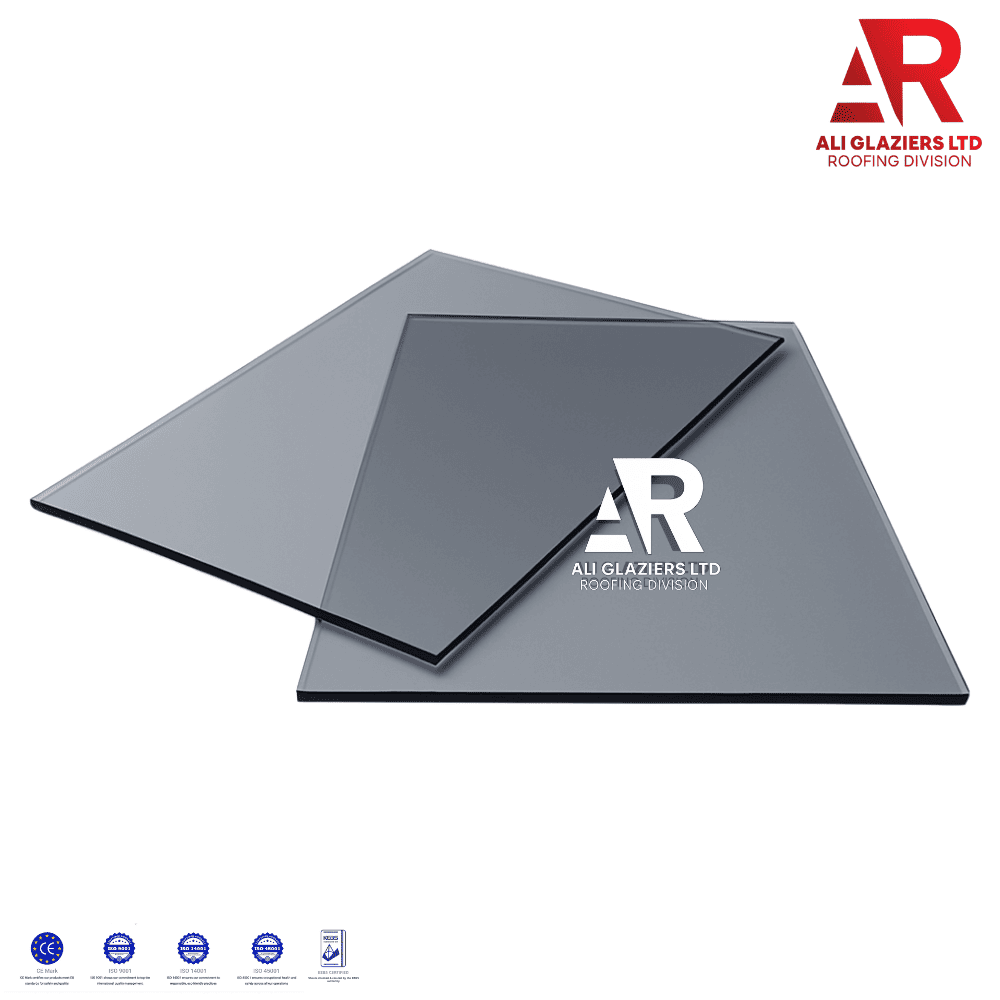
GREY SOLID POLYCARBONATE SHEETS
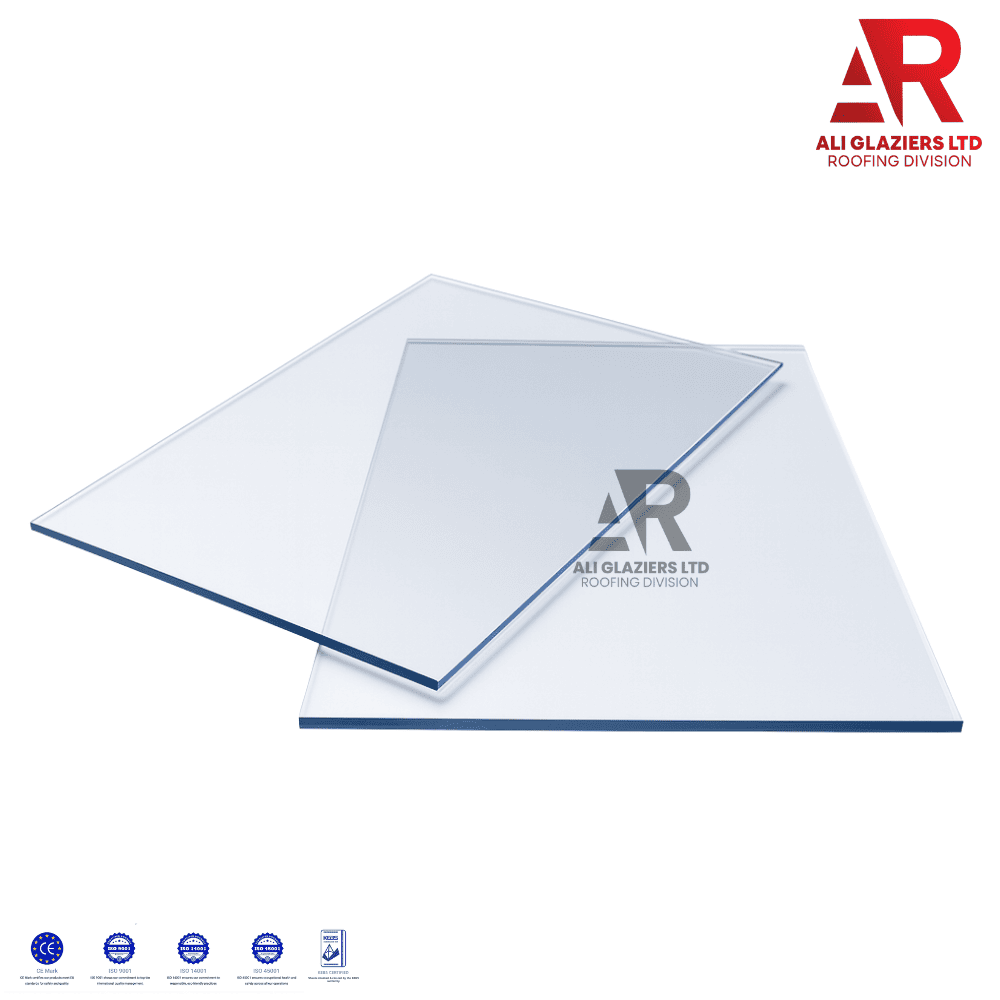
CLEAR SOLID POLYCARBONATE SHEETS
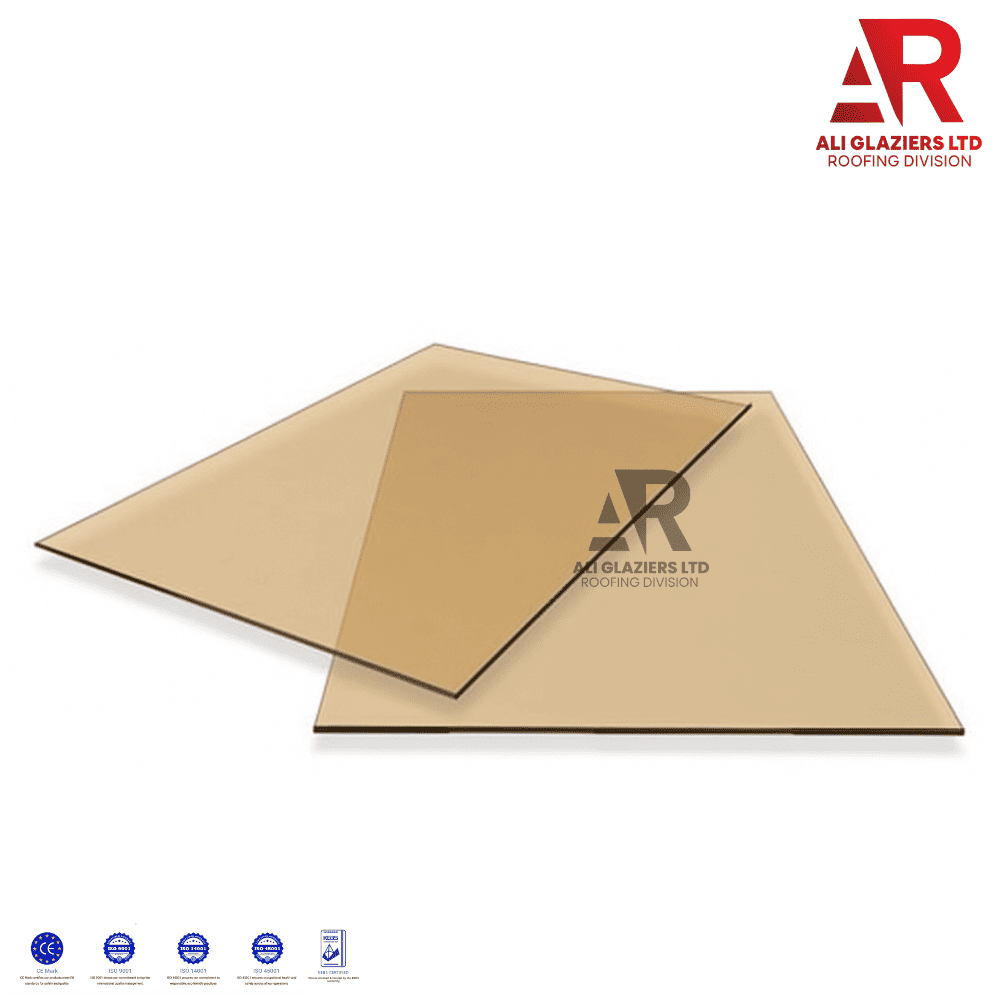
BRONZE SOLID POLYCARBONATE SHEETS
Why Roof Inspection Is Important in Kenya
Roof inspections are not just for fixing problems—they are a preventive maintenance strategy.
Key reasons to inspect your roof regularly:
- Prevent leaks before they spread
- Extend the lifespan of roofing materials
- Reduce repair and replacement costs
- Protect interior ceilings and walls
- Improve energy efficiency in the home
In coastal regions like Mombasa and Malindi, roof inspection is even more critical due to salt corrosion and humidity. In high rainfall areas like Kisumu, early leak detection can save thousands in repair costs.
How Often Should You Inspect Your Roof?
Experts recommend:
- Twice a year (before and after rainy seasons)
- After heavy storms or strong winds
- Whenever you notice water stains or leaks indoors
In Kenya, the long rains and short rains seasons make scheduled inspections especially important.
Step-by-Step Guide: How to inspect your roof
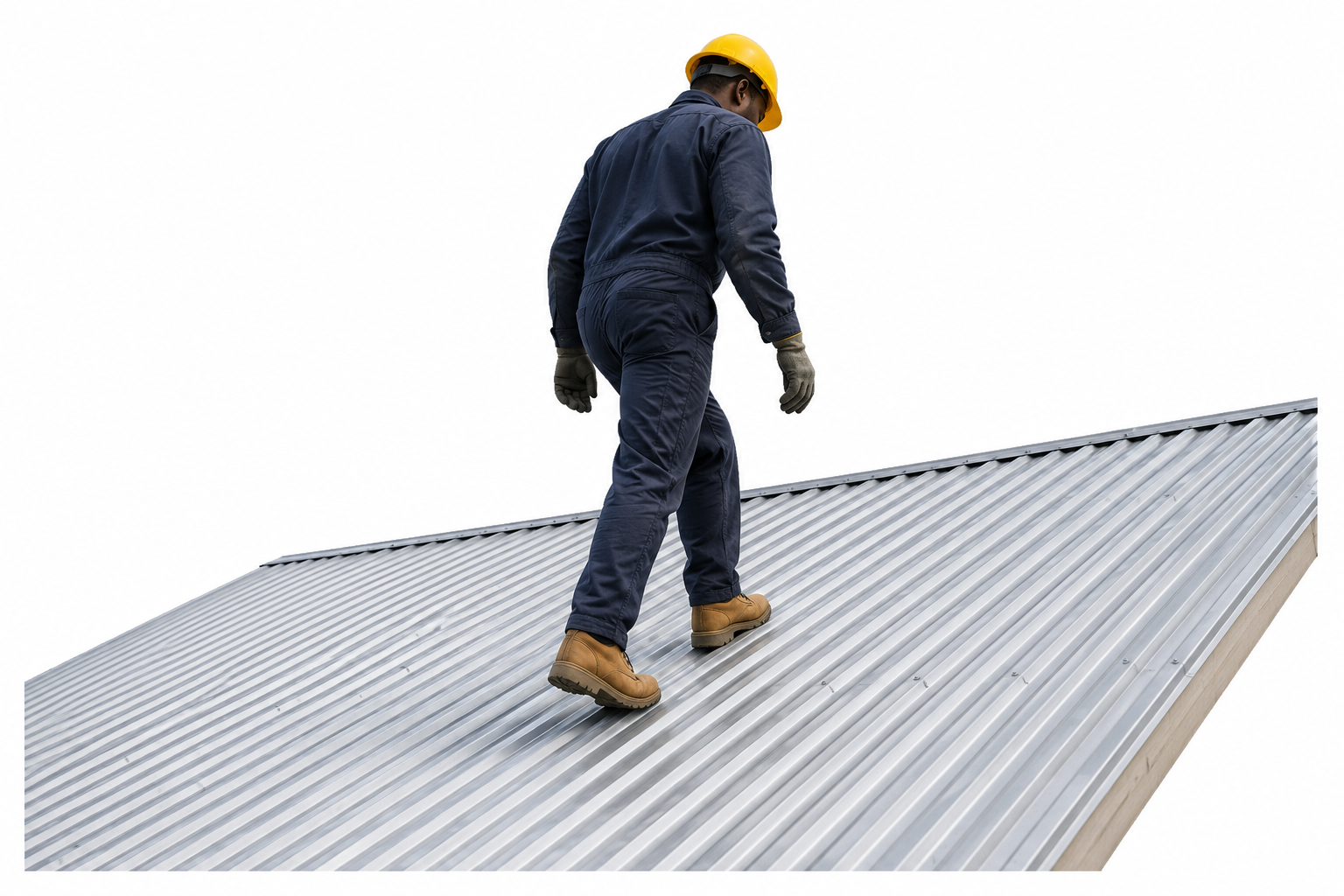
You can inspect your roof safely from the ground, attic, or by carefully accessing the roof surface if it is safe to do so.
1. Start with a Ground Inspection
Begin by walking around your house and observing the roof from a distance.
Look for:
- Missing or displaced roofing sheets
- Sagging roof sections
- Visible rust or discoloration
- Debris accumulation
Use binoculars if available for a closer view without climbing.
2. Check for Interior Warning Signs
Roof damage often appears inside the house first.
Warning signs include:
- Water stains on ceilings
- Damp patches on walls
- Peeling paint
- Mold or mildew growth
- Dripping water during rain
If you notice any of these, your roof may already have a leak.
3. Inspect Roof Sheets and Materials
Different roofing materials show damage differently.
For metal roofs (mabati):
- Look for rust spots
- Check for loose screws or nails
- Inspect overlapping joints
For polycarbonate roofing:
- Look for cracks or cloudiness
- Check UV degradation or yellowing
- Ensure tight sealing at joints
Durable replacement option:
Polycarbonate Roofing Sheets in Kenya
4. Check Flashing and Seals
Flashing is the metal or sealing material around chimneys, skylights, and roof joints.
Common problems:
- Cracked sealant
- Loose flashing edges
- Gaps allowing water entry
Poor flashing is one of the leading causes of roof leaks in Kenya.
5. Inspect Gutters and Drainage Systems
Blocked gutters can cause water to back up into the roof structure.
Check for:
- Leaves and debris buildup
- Rust or holes in gutters
- Improper water flow
Clean gutters regularly, especially before rainy seasons.
6. Look for Structural Issues
Structural problems are more serious and require immediate attention.
Signs include:
- Sagging roof lines
- Uneven roof surfaces
- Cracked supporting beams
- Movement in roofing structure
If you notice these, consult a roofing professional immediately.
Common Roof Damage Problems in Kenya
Roof damage in Kenya is often caused by environmental conditions and material quality.
Most common issues:
- Rusting mabati due to humidity
- UV damage from strong sunlight
- Wind displacement during storms
- Poor installation workmanship
- Water leakage from blocked drainage
In coastal areas like Mombasa, salt in the air accelerates corrosion significantly.
Roof Inspection for Polycarbonate Roofing
Polycarbonate roofing is widely used in modern Kenyan homes for skylights, patios, and walkways.
What to inspect:
- Surface clarity (no yellowing or clouding)
- Cracks or impact damage
- Loose fittings or screws
- UV coating condition
Recommended product:
Preventive Roof Maintenance Tips
Regular maintenance reduces the need for expensive repairs.
Best practices:
- Clean roof surfaces twice a year
- Remove leaves and debris
- Re-seal joints and flashing when needed
- Inspect after storms
- Ensure proper ventilation
Upgrade option for durability:
Bronze Extra Clear Polycarbonate Sheets
When to Call a Roofing Professional to know How to inspect your roof
Not all roof problems can be fixed through DIY inspection.
Call a professional if:
- You notice persistent leaks
- Roof structure is sagging
- Large sections are damaged
- You cannot safely access the roof
Professional inspection ensures safety and accurate diagnosis.
Roof Inspection Checklist (Quick Summary)
- Check roof from ground level
- Inspect interior ceilings for stains
- Look for missing or damaged sheets
- Clean gutters and drainage
- Check flashing and seals
- Inspect after storms
Why Choose Ali Glaziers Roofing Division?
Ali Glaziers Roofing Division provides high-quality roofing materials and expert solutions designed for Kenya’s climate conditions.
Learn more:
About Ali Glaziers Roofing Division
Why customers trust us:
- Durable, weather-resistant materials
- UV-protected roofing solutions
- Nationwide delivery across Kenya
- Expert support and guidance
Conclusion on How to inspect your roof
Knowing how to inspect your roof is essential for protecting your home and avoiding costly repairs. Regular inspections help identify small issues before they become major problems, especially in Kenya’s challenging weather conditions.
Whether you live in Nairobi, Mombasa, Kisumu, or Nakuru, consistent roof maintenance ensures long-term durability, safety, and comfort for your home or building.
Final Call to Action
Protect your home with reliable roofing solutions built for Kenya’s climate.
Funzi Road Branch: End of Funzi Road, Industrial Area – Ali Glaziers LTD Building
Call/WhatsApp: +254 (0) 716 259 682 | +254 (0) 722 522 452
Email: info@aliglaziers.com
Shop Now: https://roofing.aliglaziers.com/shop/