This article explains how to identify high-quality roofing materials in Kenya by focusing on key factors such as durability, UV resistance, weather performance, material strength, and manufacturer credibility. It compares common options like mabati, tiles, and modern polycarbonate roofing, showing why polycarbonate is increasingly preferred for Kenyan climates
Choosing quality roofing materials in Kenya is one of the most critical decisions in any construction project—whether it is a residential home in Nairobi, a commercial building in Mombasa, or an industrial warehouse in Eldoret. The roof is the first line of defense against Kenya’s harsh and highly variable climate: intense equatorial sunlight, heavy seasonal rains, coastal humidity, and occasional strong winds.
Unfortunately, the market is flooded with roofing products of varying quality. Some are durable and UV-resistant, while others deteriorate quickly—fading, rusting, leaking, or cracking within a few years. For homeowners, architects, contractors, and developers, this makes it essential to understand how to identify high-quality roofing materials before investing.
This comprehensive guide breaks down everything you need to know: from material types and quality roofing materials indicators to real-world comparisons, cost considerations, and expert insights from Ali Glaziers Roofing Division, Kenya’s trusted supplier of modern, UV-stabilized roofing solutions.
Shop Clear Mabati Sheets
View all Clear Mabati Sheets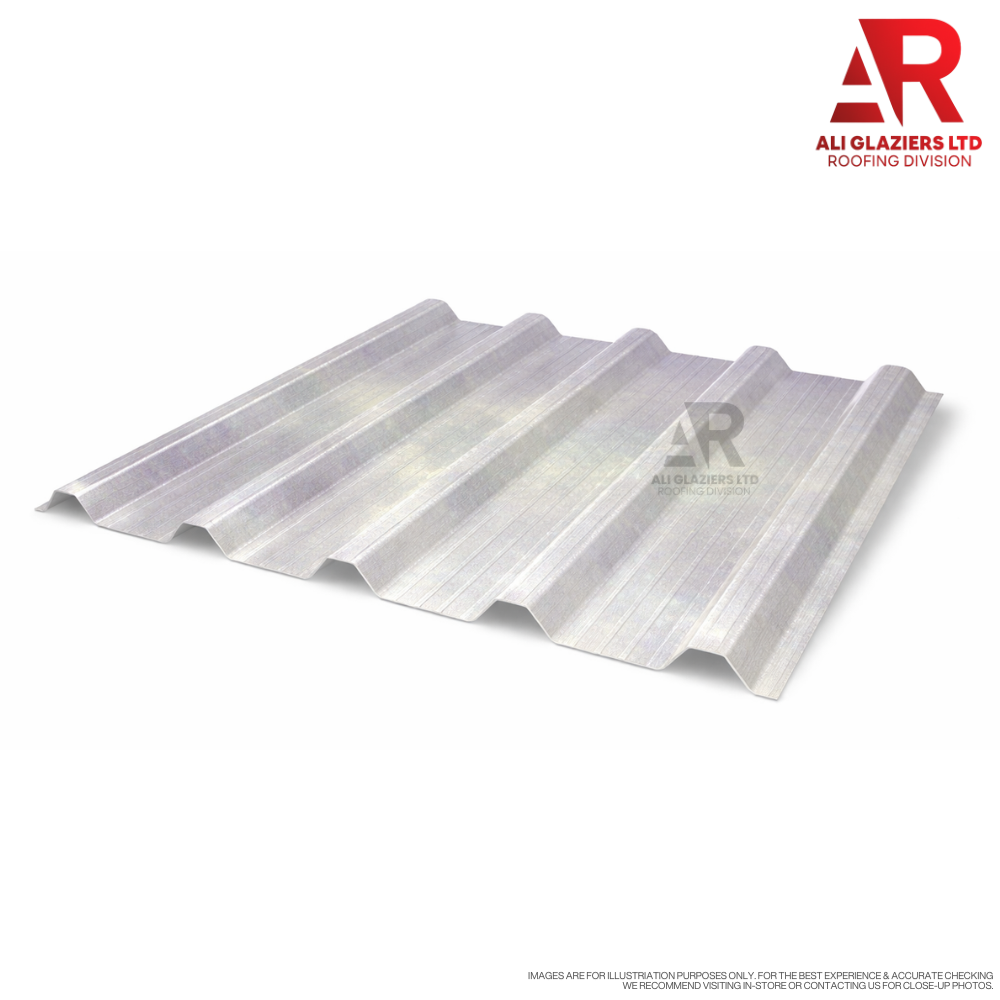
By the end of this article, you will be able to confidently evaluate quality roofing materials and choose options that deliver long-term performance, durability, and aesthetic value.
Understanding Roofing Materials in the Kenyan Market
Kenya’s construction industry uses a wide range of roofing materials, each suited for different budgets, climates, and architectural designs. The most common include:
- Corrugated iron sheets (mabati)
- Stone-coated tiles
- Clay and concrete tiles
- Polycarbonate roofing sheets
- Aluminium and steel roofing systems
Each material performs differently depending on environmental exposure. For example, coastal regions like Mombasa require corrosion-resistant solutions, while high-rainfall areas like Kisumu demand superior waterproofing. Meanwhile, modern architectural designs in Nairobi increasingly favor transparent and lightweight roofing systems such as polycarbonate.
To explore modern options, you can browse premium solutions at the Ali Glaziers Roofing Division shop:
Key Indicators of High-Quality Roofing Materials
When evaluating roofing materials in Kenya, there are several technical and visual indicators of quality that professionals look for.
1. Material Density and Strength
High-quality roofing materials are dense, uniform, and structurally strong. Weak materials often feel lightweight in a way that indicates poor reinforcement rather than modern engineering.
For example, premium polycarbonate roofing sheets are engineered to be up to 200 times stronger than glass, making them virtually unbreakable under normal conditions.
2. UV Resistance and Coating Technology
Kenya lies along the equator, meaning exposure to ultraviolet radiation is extremely high throughout the year. Roofing materials without UV stabilization tend to:
- Fade in color
- Become brittle
- Lose transparency (in clear roofing systems)
High-quality materials, especially modern polycarbonate sheets, are UV-stabilized to prevent yellowing and degradation over time.
3. Weather Resistance
Good roofing materials must withstand:
- Heavy rainfall (especially in Western Kenya)
- Coastal salt corrosion (Mombasa, Malindi)
- High heat expansion cycles (Nairobi, Garissa)
Materials that warp, rust, or crack under thermal changes are low quality.
4. Finish and Surface Uniformity
High-quality roofing materials have:
- Smooth edges
- Consistent coloring
- No visible impurities or bubbles
- Even coating distribution
Poor-quality sheets often show uneven textures or discoloration.
5. Manufacturer Credibility
Always consider the supplier’s reputation. Trusted suppliers like Ali Glaziers Roofing Division provide certified materials with verified performance standards.
Types of Roofing Materials and Their Quality Performance
1. Mabati (Corrugated Iron Sheets)
Mabati is the most commonly used quality roofing materials in Kenya due to affordability and availability. However, quality varies widely.
High-quality mabati:
- Galvanized or aluminum-zinc coated
- Rust-resistant
- Thick gauge steel
Low-quality mabati:
- Thin and easily dented
- Rusts quickly in coastal regions
- Poor heat resistance
2. Stone-Coated Tiles
These offer aesthetic appeal and durability but require proper installation. They are heavier and more expensive but last longer than standard metal sheets.
3. Clay and Concrete Tiles
Common in premium residential estates. They offer:
- Excellent thermal insulation
- Long lifespan
- However, they are heavy and require strong structural support.
4. Polycarbonate Roofing Sheets (Modern Solution)
Polycarbonate roofing is rapidly becoming the preferred choice for modern Kenyan architecture due to its unique properties:
- Transparent or semi-transparent design
- UV protection
- Lightweight structure
- High impact resistance
Comparison Table: Roofing Materials in Kenya
| FeatureMabatiClay TilesConcrete TilesPolycarbonate Sheets | ||||
| Durability | Medium | High | High | Very High |
| Weight | Light | Heavy | Very Heavy | Very Light |
| UV Resistance | Low–Medium | High | High | Very High |
| Aesthetic Appeal | Medium | High | High | Modern & Transparent |
| Installation Ease | Easy | Difficult | Difficult | Very Easy |
| Cost | Low | High | High | Medium |
This comparison shows why polycarbonate roofing is becoming the preferred modern solution for patios, skylights, malls, and commercial structures across Nairobi, Nakuru, and Mombasa.
How to Physically Test Roofing Quality Before Buying
1. Bend and Flex Test (for sheets)
High-quality materials should flex slightly without cracking.
2. Light Penetration Test (for transparent roofing)
Good polycarbonate should allow uniform light diffusion without distortion.
3. Scratch Resistance Check
Premium sheets resist surface scratching, especially UV-coated polycarbonate.
4. Weight Consistency Check
If sheets feel unusually light or uneven, they may be low-grade.
5. Edge Inspection
Rough or chipped edges indicate poor manufacturing standards.
Roofing Costs in Kenya: What Impacts Price?
Prices vary depending on:
- Material type
- Thickness and gauge
- UV coating quality
- Brand reputation
- Import origin
For example:
- Mabati is cheapest but less durable
- Polycarbonate is mid-range but long-lasting
- Tiles are expensive but highly aesthetic
Investing in quality materials reduces long-term repair and replacement costs.
Climate Considerations Across Kenya
Nairobi
- Moderate climate but strong UV exposure
- Ideal for polycarbonate patios and skylights
Mombasa & Coastal Regions
- High humidity and salt exposure
- Requires corrosion-resistant roofing
Kisumu & Western Kenya
- Heavy rainfall zones
- Waterproofing is essential
Nakuru & Rift Valley
- Temperature fluctuations
- Materials must handle expansion and contraction
Eldoret & Highlands
- Cooler climate
- Heavy-duty roofing structures preferred
Common Mistakes When Choosing Roofing Materials
- Choosing based only on price
- Ignoring UV resistance
- Not considering climate zone
- Using non-certified suppliers
- Overlooking installation quality
- Mixing incompatible materials
Avoiding these mistakes ensures long-term structural integrity.
Why Ali Glaziers Roofing Division Leads in Kenya
Ali Glaziers Roofing Division is a trusted supplier of advanced roofing technologies, especially in modern polycarbonate solutions.
They specialize in:
- UV-stabilized roofing systems
- High-impact resistant polycarbonate sheets
- Modern architectural roofing solutions
- Countrywide delivery across Kenya
Browse full product offerings:
Stay updated via their blog:
Frequently Asked Questions About Roofing Materials in Kenya
1. What is the most durable roofing material in Kenya?
Polycarbonate roofing and stone-coated tiles are among the most durable options due to their strength and weather resistance.
2. How do I know if roofing sheets are high quality?
Check UV protection, thickness, surface uniformity, and manufacturer reputation.
3. Is polycarbonate roofing suitable for Kenyan weather?
Yes. It is UV-stabilized and performs well under intense sun and heavy rains.
4. Which roofing material is best for coastal areas like Mombasa?
Aluminum-based or polycarbonate materials are best due to corrosion resistance.
5. Are expensive roofing materials always better?
Not always, but higher-quality materials usually offer better durability and long-term value.
6. Can polycarbonate be used for residential homes?
Yes, especially for patios, pergolas, skylights, and modern architectural designs.
Conclusion
Choosing high-quality roofing materials in Kenya requires more than just comparing prices. It involves understanding material science, climate suitability, durability, UV resistance, and supplier credibility.
With Kenya’s diverse weather conditions—from the hot sun of Nairobi to the humid coast of Mombasa—selecting the right roofing system is essential for long-term structural performance and comfort.
Modern solutions like UV-stabilized polycarbonate roofing are transforming the construction landscape, offering durability, elegance, and versatility unmatched by traditional materials.
Ali Glaziers Roofing Division continues to lead this transformation by providing premium, tested, and reliable roofing solutions across Kenya.
Upgrade to Unbreakable Roofing with Ali Glaziers Today!
Whether you are an architect designing a modern mall, a contractor securing an industrial warehouse, or a homeowner upgrading your patio pergola, Ali Glaziers Roofing Division has the perfect solution for the Kenyan climate.
✔ Virtually Indestructible: Polycarbonate materials that are 200x stronger than glass. ✔ UV-Stabilized: Advanced technology to prevent yellowing and sun damage. ✔ Fast & Reliable Delivery: Countrywide, same-day, and next-day delivery options across Nairobi, Mombasa, Kisumu, Nakuru, Eldoret, and beyond.
Ready to transform your roof with modern, transparent solutions?
Visit Us: Funzi Road Branch: End of Funzi Road, Industrial Area – Ali Glaziers LTD Building, Nairobi.
Call/WhatsApp: +254 (0) 716 259 682 | +254 (0) 722 522 452
Email: info@aliglaziers.com
Shop Online: https://roofing.aliglaziers.com/shop/


