Choosing the Right Roofing System in Kenya
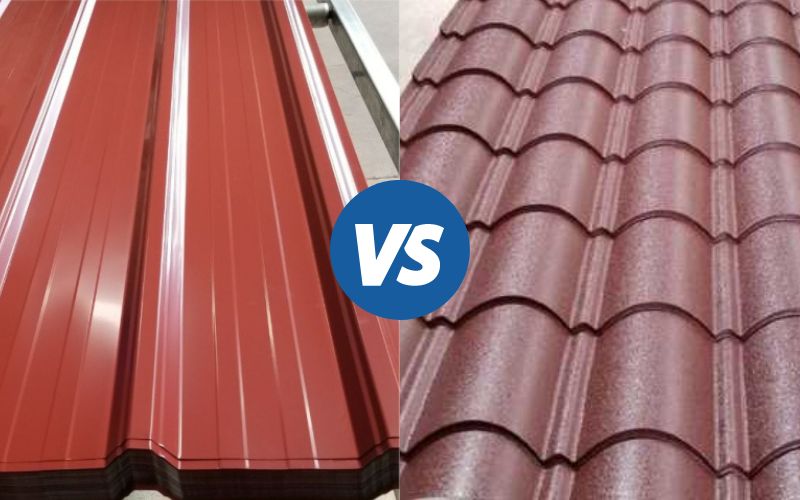
Choosing between mabati vs tile roofing in Kenya is one of the most important decisions homeowners, developers, and contractors face during construction. The roof is not just a finishing structure—it determines durability, comfort, energy efficiency, maintenance cost, and even the resale value of a property.
Kenya’s diverse climate makes this decision even more critical. A home in Nairobi faces cooler highland temperatures, Mombasa experiences high humidity and salt corrosion, Kisumu deals with heavy rainfall, while regions like Eldoret and Nakuru experience cold nights and moderate rainfall. Each environment affects roofing performance differently.
Mabati (metal roofing sheets) and roof tiles are the two most widely used roofing systems in Kenya today. Each has strengths and weaknesses, and the right choice depends on budget, building design, structural capacity, and long-term expectations.
This detailed guide breaks down everything you need to know to confidently decide which roofing system is better for your home or project.
Mabati vs Tile Roofing in Kenya – Overview of Both Systems
Before comparing them, it is important to understand what each roofing system is.
What Is Mabati Roofing?
Mabati refers to corrugated or box-profile metal roofing sheets commonly used in Kenya. They are made from galvanized steel or aluminum-zinc coated metal.
Key Features:
- Lightweight
- Affordable
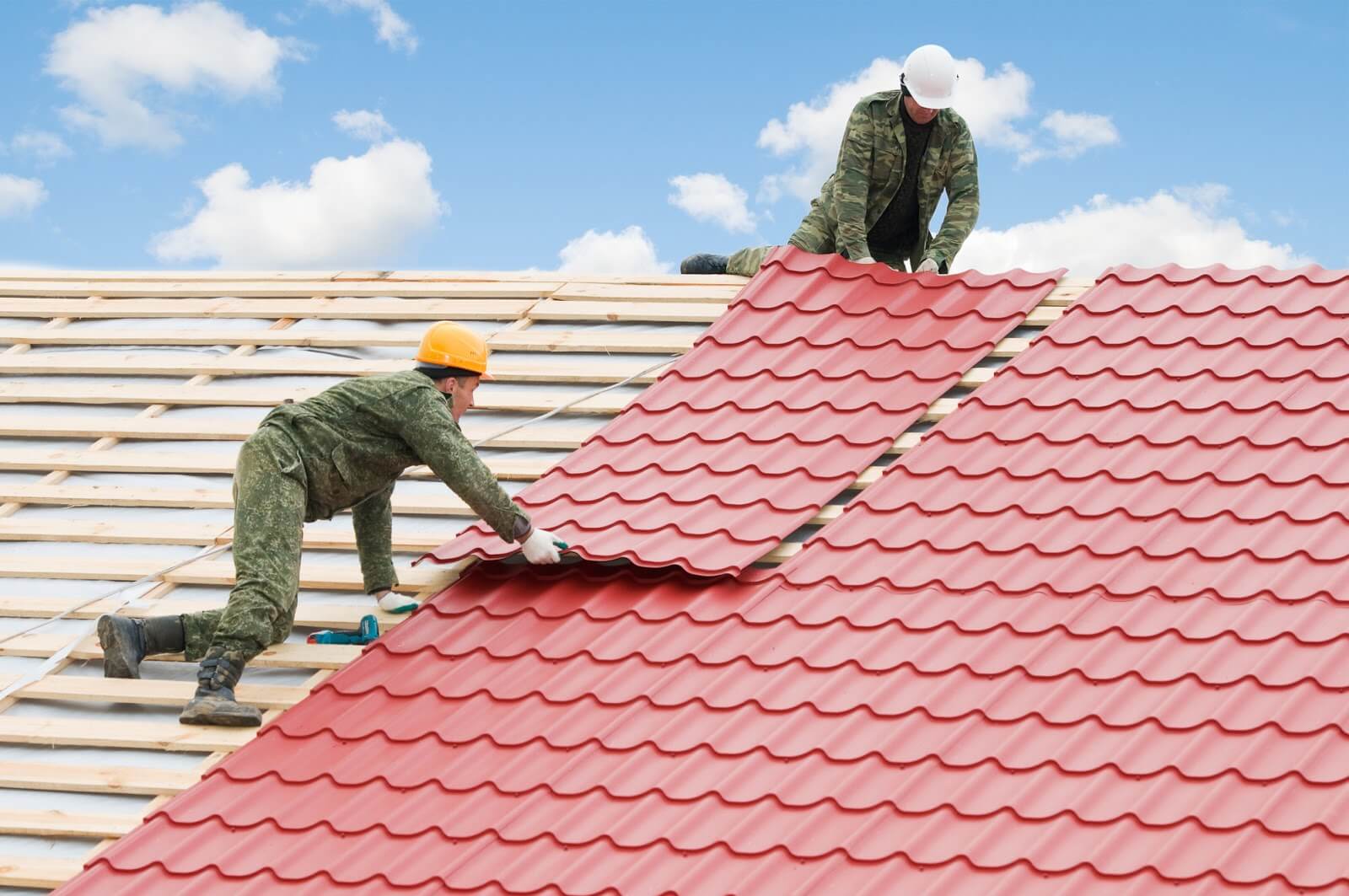
- Easy to install
- Widely available across Kenya
- Comes in various colors and profiles
Mabati is commonly used in:
- Residential homes
- Rental houses
- Schools
- Commercial buildings
- Rural and urban housing projects
What Is Tile Roofing?
Tile roofing consists of concrete or clay tiles installed on a roof structure. It is considered a premium roofing option in Kenya.
Key Features:
- Heavy and durable
- Attractive architectural finish
- Excellent insulation
- Long lifespan
- Higher structural requirement
Tile roofing is commonly used in:
- High-end residential homes
- Villas and estates
- Hotels
- Luxury commercial buildings
Cost Comparison: Mabati vs Tile Roofing in Kenya
Cost is one of the biggest deciding factors for homeowners in Kenya.
Cost of Mabati Roofing in Kenya
Mabati is widely considered the most affordable roofing option.
Cost Factors:
- Sheet thickness
- Coating quality
- Design (corrugated vs box profile)
- Installation labor
Advantages:
- Low initial cost
- Easy transportation
- Minimal structural requirements
Disadvantages:
- May require repainting or replacement over time
- Can be noisy during rain
In cities like Nairobi, Kisumu, and Nakuru, mabati remains the most popular roofing choice due to affordability.
Cost of Tile Roofing in Kenya
Tile roofing is significantly more expensive than mabati.
Cost Factors:
- Tile material (clay or concrete)
- Structural reinforcement requirements
- Skilled labor costs
- Waterproof underlay systems
Advantages:
- Long-term durability
- Premium appearance
- Better insulation
Disadvantages:
- High installation cost
- Requires strong structural support
- Longer installation time
Tile roofing is common in upscale areas of Nairobi like Runda, Karen, and Kitisuru.
Durability Comparison: Which Lasts Longer?
Mabati Durability
Modern mabati roofing has improved significantly with:
- Anti-rust coatings
- Aluminum-zinc protection
- Color bonding technology
Lifespan:
Typically 15–30 years depending on quality and maintenance.
Weaknesses:
- Susceptible to corrosion in coastal regions like Mombasa
- Can dent under impact
- Requires periodic maintenance
Tile Roofing Durability
Tile roofing is known for long-term durability.
Lifespan:
40–100 years depending on material quality.
Strengths:
- Resistant to weather extremes
- Does not rust
- Fire-resistant
Weaknesses:
- Tiles can crack if hit
- Heavy structural load
Climate Suitability in Kenya
Kenya’s climate varies significantly, affecting roofing performance.
Mabati in Different Regions
Nairobi & Central Kenya:
Performs well due to moderate temperatures.
Coastal Kenya (Mombasa, Malindi):
Risk of corrosion unless coated properly.
Western Kenya (Kisumu, Kakamega):
Handles heavy rainfall well if properly installed.
Arid Regions (Garissa, Turkana):
Excellent due to UV resistance.
Tile Roofing in Different Regions
Nairobi & Highlands:
Excellent insulation for cold nights.
Coastal Region:
Performs well but requires strong structural support against humidity.
Western Kenya:
Very good for heavy rainfall zones.
Arid Regions:
Excellent heat resistance but expensive to install.
Installation Process Comparison
Mabati Installation
Steps:
- Roof framing
- Sheet alignment
- Fastening with screws
- Overlap sealing
- Ridge cap installation
Benefits:
- Fast installation
- Less labor required
- Lower cost
Tile Installation
Steps:
- Heavy roof truss construction
- Waterproof underlay installation
- Tile laying in layers
- Ridge finishing
- Structural inspection
Benefits:
- High precision installation
- Long-term structural stability
Drawbacks:
- Slow installation
- Requires skilled labor
Maintenance Requirements
Mabati Maintenance
- Regular inspection for rust
- Repainting after several years
- Tightening loose screws
- Checking for leaks during rainy seasons
Tile Maintenance
- Replacing broken tiles
- Cleaning moss buildup
- Inspecting underlay system
- Checking ridge alignment
Aesthetic Comparison
Mabati Appearance
- Modern colored options available
- Simple and functional look
- Common in budget housing
Tile Appearance
- Premium architectural finish
- Enhances property value
- Preferred in luxury housing estates
Energy Efficiency and Comfort
Mabati Roofing
- Can become hot without insulation
- May require ceiling installation
- Less natural insulation
Tile Roofing
- Naturally cooler indoors
- Excellent thermal insulation
- Reduces energy consumption
Which Roofing Is Better for Different Budgets?
Low Budget Homes
✔ Mabati roofing is the best option
Mid-Range Homes
✔ High-quality coated mabati or hybrid systems
High-End Homes
✔ Tile roofing for durability and aesthetics
Common Mistakes Homeowners Make
- Choosing based on price only
- Ignoring climate suitability
- Poor installation quality
- Using low-grade materials
- Not considering maintenance costs
Emerging Roofing Trends in Kenya
Kenya’s roofing industry is evolving with:
- Polycarbonate skylight integration
- Heat-reflective mabati coatings
- Hybrid roofing systems
- Energy-efficient roofing designs
Modern developers in Nairobi and Mombasa are combining mabati with transparent roofing systems for natural lighting and ventilation.
Why Material Quality Matters
Poor-quality roofing materials lead to:
- Frequent leaks
- Rust and corrosion
- Structural failure
- High long-term costs
High-quality suppliers ensure durability, especially in harsh climates like coastal Kenya.
Where to Get Quality Roofing Materials in Kenya
Reliable roofing materials are essential for long-lasting construction.
Ali Glaziers Roofing Division provides:
- High-quality roofing sheets
- Polycarbonate roofing systems
- Transparent roofing solutions
- UV-resistant materials
Learn more:
https://roofing.aliglaziers.com/roofing-about-us/
Contact:
https://roofing.aliglaziers.com/contact-us/
Conclusion: Mabati vs Tile Roofing in Kenya
Both mabati vs tile roofing have their advantages and limitations. The best choice depends on your budget, location, design preference, and long-term expectations.
- Choose mabati for affordability, quick installation, and practical housing solutions.
- Choose tiles for durability, aesthetics, and premium construction projects.
Understanding your environment and working with experienced contractors ensures you get the best roofing system for your home or project in Kenya.
Call to Action
Upgrade your roofing project with durable, climate-tested materials.
✔ Countrywide delivery across Kenya
✔ Modern roofing and skylight solutions
✔ High-quality UV-protected materials
End of Funzi Road, Industrial Area – Ali Glaziers LTD Building
+254 (0) 716 259 682 | +254 (0) 722 522 452
info@aliglaziers.com