Polycarbonate glazing bar Kenya guide: compare H-connectors, snap-fix systems, gaskets and sealing methods for secure, leak-resistant roof installation.
Polycarbonate glazing bars, H-connectors and snap-fix systems are essential components for joining and securing polycarbonate sheets while managing water ingress, movement and roof performance. Choosing the correct fixing and sealing system is just as important as selecting the polycarbonate sheet itself.
What Are Polycarbonate Glazing Bars?
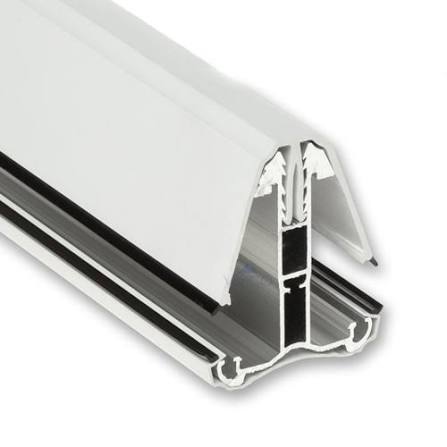
A polycarbonate glazing bar is a joining or fixing component used to connect polycarbonate sheets while providing a controlled, weather-resistant joint.
Depending on the system, glazing bars can help provide:
Shop Structural Glazing
View all Structural Glazing

- Sheet alignment
- Mechanical fixing
- Weather sealing
- Thermal movement allowance
- A finished appearance
- Support at sheet junctions
The correct bar depends on the polycarbonate profile and installation system.
Why Polycarbonate Fixing Systems Matter
A polycarbonate roof can fail even when the sheets themselves are suitable if the fixing and sealing system is incorrectly specified or installed.
The fixing system needs to manage:
- Wind forces
- Rainwater
- Thermal expansion
- Sheet movement
- Joint alignment
- Structural support
Using improvised screws or unsuitable sealants can create problems over time.
Polycarbonate Glazing Bar Kenya
When buying a polycarbonate glazing bar in Kenya, match the bar to the sheet profile, thickness and manufacturer's installation requirements.
Check:
- Sheet thickness
- Sheet width
- Profile
- Bar dimensions
- Fixing method
- Gasket compatibility
- Seal requirements
A glazing bar designed for one sheet system may not work correctly with another.
What Is an H-Connector for Polycarbonate?
An H-connector is a joining profile designed to connect adjacent polycarbonate sheets, creating a continuous joint between panels.
H-connectors may be used with suitable polycarbonate systems for:
- Roofs
- Canopies
- Partitions
- Wall glazing
- Greenhouses
- Covered walkways
The exact connector depends on the sheet type and thickness.
H-Connector Polycarbonate Installation
An H-connector polycarbonate system should be installed so that the sheets remain properly aligned while allowing for the movement expected from temperature changes.
Before installation:
- Confirm sheet dimensions.
- Check the connector size.
- Position the sheets correctly.
- Allow the manufacturer's recommended movement.
- Install appropriate seals or gaskets.
- Secure the system according to the manufacturer's instructions.
Do not force sheets tightly into a system that requires movement clearance.
Snap-Fix Systems
A snap-fix system uses interlocking components that can simplify polycarbonate installation while creating a neat finished joint.
Potential advantages include:
- Faster installation
- Cleaner appearance
- Reduced exposed fixings
- Consistent sheet alignment
- Easier replacement in some systems
The system must still be compatible with the sheet and supporting structure.
Snap-Fix vs H-Connector
Both systems can join polycarbonate sheets, but the appropriate choice depends on the sheet profile, roof design, fixing requirements and manufacturer's system.
An H-connector may be suitable where a simple joining profile is required.
A snap-fix system may be preferable where the manufacturer has designed an integrated mechanical fixing solution.
Avoid mixing components from unrelated systems without confirming compatibility.
Polycarbonate Roof Sealing
Correct sealing prevents rainwater from entering through joints, edges and fixing points while allowing the sheet to move naturally.
Sealing may involve:
- EPDM gaskets
- Compatible rubber seals
- End closures
- Flashings
- Compatible sealants
- Purpose-designed profiles
The sealing method should follow the sheet manufacturer's installation instructions.
Why Sealant Alone Is Not Enough
Sealant should not be used as a substitute for properly designed flashing, mechanical fixing and drainage.
Over-reliance on sealant can result in:
- Cracked joints
- Failed adhesion
- Water penetration
- Difficult maintenance
- Premature repairs
A properly designed system should manage water mechanically as well as through sealing.
Thermal Expansion of Polycarbonate
Polycarbonate expands and contracts with temperature changes, making movement allowance an important part of roof installation.
Large temperature variations can cause noticeable movement.
If movement is restricted, the sheet or fixing system may experience:
- Stress
- Buckling
- Cracking
- Distortion
- Fastener failure
Installation holes, joints and connectors should accommodate the manufacturer's specified movement.
Polycarbonate Fixings
Polycarbonate roofing should be fixed using suitable fasteners and washers that secure the sheet without crushing or damaging it.
Depending on the system, fixings may include:
- Roofing screws
- Self-drilling screws
- Thermal washers
- Profile-specific fasteners
- Mechanical clips
The correct fixing depends on the sheet and support structure.
Do Not Over-Tighten Polycarbonate Screws
Over-tightening can deform polycarbonate and compromise the weather seal around the fixing.
A screw should secure the sheet without:
- Crushing the panel
- Distorting the washer
- Restricting necessary movement
- Damaging the surface
Follow the manufacturer's recommended fixing method.
Polycarbonate and Waterproofing
Waterproofing depends on the complete roof system rather than the polycarbonate sheet alone.
Pay attention to:
- Side joints
- End joints
- Ridge details
- Eaves
- Wall connections
- Valley areas
- Fastener locations
Water should always have a controlled drainage path.
Polycarbonate Roof Edge Details
The edges of a polycarbonate roof require careful closure and flashing to prevent water, dirt and insects from entering the sheet system.
Depending on the panel type, edge details may include:
- Aluminium profiles
- End caps
- Vent tapes
- Flashings
- Gaskets
The correct detail depends on whether the sheet is solid, multiwall or profiled.
Multiwall Polycarbonate Sealing
Multiwall polycarbonate requires special attention to the open ends of its internal channels because moisture and dirt can enter if the edges are not properly protected.
Appropriate edge treatments may include:
- Breather or vent tape
- Solid sealing tape
- End profiles
- Drip profiles
The correct treatment depends on the sheet orientation and manufacturer's system.
Polycarbonate Roof Ventilation
Multiwall polycarbonate systems may require appropriate edge ventilation to manage condensation within the internal channels.
The system should allow moisture management while preventing unwanted water and debris from entering.
Incorrectly sealing every opening can sometimes trap moisture inside the sheet.
Polycarbonate Glazing Bars and Wind
Glazing bars and connectors must be securely attached to the supporting structure because polycarbonate roofs are exposed to wind pressure and uplift.
The installation should consider:
- Roof location
- Span
- Sheet size
- Support spacing
- Fixing density
- Edge zones
- Local wind exposure
Large exposed canopies require particularly careful structural planning.
Glazing Bars for Wall Applications
Polycarbonate glazing bars are not limited to roofing and can also be used to create joints in vertical glazing applications.
They may be used for:
- Commercial partitions
- Canopies
- Screens
- Greenhouse walls
- Covered walkways
Vertical applications still require proper sealing and movement allowance.
Choosing Between Polycarbonate Systems
The best polycarbonate fixing system depends on the sheet type, thickness, application and required performance rather than simply the connector's appearance.
Before purchasing, establish:
- Sheet type
- Sheet thickness
- Roof or wall application
- Support arrangement
- Connector type
- Weather exposure
- Required finish
- Manufacturer compatibility
Common Polycarbonate Installation Mistakes
Most polycarbonate roof problems are caused by incorrect fixing, sealing or movement allowance rather than the basic sheet material.
Using the Wrong Connector
A connector must match the sheet system.
Blocking Thermal Movement
Sheets need appropriate expansion allowance.
Over-Tightening Screws
This can deform the panel.
Poor Edge Sealing
Open channels can collect moisture and dirt.
Using Incompatible Sealants
Some chemicals can damage polycarbonate.
Ignoring Roof Drainage
Water must have a clear route away from joints.
Mixing Different Manufacturers' Components
Compatibility should be confirmed before combining systems.
Polycarbonate Fixing Checklist
Use this checklist before installing a polycarbonate roof or wall system.
- Sheet type confirmed
- Sheet thickness confirmed
- Connector selected
- Glazing bars compatible
- Snap-fix compatibility checked
- Fixing method confirmed
- Thermal movement allowance provided
- Appropriate washers/gaskets selected
- Edge closures specified
- Sealing system specified
- Drainage planned
- Wind exposure assessed
- Manufacturer installation instructions followed
- Maintenance access considered
Final Thoughts
Polycarbonate glazing bars, H-connectors and snap-fix systems are part of the roofing system and should be selected together with the polycarbonate sheet. The right combination helps control water ingress, thermal movement, wind forces and long-term maintenance.
For a reliable installation, think beyond the sheet:
Polycarbonate + glazing bars + connectors + fixings + seals + flashing + drainage
Correct compatibility and installation are essential. A high-quality polycarbonate sheet can still develop leaks or premature damage if the joining and sealing system is poorly designed.
Contact Us
If you are planning a polycarbonate roof, canopy or glazing project, our team can help you identify suitable sheets, glazing bars, connectors, fixings and accessories for your application.
