PU insulated roof panels in Kenya explained: core thickness, density and spans for cold rooms and factories. Get specifications and expert advice.
Why PU Insulated Roof Panels in Kenya Are Transforming Industrial Roofing
Installing These panels in Kenya is becoming increasingly popular among industries, cold storage operators, manufacturers, and commercial developers looking for superior temperature control and energy efficiency. Unlike traditional roofing systems that require separate insulation layers, polyurethane (PU) insulated panels combine roofing protection and thermal insulation into one high-performance solution.
For cold rooms, food processing facilities, pharmaceutical storage spaces, warehouses, and factories, maintaining stable indoor temperatures is critical. A poorly insulated roof allows heat from Kenya’s strong sunlight to enter the building, increasing cooling costs and reducing operational efficiency.
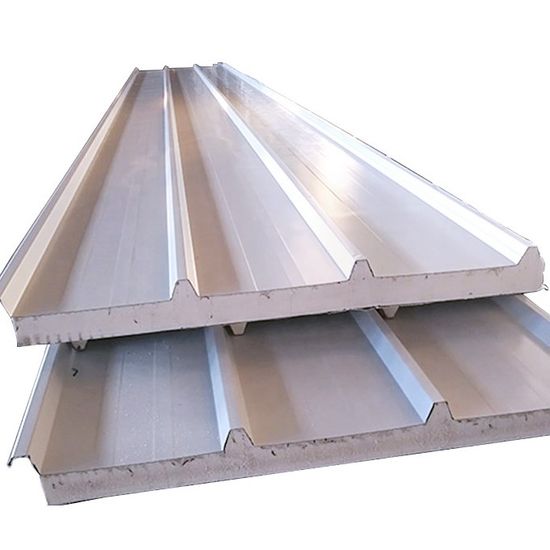
These panels solve this challenge through a sandwich panel design consisting of:
- Protective outer metal sheets
- A rigid polyurethane foam core
- Inner protective lining
The PU core provides excellent thermal resistance, helping buildings maintain cooler internal conditions even in hot regions such as Nairobi, Mombasa, Kisumu, and industrial areas across Kenya.
Whether you are constructing a cold room in Nairobi, a manufacturing plant in Athi River, a food warehouse in Nakuru, or an agricultural storage facility in Eldoret, selecting the correct insulated roofing system is essential for long-term performance.
For complete roofing solutions and professional advice, explore the range of products available through the Ali Glaziers Roofing shop.
What Are These panels?
These panels are prefabricated roofing panels containing a polyurethane foam core between two protective layers, designed to provide superior thermal insulation for industrial and commercial buildings.
They are commonly known as:
- PU sandwich panels
- Polyurethane insulated panels
- Composite roofing panels
The sandwich structure creates a strong, lightweight roofing solution that provides:
- Heat resistance
- Weather protection
- Structural strength
- Improved energy efficiency
Unlike traditional roofing sheets where insulation is installed separately, PU panels arrive as an integrated system.
How These panels Work
These panels in Kenya reduce heat transfer by using a high-density polyurethane core that slows the movement of heat between the outside environment and the building interior.
The system works through three layers:
Outer Metal Sheet
The external layer protects the building from:
- Rain
- Wind
- UV exposure
- Mechanical damage
It is usually manufactured from coated steel or aluminium.
Polyurethane Core
The central PU layer provides the main insulation performance.
It reduces heat movement through the roof and helps maintain stable temperatures.
Inner Surface Layer
The internal layer provides:
- A clean finish
- Protection for the insulation core
- Easy maintenance
Why Choose These panels in Kenya?
Kenya’s climate creates unique roofing challenges.
Metal roofs without insulation can become extremely hot during sunny periods, especially in:
- Nairobi
- Mombasa
- Machakos
- Kitengela
- Kisumu
PU panels help solve these challenges by providing excellent thermal separation.
Key benefits include:
- High insulation performance
- Reduced cooling costs
- Better temperature control
- Faster installation
- Improved hygiene standards
PU Insulated Roof Panel Specifications Explained
When selecting PU panels, several specifications determine performance.
PU Core Thickness
The thickness of the polyurethane core affects insulation performance.
Common thickness options include:
| ThicknessTypical Application | |
| 30mm - 40mm | Mild insulation requirements |
| 50mm - 75mm | Warehouses and commercial buildings |
| 80mm - 100mm | Cold rooms and temperature-controlled spaces |
| 120mm+ | High-performance refrigeration applications |
Cold rooms generally require thicker panels because maintaining low temperatures requires stronger thermal resistance.
PU Core Density
Density affects the strength and insulation capability of the panel.
Higher-density PU cores provide:
- Better durability
- Improved structural performance
- Enhanced insulation stability
For industrial applications, selecting the correct density is important because panels must withstand:
- Roof loads
- Weather exposure
- Long-term use
These panels vs Traditional Roofing
| FeatureThese panelsTraditional Iron Sheets | ||
| Thermal insulation | Excellent | Low |
| Installation | Faster integrated system | Requires separate insulation |
| Temperature control | High | Limited |
| Energy efficiency | Better | Lower |
| Cold room suitability | Excellent | Not suitable alone |
| Maintenance | Low | Moderate |
For buildings where temperature control matters, PU panels provide a major advantage.
Applications of These panels in Kenya
Cold Rooms
Cold rooms require strict temperature management.
PU insulated panels are commonly used for:
- Food storage facilities
- Meat processing plants
- Dairy storage
- Pharmaceutical facilities
- Fresh produce warehouses
They help reduce heat gain and maintain consistent temperatures.
Food Processing Factories
Food manufacturers need hygienic environments with controlled temperatures.
PU panels provide:
- Smooth internal surfaces
- Easy cleaning
- Thermal efficiency
Warehouses
Modern warehouses increasingly require better temperature management.
PU panels help protect stored products from excessive heat.
Pharmaceutical Facilities
Medical products often require stable storage conditions.
Insulated roofing helps maintain controlled environments.
Agricultural Storage Buildings
Farmers and exporters use insulated buildings for:
- Fruits
- Vegetables
- Flowers
- Dairy products
Cold Room PU Panels: What Thickness Do You Need?
The correct PU panel thickness depends on the required internal temperature, room size, and operating conditions.
For example:
- Chilled storage may require moderate insulation
- Frozen storage requires thicker panels
- Large industrial cold rooms require high-performance systems
Factors affecting thickness selection include:
- External temperature
- Door openings
- Cooling equipment
- Storage requirements
A professional assessment helps determine the correct specification.
PU Panels for Factories and Industrial Buildings
Factories require roofing systems that provide durability and efficiency.
PU insulated panels are suitable for:
- Manufacturing plants
- Processing facilities
- Assembly buildings
- Industrial warehouses
Advantages include:
Faster Construction
Panels are prefabricated and installed quickly compared with traditional insulation methods.
Reduced Heat Transfer
Factories become more comfortable for workers.
Better Energy Efficiency
Cooling requirements can be reduced in temperature-sensitive operations.
These panels Performance in Kenyan Regions
Nairobi
Industrial areas around Nairobi require roofing systems that manage heat while supporting commercial operations.
PU panels help maintain comfortable indoor conditions.
Mombasa
Coastal humidity and high temperatures make insulation particularly valuable.
PU panels help reduce heat gain and improve indoor comfort.
Kisumu
Warm weather and seasonal rainfall create demand for durable insulated roofing solutions.
Nakuru
Agricultural processing facilities benefit from temperature-controlled storage.
Eldoret
Food and agricultural industries use insulated systems to protect stored products.
Installation Process for These panels
Correct installation ensures maximum performance.
Step 1: Structural Assessment
The roof structure must support the panel system.
Step 2: Panel Layout Planning
Panels are arranged according to:
- Building dimensions
- Roof design
- Support spacing
Step 3: Panel Fixing
Panels are secured using suitable fasteners and joining systems.
Step 4: Joint Sealing
Proper sealing prevents:
- Air leakage
- Water entry
- Heat transfer
Step 5: Final Inspection
The completed roof should be checked for:
- Alignment
- Sealing quality
- Fixing strength
Common Mistakes When Installing PU Panels
Choosing Incorrect Thickness
Thin panels may not provide sufficient insulation for demanding applications.
Poor Joint Sealing
Gaps between panels reduce thermal performance.
Incorrect Fixings
Wrong fasteners can damage panels or create leaks.
Ignoring Roof Design
Panel selection should consider:
- Roof span
- Building purpose
- Environmental conditions
PU Panels vs Aluminium Foil Insulation
| FeaturePU PanelsAluminium Foil | ||
| Insulation level | Very High | Moderate |
| Best application | Cold rooms and factories | Homes and general buildings |
| Installation | Integrated system | Added beneath roofing |
| Cost | Higher | Lower |
| Temperature control | Excellent | Good |
For high-performance industrial buildings, PU panels are usually the preferred choice.
Maintaining These panels
PU panels require minimal maintenance.
Recommended practices include:
- Inspect joints regularly
- Clean surfaces
- Repair damaged coatings
- Check drainage systems
- Inspect after storms
Proper maintenance extends service life.
Why Work With Ali Glaziers Roofing Division?
Choosing the correct insulated roofing system requires technical knowledge.
Ali Glaziers Roofing Division supports contractors, developers, architects, and businesses with quality roofing solutions suitable for Kenyan conditions.
Our expertise includes:
- Modern roofing materials
- Industrial roofing solutions
- Polycarbonate systems
- Roofing accessories
Explore our polycarbonate roofing sheets category for additional roofing solutions.
You can also learn more about our company through our Roofing About Us page.
Frequently Asked Questions About These panels in Kenya
What are These panels used for?
They are used for cold rooms, factories, warehouses, food processing facilities, and buildings requiring thermal control.
Are PU panels suitable for cold rooms?
Yes. Their high insulation performance makes them ideal for maintaining controlled temperatures.
What thickness of PU panel is best?
The correct thickness depends on the temperature requirements, building size, and application.
Are PU panels better than normal iron sheets?
Yes. PU panels provide integrated insulation and better temperature control compared with standard roofing sheets.
Do PU panels reduce electricity costs?
Yes. Better insulation reduces heat transfer, which can lower cooling requirements.
Can PU panels be used in Kenya’s hot climate?
Yes. They are designed to perform effectively under high temperatures and strong sunlight.
Conclusion: Invest in Efficient Roofing With PU Insulated Panels
Choosing These panels in Kenya provides a reliable solution for businesses requiring temperature control, energy efficiency, and durable roofing performance. From cold rooms and food processing facilities to factories and warehouses, PU panels offer superior insulation compared with traditional roofing systems.
The correct panel thickness, density, and installation method determine how effectively the system performs.
Whether your project is in Nairobi, Mombasa, Kisumu, Nakuru, Eldoret, or another part of Kenya, Ali Glaziers Roofing Division can provide professional guidance and quality roofing solutions designed for modern construction requirements.
For expert assistance and project quotations, visit our contact page and speak with our roofing specialists.
Upgrade to Unbreakable Roofing with Ali Glaziers Today!
Whether you are an architect designing a modern mall, a contractor securing an industrial warehouse, or a homeowner upgrading your patio pergola, Ali Glaziers Roofing Division has the perfect solution for the Kenyan climate.
✔ Virtually Indestructible: Polycarbonate materials that are 200x stronger than glass.
✔ UV-Stabilized: Advanced technology to prevent yellowing and sun damage.
✔ Fast & Reliable Delivery: Countrywide, same-day, and next-day delivery options across Nairobi, Mombasa, Kisumu, Nakuru, Eldoret, and beyond.
Ready to transform your roof with modern, transparent solutions?
Visit Us: Funzi Road Branch: End of Funzi Road, Industrial Area – Ali Glaziers LTD Building, Nairobi.
Call/WhatsApp: +254 (0) 716 259 682 | +254 (0) 722 522 452
Email: info@aliglaziers.com
Shop Online: https://roofing.aliglaziers.com/shop/


