
How roofing sheet warranties differ between Kenyan brands, what they exclude, and how to claim.
Reading a Mabati Warranty: What Is Actually Covered?
A mabati warranty is only useful when you understand exactly what it covers, how long it lasts, and which conditions can invalidate a claim.
Buying roofing sheets is a significant investment, particularly when roofing a new home, warehouse, school, church, commercial building, or industrial facility. Manufacturers often provide warranties to give buyers confidence in the expected performance of their products.
However, a warranty is not a promise that every roofing problem will automatically be repaired or replaced.
Shop Clear Mabati Sheets
View all Clear Mabati Sheets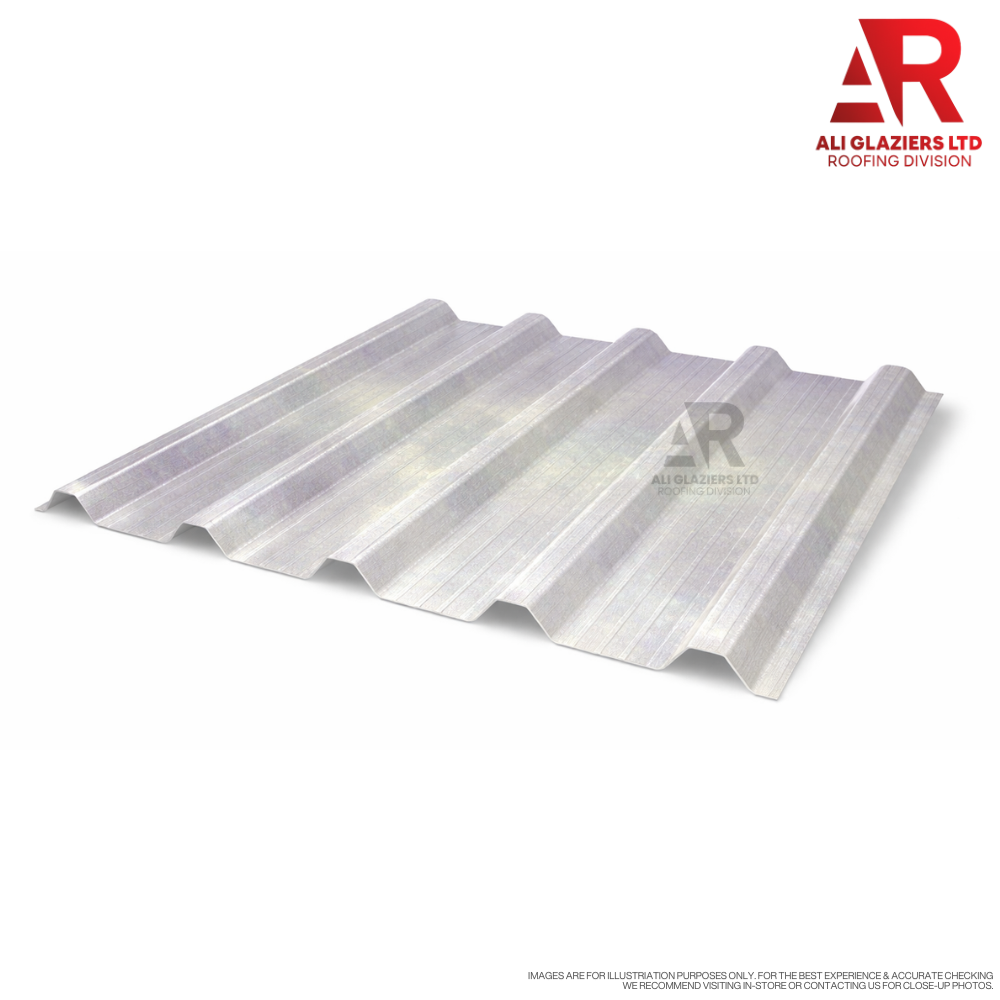
Different manufacturers may cover different defects for different periods. Some warranties focus on corrosion or perforation, while others may cover paint performance, structural integrity, or specific manufacturing defects. Installation, maintenance, handling, environmental exposure, and proof of purchase can also affect whether a claim is accepted.
For anyone researching a mabati warranty in Kenya, the most important lesson is simple: read the actual warranty document rather than relying only on a salesperson's description.
What Is a Roofing Sheet Warranty?
A roofing sheet warranty is a manufacturer's written commitment covering specified product defects or performance failures for a defined period, subject to stated conditions and exclusions.
The warranty normally identifies:
- The product covered
- The warranty period
- Covered defects
- Environmental conditions
- Installation requirements
- Maintenance requirements
- Exclusions
- Claim procedures
- Proof-of-purchase requirements
The exact terms vary by manufacturer and product.
This means two roofing sheets from different brands may have completely different warranty coverage even if they appear similar.
What Does a Mabati Warranty Usually Cover?
Depending on the manufacturer and product, a roofing sheet warranty may cover issues such as premature corrosion, perforation, coating failure, or specific manufacturing defects.
However, coverage is product-specific.
For example, Mabati Rolling Mills publishes warranty information covering specified issues including weather-related colour performance, perforation, and peeling under particular warranty conditions. Its documentation also specifies exclusions and installation requirements.
Royal Mabati states that its roofing products are covered for specified periods against corrosion and structural failure, subject to its warranty conditions.
These examples demonstrate why buyers should obtain the warranty applicable to the exact roofing product being purchased.
What Is Usually Excluded?
Warranty exclusions are just as important as the benefits because certain types of damage may fall outside the manufacturer's responsibility.
Common exclusions can include damage caused by:
- Incorrect installation
- Poor handling
- Improper storage
- Physical impact
- Natural disasters
- Unapproved modifications
- Failure to maintain the roof
- Unsuitable environmental exposure
- Use outside the product's intended application
For example, a warranty may not cover roofing sheets that were damaged during transportation or installation.
Always read the exclusions before assuming that a particular problem will qualify for a claim.
Why Installation Matters to Your Warranty
Correct installation is often a condition of warranty coverage, meaning poor workmanship can leave the property owner responsible for repairs even when the roofing material itself was genuine.
Installation problems can include:
- Incorrect screw placement
- Excessive screw tightening
- Wrong overlap
- Incorrect purlin spacing
- Damaged coating
- Poor flashing
- Inadequate roof pitch
- Incorrect cutting methods
A quality roofing sheet cannot compensate for poor installation.
This is why it is important to use experienced roofing professionals and follow the manufacturer's installation instructions.
Does Roofing Sheet Gauge Affect Warranty Coverage?
The specified thickness or gauge must match the product ordered because warranty protection applies to the product described in the manufacturer's documentation, not necessarily every roofing sheet sold under a brand name.
When purchasing roofing sheets, confirm:
- Product name
- Thickness
- Steel grade
- Coating
- Profile
- Finish
- Warranty period
Do not assume that every product from a manufacturer carries the same warranty.
Different profiles and finishes can have different technical specifications.
Coating Performance and Warranty
The coating on a roofing sheet provides important protection against corrosion and weathering, but warranty coverage for coating performance depends on the manufacturer's stated conditions.
Coated roofing products can be affected by:
- UV exposure
- Humidity
- Salt air
- Industrial pollutants
- Chemical exposure
- Improper cleaning
- Physical damage
This is especially important when buying roofing sheets for coastal locations such as Mombasa, Kilifi, Malindi, or Lamu.
A product suitable for a normal inland environment may have different limitations in a highly corrosive environment.
Coastal Roofing Requires Extra Attention
Salt-laden coastal air can accelerate corrosion, so buyers in coastal Kenya should carefully check environmental limitations in the warranty before purchasing roofing sheets.
Coastal projects should consider:
- Metallic coating
- Paint system
- Fastener coating
- Environmental classification
- Maintenance requirements
- Warranty exclusions
Do not assume that a long warranty automatically means unlimited protection in a marine environment.
Read the actual terms supplied with the product.
What About Fading?
Some roofing warranties address colour fading, but coverage may be limited to specific levels of colour change and defined exposure conditions.
Painted roofing sheets naturally experience some weathering over time.
A warranty may distinguish between:
- Normal weathering
- Excessive fading
- Peeling
- Chalking
- Coating failure
These are not necessarily treated as the same defect.
The warranty document should explain how colour performance is measured and what level of deterioration qualifies for a claim.
What About Rust?
Rust and corrosion claims depend on the product, environment, cause of corrosion, and warranty terms.
Surface corrosion may result from:
- Damaged coatings
- Incorrect cutting
- Poor storage
- Salt exposure
- Chemical contamination
- Contact with incompatible materials
A warranty may cover premature perforation caused by corrosion but exclude surface rust caused by improper handling or environmental conditions.
This distinction is important when making an iron sheet warranty claim.
Keep Your Proof of Purchase
A valid invoice, receipt, delivery note, or other proof of purchase may be required when making a roofing warranty claim.
Keep records showing:
- Date of purchase
- Supplier
- Product name
- Quantity
- Product specification
- Invoice number
- Delivery information
It is also useful to retain photographs of the roofing materials before and during installation.
Good documentation makes it easier to establish what product was purchased and when.
Take Photographs During Installation
Photographs provide useful evidence if a roofing problem develops later and can help establish whether the product was installed according to the manufacturer's requirements.
Consider photographing:
- Roofing sheets before installation
- Product markings
- Roofing structure
- Fasteners
- Overlaps
- Flashings
- Finished roof
Store these photographs with your purchase documents.
How to Make an Iron Sheet Warranty Claim
A roofing warranty claim should normally begin by documenting the problem and contacting the supplier or manufacturer through the appropriate warranty channel.
A practical process is:
1. Identify the Problem
Determine whether the issue involves:
- Corrosion
- Perforation
- Peeling
- Fading
- Structural failure
- Manufacturing defects
2. Gather Your Documents
Prepare:
- Purchase receipt
- Invoice
- Warranty document
- Product information
- Installation records
3. Take Clear Photographs
Photograph the affected areas from several angles.
4. Contact the Supplier
Contact the company that supplied the roofing materials or follow the manufacturer's published warranty procedure.
5. Allow an Inspection
The manufacturer or supplier may need to inspect the roofing system before determining whether the claim qualifies.
6. Follow the Manufacturer's Process
Do not remove or replace the affected materials before an inspection unless the manufacturer or supplier instructs you to do so.
What Can Cause a Warranty Claim to Fail?
A warranty claim can be rejected when the manufacturer determines that the damage resulted from an excluded condition rather than a covered product defect.
Potential reasons include:
- Incorrect installation
- Improper storage
- Physical damage
- Unapproved modifications
- Failure to follow maintenance instructions
- Environmental exposure outside stated limits
- Lack of proof of purchase
- Product alteration
This is why reading the warranty before installation is so important.
Storage Can Affect Warranty Protection
Poor storage can damage roofing sheets before they are installed and may create conditions that are not covered by the manufacturer's warranty.
Roofing sheets should generally be:
- Stored off the ground
- Protected from prolonged moisture
- Properly supported
- Kept away from corrosive substances
- Handled carefully
Wet storage can contribute to staining or corrosion, particularly when sheets are tightly bundled.
Cutting Roofing Sheets Correctly
Incorrect cutting can damage protective coatings and create exposed steel that becomes vulnerable to corrosion.
Avoid careless cutting practices that generate excessive heat or damage the coating.
Use appropriate tools and follow the manufacturer's recommendations.
After cutting, remove metal filings and debris from the roof because loose metallic particles can develop rust stains.
Why the Fasteners Matter
Roofing screws and washers are part of the roofing system and can influence both roof performance and long-term corrosion resistance.
Poor-quality fasteners can:
- Rust prematurely
- Allow water penetration
- Loosen
- Damage roofing sheets
- Reduce roof lifespan
Use compatible fasteners recommended for the roofing product and environmental conditions.
Don't Assume a Longer Warranty Is Always Better
A longer warranty period does not automatically mean a better roofing product because coverage, exclusions, environmental limitations, and claim conditions vary.
For example, when comparing two roofing products, ask:
| Warranty QuestionWhy It Matters | |
| How long is the warranty? | Establishes the coverage period |
| What defects are covered? | Shows what the manufacturer actually guarantees |
| What is excluded? | Reveals potential limitations |
| Is installation covered? | Clarifies workmanship responsibility |
| Are coastal areas covered? | Important for marine environments |
| Is colour fading covered? | Relevant for painted sheets |
| What documents are required? | Helps with future claims |
| Who handles the claim? | Clarifies the correct contact |
This provides a much more meaningful comparison than simply asking which product has the longest guarantee.
Choose a Supplier That Provides Clear Documentation
A reputable roofing supplier should be able to provide product information, invoices, specifications, and guidance on the correct installation requirements.
When buying roofing materials, ask for:
- Product specification
- Warranty documentation
- Installation instructions
- Recommended accessories
- Product identification
- Invoice
Avoid making a major roofing purchase based solely on verbal promises.
Why Choose Ali Glaziers Roofing Solutions?
Ali Glaziers Roofing Solutions supplies roofing materials for residential, commercial, industrial, agricultural, and institutional projects throughout Kenya.
Our team can assist with:
- Roofing sheet selection
- Product specifications
- Roofing accessories
- Quantity planning
- Project quotations
- Professional installation
Browse our roofing products through the Roofing Shop.
Learn more about our company and roofing services through Roofing About Us.
If you need help selecting roofing sheets and understanding the relevant product specifications and warranty documentation, contact our team through Request a Quote.
Final Thoughts
A roofing warranty is valuable only when you understand its coverage and follow the manufacturer's conditions from purchase through installation and maintenance.
When comparing mabati warranty Kenya options, don't focus exclusively on the number of years printed in the advertisement.
Look at:
- What is covered
- What is excluded
- The exact product specification
- Environmental limitations
- Installation requirements
- Maintenance obligations
- Claim procedures
- Required documentation
A good roofing purchase combines a suitable product, genuine materials, correct installation, proper maintenance, and clear warranty documentation.
That approach gives you much greater protection than choosing a roofing sheet based on price or warranty length alone.
Contact Us Today
Visit Us:
Funzi Road Branch, End of Funzi Road, Industrial Area
Ali Glaziers LTD Building
Nairobi, Kenya
Call / WhatsApp:
+254 (0) 716 259 682
+254 (0) 722 522 452
Email:
Shop Online:
Learn More:
Request a Quote:
Contact Ali Glaziers Roofing Solutions
Before buying your next roofing order, ask for the exact product specification and warranty terms. Ali Glaziers Roofing Solutions can help you choose suitable roofing materials and accessories for your project.


