Roof underlayment is the hidden hero of your roofing system. Discover the best roof underlayment and waterproof roofing products in Kenya for leak protection.
Roof underlayment is one of the most important yet often overlooked components in modern roofing systems. Whether you are constructing a residential home in Nairobi, a commercial building in Mombasa, or an industrial facility in Eldoret, roof underlayment plays a critical role in protecting your structure from moisture, leaks, and long-term water damage.
Many property owners focus only on visible roofing materials such as mabati, tiles, or polycarbonate sheets, but the real protection often lies beneath the surface. Without proper roofing underlay, even high-quality roofing systems can fail when exposed to Kenya’s heavy rainfall, coastal humidity, and fluctuating temperatures.
Roof underlayment acts as a secondary waterproof barrier installed between the roof deck and the outer roofing material. It provides an additional layer of defense against wind-driven rain, condensation, and accidental leaks caused by damaged roofing sheets or improper installation.
Shop Solid Polycarbonate Sheets
View all Solid Polycarbonate Sheets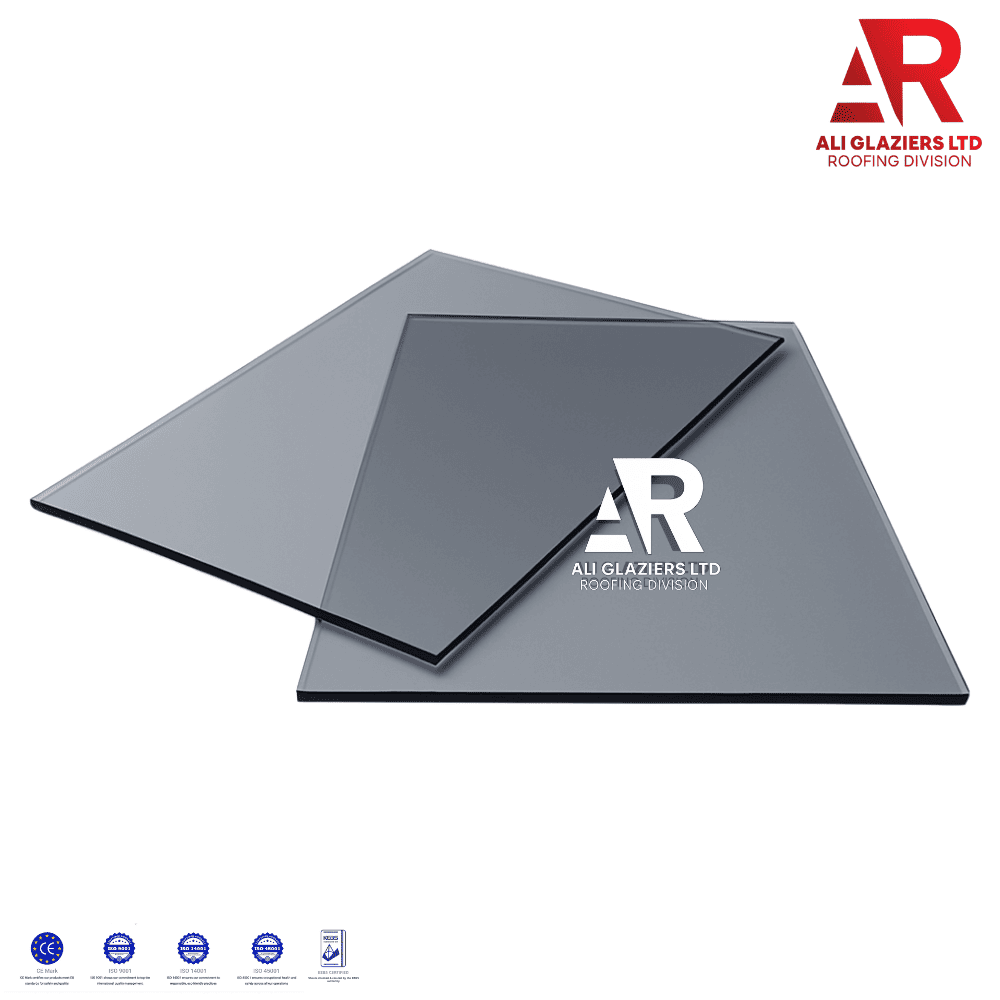
GREY SOLID POLYCARBONATE SHEETS
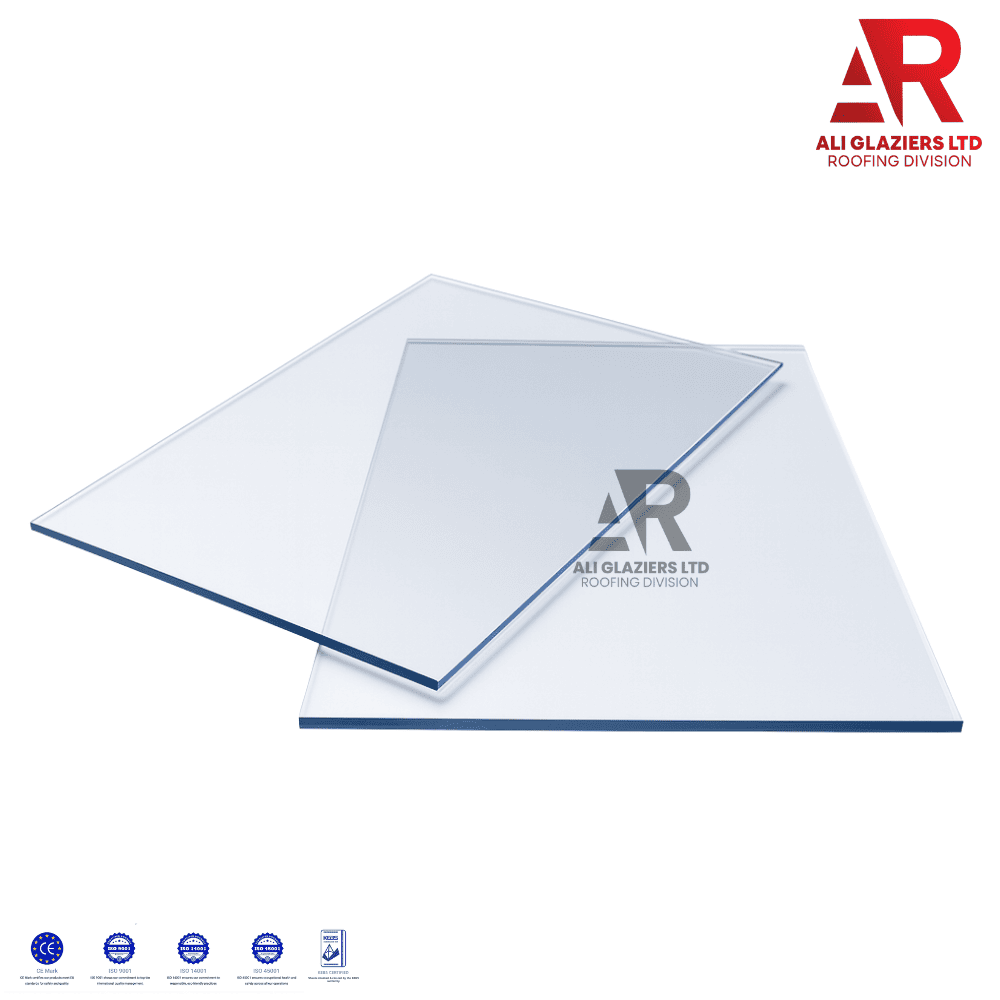
CLEAR SOLID POLYCARBONATE SHEETS
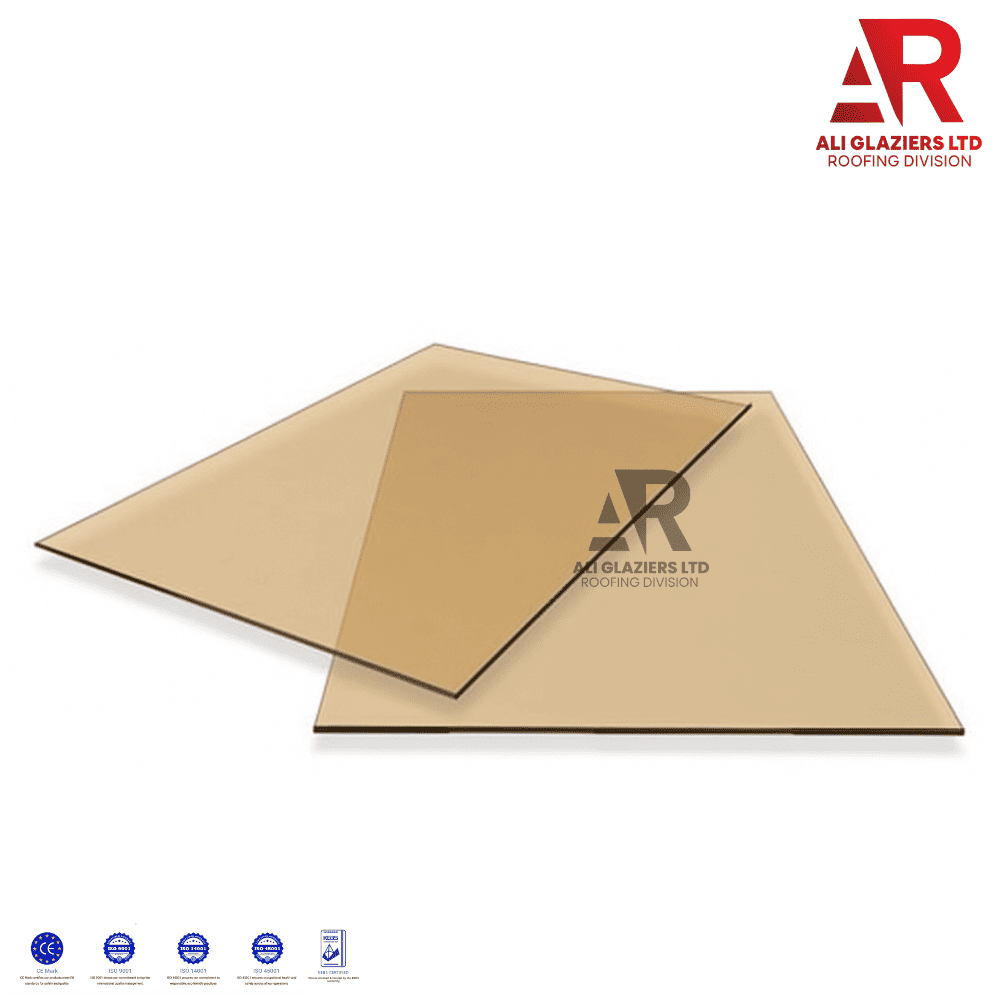
BRONZE SOLID POLYCARBONATE SHEETS
At Ali Glaziers Roofing Division, we emphasize complete roofing systems—not just surface materials. From UV-stabilized roofing sheets to advanced waterproof roofing products, every layer matters when building durable structures in Kenya’s diverse climate.
This guide explains what underlay membrane is, why it is essential, the different types available, and how it works alongside modern roofing systems to ensure long-term leak protection.
What Is Roof Underlayment?
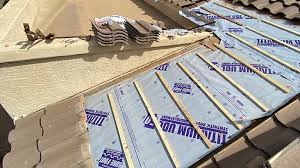
Roofing underlay is a protective layer installed directly on top of the roof deck and beneath the outer roofing material. It serves as a backup waterproofing barrier in case the primary roofing layer fails.
It is commonly used in:
- Residential homes
- Commercial buildings
- Industrial warehouses
- Schools and institutions
- Coastal properties
In Kenya, where heavy rains and intense sun exposure are common, roof underlayment significantly increases the lifespan of roofing systems.
Why Roof Underlayment Is Important for Leak Protection
1. Secondary Waterproof Barrier
Even the best roofing sheets can develop gaps over time due to:
- Wind damage
- Thermal expansion
- Installation errors
- Aging materials
Roof underlayment prevents these issues from turning into major leaks by acting as a second line of defense.
2. Protection During Roof Installation
Before the final roofing material is installed, the underlayment protects the structure from:
- Sudden rainstorms
- Moisture exposure
- Dust and debris
This is especially important in regions like Kisumu and Nairobi where weather conditions can change rapidly.
3. Improved Roof Longevity
By reducing direct exposure of the roof deck to moisture, underlayment helps extend the lifespan of:
- Wooden structures
- Metal frames
- Insulation layers
4. Enhanced Energy Efficiency
Some modern waterproof roofing products also improve thermal regulation by reducing heat transfer into the building.
Types of Roof Underlayment Used in Kenya
1. Felt Underlayment
Traditional asphalt-saturated felt is commonly used in basic roofing systems. It provides moderate waterproofing at an affordable cost.
2. Synthetic Underlayment
Modern synthetic options offer:
- Higher tear resistance
- Longer lifespan
- Better waterproof performance
- Lightweight installation
3. Self-Adhesive Waterproof Membranes
These are premium waterproof roofing products designed for:
- High-risk leak areas
- Low-slope roofs
- Critical junctions and valleys
4. Polycarbonate-Compatible Roofing Systems
For modern transparent roofing designs, underlayment works alongside advanced materials such as:
These systems are ideal for skylights and architectural roofing where both light and waterproofing are required.
Roof Underlayment vs. Roofing Sheets
| FeatureRoof UnderlaymentRoofing Sheets | ||
| Function | Hidden waterproof layer | Primary roof cover |
| Visibility | Not visible | Visible exterior layer |
| Waterproofing | Secondary protection | Primary protection |
| Replacement | Rare | More frequent |
| Damage Resistance | Protects deck | Protects building |
Underlay membrane is not a replacement for roofing sheets—it works together with them to create a complete roofing system.
Best Roofing Products That Work With Underlayment
Polycarbonate Roofing Systems
Modern roofing solutions such as:
- Egyptian solid polycarbonate
- Egyptian clear solid polycarbonate
These products are highly durable and often paired with waterproofing underlay in skylight and canopy installations.
Metal Roofing Systems
Common in Kenya, especially for:
- Residential housing
- Warehouses
- Commercial buildings
Underlayment improves their leak resistance significantly.
Common Causes of Roof Leaks in Kenya
Even with quality roofing materials, leaks can still occur due to:
Poor Installation
Incorrect overlapping or sealing leads to water penetration.
Lack of Underlayment
Without a secondary barrier, small roof defects quickly become major leaks.
Extreme Weather Conditions
Heavy rains in Mombasa and Kisumu can overwhelm poorly designed roofs.
Aging Roofing Materials
Over time, roofing sheets may develop cracks or corrosion.
How Roof Underlayment Improves Leak Protection
Roof underlayment enhances leak protection by:
- Blocking moisture before it reaches the roof deck
- Acting as a backup system when roofing sheets fail
- Preventing wind-driven rain infiltration
- Protecting vulnerable roof joints
This layered approach is essential for long-term roofing performance in Kenya’s climate.
Frequently Asked Questions About Roof Underlayment in Kenya
What is roof underlayment used for?
It is used as a waterproof barrier beneath roofing sheets to prevent leaks and moisture damage.
Is roof underlayment necessary?
Yes. It provides essential backup protection, especially during heavy rainfall.
Can roof underlayment stop all leaks?
It significantly reduces leaks but works best when combined with proper roofing sheets and installation.
How long does roof underlayment last?
Depending on type, it can last between 10–30 years.
Is it used in all roofing systems?
Yes, especially in modern residential and commercial construction.
Conclusion
Underlay membrane is a critical yet hidden component of any durable roofing system. It provides essential leak protection, enhances structural longevity, and ensures that your building remains safe even under harsh weather conditions.
In Kenya’s diverse climate—from Nairobi’s intense sun to Mombasa’s coastal humidity and Kisumu’s heavy rains—roofing underlay is not optional; it is a necessity for long-term roofing performance.
When combined with high-quality roofing materials from Ali Glaziers Roofing Division, it forms a complete, reliable, and weather-resistant roofing system suitable for modern construction.
Upgrade to Unbreakable Roofing with Ali Glaziers Today!
Whether you are an architect designing a modern mall, a contractor securing an industrial warehouse, or a homeowner upgrading your patio pergola, Ali Glaziers Roofing Division has the perfect solution for the Kenyan climate.
✔ Virtually Indestructible: Polycarbonate materials that are 200x stronger than glass. ✔ UV-Stabilized: Advanced technology to prevent yellowing and sun damage. ✔ Fast & Reliable Delivery: Countrywide, same-day, and next-day delivery options across Nairobi, Mombasa, Kisumu, Nakuru, Eldoret, and beyond.
Ready to transform your roof with modern, transparent solutions?
Visit Us: Funzi Road Branch: End of Funzi Road, Industrial Area – Ali Glaziers LTD Building, Nairobi.
Call/WhatsApp: +254 (0) 716 259 682 | +254 (0) 722 522 452
Email: info@aliglaziers.com
Shop Online: https://roofing.aliglaziers.com/shop/