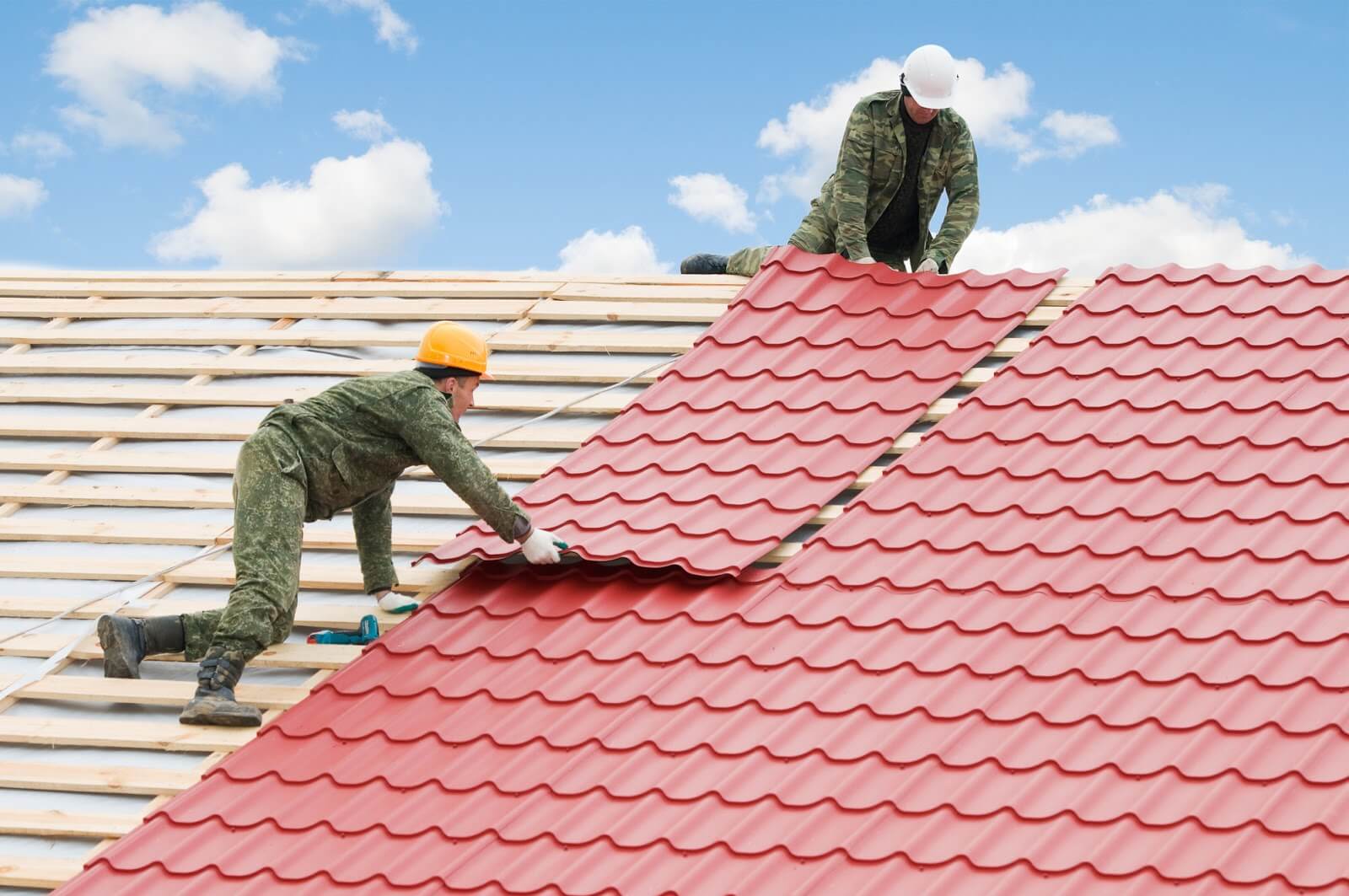
When people think about roofing, they usually focus on the visible materials such as roofing sheets, tiles, or polycarbonate panels. However, in real construction practice, a roof is never just about the main material. The real strength, waterproofing ability, and long-term performance of any roof depend heavily on roofing accessories.
These accessories are often overlooked during budgeting or planning, yet they are the components that determine whether a roof will last 5 years or 25 years.
In Kenya’s diverse climate conditions—ranging from heavy rains in Kisumu and Western Kenya, coastal humidity in Mombasa, to strong UV exposure in Nairobi and arid regions like Eldoret—roofing systems must be fully reinforced with proper accessories to perform effectively.
Shop Accessories
View all Accessories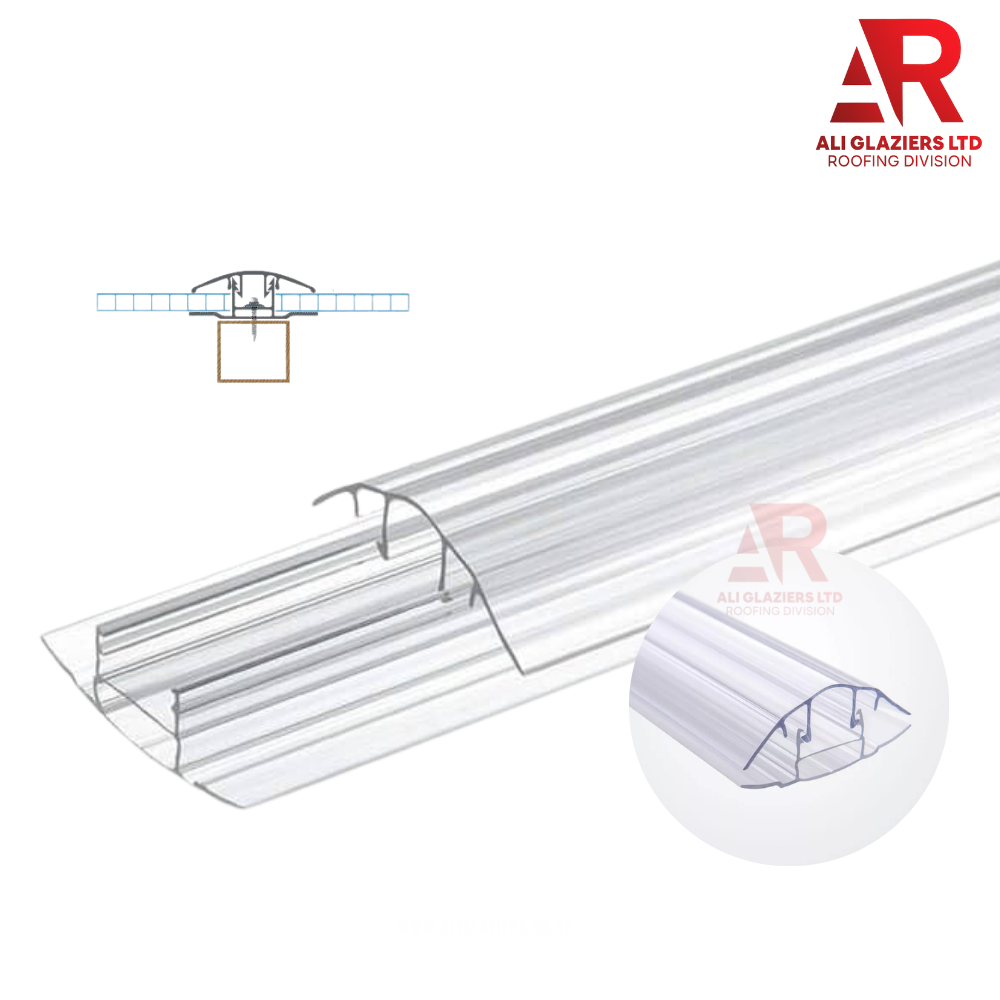


This article explains the most important roofing accessories, why they matter, and how they protect your investment.
What Are Roofing Accessories?
Roofing accessories are the supporting components used alongside roofing sheets or tiles to complete a functional roofing system. They are not optional add-ons—they are essential structural and protective elements.
These include:
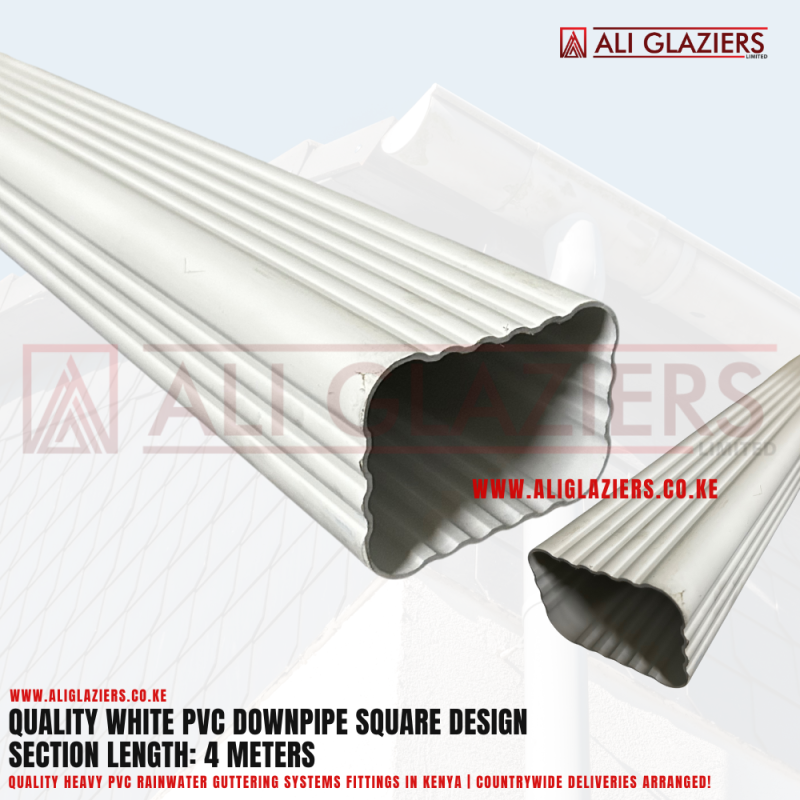
- Gutters and downpipes
- Flashing systems
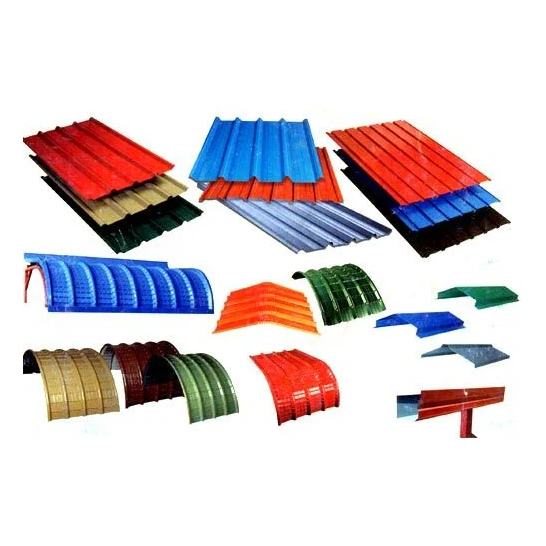
- Ridge caps
- Sealants and waterproofing materials
- Fasteners and screws
- Roof vents
- Eaves and edge trims
Each of these plays a specific role in ensuring the roof performs correctly under different weather conditions.
Roofing Accessories You Should Never Ignore in Kenya
1. Gutters and Rainwater Management Systems
Gutters are one of the most critical roofing accessories in any building.
Why Gutters Matter:
Kenya experiences heavy rainfall in many regions, and without proper gutters:
- Water runs down walls
- Foundations get weakened
- Soil erosion occurs around buildings
- Dampness spreads into interior walls
Proper gutter systems collect rainwater and direct it safely away from the building.
Key Benefits:
- Protects building foundation
- Prevents wall staining and mold growth
- Enables rainwater harvesting
- Reduces long-term maintenance costs
Without gutters, even the best roof becomes ineffective during heavy rain seasons.
2. Roof Flashing: The Hidden Waterproofing Hero
Roof flashing is a thin material installed at joints, edges, and transitions where the roof meets other structures.
Where Flashing Is Used:
- Roof valleys
- Chimneys
- Skylight edges
- Wall intersections
- Roof joints
Why Flashing Is Important:
Without flashing:
- Water seeps into joints
- Roof leaks develop over time
- Structural timber becomes weak
- Interior ceilings get damaged
Flashing acts as a waterproof barrier that protects vulnerable points on the roof.
3. Ridge Caps for Roof Protection and Stability
Ridge caps are installed at the highest point where two roof slopes meet.
Functions of Ridge Caps:
- Prevent rainwater from entering roof peaks
- Improve roof structural strength
- Enhance aesthetic finishing
- Improve ventilation in some roofing systems
In Kenya’s rainy regions, ridge caps are essential for preventing leaks at the roof apex.
4. Roofing Screws and Fasteners
Roofing fasteners may seem minor, but they are one of the most important structural elements.
Problems with Low-Quality Fasteners:
- Rusting due to rain and humidity
- Loose roofing sheets during strong winds
- Water leakage through screw holes
- Shortened roof lifespan
Benefits of High-Quality Fasteners:
- Strong sheet anchoring
- Resistance to corrosion
- Long-term structural stability
- Improved wind resistance
Using the wrong screws is one of the leading causes of roof failure in Kenya.
5. Roofing Sealants and Waterproofing Materials
Sealants are used to close gaps and joints where water could enter.
Common Uses:
- Around flashing joints
- Roofing sheet overlaps
- Around vents and skylights
- Edge sealing
Why Sealants Matter:
Even small gaps can allow water penetration. Over time, this leads to:
- Ceiling damage
- Mold growth
- Structural decay
Good sealants ensure a completely waterproof roofing system.
6. Roof Vents and Airflow Systems
Roof ventilation is often ignored, but it is essential for temperature control and roof durability.
Why Roof Ventilation Matters:
- Reduces heat buildup in homes
- Prevents condensation under roofing sheets
- Extends lifespan of roofing materials
- Improves indoor comfort
In hot regions like Mombasa and parts of Eastern Kenya, ventilation is critical for reducing indoor heat.
7. Eaves and Edge Trims
Eaves and trims provide finishing and protection along roof edges.
Their Functions:
- Prevent wind uplift at roof edges
- Improve water drainage
- Enhance aesthetic appearance
- Protect exposed roof materials
Without proper edge finishing, roofs become vulnerable to wind damage.
Why Roofing Accessories Are Critical in Kenya’s Climate
Kenya’s weather creates unique roofing challenges:
Heavy Rainfall
Without gutters and flashing, water damage becomes inevitable.
High UV Exposure
Poor sealants and plastics degrade quickly without UV-resistant accessories.
Strong Winds
Loose fasteners or missing edge trims can cause roof lifting.
Humidity and Coastal Conditions
Metal accessories without corrosion protection rust quickly in coastal regions.
Roofing accessories ensure the entire system works as one unified protective structure.
Common Mistakes People Make with Roofing Accessories
1. Ignoring Accessories During Budgeting
Most budgets focus only on roofing sheets.
2. Using Low-Quality Fasteners
Cheap screws lead to long-term structural failure.
3. Skipping Flashing Installation
This causes hidden leaks that are expensive to repair later.
4. Poor Gutter Design
Incorrect slope causes water overflow and drainage problems.
5. Mixing Incompatible Materials
Using mismatched metals or sealants leads to corrosion and failure.
How Roofing Accessories Extend Roof Lifespan
A properly accessorized roof:
- Lasts significantly longer
- Requires fewer repairs
- Performs better during extreme weather
- Maintains structural integrity
- Protects interior spaces effectively
In many cases, accessories improve roof lifespan by more than 50 percent when properly installed.
Roofing Accessories and Modern Construction Standards
Modern roofing systems are no longer just about sheets or tiles. They are engineered systems where every component works together.
In professional construction projects, accessories are not optional—they are specified in design plans.
This is especially true for:
- Commercial buildings
- Industrial warehouses
- Modern residential homes
- Transparent roofing systems
- Polycarbonate roofing structures
Why Choose Professional Roofing Solutions
A roofing system is only as strong as its weakest component. Professional suppliers ensure that:
- All accessories are compatible
- Materials are weather-resistant
- Installation standards are followed
- Long-term performance is guaranteed
This prevents costly repairs and structural failures.
Call to Action: Build a Complete Roofing System
Do not treat roofing accessories as optional. They are essential for durability, safety, and performance.
Visit or contact:
Funzi Road Branch: End of Funzi Road, Industrial Area – Ali Glaziers LTD Building
Call/WhatsApp: +254 (0) 716 259 682 | +254 (0) 722 522 452
Email: info@aliglaziers.com
Shop Online: https://roofing.aliglaziers.com/shop/
Conclusion: Small Components Make the Biggest Difference
Roofing success is not only determined by the main sheets or tiles, but by the accessories that support the entire system.
Gutters, flashing, ridge caps, sealants, fasteners, and ventilation systems all work together to protect your building.
Ignoring them leads to leaks, damage, and expensive repairs. Investing in them ensures long-term durability and peace of mind.
A complete roof is not just built—it is engineered.