Roofing Installation Guide in Kenya: Step-by-Step Professional Approach
Why Roofing Installation Matters in Kenya
Roofing installation is one of the most important stages in any construction project in Kenya. A well-installed roof determines the durability, safety, energy efficiency, and long-term performance of a building.
Across Nairobi, Mombasa, Kisumu, Nakuru, and Eldoret, buildings face extreme environmental conditions including strong UV radiation, heavy seasonal rains, coastal humidity, and temperature fluctuations. Because of this, roofing systems must be installed with precision and high-quality materials.
Unfortunately, many roofing failures in Kenya are not caused by poor materials—but by improper installation techniques.
Shop Solid Polycarbonate Sheets
View all Solid Polycarbonate Sheets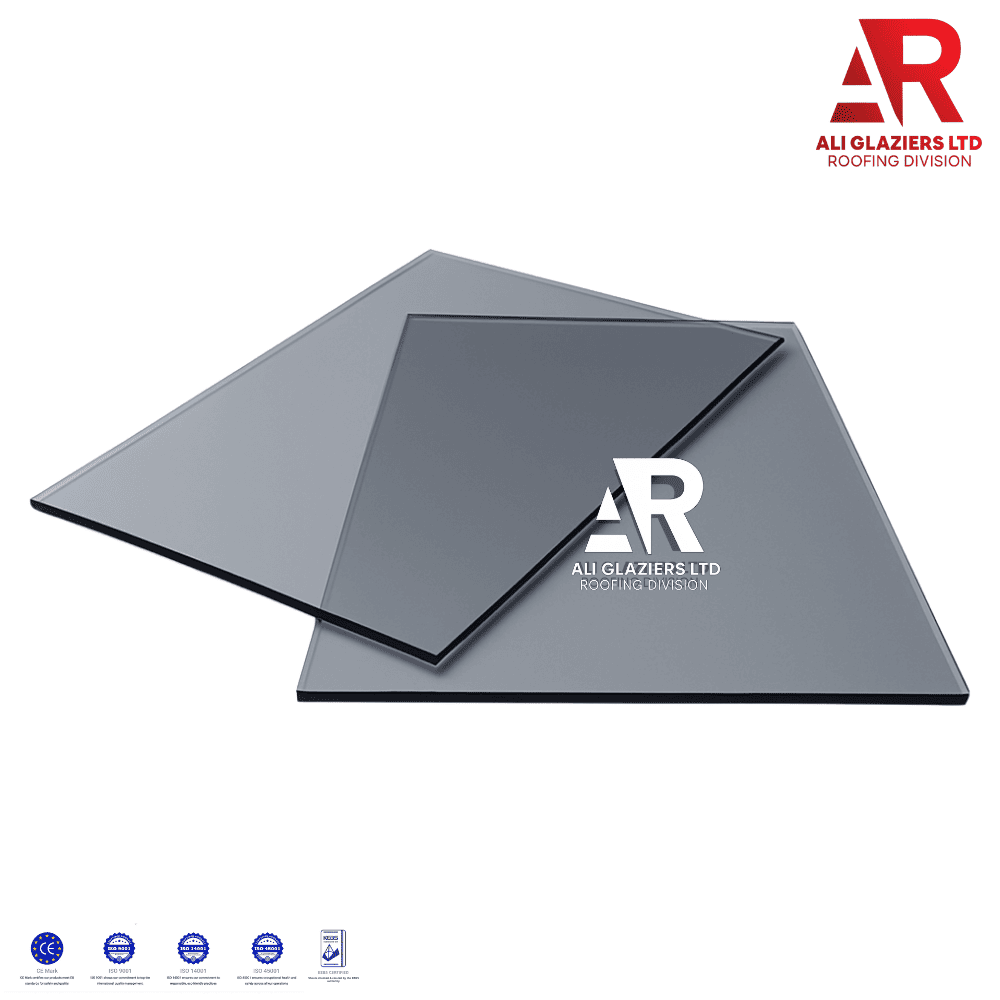
GREY SOLID POLYCARBONATE SHEETS
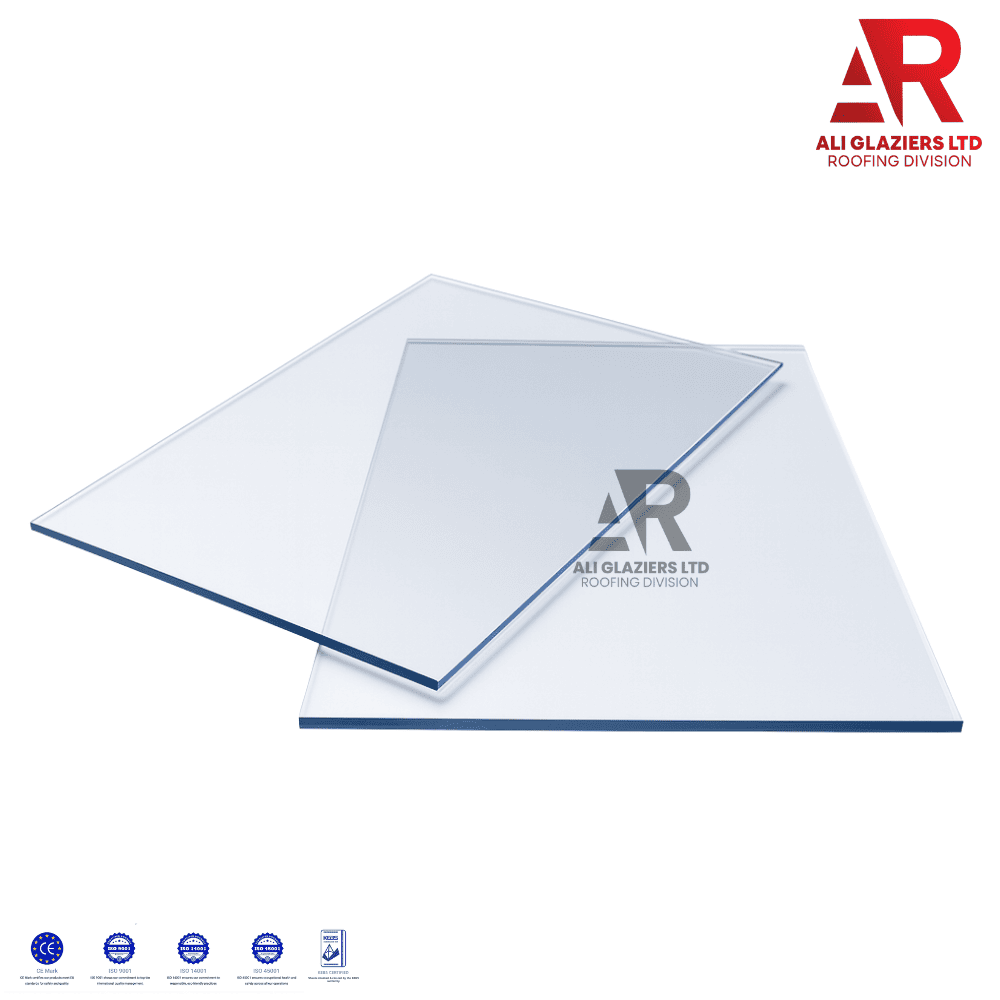
CLEAR SOLID POLYCARBONATE SHEETS
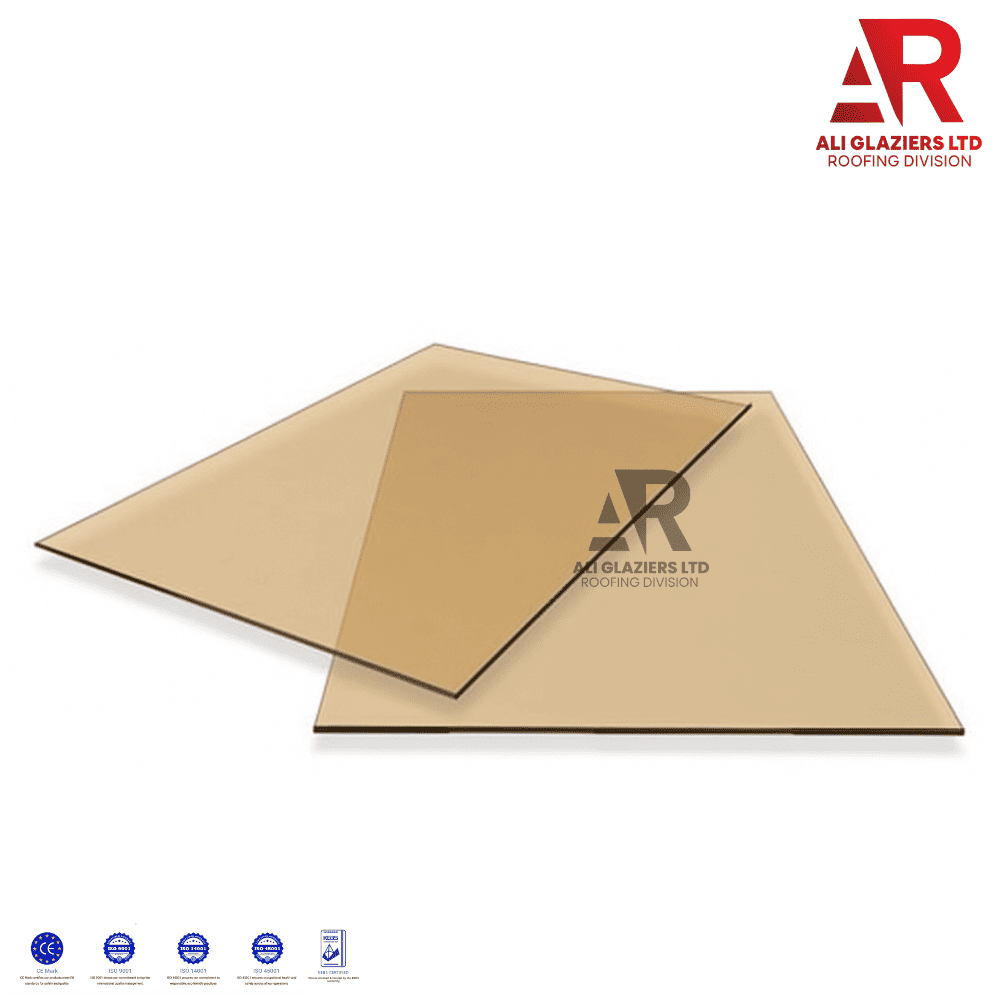
BRONZE SOLID POLYCARBONATE SHEETS
This guide provides a complete step-by-step roofing installation process in Kenya, focusing on modern systems such as polycarbonate roofing, metal roofing (mabati), and skylight installations. It is designed for architects, contractors, developers, and homeowners who want long-lasting roofing solutions.
Understanding Roofing Systems Used in Kenya
1. Polycarbonate Roofing Systems
Polycarbonate roofing is widely used in modern Kenyan architecture due to its strength, clarity, and UV resistance.
It is commonly used for:
- Skylights
- Pergolas
- Walkways
- Greenhouses
- Modern patios
Explore materials here:
Polycarbonate roofing sheets in Kenya
2. Metal Roofing (Mabati Systems)
Mabati remains the most common roofing material in Kenya due to affordability. However, correct installation is essential to avoid rusting, heat buildup, and noise during rainfall.
3. Skylight Roofing Systems
Skylights are becoming popular in malls, offices, and residential homes to enhance natural lighting and reduce electricity costs.
Learn more about professional roofing solutions:
Ali Glaziers Roofing Division overview
Step-by-Step Roofing Installation Guide in Kenya
Step 1: Structural Inspection and Planning
Before installation begins, a structural assessment is required to ensure the building can support the roofing system.
Key factors include:
- Load-bearing capacity
- Roof slope and drainage
- Wind exposure (especially in coastal regions like Mombasa)
- Material compatibility
Proper planning prevents future structural failures.
Step 2: Selecting the Right Roofing Material
Choosing the right material depends on location, budget, and architectural design.
For modern transparent roofing solutions, polycarbonate is the leading option in Kenya.
Recommended Products:
- Egyptian clear solid polycarbonate sheets
- Bronze extra clear polycarbonate sheets
- Solid color polycarbonate sheets
- Egyptian solid polycarbonate sheets
For full selection:
Browse all roofing sheets in Kenya
Step 3: Designing the Roof Framework
The roofing framework is the structural backbone of the entire system.
Common frameworks in Kenya include:
- Steel trusses (most common)
- Aluminum frames (ideal for lightweight roofing)
- Timber structures (traditional homes)
Important considerations:
- Correct spacing between supports
- Proper slope for water drainage
- Reinforced joints for wind resistance
Step 4: Measuring and Preparing Materials
Precision is critical in roofing installation.
Best practices:
- Measure twice before cutting
- Allow for thermal expansion (especially for polycarbonate)
- Use proper cutting tools to avoid damaging coatings
Incorrect measurements can lead to leaks and structural failure.
Step 5: Installing Roofing Sheets
Polycarbonate Installation Process:
- Position sheets with UV-coated side facing outward
- Align with structural supports
- Drill slightly oversized holes for expansion
- Use rubber washers to prevent leakage
- Avoid overtightening screws
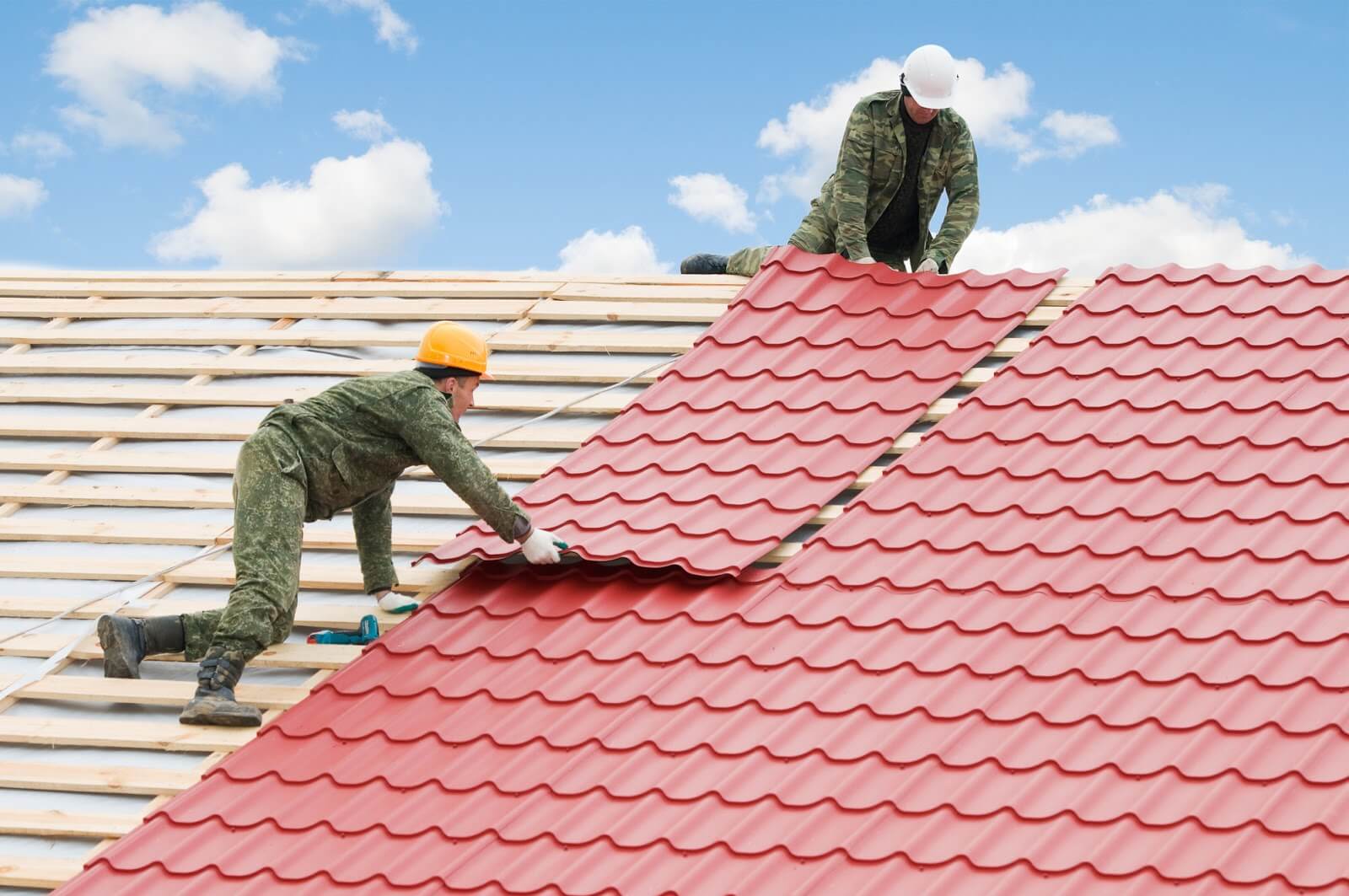
Metal Roofing Installation:
- Start from the lower edge
- Overlap sheets properly
- Secure using self-tapping screws
- Ensure alignment for water runoff
Step 6: Waterproofing and Sealing
Waterproofing is essential in Kenya due to heavy seasonal rains.
Key steps:
- Seal overlaps with waterproof tape
- Apply silicone sealant on joints
- Install flashing on roof edges
- Ensure proper gutter alignment
This is especially critical in Kisumu, Kakamega, and coastal regions.
Step 7: Drainage System Installation
Proper drainage prevents water damage and structural weakening.
Systems include:
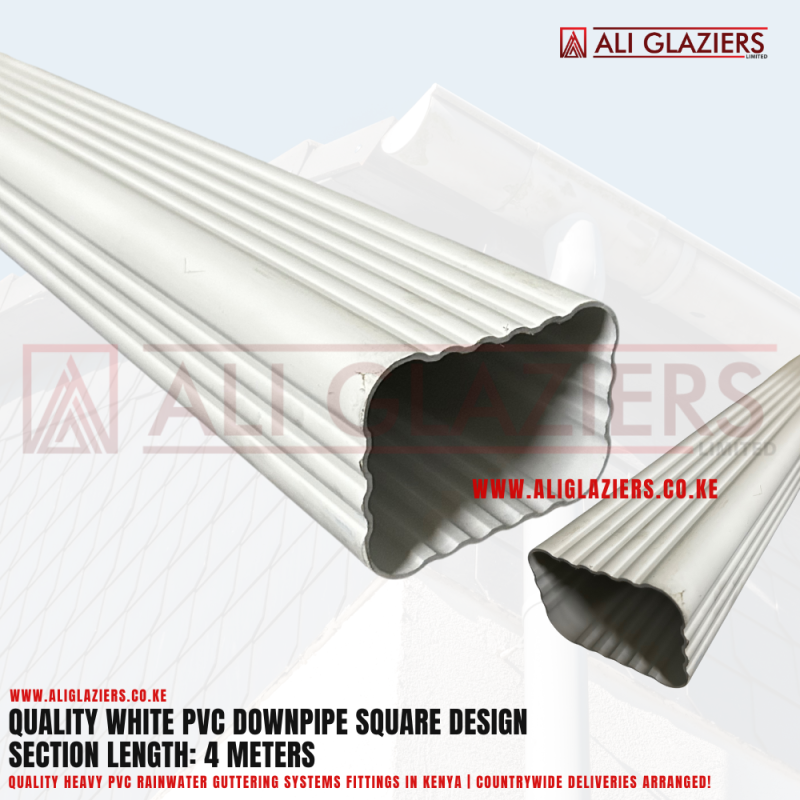
- Gutters
- Downpipes
- Water channels
In Nairobi commercial buildings, concealed drainage systems are often used for aesthetics.
Step 8: Final Inspection
Before project completion:
- Check all fasteners
- Inspect sealing points
- Test drainage flow
- Confirm structural alignment
A properly installed roof should withstand heavy rain, strong winds, and UV exposure.
Common Roofing Installation Mistakes in Kenya
- Ignoring thermal expansion gaps
- Over-tightening screws
- Poor waterproofing practices
- Using low-quality materials
- Incorrect roof slope design
Avoiding these mistakes significantly improves roof lifespan.
Benefits of Professional Roofing Installation
- Longer roof lifespan (20+ years)
- Reduced maintenance costs
- Improved energy efficiency
- Better structural safety
- Enhanced aesthetic appeal
Roofing Comparison in Kenya
| FeaturePolycarbonate RoofingMabati RoofingGlass Roofing | |||
| Strength | Extremely high | Medium | Low |
| Weight | Lightweight | Medium | Heavy |
| UV Protection | Excellent | Poor | Moderate |
| Maintenance | Low | Medium | High |
| Lifespan | 20–30 years | 10–20 years | 10–15 years |
Why Choose Ali Glaziers Roofing Division
Ali Glaziers is a trusted supplier of modern roofing solutions in Kenya offering:
- Premium UV-stabilized materials
- Nationwide delivery
- Expert technical guidance
- Wide range of roofing products
Learn more:
Frequently Asked Questions (FAQs)
What is the best roofing material in Kenya?
Polycarbonate roofing is among the best due to its durability, UV protection, and modern design.
How long does roofing installation take?
It can take 1 day to several weeks depending on project size.
Is polycarbonate better than mabati?
Yes, it offers better durability, aesthetics, and light transmission.
Can polycarbonate roofing handle Kenyan weather?
Yes, it is designed for UV exposure, rain, and temperature changes.
Where can I buy roofing materials in Kenya?
From Ali Glaziers Roofing Division online or at their Nairobi branch.
Call to Action
Upgrade Your Roofing Project Today with Industry-Leading Materials Designed for Kenyan Conditions
Whether you are constructing a modern residential home, a commercial complex, or an industrial facility, choosing the right roofing material determines long-term durability, safety, and performance—especially under Kenya’s intense equatorial climate.
At Ali Glaziers Roofing Division, we provide premium-grade, UV-stabilized, and impact-resistant roofing solutions engineered for Kenyan weather conditions—from the hot coastal regions of Mombasa to the highland climates of Nairobi, Nakuru, Eldoret, and beyond.
Virtually indestructible roofing (200x stronger than glass)
UV-stabilized materials to prevent yellowing, fading, and heat damage
Countrywide delivery across Nairobi, Mombasa, Kisumu, Nakuru, Eldoret & all regions in Kenya
Visit Our Physical Location
End of Funzi Road, Industrial Area – Ali Glaziers LTD Building, Nairobi
Contact Us
Call/WhatsApp: +254 (0) 716 259 682 | +254 (0) 722 522 452
Email: info@aliglaziers.com
Shop Premium Roofing Materials Online
Shop Roofing Materials in Kenya