Planning a roof replacement? Get a detailed breakdown of roofing material costs in Kenya for 2026 and learn how to budget for your next roofing project.
Understanding roofing material costs is one of the most important steps when planning a roof replacement or new construction project. Whether you are building a residential home in Nairobi, upgrading a commercial building in Mombasa, or managing an industrial warehouse in Eldoret, your roofing budget will significantly influence the materials you choose and the overall quality of your structure.
In 2026, roofing material costs in Kenya continue to be shaped by several factors including inflation, import duties, material technology advancements, and rising demand for durable, energy-efficient roofing systems. From traditional mabati (corrugated iron sheets) to modern polycarbonate roofing solutions, prices vary widely depending on quality, durability, and application.
For homeowners, architects, developers, and contractors, having a clear understanding of the cost of roofing helps prevent budget overruns and ensures the right balance between affordability and long-term performance.
Shop Clear Mabati Sheets
View all Clear Mabati Sheets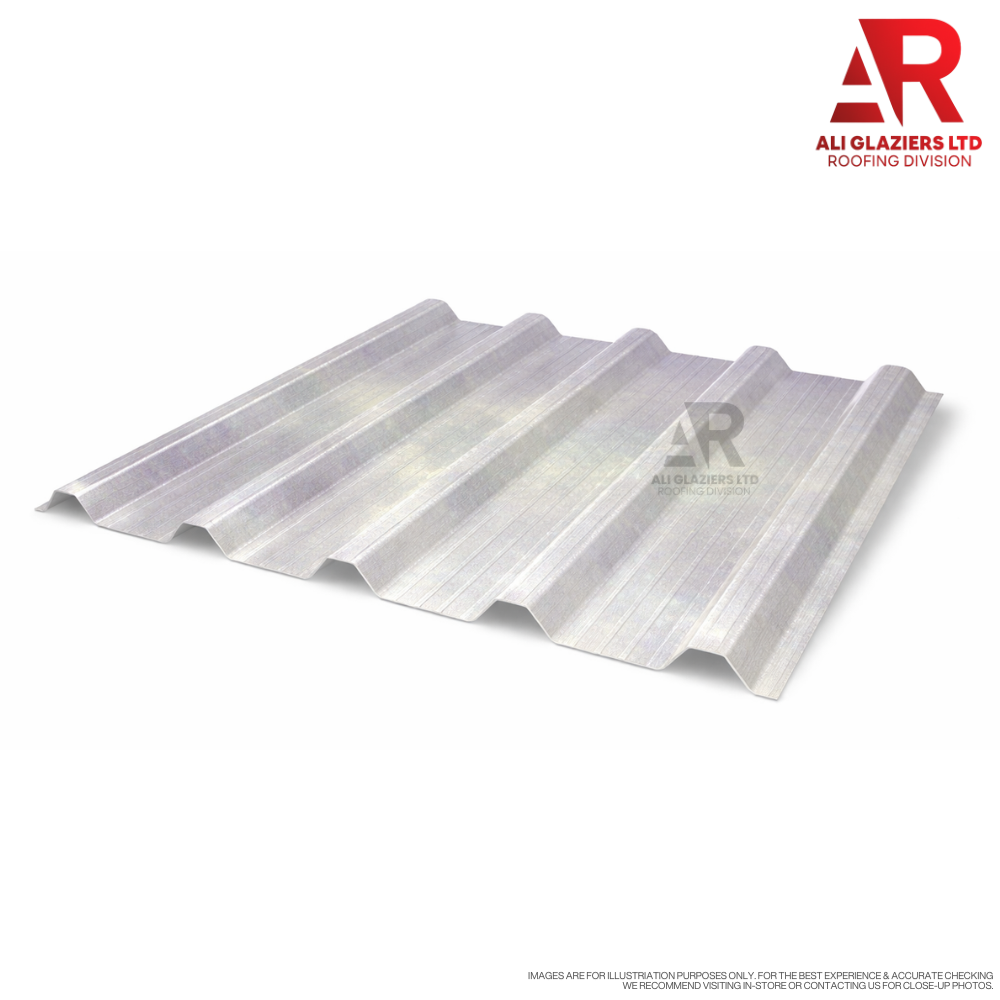
At Ali Glaziers Roofing Division, we provide high-quality roofing materials designed to meet Kenya’s diverse climate conditions while offering long-term value. This guide breaks down roofing material costs, explains what influences pricing, and helps you plan a realistic roof replacement budget in 2026.
Key Factors Affecting Roofing Material Costs in Kenya
1. Material Type
Different roofing materials come at different price points:
- Metal roofing sheets
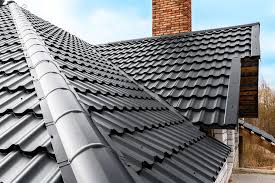
- Stone-coated tiles
- Polycarbonate roofing sheets
- Asphalt-based shingles
- Premium luxury roofing materials
Each category serves different structural and aesthetic needs.
2. Quality and Durability
Higher-quality materials cost more but offer:
- Longer lifespan
- Better weather resistance
- Reduced maintenance costs
For example, UV-stabilized roofing materials perform better under Kenya’s intense sunlight.
3. Import vs Local Manufacturing
Imported materials often cost more due to:
- Shipping fees
- Customs duties
- Currency fluctuations
Locally available materials are generally more affordable but may vary in quality.
4. Roof Design Complexity
A simple pitched roof costs less to install compared to:
- Flat roofs requiring waterproofing systems
- Complex architectural designs
- Multi-level roofing structures
5. Labor and Installation Costs
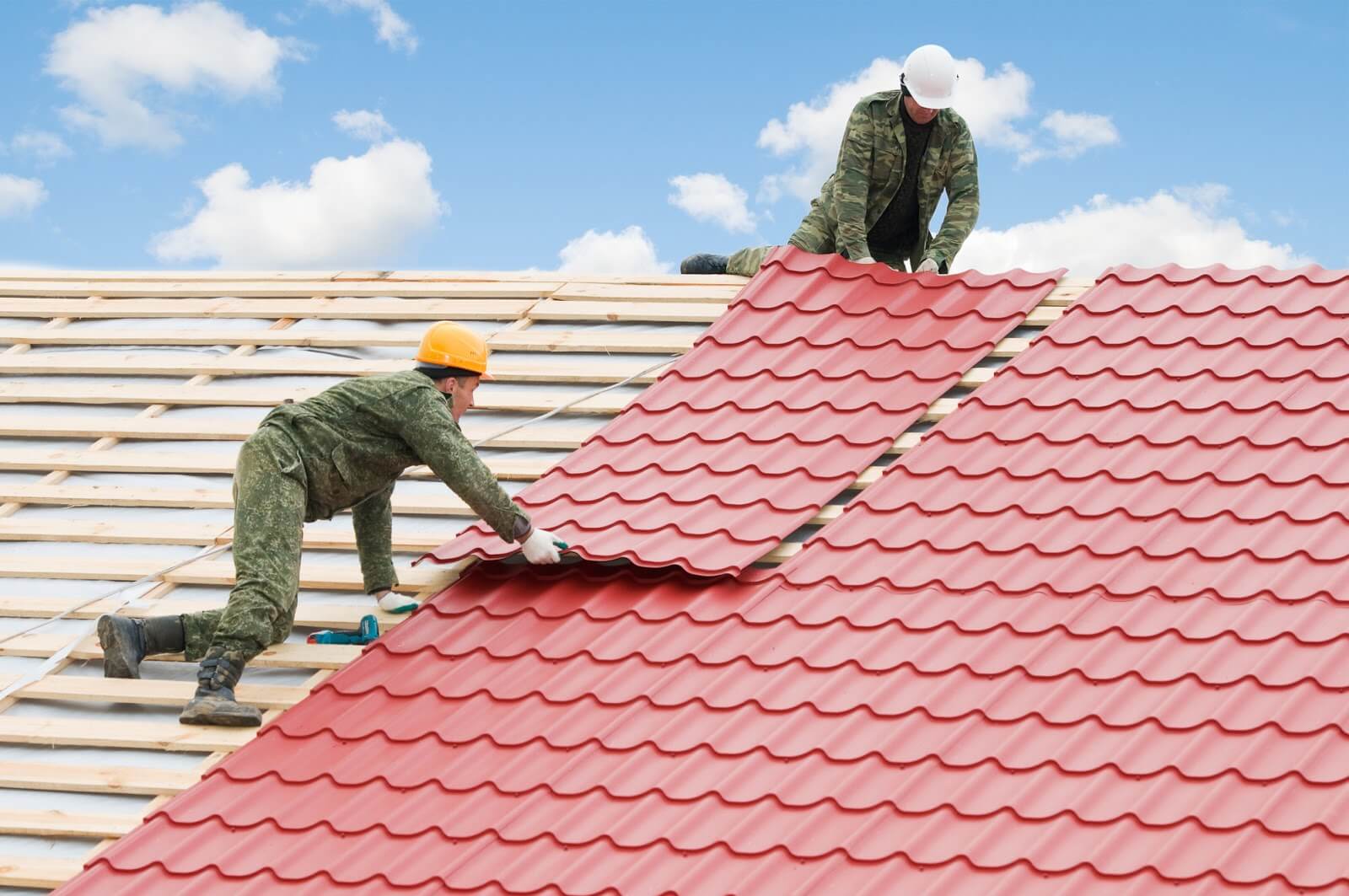
Professional installation ensures durability but adds to the overall roof replacement budget.
Roofing Material Cost Categories in Kenya (2026 Overview)
1. Budget Roofing Materials
These include basic options such as:
- Standard mabati sheets
- Low-cost corrugated iron sheets
They are commonly used in:
- Rural housing
- Temporary structures
- Budget residential projects
Pros:
- Affordable
- Easy to install
Cons:
- Shorter lifespan
- Prone to rust and heat absorption
2. Mid-Range Roofing Materials
These include:
- Painted metal sheets
- Stone-coated roofing tiles
- Basic polycarbonate sheets
They are popular in:
- Urban residential homes
- Small commercial buildings
Pros:
- Balanced durability and cost
- Improved aesthetics
Cons:
- Moderate maintenance required
3. Premium Roofing Materials
These include advanced systems such as:
- UV-stabilized polycarbonate roofing
- Luxury composite roofing systems
- Architectural skylight solutions
Pros:
- High durability
- Modern aesthetics
- Excellent weather resistance
Cons:
- Higher upfront cost
Roofing Material Cost Comparison Table (Kenya 2026)
| Roofing TypeCost LevelLifespanBest Use Case | |||
| Mabati (Iron Sheets) | Low | 10–15 years | Basic housing |
| Stone-Coated Tiles | Medium | 20–30 years | Residential homes |
| Asphalt Shingles | Medium | 20–30 years | Modern homes |
| Polycarbonate Sheets | Medium–High | 15–25 years | Skylights, patios |
| Luxury Roofing Systems | High | 30–100 years | High-end developments |
Roof Replacement Budget: What You Should Expect
When planning a roof replacement in Kenya, your total budget typically includes:
1. Material Costs
This is the largest portion of the budget and depends on roofing type.
2. Labor Costs
Installation charges vary depending on:
- Roof complexity
- Location (Nairobi vs rural areas)
- Contractor experience
3. Structural Adjustments
Older buildings may require:
- Reinforcement
- Timber replacement
- Steel framework upgrades
4. Accessories and Add-ons
These include:
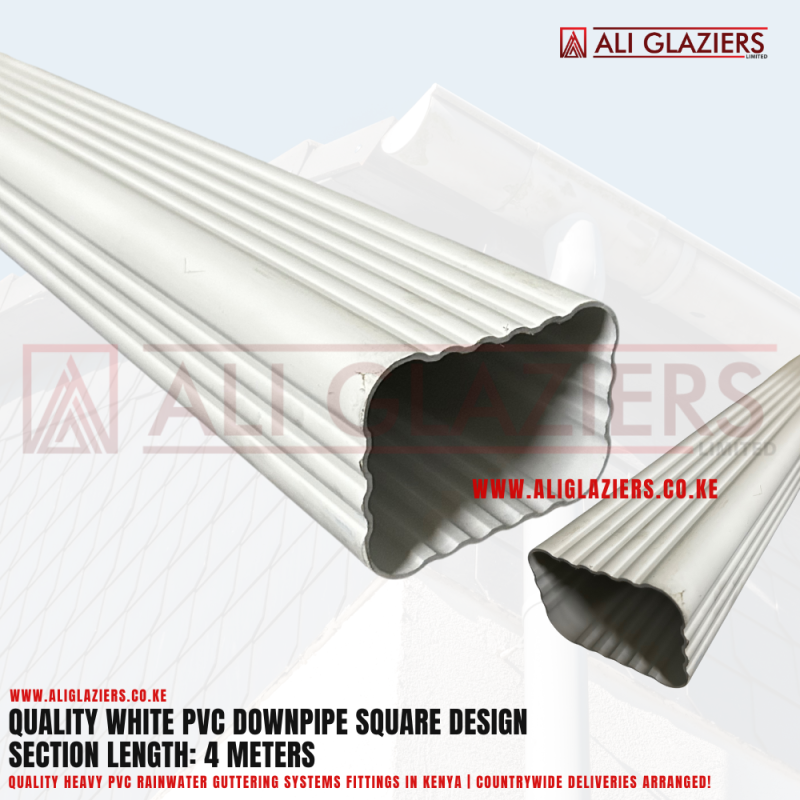
- Gutters
- Flashings
- Ridge caps
- Sealants
Roofing Material Trends in Kenya for 2026
1. Shift Toward Durable Materials
More homeowners are investing in long-lasting roofing solutions to reduce future replacement costs.
2. Rise of Transparent Roofing Systems
Polycarbonate roofing is becoming popular for:
- Skylights
- Patios
- Modern architectural designs
3. Energy-Efficient Roofing
Reflective and UV-resistant materials are gaining demand due to rising energy costs.
4. Hybrid Roofing Designs
Architects are combining materials such as:
- Metal + polycarbonate
- Tiles + skylight panels
How to Reduce Roofing Costs Without Compromising Quality
1. Choose Long-Lasting Materials
Investing in durable materials reduces future replacement expenses.
2. Plan Proper Drainage
Good drainage prevents water damage and structural repairs.
3. Buy from Trusted Suppliers
Reliable suppliers ensure material quality and warranty support.
4. Consider Hybrid Roofing Systems
Combining materials can balance cost and performance.
Why Polycarbonate Roofing Is a Smart Investment
Polycarbonate roofing is becoming increasingly popular in Kenya due to:
- High impact resistance
- UV protection
- Lightweight structure
- Modern aesthetic appeal
It is especially ideal for skylights and architectural enhancements.
Common Mistakes in Roofing Budget Planning
1. Ignoring Installation Costs
Many homeowners focus only on material prices.
2. Choosing Cheap Materials
Low-cost materials often lead to higher long-term expenses.
3. Not Accounting for Repairs
Old structures may require hidden repairs.
4. Poor Material Selection
Using the wrong roofing type increases maintenance costs.
Frequently Asked Questions About Roofing Costs in Kenya
What is the cheapest roofing material in Kenya?
Mabati (corrugated iron sheets) is the most affordable option.
What is the most durable roofing material?
Stone-coated tiles and premium polycarbonate systems offer high durability.
How much does a roof replacement cost in Kenya?
Costs vary depending on material type, roof size, and labor requirements.
Is polycarbonate roofing expensive?
It is mid-to-high range but offers excellent long-term value.
What is the best roofing material for modern homes?
Stone-coated tiles and polycarbonate roofing systems are popular choices.
Conclusion
Roofing material costs in Kenya continue to evolve in 2026, influenced by material innovation, construction trends, and economic factors. Whether you are working on a small residential project or a large commercial development, understanding your roof replacement budget is essential for making informed decisions.
By selecting the right materials—whether budget-friendly mabati, mid-range tiles, or premium polycarbonate systems—you can achieve a balance between cost, durability, and aesthetics.
At Ali Glaziers Roofing Division, we provide roofing solutions tailored to Kenya’s diverse climate and construction needs, helping you build smarter, stronger, and more efficient structures.
Upgrade to Unbreakable Roofing with Ali Glaziers Today!
Whether you are an architect designing a modern mall, a contractor securing an industrial warehouse, or a homeowner upgrading your patio pergola, Ali Glaziers Roofing Division has the perfect solution for the Kenyan climate.
✔ Virtually Indestructible: Polycarbonate materials that are 200x stronger than glass. ✔ UV-Stabilized: Advanced technology to prevent yellowing and sun damage. ✔ Fast & Reliable Delivery: Countrywide, same-day, and next-day delivery options across Nairobi, Mombasa, Kisumu, Nakuru, Eldoret, and beyond.
Ready to transform your roof with modern, transparent solutions?
Visit Us: Funzi Road Branch: End of Funzi Road, Industrial Area – Ali Glaziers LTD Building, Nairobi.
Call/WhatsApp: +254 (0) 716 259 682 | +254 (0) 722 522 452
Email: info@aliglaziers.com
Shop Online: https://roofing.aliglaziers.com/shop/