Introduction: Roofing Materials Comparison in Kenya
The roofing materials comparison is essential for homeowners, contractors, and developers who want to make informed construction decisions. In Kenya’s diverse climate conditions—from the humid coastal regions of Mombasa to the cooler highlands of Nairobi and the dry northern regions—choosing the right roofing material directly impacts durability, maintenance costs, and long-term value.
This roofing materials comparison guide evaluates the most commonly used roofing systems based on cost, durability, and performance to help you choose the best solution for your project.
Key Factors in Roofing materials comparison
Before selecting a roofing system, it is important to evaluate several performance factors.
Shop Solid Polycarbonate Sheets
View all Solid Polycarbonate Sheets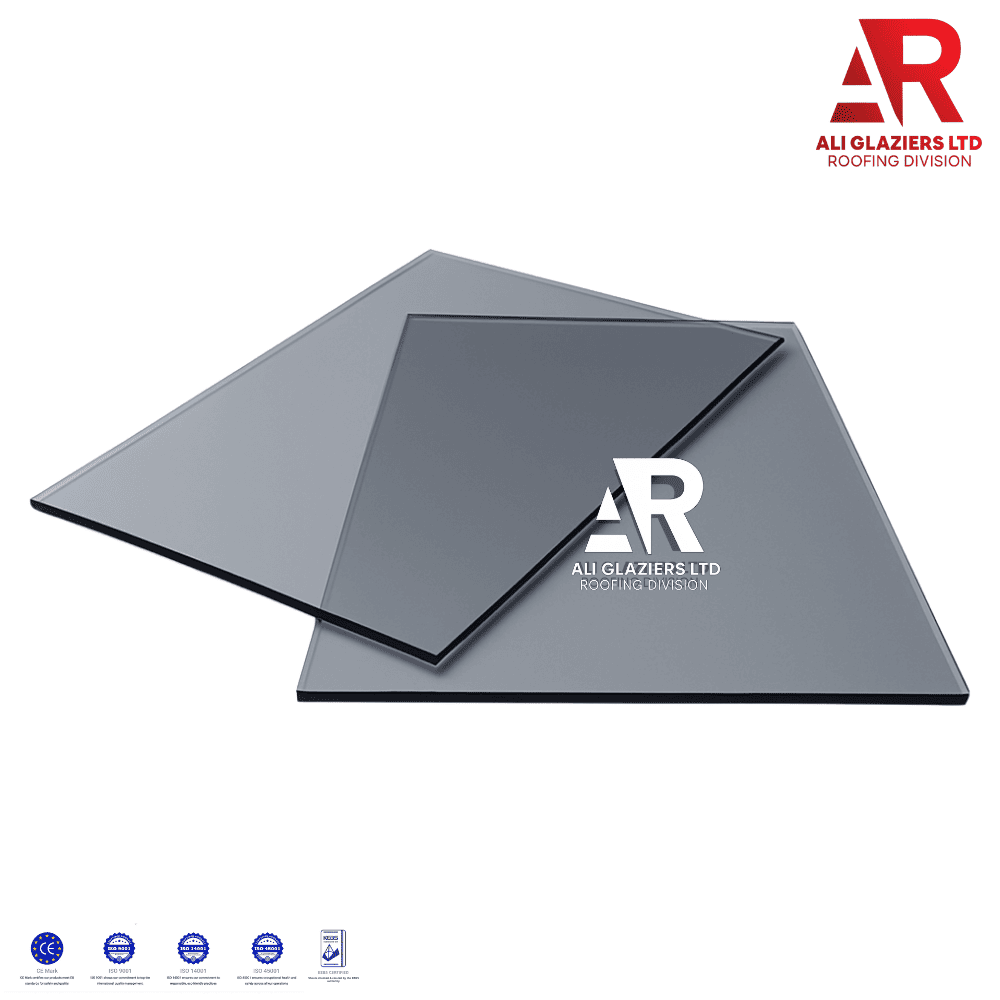
GREY SOLID POLYCARBONATE SHEETS
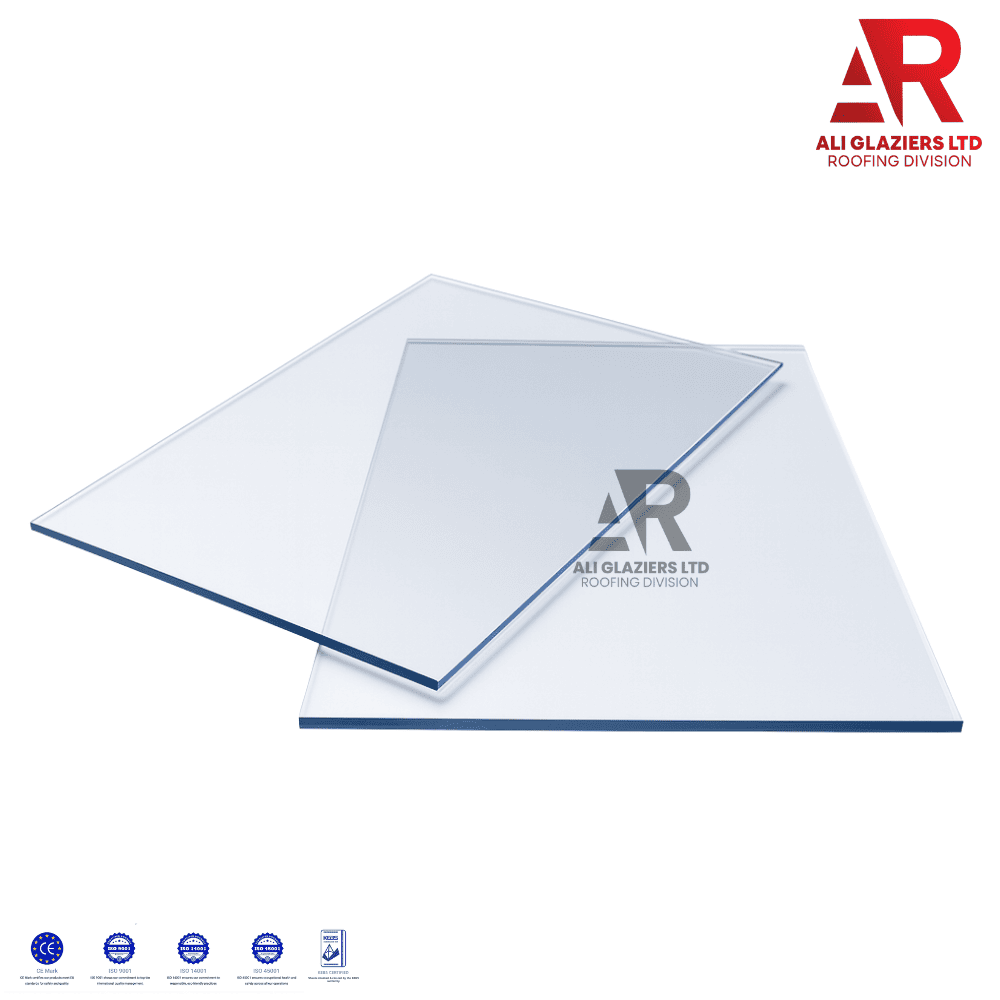
CLEAR SOLID POLYCARBONATE SHEETS
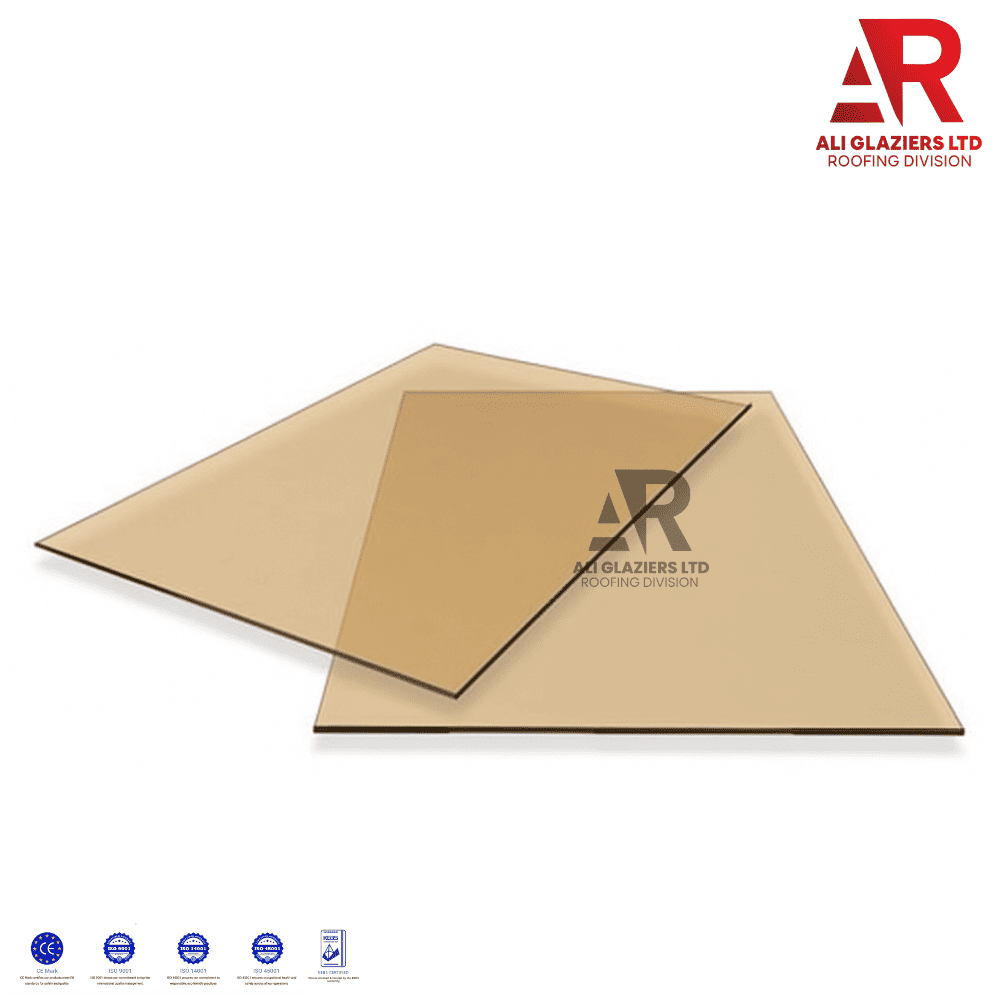
BRONZE SOLID POLYCARBONATE SHEETS
1. Cost of Installation
Initial material and labor costs vary widely across roofing types.
2. Durability and Lifespan
Some roofs last over 50 years, while others require replacement in 10–15 years.
3. Weather Resistance
Kenya’s rainfall, UV exposure, and humidity levels strongly affect roofing performance.
4. Maintenance Requirements
Some materials require frequent repairs, repainting, or anti-rust treatment.
Metal Roofing in Kenya
Metal roofing remains one of the most widely used solutions in Kenya.
Cost
Low to medium
Durability
10–25 years
Advantages
- Affordable and accessible
- Easy installation
- Lightweight structure
Disadvantages
- Can rust over time
- Noisy during rainfall
- Requires regular maintenance
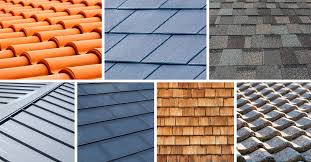
Concrete Roof Tiles
Concrete tiles are used in many modern residential developments.
Cost
High
Durability
30–50 years
Advantages
- Long lifespan
- Strong insulation
- Attractive finish
Disadvantages
- Heavy load on structure
- Higher installation cost
- Can crack under pressure
Clay Roof Tiles
Clay tiles are premium roofing materials with excellent durability.
Cost
Very high
Durability
40–60 years
Advantages
- Excellent lifespan
- Heat resistant
- Aesthetic appeal
Disadvantages
- Expensive
- Fragile during installation
Polycarbonate Roofing Sheets in Kenya
Modern construction increasingly includes polycarbonate systems.
Explore products:
Cost
Medium
Durability
20–30+ years
Advantages
- UV protection
- High impact resistance
- Lightweight
- Modern design applications
Disadvantages
- Requires proper installation
- Higher cost than mabati
Stone-Coated Metal Roofing
A hybrid roofing system combining durability and aesthetics.
Cost
High
Durability
30–50 years
Advantages
- Stylish appearance
- Strong durability
- Weather resistant
Disadvantages
- Expensive
- Skilled installation required
Cost vs Durability Comparison Table
| MaterialCostLifespanMaintenance | |||
| Mabati | Low | 10–25 yrs | High |
| Concrete Tiles | High | 30–50 yrs | Medium |
| Clay Tiles | Very High | 40–60 yrs | Low |
| Polycarbonate | Medium | 20–30+ yrs | Low |
| Stone-Coated Metal | High | 30–50 yrs | Low |
Climate Impact on Roofing in Kenya
Kenya’s climate plays a major role in roofing performance:
- Coastal corrosion affects metal roofs
- UV exposure weakens low-quality materials
- Heavy rainfall tests waterproofing systems
When to Choose Each Roofing Type
- Budget housing: Mabati
- Permanent homes: Concrete tiles
- Luxury buildings: Clay tiles
- Modern designs: Polycarbonate roofing
- High-end durability: Stone-coated roofing
Professional Roofing Support in Kenya
Proper installation ensures long-term performance.
Learn more:
Conclusion
This roofing materials comparison shows that no single roofing material fits all needs. The best choice depends on budget, climate, and long-term durability expectations.
While mabati remains the most affordable, modern solutions like polycarbonate and stone-coated roofing provide better long-term value and performance.
Call to Action
Get expert roofing solutions from Ali Glaziers Roofing Division.
End of Funzi Road, Industrial Area – Ali Glaziers LTD Building
+254 (0) 716 259 682 | +254 (0) 722 522 452