Wondering whether roofing nails or screws are better? This guide compares roofing nails vs screws in Kenya, covering pull-out strength, wind resistance, waterproofing, durability, and the best fastening option for different roofing projects.
Choosing the Right Roofing Fastener
A roofing sheet is only as secure as the fastener holding it in place. While homeowners often spend time comparing roofing materials such as corrugated mabati, box profile sheets, or stone-coated roofing tiles, the choice between roofing nails and screws is equally important.
For decades, these nails were the standard fixing method for residential and agricultural buildings across Kenya. Today, however, self-drilling roofing screws have become the preferred option for many contractors, architects, and developers because they offer superior holding power, better weather resistance, and easier maintenance.
If you're planning a roofing project, understanding the differences between these nails vs screws can help you avoid costly repairs caused by loose sheets, leaks, or wind damage.
Shop Tent Accessories
View all Tent Accessories
Before starting your installation, ensure you have quality Roofing Screws & Fasteners designed specifically for Kenyan roofing systems:
https://roofing.aliglaziers.com/product-category/roofing-accessories/roofing-screws-fasteners/
This guide compares these nails and screws based on pull-out strength, wind uplift resistance, waterproofing, installation, durability, and overall long-term value.
Understanding These nails
These nails are traditional fasteners used to secure roofing sheets to timber supports.
They are generally manufactured from galvanized steel to resist corrosion and feature a large flat head that helps distribute pressure across the roofing sheet.
These nails have been widely used for:
- Residential homes
- Farm buildings
- Sheds
- Temporary structures
- Low-cost roofing projects
Although they remain available, many modern roofing installations have shifted toward screw fasteners due to changing building standards and improved roofing technology.
Understanding Roofing Screws
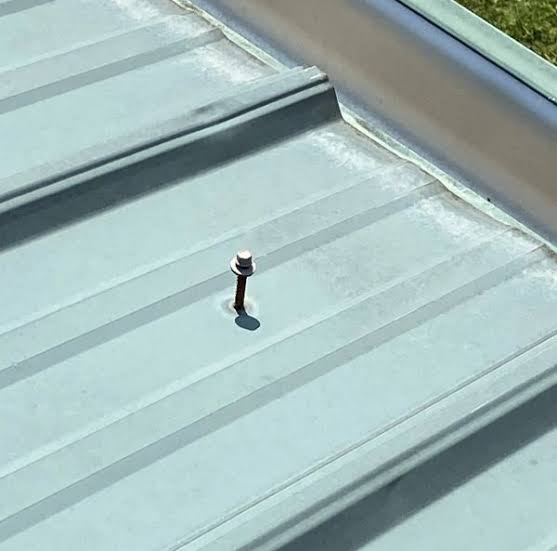
Roofing screws are specially engineered fasteners designed for roofing applications.
Unlike nails, roofing screws include:
- Deep threads for stronger grip
- Self-drilling tip
- Hexagonal drive head
- Corrosion-resistant coating
- EPDM sealing washer
These features provide a stronger mechanical connection while improving waterproofing around each fixing point.
Modern roofing screws are suitable for:
- Timber roof structures
- Steel purlins
- Commercial roofing
- Residential homes
- Industrial buildings
These nails vs Screws: Quick Comparison
| FeatureThese nailsRoofing Screws | ||
| Holding strength | Moderate | Excellent |
| Wind resistance | Fair | Excellent |
| Leak protection | Moderate | Excellent with EPDM washers |
| Installation speed | Fast | Fast with power tools |
| Maintenance | More difficult | Easy to remove and replace |
| Long-term durability | Good | Excellent |
| Corrosion protection | Depends on coating | Superior coated options available |
| Suitable for modern roofing | Limited | Highly recommended |
Pull-Out Strength: Why It Matters
One of the biggest differences between these nails and screws is pull-out strength.
Pull-out strength refers to the amount of force required to remove the fastener from the supporting structure.
These nails
These nails rely primarily on friction between the smooth shank and the timber.
As timber expands and contracts over time due to moisture and temperature changes, nails can gradually loosen.
Repeated wind movement may also cause nails to "work" themselves upward over the years.
Roofing Screws
Roofing screws use deep threads that bite into timber or steel.
Instead of relying on friction alone, screws create a mechanical grip that significantly increases resistance to pull-out forces.
This stronger connection is one of the main reasons roofing screws are preferred for modern roofing installations.
Performance During High Winds
Kenya experiences strong winds in many regions, particularly:
- Nairobi during storm seasons
- Rift Valley escarpments
- Coastal counties
- Open agricultural areas
- Elevated terrain
High winds generate uplift forces that attempt to lift roofing sheets away from the roof structure.
The stronger the fastener, the better the roof can resist these forces.
These nails in High Winds
During repeated wind loading:
- Nails may gradually loosen.
- Roofing sheets can begin vibrating.
- Small movements enlarge fixing holes.
- Water penetration becomes more likely.
Roofing Screws in High Winds
Roofing screws provide superior resistance because:
- Threads lock firmly into the structure.
- EPDM washers maintain waterproof seals.
- Reduced movement minimizes sheet vibration.
- Better clamping pressure keeps roofing sheets secure.
For buildings located in exposed locations, screws provide greater confidence during storms.
Waterproofing Performance
Every penetration through a roofing sheet represents a potential leak point.
The quality of the seal around each fastener therefore plays a critical role.
These nails
Traditional these nails generally rely on the head pressing tightly against the roofing sheet.
Without a dedicated sealing washer, water may gradually penetrate around the fixing point if movement occurs.
Some these nails include caps or sealing accessories, but these typically do not provide the same long-term sealing performance as bonded EPDM washers.
Roofing Screws
Modern roofing screws include bonded EPDM washers specifically designed for roofing.
The washer compresses gently against the roofing sheet, creating a flexible waterproof seal that resists:
- Heavy rainfall
- UV exposure
- Heat
- Temperature changes
- Wind-driven rain
This significantly reduces the risk of roof leaks over time.
Which Fastener Lasts Longer?
Roof longevity depends on both the roofing material and the fasteners used.
These nails can provide many years of service when properly installed.
However, repeated thermal movement and wind vibration may gradually reduce their holding ability.
Roofing screws generally provide longer-lasting performance because:
- They maintain stronger grip.
- They resist loosening.
- They include durable sealing washers.
- Many feature advanced corrosion-resistant coatings.
When combined with proper installation, roofing screws often require less maintenance over the life of the roof.
Installation Comparison
Both these nails and screws can be installed quickly by experienced roofing contractors.
However, each method has different advantages.
Installing These nails
Advantages:
- Simple tools required
- Low material cost
- Familiar to many installers
Disadvantages:
- Greater risk of inconsistent driving depth
- Difficult to remove during repairs
- Less forgiving if incorrectly installed
Installing Roofing Screws
Advantages:
- Fast installation using cordless drills
- Consistent tightening
- Easy replacement
- Stronger fixing
- Better sealing
The key is applying the correct tightening torque.
Over-tightening can damage the EPDM washer, while under-tightening reduces waterproof performance.
Roofing Profiles and Fastener Selection
Different roofing profiles may have different fastening requirements.
Corrugated Roofing Sheets
Corrugated roofing remains one of Kenya's most popular roofing solutions because of its affordability and versatility.
Ali Glaziers supplies premium Corrugated Roofing Sheets suitable for residential, agricultural, and commercial projects.
https://roofing.aliglaziers.com/product-category/roofing-sheets/corrugated-roofing-sheets/
Most modern corrugated roofing installations benefit from self-drilling roofing screws fitted with EPDM washers for improved weather protection.
Box Profile Roofing Sheets
Box profile roofing has become increasingly popular because of its modern appearance and structural strength.
Browse our premium Box Profile Mabati Sheets designed for homes, warehouses, factories, and commercial developments.
https://roofing.aliglaziers.com/product-category/roofing-sheets/box-profile-roofing-sheets/
Because box profile sheets experience significant wind loading across their wider ribs, roofing screws generally provide stronger long-term performance than traditional nails.
Cost Comparison
Many homeowners initially choose these nails because they appear less expensive.
However, material cost is only one part of the overall roofing investment.
Factors to consider include:
- Installation time
- Maintenance costs
- Leak repairs
- Roof lifespan
- Wind damage risk
- Future replacement costs
While roofing screws may have a slightly higher upfront cost, they often reduce long-term maintenance expenses by providing a more secure and weather-resistant roof.
Common Mistakes When Choosing Roofing Fasteners
Avoid these common roofing errors:
Choosing Based Only on Price
The cheapest fastener is not always the most economical over the roof's lifetime.
Mixing Different Fastener Types
Using nails and screws together without a planned fastening system can lead to inconsistent performance.
Ignoring Manufacturer Recommendations
Always follow the roofing sheet manufacturer's installation guidelines.
Using Ordinary Construction Screws
General-purpose screws are not suitable for roofing because they lack weather-resistant sealing washers and corrosion protection.
Stone-Coated Roofing Tiles: Which Fastener Works Best?
Stone-coated roofing tiles combine the strength of steel with the beauty of traditional roofing tiles. Because these roofing systems have unique installation methods, they require compatible fasteners that provide secure fixing without compromising the protective coatings.
If you're planning a premium roofing project, explore our range of Stone Coated Roofing Tiles designed for Kenya's residential and commercial buildings.
https://roofing.aliglaziers.com/product-category/stone-coated-roofing-tiles/
Always use the fastening system recommended by the roofing manufacturer to maintain product performance and warranty coverage.
Fastening Polycarbonate Roofing Sheets
Polycarbonate roofing sheets are widely used for:
- Pergolas
- Carports
- Skylights
- Walkways
- Greenhouses
- Commercial canopies
Unlike metal roofing sheets, polycarbonate expands and contracts more significantly with changes in temperature.
Our premium Polycarbonate Roofing Sheets are engineered for strength, UV protection, and long-term performance.
https://roofing.aliglaziers.com/product-category/polycarbonate-roofing-sheets/
When installing polycarbonate roofing:
- Use roofing screws with compatible sealing washers.
- Do not over-tighten the fasteners.
- Allow sufficient clearance for thermal expansion.
- Follow the recommended fixing pattern.
Correct installation prevents cracking, water leaks, and premature sheet failure.
Corrosion Resistance: An Important Consideration
Kenya's climate varies significantly from region to region, making corrosion resistance an important factor when selecting roofing fasteners.
Coastal Kenya
Areas such as Mombasa, Kilifi, Malindi, and Diani experience:
- High humidity
- Salt-laden air
- Intense UV exposure
These conditions accelerate corrosion, making premium coated roofing screws a better long-term investment than standard these nails.
Inland Regions
Cities including Nairobi, Nakuru, Eldoret, and Kisumu experience seasonal rainfall and daily temperature changes.
Quality roofing screws with corrosion-resistant coatings continue to provide excellent performance while maintaining a strong mechanical grip over time.
These nails vs Screws for Different Building Types
The ideal fastening solution often depends on the type of building being constructed.
| Building TypeRecommended Fastener | |
| Residential homes | Self-drilling roofing screws |
| Commercial buildings | Self-drilling roofing screws |
| Industrial warehouses | Self-drilling roofing screws |
| Agricultural buildings | Roofing screws for long-term durability |
| Temporary structures | These nails or screws, depending on project requirements |
| Polycarbonate roofing | Roofing screws with sealing washers |
| Stone-coated roofing | Manufacturer-approved roofing fasteners |
While these nails still have applications in certain projects, roofing screws have become the preferred option for most permanent roofing installations because of their superior holding strength and weather resistance.
Why Contractors Prefer Roofing Screws
Across Kenya, many professional roofing contractors have transitioned from traditional nails to self-drilling roofing screws.
Some of the reasons include:
- Faster installation using cordless drills
- Better pull-out resistance
- Improved waterproof sealing
- Reduced maintenance
- Easier replacement during future renovations
- Better performance in windy conditions
For projects where durability is a priority, roofing screws are widely regarded as the more reliable option.
Common Roofing Fastener Mistakes
Even high-quality roofing screws can fail if they are installed incorrectly.
Over-Tightening Screws
Applying excessive force can:
- Crush the EPDM washer
- Damage the roofing sheet
- Reduce waterproof performance
Under-Tightening Screws
Loose screws may allow:
- Water penetration
- Roofing sheet movement
- Wind vibration
- Reduced structural stability
Incorrect Screw Placement
Fasteners should always be installed according to the roofing profile manufacturer's recommendations.
Incorrect placement increases the risk of leaks and premature roof failure.
Using Poor-Quality Fasteners
Cheap roofing screws often lack durable coatings and high-quality EPDM washers.
Investing in premium roofing fasteners helps reduce maintenance costs and extends the lifespan of the entire roofing system.
Professional Roofing Advice
A strong roof depends on much more than quality roofing sheets.
Every roofing system should include:
- Premium roofing sheets
- High-quality roofing screws
- EPDM sealing washers
- Proper screw spacing
- Correct installation torque
- Professional workmanship
For the best results, always purchase roofing sheets and fasteners from a trusted supplier that can recommend compatible products for your specific project.
Ali Glaziers Roofing Division supplies complete roofing systems, accessories, and expert guidance for homeowners, contractors, architects, and developers throughout Kenya.
Frequently Asked Questions About These nails vs Screws
Are roofing screws stronger than these nails?
Yes. Roofing screws generally provide greater pull-out strength because their threaded design grips timber or steel more securely than smooth-shank nails.
Which fastener performs better during strong winds?
Roofing screws usually perform better because they resist loosening and provide greater resistance to wind uplift.
Do roofing screws help prevent leaks?
Yes. Roofing screws fitted with bonded EPDM washers create a weatherproof seal around each fixing point, reducing the likelihood of water penetration.
Can I replace these nails with screws?
In many cases, yes. During roof repairs or upgrades, contractors often replace old these nails with compatible roofing screws to improve holding strength and waterproofing.
Are these nails still used in Kenya?
Yes. These nails are still used for some residential, agricultural, and temporary structures. However, self-drilling roofing screws are increasingly preferred for modern roofing installations.
Does Ali Glaziers supply roofing fasteners?
Yes. Ali Glaziers Roofing Division supplies premium roofing screws, roofing accessories, roofing sheets, stone-coated roofing systems, and polycarbonate roofing products for projects across Kenya.
Conclusion: Which Roofing Fastener Is Better?
When comparing these nails vs screws, both fastening methods have their place, but modern roofing screws offer clear advantages for most permanent roofing projects.
Their superior pull-out strength, excellent wind resistance, durable EPDM sealing washers, and ease of maintenance make them the preferred choice for residential, commercial, and industrial buildings throughout Kenya.
While these nails remain suitable for certain low-cost or temporary applications, investing in premium self-drilling roofing screws helps reduce the risk of leaks, minimizes maintenance, and improves the long-term performance of your roof.
Whether you're installing corrugated roofing sheets, box profile mabati, stone-coated roofing tiles, or polycarbonate roofing, choosing the correct fastener is one of the smartest investments you can make in your roofing project.
Upgrade Your Roofing Project with Ali Glaziers Today!
Whether you're building a new home, renovating a commercial property, or specifying roofing materials for a large development, Ali Glaziers Roofing Division has the products and expertise to help you build with confidence.
Why Choose Ali Glaziers?
- Premium self-drilling roofing screws with durable EPDM washers
- Quality corrugated, box profile, stone-coated, and polycarbonate roofing solutions
- Expert product recommendations
- Competitive pricing
- Fast nationwide delivery across Nairobi, Mombasa, Kisumu, Nakuru, Eldoret, and beyond
Visit Us:
Funzi Road Branch, End of Funzi Road, Industrial Area – Ali Glaziers LTD Building, Nairobi
Call/WhatsApp:
+254 (0) 716 259 682 | +254 (0) 722 522 452
Email:
Shop Online: