Roofing Trends in Kenya: What’s New in 2026 (Industry Insights Guide)
Roofing trends in 2026 are evolving rapidly as homeowners, developers, and architects shift toward more durable, energy-efficient, and visually appealing roofing systems. With growing urbanization in cities like Nairobi, Mombasa, Kisumu, Nakuru, and Eldoret, roofing is no longer just about protection—it is now a key part of modern architectural design.
Today’s roofing trends focus on sustainability, smart materials, improved insulation, and long-lasting performance suited for Kenya’s diverse climate conditions.
This guide explores the top roofing trends in 2026 and what homeowners and builders should expect in the construction industry.
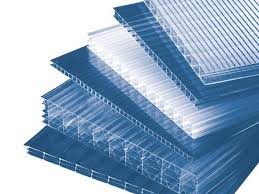
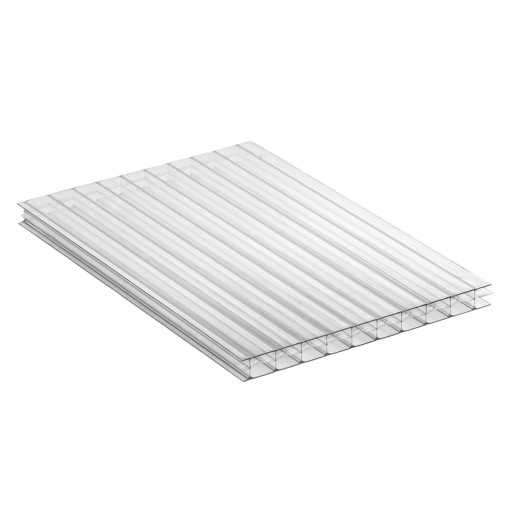
Shop Polycarbonate Sheets
View all Polycarbonate Sheets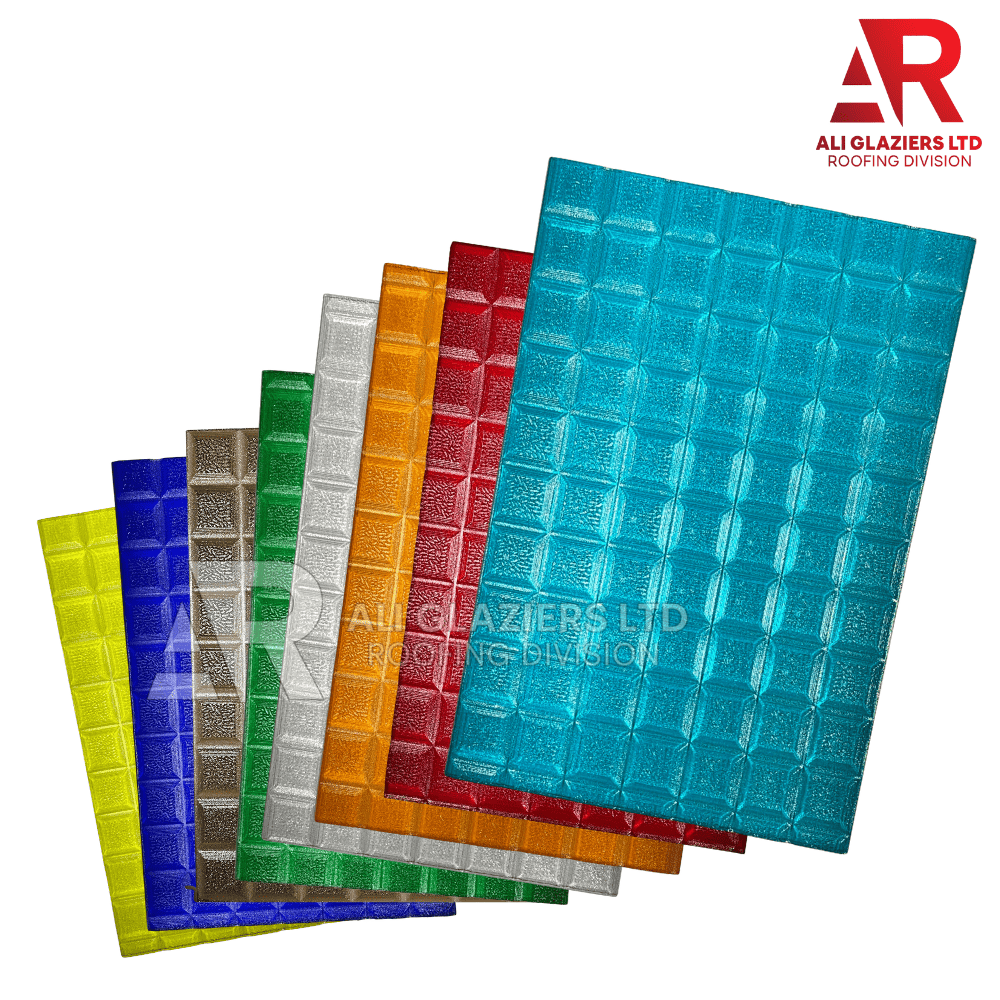
GRIDFLEX SOLID EMBOSSED POLYCARBONATE SHEETS
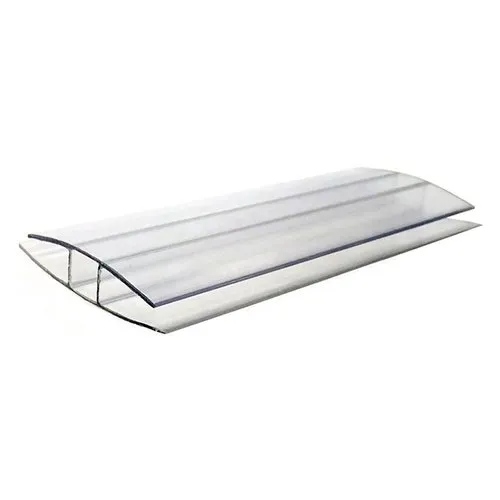
H-CONNECTOR FOR POLYCARBONATE SHEETS
Rise of Modern Roofing Materials
One of the biggest roofing trends in 2026 is the adoption of modern materials that outperform traditional options.
Popular Modern Materials
- Polycarbonate roofing sheets
- Stone-coated roofing tiles
- Advanced coated mabati
Why They Are Trending
- Longer lifespan
- Better heat resistance
- Improved aesthetics
- Lower maintenance costs
Polycarbonate roofing is especially gaining popularity in urban residential and commercial projects.
Increased Demand for Energy-Efficient Roofing
Energy efficiency is now a major consideration in roofing design.
Key Features of Energy-Efficient Roofing
- Heat-reflective coatings
- Natural lighting integration
- Improved ventilation systems
Benefits
- Reduced electricity bills
- Cooler indoor environments
- Improved sustainability
This trend is especially strong in hot regions like Mombasa and Garissa.
Growth of Transparent and Semi-Transparent Roofing
Transparent roofing solutions are becoming more common in modern Kenyan architecture.
Applications
- Skylights
- Patios and pergolas
- Commercial walkways
Benefits
- Natural lighting
- Modern aesthetic appeal
- Reduced energy usage
Polycarbonate sheets are leading this trend due to their strength and UV protection.
Smart Roof Design Integration
Smart architectural design is influencing roofing choices.
Features
- Multi-level roof structures
- Integrated skylight systems
- Water harvesting compatibility
Why It Matters
- Enhances building functionality
- Improves rainwater management
- Adds architectural uniqueness
Shift Toward Minimalist Roofing Designs
Minimalist architecture is becoming more popular in urban Kenya.
Characteristics
- Flat or low-slope roofs
- Clean and simple lines
- Hidden drainage systems
Benefits
- Modern appearance
- Easier maintenance
- Cost efficiency in some cases
This trend is especially visible in Nairobi’s modern estates.
Increased Focus on Weather-Resistant Roofing
Kenya’s diverse climate is driving demand for stronger roofing solutions.
Weather Challenges
- Heavy rainfall in western Kenya
- High heat in coastal and northern regions
- Strong winds in Rift Valley
Roofing Response
- Corrosion-resistant coatings
- Stronger structural support
- Improved waterproofing systems
Popular Roofing Styles in 2026
1. Flat Roof Designs
- Common in modern urban homes
- Suitable for rooftop use
2. Hip Roof Designs
- Strong and weather-resistant
- Widely used in residential housing
3. Butterfly Roof Designs
- Modern aesthetic
- Supports water harvesting
Sustainability in Roofing
Sustainability is a major construction trend in Kenya.
Sustainable Roofing Features
- Recyclable materials
- Energy-saving designs
- Long-lasting roofing systems
Benefits
- Reduced environmental impact
- Lower long-term costs
- Improved building efficiency
Growth of Hybrid Roofing Systems
Hybrid roofing systems combine multiple materials.
Examples
- Mabati + polycarbonate combinations
- Tile + skylight integration
- Mixed flat and sloped designs
Advantages
- Better functionality
- Improved aesthetics
- Flexible design options
Roofing Trends by Region in Kenya
Nairobi & Central Kenya
- Modern minimalist designs
- Polycarbonate skylights
- Flat roof architecture
Coastal Kenya (Mombasa, Malindi)
- Heat-resistant roofing materials
- Strong ventilation systems
Western Kenya (Kisumu, Kakamega)
- Heavy rainfall-resistant roofing
- Durable waterproof systems
Rift Valley (Nakuru, Eldoret)
- Wind-resistant roofing structures
- Balanced material use
Future of Roofing in Kenya
The future of roofing in Kenya is driven by innovation and sustainability.
Expected Developments
- More smart roofing systems
- Increased use of eco-friendly materials
- Advanced insulation technology
- Wider adoption of modern designs
Why Roofing Trends Matter
Understanding roofing trends helps:
- Improve property value
- Reduce long-term costs
- Enhance building efficiency
- Stay competitive in real estate markets
Why Choose Ali Glaziers Roofing Division
Ali Glaziers Roofing Division continues to supply high-quality, modern roofing materials that align with the latest roofing trends, ensuring durability, performance, and aesthetic appeal.
Contact Information
- Funzi Road Branch: End of Funzi Road, Industrial Area – Ali Glaziers LTD Building
- Call/WhatsApp: +254 (0) 716 259 682 | +254 (0) 722 522 452
- Email: info@aliglaziers.com
Conclusion
Roofing trends in 2026 are centered on modern materials, energy efficiency, sustainability, and innovative designs. Homeowners and developers are increasingly adopting smarter and more durable roofing systems that improve comfort, reduce costs, and enhance architectural beauty.
As the construction industry evolves, roofing will continue to play a central role in defining modern Kenyan buildings.