Sustainable roofing materials is becoming a major focus in Kenya’s building industry as homeowners, developers, and architects shift toward energy-efficient, environmentally responsible building practices. Roofing plays a central role in this transition because it directly affects indoor temperature regulation, energy consumption, and the overall environmental footprint of a building.
In Kenya’s diverse climate—ranging from hot coastal regions to cooler highland areas—choosing the right roofing material is essential not only for durability but also for sustainability. Modern eco-friendly roofing options help reduce heat absorption, improve natural lighting, and lower long-term energy costs.
This guide explores sustainable roofing options, their benefits, applications, and how they are shaping green construction across the country.
Shop Solid Polycarbonate Sheets
View all Solid Polycarbonate Sheets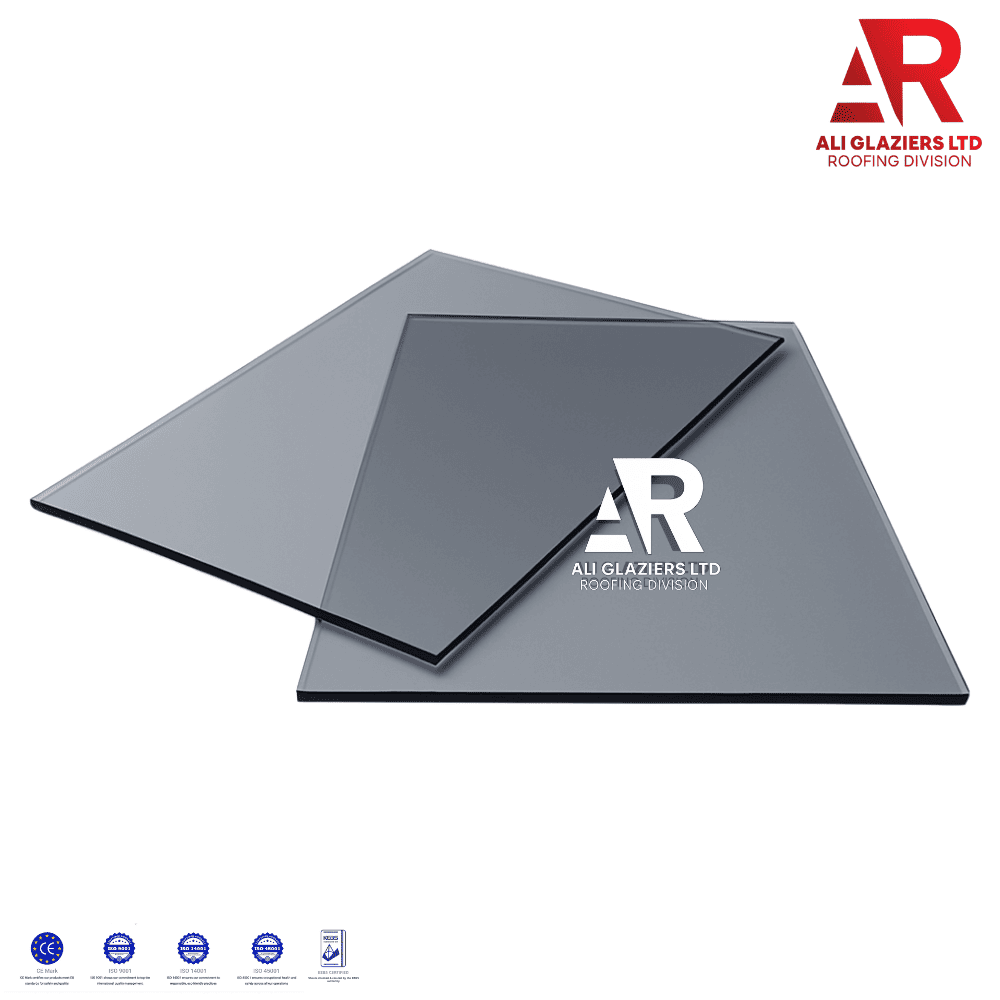
GREY SOLID POLYCARBONATE SHEETS
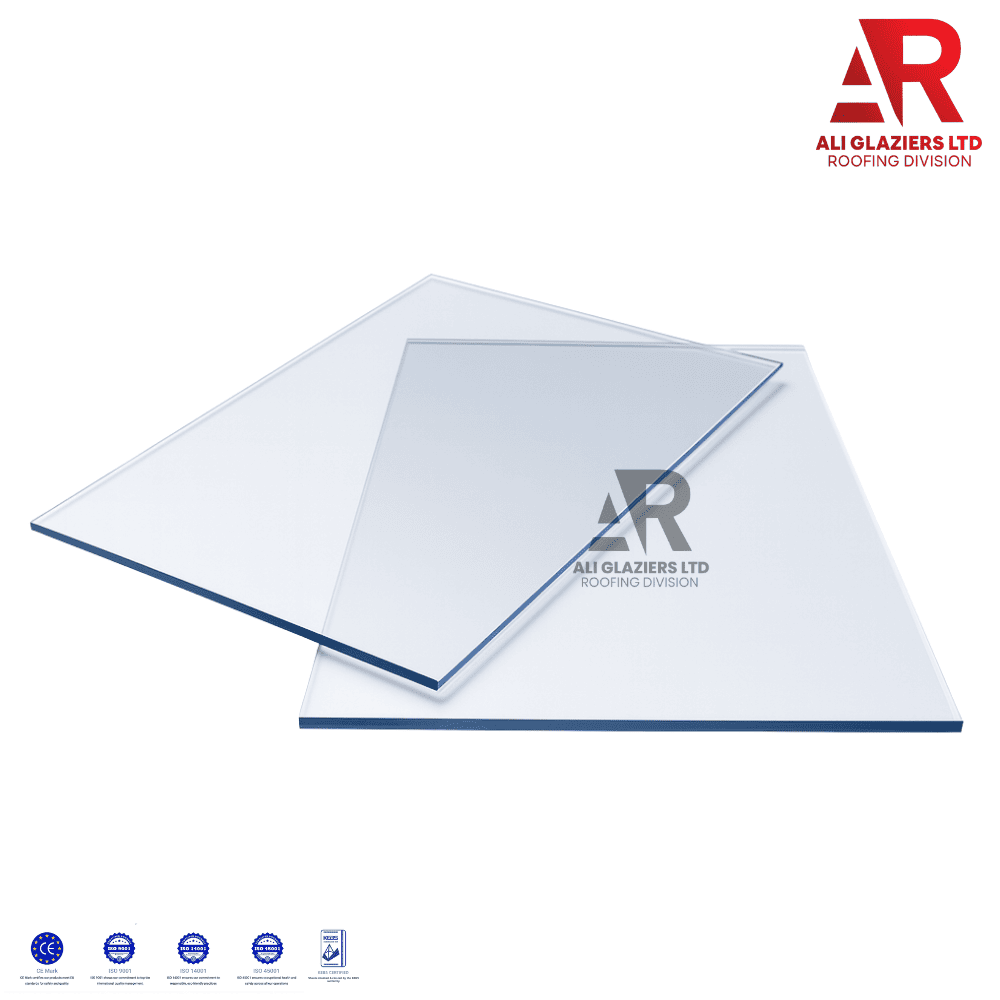
CLEAR SOLID POLYCARBONATE SHEETS
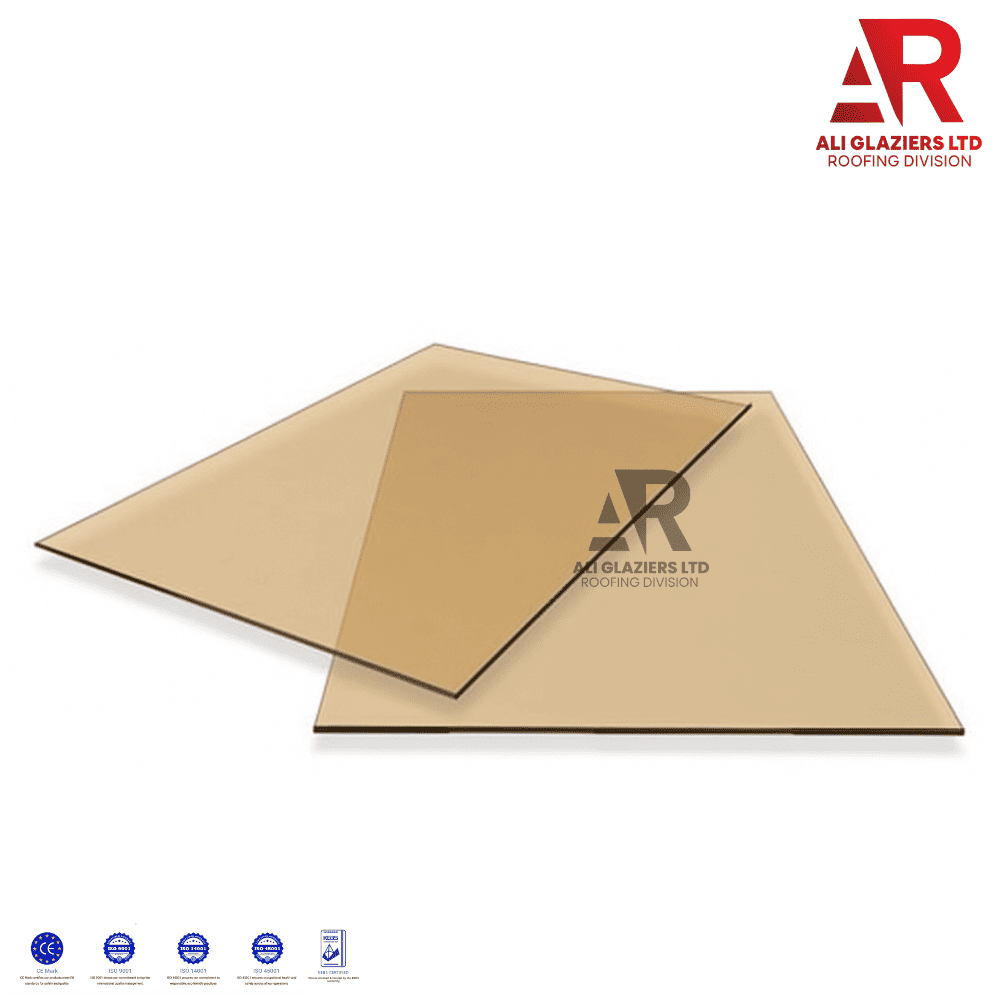
BRONZE SOLID POLYCARBONATE SHEETS
Understanding Sustainable Roofing in Kenya
Sustainable roofing refers to roofing systems designed to minimize environmental impact while maximizing energy efficiency and durability. In Kenya, this concept is gaining traction as more builders adopt green building standards.
Key goals of sustainable roofing include:
- Reducing heat transfer into buildings
- Lowering electricity consumption
- Increasing material lifespan
- Using recyclable or low-impact materials
- Improving indoor comfort naturally
These principles are influencing both residential and commercial construction projects in cities such as Nairobi, Mombasa, Kisumu, and Nakuru.
Eco-Friendly Eco-friendly roofing materials in Kenya
There are several roofing materials that support these materials in Kenya. Each has unique benefits depending on climate, budget, and architectural design.
1. Polycarbonate Roofing Systems
Polycarbonate is one of the most energy-efficient roofing options available today. It allows natural light penetration while maintaining high strength and UV resistance.
It is widely used in skylights, greenhouses, patios, and modern architectural designs where daylighting is a priority.
Explore category:
https://roofing.aliglaziers.com/product-category/polycarbonate-roofing-sheets/
Benefits:
- Reduces need for artificial lighting
- Lightweight and durable
- UV protection reduces heat gain
- Long service life
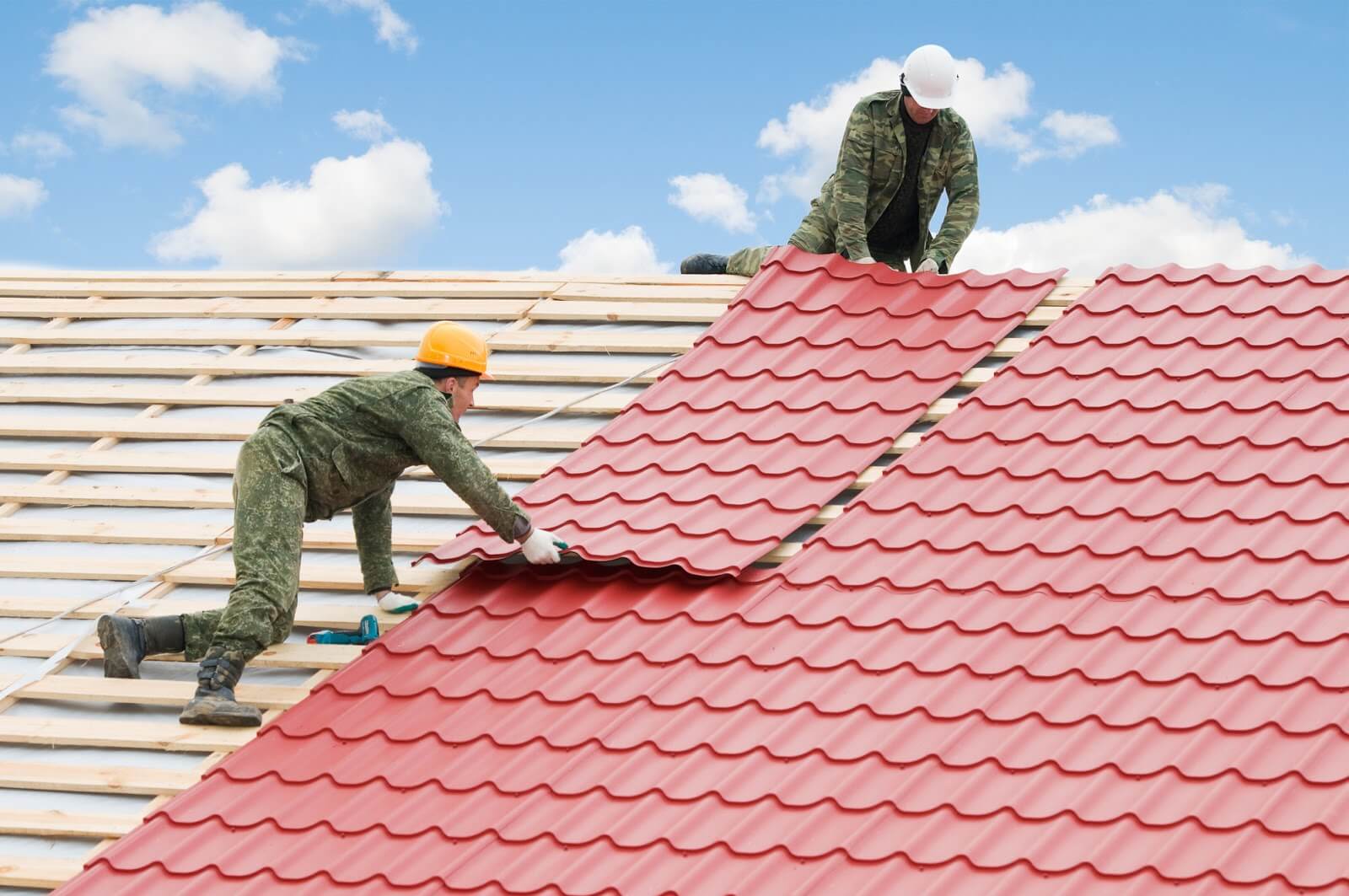
2. Recycled Metal Roofing (Mabati)
Metal roofing remains common in Kenya, and newer versions now incorporate recycled materials.
Benefits:
- Recyclable at end of life
- Durable under harsh weather
- Widely available
- Cost-effective
However, traditional metal roofing can absorb heat unless coated with reflective finishes.
3. Clay and Concrete Tiles
These materials are often used in premium residential projects and offer good thermal insulation.
Benefits:
- Long lifespan
- Natural materials
- Good temperature regulation
- Aesthetic appeal
Their main limitation is weight, which requires stronger structural support.
4. Transparent Roofing Solutions
Transparent roofing materials are increasingly used in sustainable design because they reduce electricity usage during daylight hours.
Popular options include:
Egyptian Clear Solid Polycarbonate
https://roofing.aliglaziers.com/product/egyptian-clear-solid-polycarbonate/
Bronze Extra Clear Polycarbonate
https://roofing.aliglaziers.com/product/bronze-extra-clear-polycarbonate-sheets/
These materials are commonly used in skylights, verandas, and commercial walkways.
Energy Efficiency and Green Building Benefits
Sustainable roofing options directly contributes to energy-efficient buildings. In Kenya, where electricity costs and heat management are major concerns, this is especially important.
Key environmental benefits:
- Reduced reliance on artificial lighting
- Lower cooling costs in hot regions
- Improved indoor thermal comfort
- Reduced carbon footprint
Buildings in Nairobi and Mombasa benefit significantly from roofing systems that regulate heat naturally and reduce energy consumption.
Climate Considerations in Kenyan Roofing
Kenya’s varied climate requires careful selection of roofing materials for sustainability.
Coastal Regions (Mombasa, Malindi)
High heat and humidity require UV-resistant and heat-reflective materials.
Highlands (Nairobi, Nyeri, Eldoret)
Cooler temperatures allow for mixed roofing systems that balance insulation and daylighting.
Lake Region (Kisumu, Homa Bay)
High moisture levels require corrosion-resistant and durable roofing systems.
Choosing the right material for each climate zone ensures long-term sustainability and performance.
Modern Applications of Eco-friendly roofing materials
Eco-friendly roofing materials are used in a wide range of construction projects:
Residential Buildings
- Skylights for natural lighting
- Energy-efficient roofing systems for homes
- Patio and veranda covers
Commercial Buildings
- Shopping malls with daylight roofing systems
- Office complexes using transparent roofing
- Eco-friendly hotels and resorts
Industrial Facilities
- Energy-saving warehouse roofing
- Natural lighting panels in factories
- Green manufacturing facilities
Cost Considerations for These materials
While sustainable roofing options may have a higher initial cost compared to traditional options, they provide long-term savings.
Long-term advantages include:
- Lower energy bills
- Reduced maintenance costs
- Longer material lifespan
- Improved property value
In cities like Nairobi and Nakuru, many developers now prioritize lifecycle cost over initial installation cost when selecting roofing systems.
Why Sustainable Roofing is Growing in Kenya
The shift toward green building in Kenya is driven by several factors:
- Rising energy costs
- Climate change awareness
- Government support for green construction
- Increased demand for modern architecture
- Need for durable, low-maintenance materials
As a result, sustainable roofing is becoming a standard in both residential and commercial developments.
Ali Glaziers Roofing Solutions for Eco-friendly roofing materials
Ali Glaziers provides a wide range of modern roofing materials that support eco-friendly construction practices across Kenya.
Learn more:
https://roofing.aliglaziers.com/contact-us/
Shop here:
https://roofing.aliglaziers.com/shop/
Their product range includes:
- Polycarbonate roofing systems
- Transparent skylight solutions
- UV-protected roofing sheets
- Durable construction materials
These products are widely used by architects, contractors, and homeowners seeking long-lasting and energy-efficient roofing solutions.
Conclusion
These materials are transforming Kenya’s construction industry by improving energy efficiency, reducing environmental impact, and enhancing building performance.
From polycarbonate systems to recycled metal roofing and clay tiles, homeowners now have multiple eco-friendly options that suit different climates and budgets.
As demand for green construction continues to grow in Nairobi, Mombasa, Kisumu, and other regions, sustainable roofing will remain a key driver of modern architecture in Kenya.