Are clay roof tiles worth it? Discover pros, cons, costs, and terracotta roofing insights for Kenyan homes with expert roofing advice.
Clay roof tiles remain one of the most visually appealing and time-tested roofing materials in the world. Known for their warm terracotta finish and traditional architectural charm, they are widely used in premium residential developments. However, when evaluating pros and cons clay roof systems, homeowners in Kenya must consider more than just aesthetics.
In regions like Nairobi, Mombasa, Kisumu, Nakuru, and Eldoret, roofing materials must withstand intense UV exposure, seasonal heavy rainfall, and long-term environmental wear. This raises an important question: is terracotta roofing still a practical investment in modern construction, or is it more of a luxury design choice?
This guide breaks down the advantages, disadvantages, costs, and real-world performance of these tiles to help you decide whether they are worth the investment for your home or project in Kenya.
What Are These tiles?
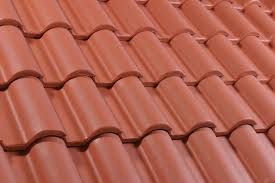
These tiles are made from natural clay that is molded, dried, and fired at high temperatures to create a hardened, durable roofing material. They are commonly shaped into curved or flat profiles and finished in earthy tones such as red, orange, or brown (terracotta).
They have been used for centuries in Mediterranean, Asian, and African architecture due to their durability and thermal performance.
Pros of These tiles
1. Excellent Aesthetic Appeal
Clay tiles offer a timeless, elegant look that enhances property value. Their natural terracotta finish blends well with both modern and traditional architecture.
They are especially popular in upscale neighborhoods and resort-style homes.
2. Long Lifespan
One of the strongest advantages of clay roofing is its durability. Properly installed clay tiles can last 40–100 years, making them one of the longest-lasting roofing options available.
This long lifespan makes them attractive for long-term property investments.
3. Strong Thermal Insulation
Clay tiles naturally regulate temperature by reducing heat transfer into the building. This is especially beneficial in hot regions like coastal Mombasa and parts of Nairobi.
Homes stay cooler during the day and retain moderate temperatures at night.
4. Fire and Weather Resistance
Clay is non-combustible, meaning it provides excellent fire resistance. It also performs well under heavy rain and UV exposure, which is important in Kenya’s equatorial climate.
5. Eco-Friendly Material
These tiles are made from natural materials and are recyclable, making them a more environmentally friendly roofing option compared to synthetic alternatives.
Cons of These tiles
1. High Initial Cost
Clay tiles are significantly more expensive than mabati and some metal roofing systems. The cost includes both materials and structural reinforcement.
2. Heavy Weight
Clay tiles are very heavy, requiring a strong roof structure. This increases construction costs because additional reinforcement is needed.
3. Fragility Under Impact
Although durable over time, clay tiles can crack or break if hit by falling objects or during improper installation.
4. Complex Installation
Installation requires skilled labor and precise alignment. Improper installation can lead to leaks or structural failure.
5. Maintenance Challenges
While long-lasting, individual broken tiles must be replaced carefully, which can be more complex than metal sheet repairs.
These tiles vs Other Roofing Materials
| FeatureThese tilesMetal RoofingConcrete TilesPolycarbonate Roofing | ||||
| Lifespan | 40–100 years | 40–70 years | 30–50 years | 15–25 years |
| Cost | High | Medium | Medium-High | Medium |
| Weight | Very Heavy | Light | Very Heavy | Very Light |
| Heat Resistance | Excellent | Good | Excellent | Very Good |
| Durability | High | Very High | High | High |
| Maintenance | Medium | Low | Medium | Very Low |
Cost of These tiles in Kenya
The cost of clay roofing depends on:
- Tile quality and design
- Roof complexity
- Structural reinforcement requirements
- Labor and installation expertise
In Kenya, clay roofing is generally considered a premium roofing option, often used in high-end residential estates and architectural projects.
While expensive upfront, it can add long-term property value when properly installed.
Best Use Cases for These tiles
Clay roofing is ideal for:
Residential Villas
Luxury homes in Karen, Runda, and Kilimani often use clay tiles for their aesthetic appeal.
Resorts and Hotels
Coastal resorts in Mombasa and Diani prefer terracotta roofing for its tropical visual identity.
Heritage and Traditional Architecture
Clay tiles maintain historical architectural styles in cultural and rural developments.
Are These tiles Worth the Investment?
The answer depends on your priorities:
Worth it if you want:
- Premium aesthetics
- Long lifespan (50+ years)
- Strong thermal performance
- High property value appeal
Not ideal if you want:
- Low-cost roofing
- Lightweight structures
- Fast, simple installation
For many Kenyan homeowners, clay roofing is a lifestyle and design investment rather than a budget solution.
Frequently Asked Questions (FAQ)
1. How long do these tiles last?
They can last between 40 and 100 years depending on installation and maintenance.
2. Are these tiles expensive in Kenya?
Yes, they are considered a premium roofing material with higher upfront costs.
3. Do clay tiles crack easily?
They can crack under impact but are very durable when properly installed.
4. Are clay roofs good for hot climates?
Yes, they provide excellent natural insulation against heat.
5. What is terracotta roofing?
Terracotta roofing refers to clay tiles made from baked natural clay, typically in red or orange tones.
6. Do these tiles need maintenance?
Minimal maintenance is required, but broken tiles should be replaced promptly.
Conclusion
These tiles remain one of the most beautiful and durable roofing materials available today. However, when analyzing the pros and cons clay roof systems, it is clear that they are best suited for premium projects where aesthetics, longevity, and thermal comfort are top priorities.
While they come with higher costs and structural requirements, their long lifespan and timeless appeal make them a strong investment for the right type of property in Kenya.
For homeowners seeking a balance between durability and modern innovation, alternative roofing solutions may also be worth exploring.
Upgrade to Unbreakable Roofing with Ali Glaziers Today!
Whether you are an architect designing a modern mall, a contractor securing an industrial warehouse, or a homeowner upgrading your patio pergola, Ali Glaziers Roofing Division has the perfect solution for the Kenyan climate.
✔ Virtually Indestructible: Polycarbonate materials that are 200x stronger than glass. ✔ UV-Stabilized: Advanced technology to prevent yellowing and sun damage. ✔ Fast & Reliable Delivery: Countrywide, same-day, and next-day delivery options across Nairobi, Mombasa, Kisumu, Nakuru, Eldoret, and beyond.
Ready to transform your roof with modern, transparent solutions?
Visit Us: Funzi Road Branch: End of Funzi Road, Industrial Area – Ali Glaziers LTD Building, Nairobi.
Call/WhatsApp: +254 (0) 716 259 682 | +254 (0) 722 522 452
Email: info@aliglaziers.com
Shop Online: https://roofing.aliglaziers.com/shop/