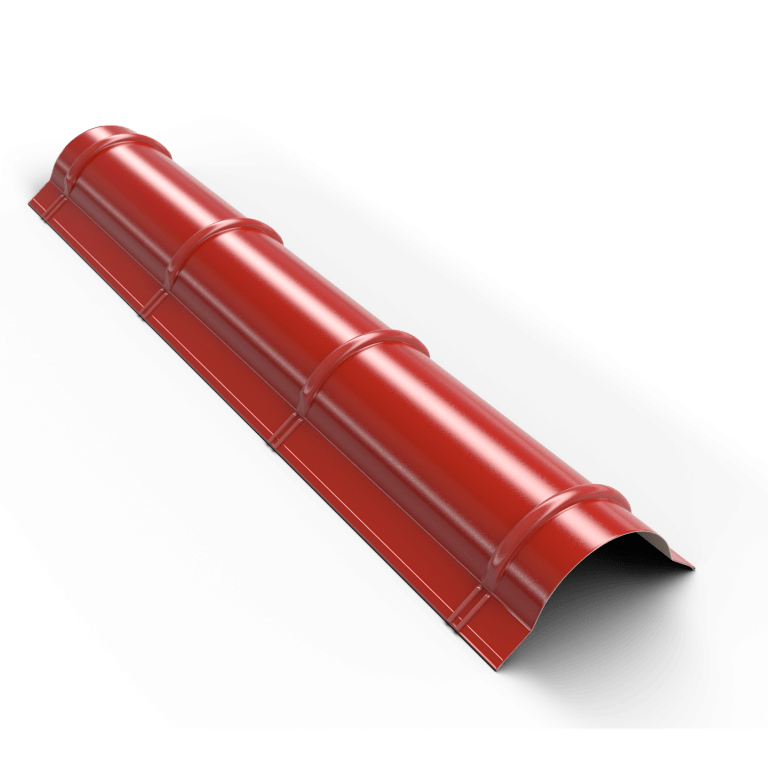
Ridge caps in Kenya: match roof ridge profiles correctly, calculate overlap and fix securely to prevent leaks. Get expert roofing advice today.
Choosing the Right Ridge Caps in Kenya for a Leak-Free Roof
Selecting the correct these caps in Kenya is a critical part of completing any pitched roofing system. While many builders focus on roofing sheets, the ridge section is one of the most exposed areas of a roof and requires proper protection against rain, wind, dust, and moisture entry.
The ridge is the highest point where two roof slopes meet. Without a correctly matched ridge cap, water can easily enter through gaps, causing:
- Ceiling damage
- Timber deterioration
- Insulation problems
- Interior dampness
- Reduced roof lifespan
A quality ridge cap does more than cover the roof peak. It creates a weather-resistant seal while providing a finished architectural appearance.
Shop Tent Accessories
View all Tent Accessories
In Kenya, roofing systems must handle different environmental conditions, including:
- Heavy seasonal rains in Nairobi and Kisumu
- Strong sunlight and temperature changes in Nakuru and Eldoret
- Coastal humidity and salt exposure in Mombasa
The correct ridge cap selection depends on:
- Roofing sheet profile
- Roof pitch
- Ridge design
- Overlap measurement
- Fixing method
- Weather conditions
This guide explains the different types of these caps, how to match them with roofing profiles, correct overlap requirements, installation methods, common mistakes, and maintenance tips.
What Are?
These caps are roofing accessories installed along the top meeting point of two sloping roof surfaces.
Their main purpose is to protect the ridge from weather exposure.
A ridge cap provides:
- Waterproofing protection
- Wind resistance
- A finished roof appearance
- Protection against debris entry
They are available in different shapes and materials to match various roofing systems.
Common materials include:
- Pre-painted steel
- Aluminium
- Galvanised steel
- Stone-coated finishes
Why Are Important in Kenyan Roofing
The roof ridge receives direct exposure to weather conditions.
During rainfall, water naturally moves toward the highest roof points and can enter through poorly protected joints.
A properly installed ridge cap helps prevent:
Water Leakage
Correctly fitted these caps stop rainwater from entering the roof structure.
Wind-Driven Rain Damage
During storms, rain can move horizontally under roofing gaps.
Roof Deterioration
Moisture protection helps preserve:
- Roofing sheets
- Timber structures
- Ceiling materials
Poor Roof Appearance
A well-fitted ridge creates a clean and professional finish.
Types
Different roofing systems require different ridge cap designs.
Standard
Standard these caps are commonly used with:
- Corrugated sheets
- Box profile sheets
- Industrial roofing systems
They provide basic protection along straight roof ridges.
Profiled
Profiled these caps are designed to match specific roofing sheet shapes.
They follow the pattern of the roofing sheet and provide a tighter fit.
Suitable for:
- Tile profile sheets
- Box profile sheets
- Modern roofing designs
Stone Coated
Stone-coated roofing systems use matching ridge accessories.
Benefits include:
- Premium appearance
- Improved design consistency
- Strong weather protection
Ventilated
Ventilated ridge systems allow hot air to escape from the roof space.
They help improve:
- Roof ventilation
- Indoor comfort
- Moisture control
Matching to Roofing Sheet Profiles
One of the biggest mistakes in roofing installation is using the wrong ridge cap profile.
A ridge cap should match the roofing sheet design.
Corrugated Roofing Sheets
Corrugated sheets require shaped to accommodate the wave pattern.
The correct profile ensures:
- Better sealing
- Proper alignment
- Reduced water entry
Box Profile Roofing Sheets
Box profile sheets have raised rectangular ribs.
The ridge cap should match the profile height and spacing.
Incorrect matching may create:
- Gaps
- Poor fastening
- Leakage points
Tile Profile Roofing Sheets
Tile-profile roofing requires specially designed ridge accessories.
Matching improves:
- Visual appearance
- Weather protection
- Roof continuity
Ridge Cap Profile Comparison Table
| Roofing Sheet TypeRecommended Ridge Cap | |
| Corrugated sheets | Corrugated ridge cap |
| Box profile sheets | Box profile ridge cap |
| Tile profile sheets | Tile profile ridge cap |
| Stone-coated tiles | Matching stone-coated ridge |
Using the correct profile ensures better performance and a professional finish.
Correct Ridge Cap Overlap in Kenya
Ridge cap overlap is an important installation detail.
The overlap is the section where one ridge cap piece covers the next piece.
Correct overlap helps prevent:
- Water penetration
- Wind lifting
- Joint failure
The required overlap depends on:
- Ridge cap design
- Manufacturer recommendations
- Roof exposure
- Weather conditions
Generally, longer overlaps provide better protection in areas with heavy rainfall or strong winds.
Why Ridge Cap Overlap Matters
Poor overlap can create weak points along the roof ridge.
Problems include:
Water Entry
Rain can enter through exposed joints.
Wind Damage
Strong winds can lift incorrectly joined ridge sections.
Rust Formation
Water trapped between poorly fitted sections may accelerate corrosion.
Ridge Cap Fixing Methods
Proper fixing is essential for long-term performance.
Common fixing methods include:
Roofing Screws
Special roofing screws with sealing washers are commonly used.
Benefits:
- Strong attachment
- Weather protection
- Reduced leakage risk
Ridge Brackets
Some roofing systems use dedicated ridge brackets.
They provide:
- Better alignment
- Structural support
Sealants and Closures
Additional sealing components can improve protection.
They help block:
- Dust
- Insects
- Wind-driven rain
Ridge Cap Installation Steps
A professional installation normally follows these steps:
Step 1: Inspect the Roof Ridge
Check:
- Sheet alignment
- Roof structure
- Ridge straightness
Step 2: Position the Ridge Cap
The cap should sit evenly across both roof slopes.
Step 3: Check Overlap
Each section should overlap correctly according to roofing requirements.
Step 4: Fix Securely
Use suitable screws and fixing accessories.
Step 5: Inspect Finished Installation
Check for:
- Gaps
- Loose sections
- Poor alignment
Common Ridge Cap Installation Mistakes
Using the Wrong Profile
A mismatch creates gaps and weak protection.
Insufficient Overlap
Short overlaps increase leakage risk.
Over-Tightening Screws
Excess pressure can damage roofing sheets.
Incorrect Screw Placement
Poor fixing can allow water entry.
Ignoring Roof Ventilation
Some roofs require ventilation solutions at the ridge.
Kenya’s Climate Conditions
Different locations require careful roofing choices.
Nairobi
Nairobi roofs face:
- Strong sunlight
- Seasonal heavy rainfall
- Temperature changes
Durable coated these caps help maintain performance.
Mombasa
Coastal buildings require attention to:
- Humidity
- Salt exposure
- Corrosion resistance
Quality aluminium or coated steel these caps are recommended.
Kisumu
High rainfall areas require:
- Correct overlap
- Secure fixing
- Proper profile matching
Nakuru and Eldoret
Temperature variation requires roofing accessories that maintain stability.
Roof Waterproofing
A complete waterproof roofing system requires more than roofing sheets.
Important components include:
- These caps
- Flashings
- Gutters
- Downpipes
- Sealants
Each component works together to prevent water damage.
Explore roofing solutions and accessories through the Ali Glaziers roofing shop.
How Much Do These caps Cost in Kenya?
Ridge cap prices depend on:
- Material type
- Length required
- Profile design
- Finish quality
- Installation requirements
Factors affecting total cost include:
- Number of roof ridges
- Roof complexity
- Fixing accessories
- Labour charges
A professional quotation should consider the complete roofing system rather than these caps alone.
Maintaining These caps After Installation
Regular inspection helps identify problems early.
Check After Heavy Rain
Look for:
- Leaks
- Loose sections
- Damaged seals
Inspect Fasteners
Loose screws should be tightened or replaced.
Remove Debris
Leaves and dirt can trap moisture.
Monitor Rust
Damaged coatings should be repaired quickly.
Choosing Quality These caps in Kenya
A reliable roofing supplier should provide:
- Correct profile matching
- Quality materials
- Installation guidance
- Compatible roofing accessories
Ali Glaziers Roofing Division helps homeowners, contractors, and developers select suitable roofing components for Kenyan conditions.
Learn more about our roofing expertise through our Ali Glaziers Roofing Division page.
Frequently Asked Questions About These caps in Kenya
What are these caps used for?
These caps protect the highest point of a roof where two slopes meet and prevent water entry.
Do all roofing sheets use the same these caps?
No. These caps must match the roofing sheet profile for proper fitting.
How much overlap should these caps have?
Overlap depends on the ridge design and manufacturer guidance, but correct overlap is essential for preventing leaks.
Can these caps stop roof leaks?
Yes, when correctly matched and installed, these caps provide important waterproofing protection.
Are metal these caps better than plastic options?
Metal these caps are commonly preferred for strength and durability, especially in Kenyan weather conditions.
Should these caps be sealed?
Sealing may improve protection, especially in areas exposed to heavy rain and wind.
Conclusion: Install the Correct These caps for a Stronger Roof
Choosing the right these caps in Kenya improves roof durability, appearance, and protection against weather damage.
The best ridge cap solution depends on:
- Roofing sheet profile
- Climate conditions
- Roof design
- Correct overlap
- Professional installation
A properly installed ridge cap prevents leaks, strengthens the roof finish, and protects your investment for years.
Whether your building is in Nairobi, Mombasa, Kisumu, Nakuru, Eldoret, or another part of Kenya, Ali Glaziers Roofing Division provides quality roofing solutions and expert guidance.
Explore our roofing products through our polycarbonate roofing sheets category or speak with our specialists about roofing accessories and installation requirements.
Upgrade to Unbreakable Roofing with Ali Glaziers Today!
Whether you are an architect designing a modern mall, a contractor securing an industrial warehouse, or a homeowner upgrading your patio pergola, Ali Glaziers Roofing Division has the perfect solution for the Kenyan climate.
✔ Virtually Indestructible: Polycarbonate materials that are 200x stronger than glass. ✔ UV-Stabilized: Advanced technology to prevent yellowing and sun damage. ✔ Fast & Reliable Delivery: Countrywide, same-day, and next-day delivery options across Nairobi, Mombasa, Kisumu, Nakuru, Eldoret, and beyond.
Ready to transform your roof with modern, transparent solutions?
Visit Us: Funzi Road Branch: End of Funzi Road, Industrial Area – Ali Glaziers LTD Building, Nairobi.
Call/WhatsApp: +254 (0) 716 259 682 | +254 (0) 722 522 452
Email: info@aliglaziers.com
Shop Online: https://roofing.aliglaziers.com/shop/