
Learn how roofing labour cost in Kenya is calculated, how roofing fundis structure their rates and what to include in a contract covering payments, variations, defects and retention.
Roofing labour costs in Kenya depend on the roof size, design complexity, roofing material, installation method, site conditions and whether labour is charged per square metre, per day or as a complete contract. A clear roofing contract should define the scope, payment stages, workmanship requirements, defects period and any retention before work begins.
Hiring a roofing fundi on the basis of the lowest quotation can create problems if the price excludes important work or the contractor later adds unexpected charges. A proper labour agreement makes it easier to compare quotations and establish what you are actually paying for.
What Determines Roofing Labour Cost in Kenya?
Roofing labour cost in Kenya is influenced by the complexity and scale of the installation rather than the roofing material alone.
Shop Tent Accessories
View all Tent Accessories
Important factors include:
- Roof area
- Roof pitch
- Roof height
- Roof design
- Roofing profile
- Number of roof sections
- Valleys and hips
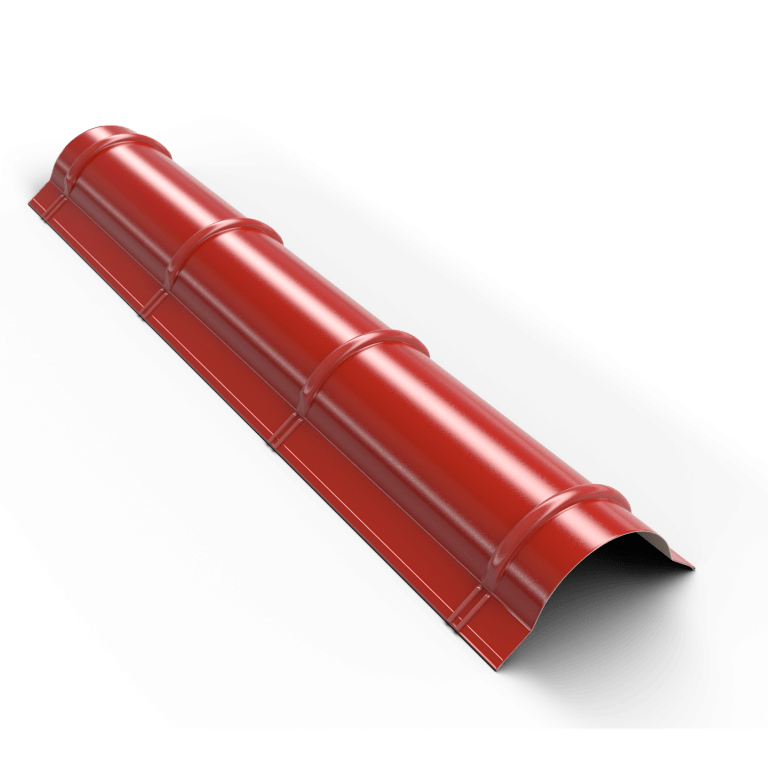
- Ridge details
- Flashings
- Gutters
- Number of penetrations
- Site accessibility
- Removal of an existing roof
- Scaffolding requirements
- Location
A simple single-pitch roof is generally easier to install than a complicated hip roof with multiple valleys and penetrations.
How Do Roofing Fundis Charge?
Roofing fundi rates can be quoted using different pricing methods, so establish the unit of measurement before comparing contractors.
Common approaches include:
Per Square Metre
The fundi gives a labour rate based on the roof area.
Per Day
The contractor charges for each working day or each fundi involved.
Lump Sum
The contractor provides one price for the complete agreed scope.
Per Job Section
Labour is divided between activities such as:
- Roof framing
- Sheet installation
- Ridge installation
- Flashing
- Gutters
- Repairs
For larger projects, a measured or lump-sum contract with a detailed scope can provide better cost control.
Why Roof Area Must Be Measured Correctly
Roofing labour should be based on the actual roof work required, not simply the floor area of the building.
A building with a 100 m² floor area can have a significantly larger roof area because of:
- Roof pitch
- Eaves
- Overhangs
- Multiple roof sections
Ask the contractor to explain how the roof area was calculated.
This also helps when comparing labour quotations.
Roofing Labour Cost vs Material Cost
Roofing labour is only one component of the total roofing budget, so a labour quotation should clearly separate workmanship from materials where possible.
A roofing quotation may include:
- Timber
- Roofing sheets
- Screws
- Ridge caps
- Flashings
- Valleys
- Gutters
- Insulation
- Transport
- Labour
- Scaffolding
Do not compare a labour-only quotation with a quotation that includes materials.
What Should a Roofing Labour Quote Include?
A professional roofing labour quotation should clearly state exactly what work the contractor will perform and what is excluded.
The quotation should identify:
- Roof area
- Roofing system
- Labour rate
- Total labour amount
- Included activities
- Excluded activities
- Estimated duration
- Payment schedule
- Defects responsibility
This prevents disagreements later.
Roofing Labour for New Roofs
New roof installation usually involves more than fixing roofing sheets because the roof structure, underlay, battens or purlins and accessories may also need to be installed.
Clarify whether the labour includes:
- Setting out
- Roof framing
- Rafter installation
- Purlin installation
- Batten installation
- Sheet installation
- Ridge installation
- Flashing
- Gutter installation
- Final inspection
Do not assume that "roofing labour" includes every activity.
Roofing Labour for Reroofing
Reroofing can require additional labour because the existing roof may need to be removed, transported and disposed of before the new roofing system is installed.
Ask whether the quotation includes:
- Removing old sheets
- Removing old tiles
- Removing damaged timber
- Disposal
- Cleaning the roof structure
- Replacement of fasteners
- Minor structural repairs
These items can materially change the final cost.
Should You Pay a Roofing Fundi Daily?
Daily labour can work for small or straightforward jobs, but it requires closer control of productivity, materials and project duration.
Before agreeing to a daily rate, establish:
- Number of workers
- Daily working hours
- Expected output
- Supervisor responsibility
- Payment timing
- Who provides tools
- Who provides safety equipment
A low daily rate can become expensive if the project takes significantly longer than expected.
Per-Square-Metre Roofing Labour
Per-square-metre pricing makes it easier to compare labour quotations when the scope and measurement method are consistent.
For example, two contractors may quote different rates per square metre.
But before selecting the cheaper one, confirm whether both quotations include the same:
- Roof preparation
- Fixing
- Ridge work
- Flashing
- Cutting
- Waste handling
- Cleanup
The cheapest rate is not necessarily the cheapest completed roof.
Roofing Contract Retention
Roofing contract retention is an amount withheld from payment until agreed conditions are satisfied, such as completion of outstanding defects or expiry of a defects liability period.
If retention is used, the contract should state:
- Retention percentage
- Amount retained
- Maximum retention
- Release conditions
- Release date
- Defects period
Do not introduce retention informally after the work has started.
Agree on it before signing.
Is Retention Necessary for a Small Roofing Job?
Retention may not be necessary for every small residential roofing project, but the parties can agree on a reasonable mechanism for correcting workmanship defects.
For example, the agreement can state that:
- Final payment is made after inspection.
- Outstanding defects must be corrected.
- A defined amount may remain unpaid until completion.
The exact arrangement should be proportionate to the size and nature of the project.
Payment Stages for Roofing Work
Milestone payments can reduce disputes by linking payment to measurable progress rather than paying the entire labour amount upfront.
A contract could divide payments around milestones such as:
- Mobilisation
- Structural framing completion
- Roofing installation
- Accessories and finishing
- Final inspection
The exact percentages should be agreed between the parties.
Avoid large upfront payments without a clear contractual basis.
What Should a Roofing Contract Include?
A roofing contract should clearly establish the parties, scope of work, price, payment terms, timeline, workmanship standards and responsibility for defects.
At minimum, include:
- Client name
- Contractor name
- Project location
- Scope of work
- Labour price
- Materials responsibility
- Start date
- Completion target
- Payment schedule
- Variation procedure
- Defects period
- Retention if applicable
- Safety responsibilities
- Termination terms
- Dispute-resolution procedure
Put the agreement in writing.
Roofing Contract Scope of Work
The scope of work is one of the most important sections because it defines what the roofing fundi has agreed to deliver.
Instead of writing:
"Install roof."
Use a more specific description such as:
"Install the specified roofing sheets to the prepared roof structure, including sheet cutting, approved fasteners, side laps, ridge installation and specified flashings."
The more detailed the scope, the fewer assumptions there are.
Who Supplies the Materials?
The contract should clearly state whether the client or roofing contractor supplies roofing materials, timber, fixings and accessories.
If the client supplies materials, specify:
- Who checks quantities
- Who receives delivery
- Who stores materials
- Who is responsible for damage
- Who handles shortages
If the contractor supplies materials, require a detailed material schedule.
Roofing Material Specifications
The roofing contract should identify the roofing material clearly so that the fundi cannot substitute an unsuitable product without approval.
Specify where applicable:
- Profile
- Gauge or thickness
- Colour
- Coating
- Sheet length
- Brand where required
- Fastener type
- Ridge type
- Flashing specification
This is especially important for projects where the roof has been designed around specific materials.
Who Is Responsible for Wastage?
The contract should establish how roofing material wastage is handled because excessive cutting or poor installation can increase project costs.
Agree on:
- Expected cutting waste
- Damaged sheets
- Incorrectly cut sheets
- Replacement responsibility
- Disposal of waste
A contractor should not automatically charge the client for materials damaged through avoidable workmanship errors.
Roofing Fundi Red Flags
Several warning signs should make you investigate a roofing contractor's quotation before accepting it.
Be cautious if the contractor:
- Refuses to provide a written quote
- Demands an unusually large deposit
- Cannot explain the scope
- Gives only a total price
- Has no references for similar work
- Proposes unsuitable materials
- Wants to change specifications without approval
- Cannot provide a realistic timeline
- Refuses to discuss defects
- Has no clear communication channel
A low price is not enough to establish competence.
Why the Lowest Roofing Quote Can Be Expensive
A very low roofing labour quote can become costly if it excludes important work or results in poor installation that requires correction.
Potential consequences include:
- Leaks
- Loose sheets
- Poor overlaps
- Damaged coatings
- Incorrect flashing
- Poor ridge installation
- Loose fasteners
- Premature deterioration
Compare scope and workmanship, not price alone.
Roofing Workmanship Checklist
Before signing off a roofing job, inspect the completed roof systematically rather than relying only on a visual check from the ground.
Check:
- Sheets correctly aligned
- Fasteners properly installed
- No missing screws
- Washers properly seated
- Side laps correctly formed
- End laps correctly formed
- Ridge caps secured
- Flashings installed
- Valleys clear
- Gutters correctly aligned
- No obvious sheet damage
- Site cleaned
For complex roofs, professional inspection may be appropriate.
Variations in Roofing Contracts
A variation is a change to the agreed scope, and roofing contracts should establish how variations are priced and approved.
For example, the contractor may discover that existing timber is badly damaged during reroofing.
Instead of simply adding a charge, the contract should require:
- Identification of the problem.
- Description of additional work.
- Additional cost.
- Client approval.
- Completion of the variation.
This provides a clear record.
Weather Delays
Roofing contracts should recognise weather-related delays because rain and unsafe wind conditions can make roof installation dangerous or impractical.
Agree on how delays will be handled.
The contractor should not be expected to work on an unsafe roof simply to meet an arbitrary deadline.
At the same time, the contract should distinguish genuine weather delays from avoidable project delays.
Safety and Roofing Labour
Roofing work involves significant fall and material-handling risks, so safety responsibilities should be established before work starts.
Consider:
- Ladders
- Scaffolding
- Fall protection
- Personal protective equipment
- Safe material handling
- Electrical hazards
- Weather conditions
- Site access
The contractor should not encourage workers to take unnecessary risks to complete the roof faster.
Final Inspection and Handover
The final roofing payment should ideally follow an inspection confirming that the agreed scope has been completed and outstanding defects have been identified.
At handover, check:
- Work completed
- Defects
- Outstanding items
- Material records
- Warranty documents where applicable
- Final payment
- Retention release
Record any outstanding work in writing.
Simple Roofing Contract Structure
A straightforward roofing contract can be organised into clear sections so both the client and fundi understand their obligations.
1. Parties
Identify the client and contractor.
2. Project
State the project location and roof type.
3. Scope
Describe exactly what will be installed.
4. Price
State the labour amount and what it includes.
5. Materials
Identify who supplies each material.
6. Programme
State the expected start and completion dates.
7. Payment
Define deposits and milestone payments.
8. Variations
Require approval before additional work.
9. Defects
Define how workmanship defects will be corrected.
10. Handover
Define when the work is considered complete.
Final Thoughts
Roofing labour cost in Kenya should be evaluated alongside scope, workmanship, project duration and contractual protections. A written agreement with clear payment stages, variation procedures and defects responsibilities can prevent many common disputes.
Before hiring a roofing fundi:
- Measure the roof correctly.
- Obtain comparable quotations.
- Confirm exactly what each quote includes.
- Check previous work.
- Agree on material responsibility.
- Put the scope in writing.
- Establish payment milestones.
- Define defects and retention where appropriate.
- Document variations.
- Inspect the completed roof before final payment.
The objective is not simply to find the cheapest roofing labour rate. It is to obtain reliable workmanship at a clearly defined cost.
Contact Us
If you need roofing sheets, accessories or a material quotation for your roofing project, our team can help you identify the products required and prepare a clear quotation.
Visit Us:
Funzi Road Branch, End of Funzi Road, Industrial Area
Ali Glaziers LTD Building
Nairobi, Kenya
Call / WhatsApp:
+254 (0) 716 259 682
+254 (0) 722 522 452
Email:
Shop Online:
Learn More:
Request a Quote: